Medical Tourism in China: Why Getting Treatment Here Costs a Fraction of US Prices (and the Quality Is World-Class)
Last Updated: July 2026 | ⏱ 5 min read
I’m not a doctor, and this isn’t medical advice. But I’ve spent enough years in and out of Chinese hospitals — both as a foreign resident and helping friends who flew in specifically for treatment — to tell you one thing straight: if you’re uninsured or underinsured in the US, China is the smartest healthcare decision you’re not considering.
Let me show you why.
💰 The Cost Difference Is Not Small. It’s Ridiculous.
Here’s the thing that blows everyone’s mind: the same knee replacement that would set you back $50,000 in the US costs about $10,000 at a top-tier private hospital in Beijing. That’s the Five-Star resort version, not the budget option. The same surgeon went to Johns Hopkins. The same implants are from Zimmer Biomet. The same post-op protocols.
The difference? No insurance middleman, no lawsuit contingency baked into every price, and substantially lower overhead.
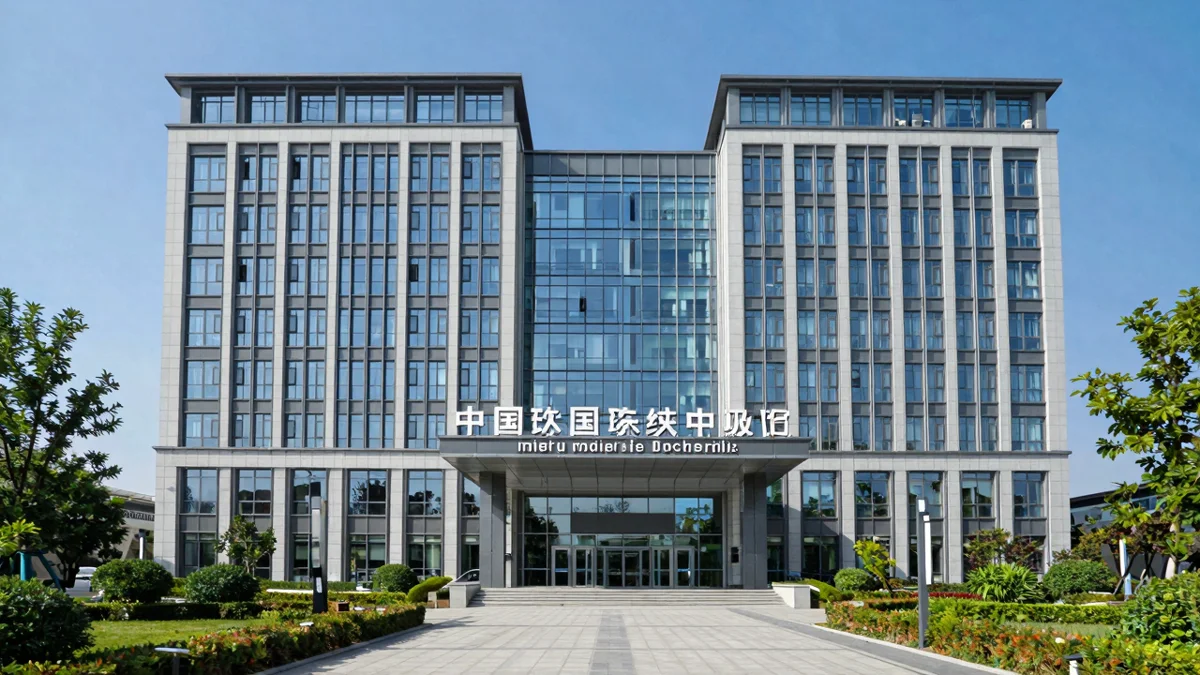
Average Cost Comparison: US vs. China (Top-Tier Hospitals)
| Procedure | US Average (USD) | China Average (USD) | You Save |
|---|---|---|---|
| Hip Replacement | $45,000 | $11,000 | ~75% |
| Knee Replacement | $42,000 | $10,000 | ~76% |
| Heart Bypass Surgery | $120,000 | $25,000 | ~79% |
| Spinal Fusion | $80,000 | $18,000 | ~77% |
| Dental Implant (per tooth) | $4,000 | $1,200 | ~70% |
| Full Mouth Reconstruction | $45,000 | $12,000 | ~73% |
| LASIK (both eyes) | $4,500 | $1,800 | ~60% |
| Rhinoplasty (cosmetic) | $10,000 | $4,000 | ~60% |
| IVF (single cycle) | $20,000 | $6,000 | ~70% |
| Comprehensive Health Check | $8,000 | $500 | ~94% |
| Stem Cell Therapy | $35,000 | $10,000 | ~71% |
Prices are estimates for private/international hospitals. Public hospitals are even cheaper but usually come with longer wait times and limited English support.
And here’s the kicker — even after you add a business-class flight, a nice hotel for two weeks, and all meals, you’re still saving 50-60%. A friend from San Francisco came for a hip replacement, stayed at a five-star hotel during recovery, and still walked away $18,000 ahead of his US deductible quote.
🏥 “But Is the Quality Actually Good?”
This is the first question everyone asks, and it deserves a straight answer.
Yes. China has over 90 JCI-accredited hospitals — that’s the same international accreditation standard as Mayo Clinic and Mount Sinai. Most of the major private hospitals (United Family, ParkwayHealth, Global Health) operate with:
- English-speaking doctors — many trained in the US, UK, or Australia
- Western medical standards — electronic health records, sterile protocols, evidence-based practice
- Advanced equipment — 3T MRI, 256-slice CT, da Vinci surgical robots
- International insurance direct billing — they’ll handle the paperwork with your insurer
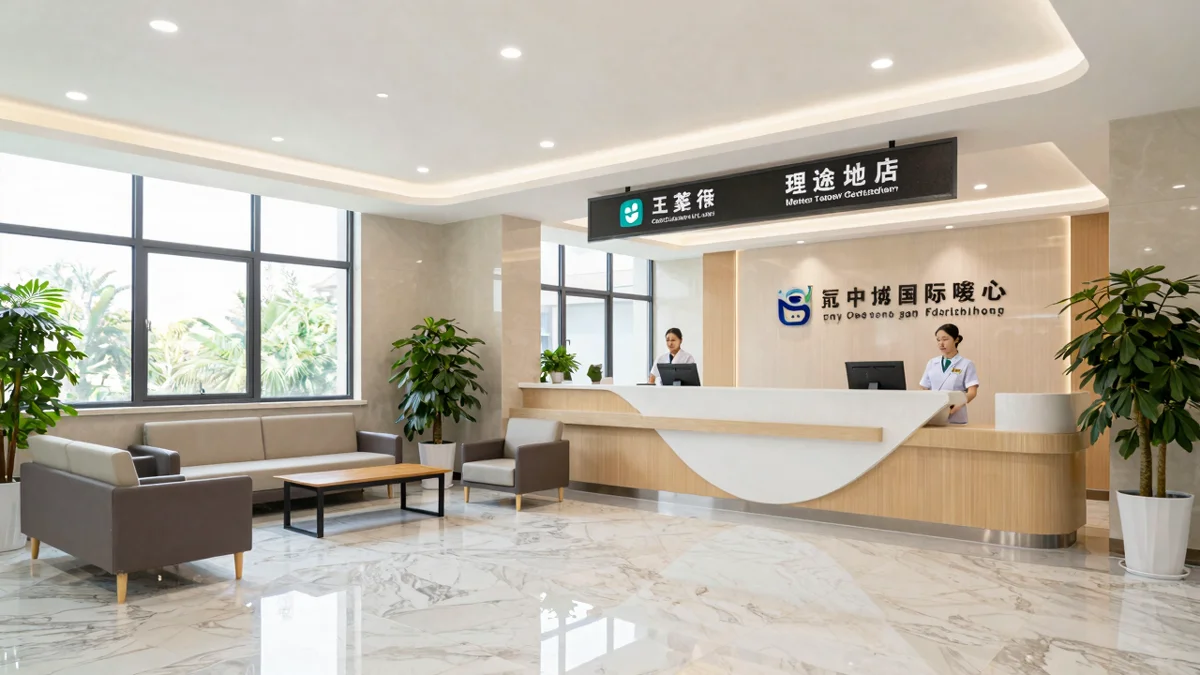
JCI-Accredited Hospitals in Major Cities
| City | Hospital | Specialties | English Support |
|---|---|---|---|
| Beijing | Beijing United Family Hospital (BJU) | Full-service, maternity, cardiology, orthopedics | ★★★★★ |
| Beijing | Peking University International Hospital | Oncology, cardiology, neurology | ★★★★ |
| Shanghai | Shanghai United Family Hospital (SHU) | Full-service, IVF, pediatrics | ★★★★★ |
| Shanghai | ParkwayHealth Shanghai | Dental, dermatology, health checks | ★★★★★ |
| Shanghai | Huashan Hospital International Ward | Neurology, dermatology, surgery | ★★★★ |
| Guangzhou | United Family Guangzhou | General practice, dental, OB/GYN | ★★★★★ |
| Guangzhou | Guangdong Provincial People’s Hospital Intl | Cardiology, oncology | ★★★★ |
| Chengdu | Chengdu United Family Hospital | General, TCM integration, dental | ★★★★★ |
| Shenzhen | Shenzhen United Family Hospital | Full-service, maternity | ★★★★★ |
💡 My tip: If you’re coming for something serious (surgery, cardiac, cancer screening), go with United Family or ParkwayHealth. They’re pricier than public hospitals but the English support and continuity of care are worth every yuan.
🌿 Traditional Chinese Medicine — The Bonus Card
One thing you absolutely cannot get in the West — at least not at this price point — is genuine Traditional Chinese Medicine (TCM) done properly.
For chronic conditions that Western medicine struggles with (back pain, migraines, insomnia, digestive issues), TCM offers a completely different approach. The combination of acupuncture, herbal medicine, tuina massage, and dietary therapy can be transformative.
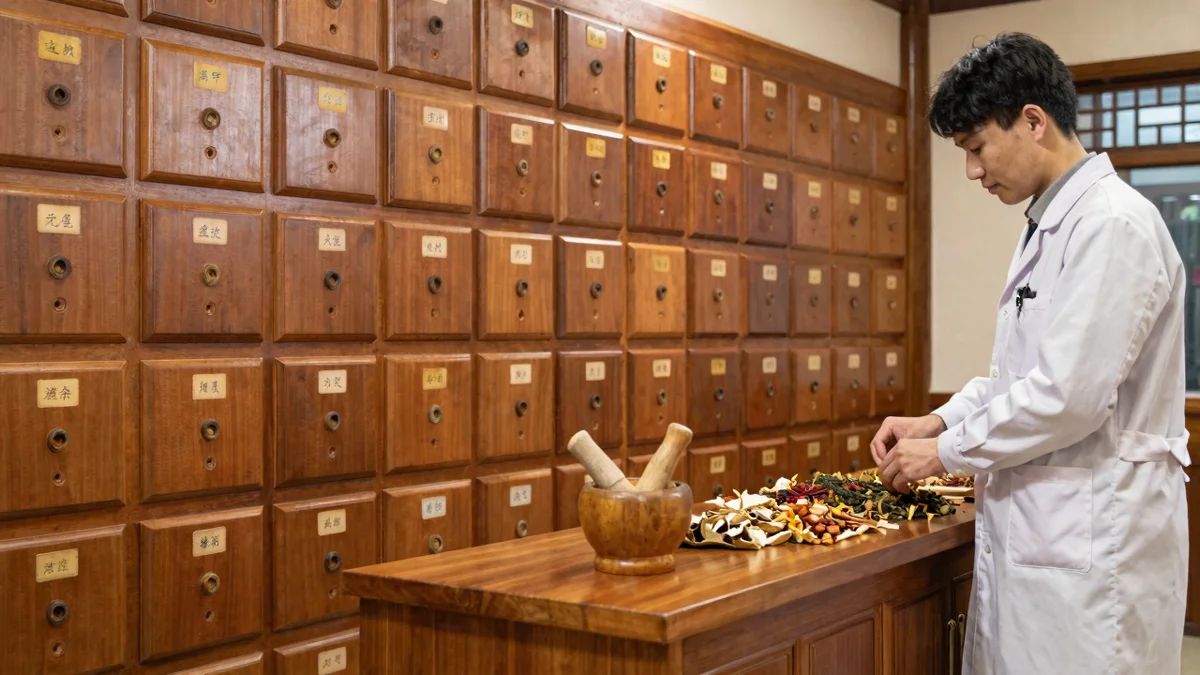
And the price? A session with a top TCM professor at a teaching hospital costs around ¥300-500 (~$40-70). A full course of customized herbal medicine runs maybe ¥800 (~$110) per month. Compare that to your US copay for a specialist who spends 12 minutes with you.
Chengdu and Beijing are the best cities for TCM — Chengdu because it’s the home of the provincial TCM hospital network, and Beijing because it has the best TCM research hospitals (Guang’anmen, Xiyuan, Dongzhimen).
🧧 What Brings Most Medical Tourists to China
Based on what I’ve seen at the hospitals and heard from the international patient coordinators:
1. Dental Work 👄
By far the most common. Crowns, implants, veneers, full mouth rehab. The technology is identical (3D scanning, CAD/CAM, same ceramic brands) but the labor cost is 1/4 of US prices. A full set of zirconia crowns that would be $25,000 in New York runs about $7,000 in Shanghai — including the hotel stay.
2. Health Check-ups 🩺
Second most popular. Chinese private hospitals offer executive physicals that are comprehensive beyond anything I’ve seen in the US: full blood panel, tumor markers, CT scans (low-dose), ultrasound of all organs, stress test, bone density, and a sit-down with a doctor who actually explains your results. $400-800 for what would be $5,000+ in the US.
3. Orthopedic Surgery 🦴
Joint replacements and spinal procedures are huge. The surgeons do high volumes (Chinese public hospital orthopedists perform 5-10 joint replacements a day), which means they have excellent technical skills even if bedside manner is more direct.
4. IVF & Fertility 🤰
China’s IVF success rates at top hospitals are comparable to US clinics (around 50-60% for under-35), but the cost is 65-75% less. No waiting lists. And the legal framework around donor eggs and PGT testing is clear and straightforward.
5. Cosmetic Surgery ✨
South Korea is the famous destination, but China is the value king for cosmetic surgery. Double eyelid surgery, rhinoplasty, facelifts, breast augmentation — performed by surgeons who trained in Korea or the US, at 50-70% less.
6. Stem Cell & Regenerative Therapy 🔬
China has a more permissive regulatory environment for certain stem cell therapies that are still in clinical trials or unavailable in the US. Do your homework carefully here — not all clinics are equal. Stick to government-affiliated hospitals with a track record.
7. Traditional Chinese Medicine 🌿
Pain management, fertility support (acupuncture + herbs alongside IVF), digestive disorders, chronic fatigue. This is where TCM genuinely shines and where no US equivalent exists at this price.
🗺️ Planning Your Medical Trip — The Practical Side
Step 1: Choose Your City and Hospital
| If You Need | Go To | Why |
|---|---|---|
| Major surgery | Beijing | Most JCI hospitals, best surgeons, capital city resources |
| Dental or cosmetic | Shanghai | Highest density of international dental clinics, cosmetic surgeons |
| TCM + low cost | Chengdu | TCM capital, much cheaper living, great food for recovery |
| Recovery + beach | Sanya | Warm climate, beach resorts for post-surgery recovery |
| Budget-friendly | Guangzhou | Good hospitals, cheaper than Beijing/Shanghai, great Cantonese food |
Step 2: Contact the International Patient Department
Every private hospital has an International Patient Center that handles:
| Service | Details |
|---|---|
| English consultation | Email them your records → they’ll get a specialist review |
| Price estimate | They’ll give you a written quote (usually valid for 30-90 days) |
| Visa invitation letter | They can issue a medical visa invitation if needed |
| Appointment booking | You don’t wait 3 months for an MRI — usually same-week |
| Pickup & translation | Airport pickup and in-hospital translator available |
| Travel coordination | Some hospitals work with nearby hotels for medical-stay rates |
Step 3: Visa & Travel
Most foreigners come on a tourist visa (L-visa) for medical treatment, which is perfectly legal. If you’re having surgery, the hospital can provide documents for a medical visa (S-visa) — more paperwork but gives you up to 180 days.

Step 4: Accommodation
| Option | Cost/Night | Best For |
|---|---|---|
| Hotel near hospital | ¥400-800 ($55-110) | Short stays, check-ups |
| Service apartment | ¥300-600 ($40-85) | Weekly stays, recovery |
| Hospital VIP ward (includes room) | ¥800-2,000 ($110-280) | Post-surgery convenience |
| Sanya resort recovery | ¥500-1,500 ($70-210) | Beach recovery period |
💡 Pro tip: If you’re having surgery, book the hospital VIP ward for the first 2-3 days, then move to a service apartment or hotel nearby. The VIP ward includes nursing care and meals — worth it.
❓ FAQ — What Everyone Asks
Q: Can I use my US health insurance? A: Some US PPO plans cover international treatment, but most don’t. What works better: submit the China hospital invoice to your insurance for out-of-network reimbursement. United Family and ParkwayHealth provide detailed English invoices that US insurance companies accept. Worst case, you pay cash (China prices) and it’s still far less than your US deductible.
Q: How do I pay? A: Top-tier private hospitals accept Alipay, WeChat Pay, international credit cards (Visa/Mastercard), bank transfer, and cash. They’ll give you an itemized bill in English.
Q: What about language? A: At United Family, ParkwayHealth, and other international hospitals, the doctors and nurses speak English. Seriously. The front desk to the billing office — all English. For public hospitals, you’ll need a translator app or a medical interpreter (¥200-400/day).
Q: Is it safe for someone with allergies / chronic conditions? A: Bring your medical records (English + Chinese translation of the key info). The international hospitals are very good about drug allergy checks. China has most common prescription drugs, but bring a 30-day supply of anything unusual just in case.
Q: What if something goes wrong after I go home? A: The hospital will provide detailed discharge summaries and follow-up instructions. For orthopedic surgery, they usually have a physiotherapy guide. Some hospitals offer telehealth follow-ups (free for 3-6 months post-surgery at United Family).
Q: How long do I need to stay? A: It depends. Dental work: 5-10 days (multiple appointments). Surgery: 2-4 weeks (surgery + initial recovery check). Health check-up: 1-2 days. IVF: 2-3 weeks (one cycle, including monitoring).
Q: Is medical tourism actually legal in China? A: Yes, 100%. China actively promotes medical tourism. The government has designated several cities as “medical tourism pilot zones” (Boao in Hainan, Qingdao, Shanghai). You’re not exploiting a loophole — you’re using a system designed for international patients.
💡 Pro Tips from Someone Who’s Been Through It
-
Get a medical coordinator. The hospitals have international patient departments — use them. They handle everything from visa docs to appointment scheduling to billing.
-
Bring paper copies of your records. Chinese hospitals still love paper. Bring your MRI/CDs, lab results, and a summary from your current doctor. Have a Chinese friend or WeChat translate the key one-pager.
-
Don’t skip the health check. Even if you’re coming for dental work, get a comprehensive health check at the same hospital. It’s ¥2,000-4,000 ($280-560) and it’s the most thorough physical you’ll ever have. Full-body MRI, tumor markers, heart ultrasound, the works.
-
Stay longer than you think you need. Surgery on Monday, flying home on Friday — bad idea. Give yourself at least a week of recovery time before the long flight home. Blood clot risk is real.
-
WeChat is your hospital lifeline. Most international hospitals do everything through WeChat: appointment booking, test results, doctor chat, payment. Set it up before you arrive.
-
February is the worst month for non-emergency. Chinese New Year shuts down hospitals for a week (outpatient clinics close, surgeons go on vacation). Avoid late January to mid-February for elective procedures.
-
Public hospitals are genuinely excellent for acute care. If you break a leg or get appendicitis, a top-tier Chinese public hospital will treat you fast and well at a fraction of the cost. The ER at Peking Union Medical College Hospital handles more cases in a day than most US ERs see in a week. The doctors have seen everything.
-
Bring a family member or friend. Hospitals in China expect patients to have a companion (陪护). It’s cultural. Having someone to help with paperwork, translation, and bringing food makes everything smoother.
⚠️ A Honest Word of Caution
I’m not going to pretend everything is perfect. Here are the real downsides:
- Medical malpractice recourse is harder in China. The legal system is different. You’re better off at JCI-accredited hospitals that have international-standard liability coverage.
- Communication friction exists. Even at English-speaking hospitals, a nurse or technician might have limited English. Patience helps.
- Follow-up is harder. If you develop complications three months after returning home, your home-country doctor will need to manage it. Make sure your China hospital sends you complete English medical records.
- Not all clinics are equal. There are “international clinics” that are just regular Chinese clinics with a translated website. Stick to known JCI-accredited hospitals. If it sounds too cheap (like 90% less than US prices), ask why.
📊 The Bottom Line
I’ve seen the math work out again and again. A friend from Los Angeles needed a hip replacement. His US insurance deductible was $8,000, and the surgery would have cost $55,000 — insurance would cover most of it, but he’d still be out $8,000 and months on the waiting list. He flew to Beijing, spent $11,000 on the surgery at BJU, stayed two weeks at a serviced apartment for $900, ate incredible food, and still came out ahead financially. Plus he got a two-week trip to China out of it.
Medical tourism to China isn’t about cutting corners. It’s about spending your healthcare dollar where it goes further — without compromising on quality.
📌 Got questions? The international patient departments at the hospitals listed above are the most reliable source. Email them your situation and they’ll give you a detailed quote and timeline.
Guides in this series:
| # | Guide |
|---|---|
| 1 | Visa & Entry |
| 2 | Payment Setup |
| 3 | Internet & VPN |
| 4 | Essential Apps |
| 5 | Transportation |
| 6 | Health & Emergency |
| 7 | Culture & Daily Life |
| 8 | → Medical Tourism (You are here) |