The $500 Full-Body Check-Up: The China Health-Screening Trip Nobody Talks About
📅 October 2026 · 🌏 For travelers who feel fine but want the full picture · ⏱️ 4–7 days on the ground
People ask me why I’d fly twelve hours to get poked and prodded. Fair question.
The answer is boring and simple. The comprehensive executive screening I was quoted $8,000 for back home took me half a morning in Shanghai and cost about $500. I’ve done it three times now — once in Shanghai, once in Beijing, once in Chengdu with a big TCM detour attached — and I’ve sent maybe a dozen friends down the same path.
I’m not a doctor. This isn’t medical advice, and I’m not going to tell you what to screen for or what any result means. What I am good at is the logistics: how to book it, what to send, what it costs, where to sleep, and how to turn a medical appointment into a genuinely great week in China.
Here’s everything I’ve figured out.
💰 The Math, Because That’s Why You’re Here
Let me get the number that made me book a flight out of the way.
| What You Get | US Price | China Price | Notes |
|---|---|---|---|
| Comprehensive executive check-up | ~$8,000 | $500–800 (¥3,500–5,500) | Blood panel, ultrasound, ECG, chest CT, the works |
| Premium full-body (adds MRI + endoscopy) | $10,000+ | $1,100–2,100 (¥8,000–15,000) | Sleep in, results the next day |
| Blood work alone | $900–2,000 | $50–120 | |
| Low-dose chest CT | $1,200 | $120–200 | |
| Private single room + nurse | n/a | $60–150/night | Skip it unless you want the pampering |
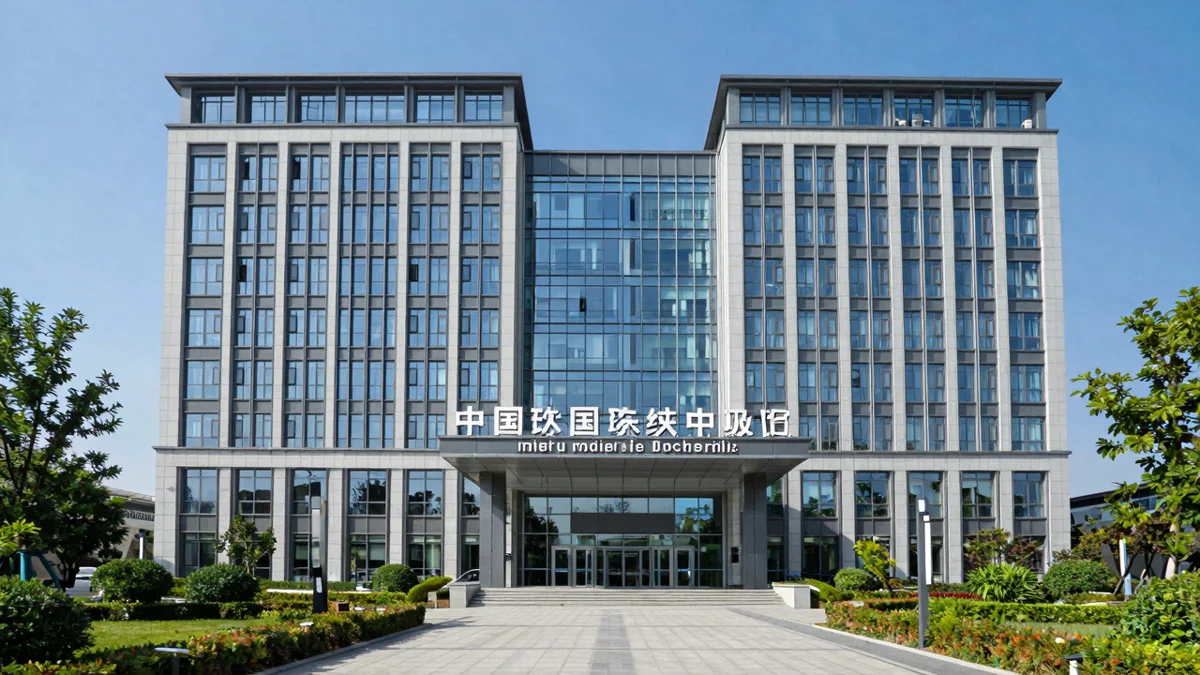
◆ The gap isn’t a trick. Chinese private and international hospitals do huge volume, there’s no insurance middleman inflating the sticker, and a “hospital stay” here is often just a morning.
My rule of thumb: a mid-tier international package plus a business-class flight plus a week of good hotels still lands under the US price of the test alone. The trip is the discount.
🏥 Which City Should You Actually Pick?
This is the question I get most, and the honest answer is: it depends on what you want the rest of the week to look like. The medicine is comparable across the big four — it’s the trip around it that differs.
| City | Best For | Hospital Type to Look For | The Vibe |
|---|---|---|---|
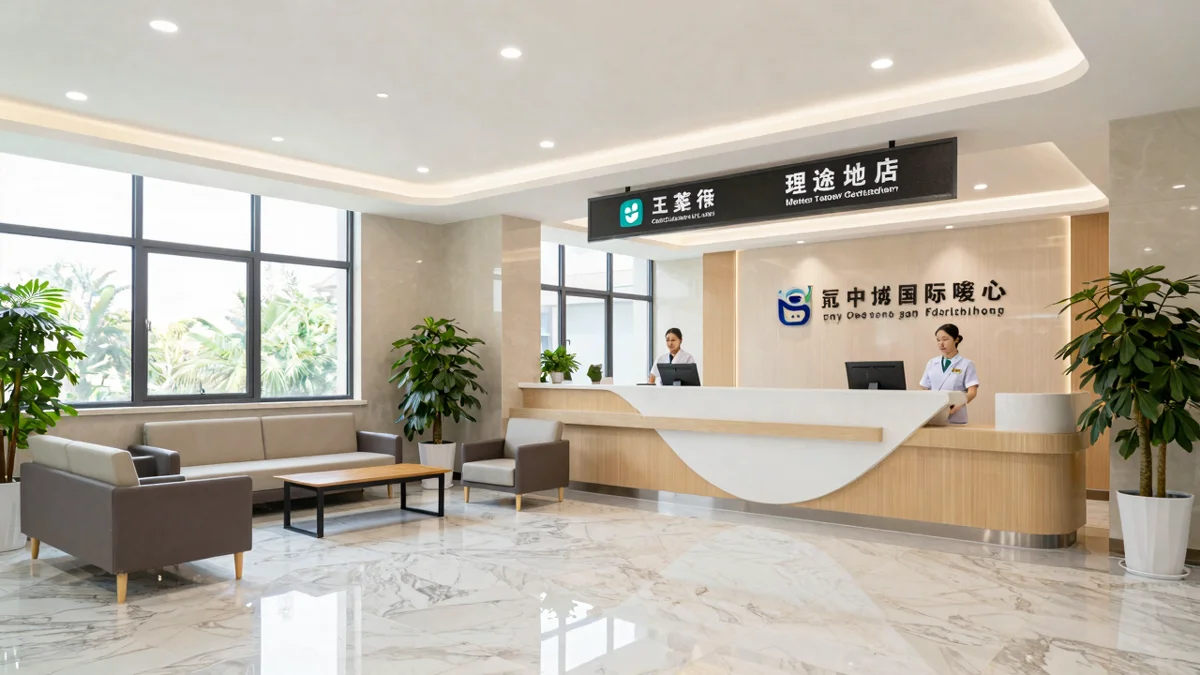
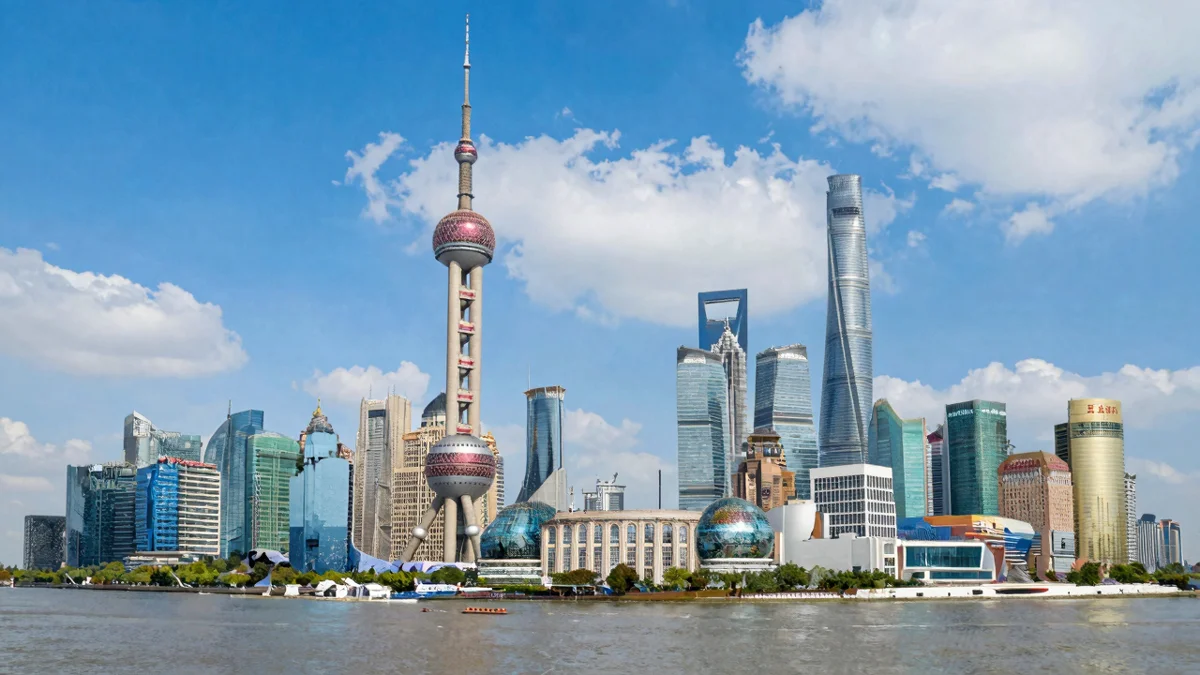
| Shanghai | First-timers, easiest logistics | International departments of top public hospitals + JCI private clinics | English everywhere, walkable, great food, easiest to combine with sightseeing |
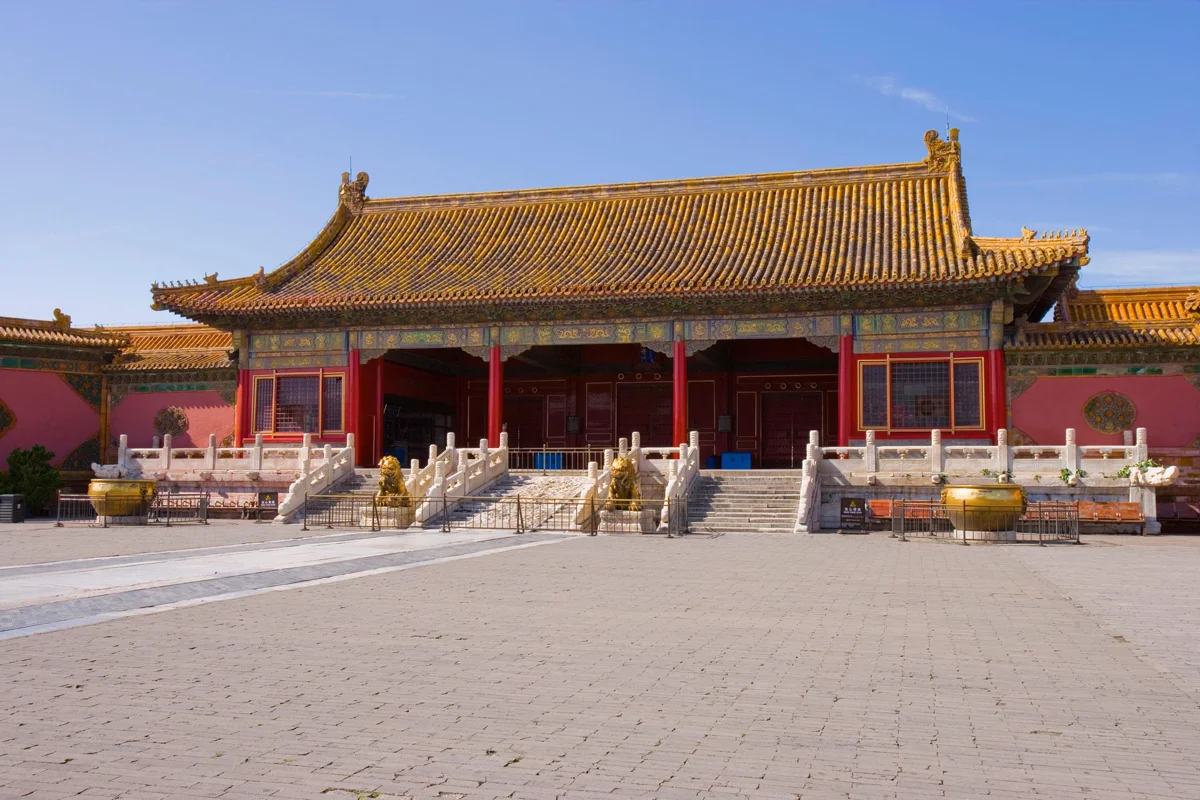
| Beijing | Most thorough screening, complex cases | Big flagship public hospitals’ international wards | Mandarin capital, heavy hitters, add the Forbidden City |
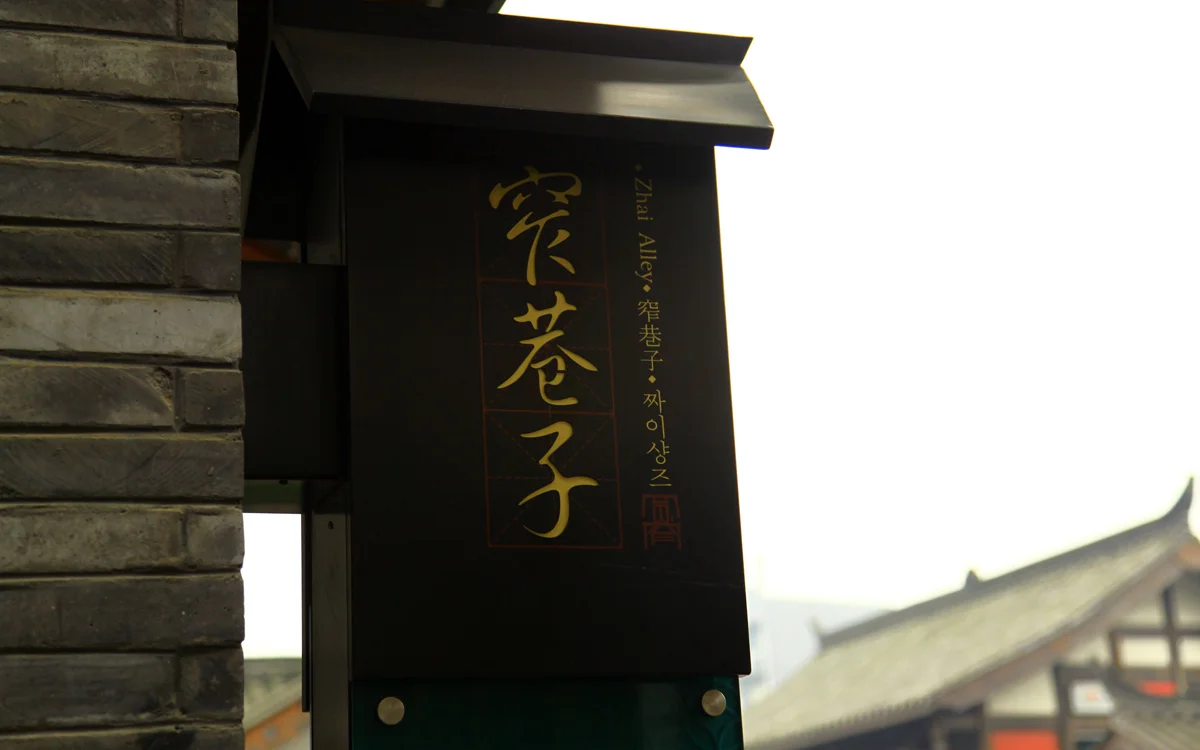
| Chengdu | TCM + slow travel, best value | Provincial TCM hospital network + one international clinic | Teahouses, pandas, cheapest living of the four |
| Sanya | Recovery + beach, winter sun | Wellness/holiday clinics + Hainan’s medical-pilot zone | Resort pace, warm sea, zero city stress |
Two trips I’d actually recommend:
- First timer, one week: Shanghai. Do the check-up on day two, spend the rest walking the Bund and eating your way through the old town.
- Recovery-minded, two weeks: Beijing or Chengdu for the screening, then fly south to Sanya for a slow beach week.
Why I don't name specific doctors
I deliberately don’t name individual doctors or push one hospital — that’s not my place and the right fit depends on you. What I’ll say is: look for an international department or a JCI-accredited hospital that publishes English service pages. If a clinic’s website exists only in Chinese with a “translation” that reads like a machine did it, keep looking.
📝 How Do You Actually Book It?
The whole thing runs on email. You do it before you leave home.

Step 1 — Find the international department. Search “(city) international hospital medical center” or “(city) hospital international patient department”. Every big private hospital and most flagship public hospitals have an English-facing desk.
Step 2 — Email them your basics. A short message works:
- Your name, age, passport nationality
- What you want (e.g. “executive health check package, comprehensive”)
- Any known conditions and current medications (so they can plan, not diagnose)
Step 3 — Send your records. PDFs of your last blood work, any scans, a one-page summary. English is fine — the international desks translate internally. Attach, don’t paste.
Step 4 — Get a written quote. Good hospitals send back a package list with prices in ¥ and a rough USD figure. Ask what’s included and what’s optional. This is where you pick mid-tier vs premium.
Step 5 — Pay your deposit and book a date. Payment is usually a WeChat/Alipay link or an international card. Ask for the appointment confirmation in writing.
Step 6 — Sort your visa. A normal tourist visa covers this. If you’re planning a longer stay or a procedure, the hospital can write an invitation letter.
Timing tip: email 2–4 weeks ahead. Avoid late January to mid-February — Chinese New Year shuts down a lot of elective scheduling.
🩺 So What Does Check-Up Day Look Like?
Honestly? It’s the calmest medical morning of my life.
You arrive fasting, around 7:30–8:00am. You’re walked through a circuit of stations — blood draw, weight and vitals, ultrasound, ECG, chest imaging — one after another, no waiting rooms full of forms. A staffer shadows you if you’re the only non-Chinese speaker in the building. Total time: half a day, sometimes less.
Results come back fast — often the same evening or next morning — with a doctor sitting down to walk you through the report rather than sliding it under a door.
Then you’re free by lunch. Which is the whole point: the appointment isn’t the trip.
🌿 The TCM Add-On
This is the part you genuinely can’t buy at home.
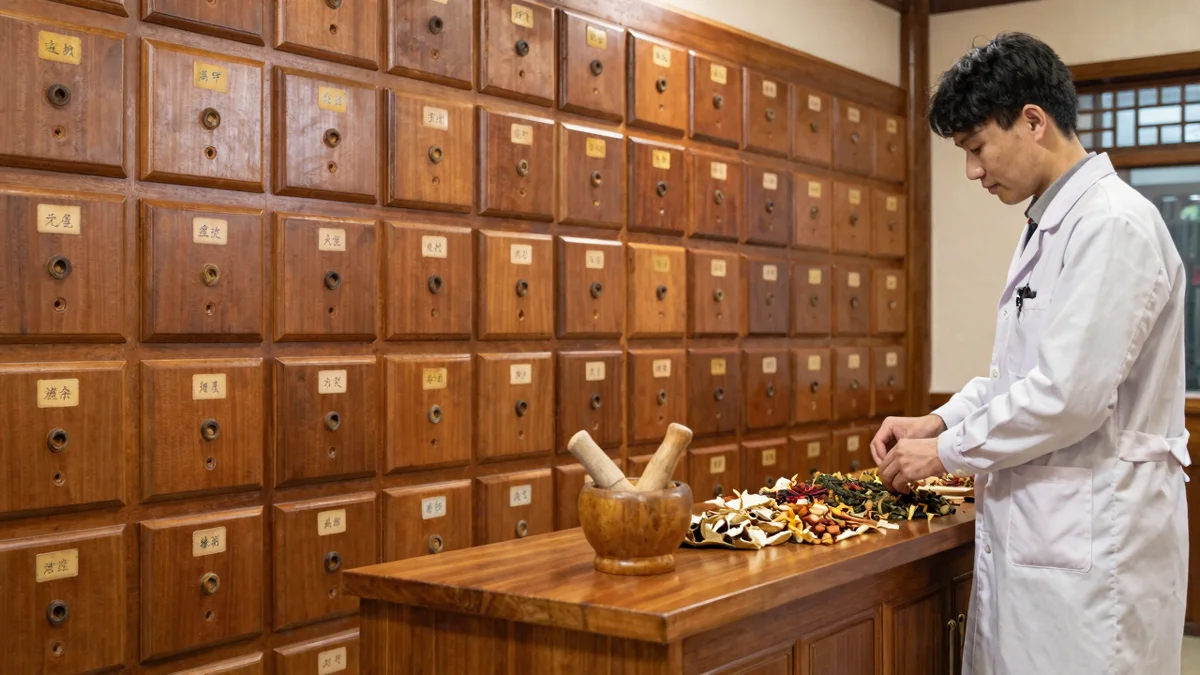
Chengdu and Beijing are the two cities I’d choose for this. A proper session — acupuncture, or a consultation with a TCM doctor who actually reads your tongue and pulse for twenty minutes — runs about ¥300–500 ($40–70). A month of customized herbal medicine lands around ¥800 ($110).
◆ I’ll say it plainly: I don’t treat TCM as a replacement for anything. I treat it as a “while I’m here” add-on that costs less than dinner and is interesting in its own right. If it helps, great. If not, you’ve lost a coffee’s worth of money compared to a Western specialist copay.
🌊 Turn It Into a Recovery Holiday
Here’s the move locals in the know make: don’t fly home the day after your check-up.
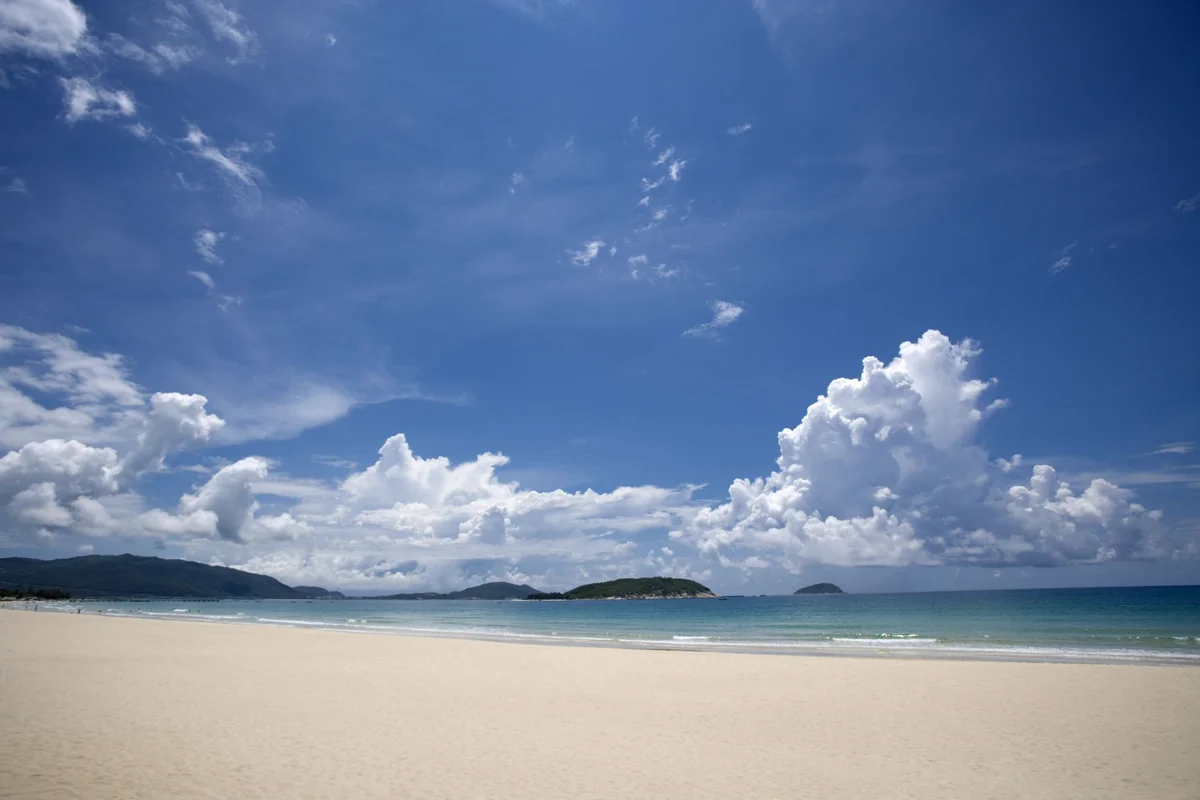
Book a few days in Sanya (Hainan island, direct flights from every city above). Warm water, resort prices that look like a typo to anyone from California, and a genuine excuse to do nothing. Even if your results are clean, a couple of days on the beach after a medical morning is a better reward than a hotel breakfast.
If you’re coming for anything more involved, this is where you take the recovery week — soft food, no rush, sun on your face.

🍜 Tourists Do This, Locals Do That
The small stuff that makes a check-up trip feel like a holiday instead of a clinic visit:
- Tourists book the fanciest hotel on the Bund. Locals stay in a service apartment two metro stops away for a third of the price and use the money on dinner.
- Tourists eat at the hospital cafeteria. Locals walk ten minutes and get a bowl of noodles that ruins every Chinese restaurant back home.
- Tourists squeeze the check-up into a 48-hour layover. Locals in the know give it a full week — appointment, results walkthrough, and actual sightseeing.
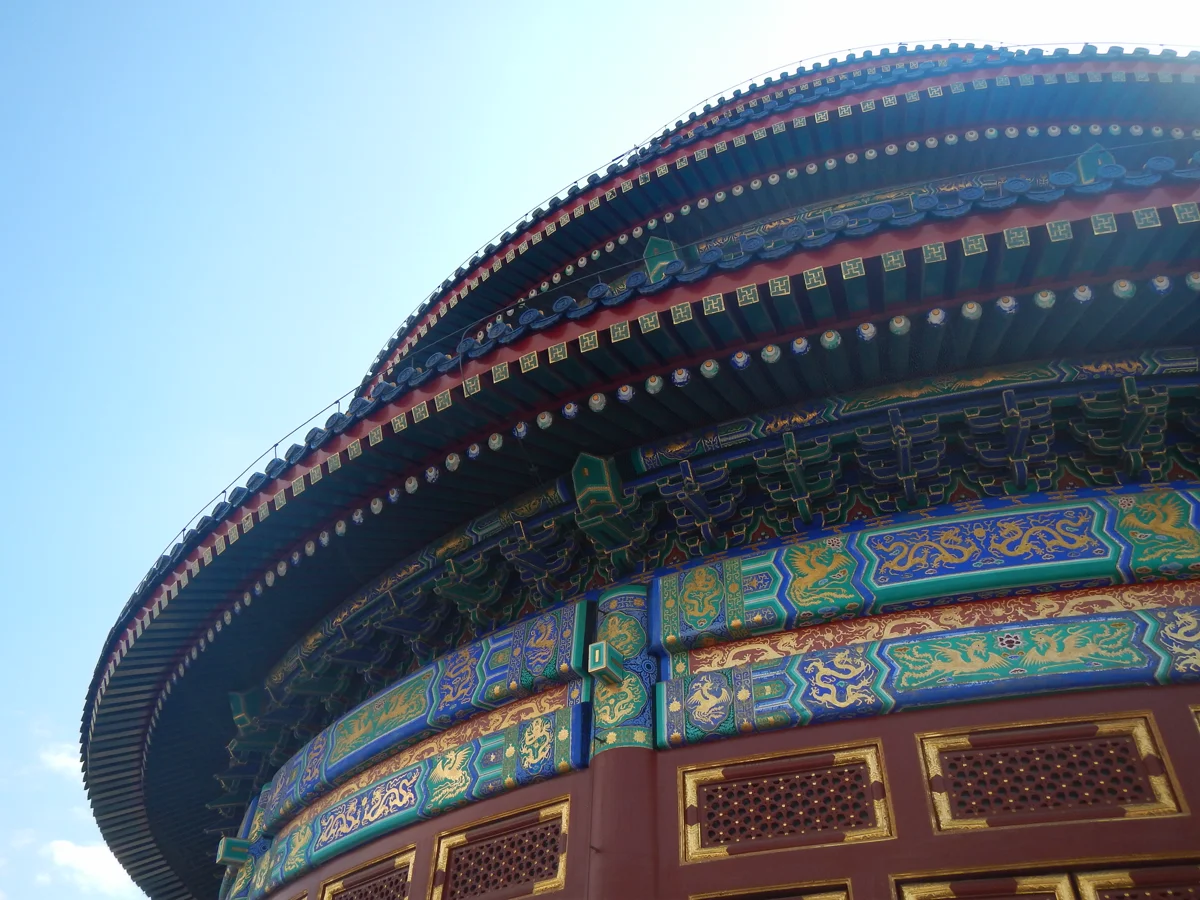
And if you go to Beijing, you’re a ten-minute taxi from this:
Chengdu, meanwhile, hands you this on your rest day:
🧳 Before You Fly: The Survival Kit
The check-up is easy. The country takes a little prep. Do these three things before you leave, and the trip runs itself:
- Visa & entry — know your visa type and what to bring to the border.
- Payment setup — get Alipay and WeChat Pay working before you land, or you’ll be the person waving cash at a QR code.
- Internet & VPN — grab an eSIM and a working VPN before departure; you’ll need Gmail to read your appointment emails.
Bring a paper copy of your passport and one printed page of your medical history. Chinese hospitals still love paper.
❓ Quick FAQ
Is a health check-up trip legal / normal? Completely. China actively promotes medical travel, and international departments exist precisely to serve foreign patients.
Do I need to speak Chinese? At international departments and JCI private hospitals — no. Doctors and front-desk staff handle English. Outside them, a translation app covers you.
Can I use my travel insurance? For a check-up, usually no — it’s elective. Pay cash (which is the point), and keep the English itemized invoice if you want to try claiming it at home.
How long should I stay? Minimum 4 days: arrival, appointment, results, one fun day. I’d book a week every time.
What should I avoid? Late January to mid-February (New Year), and any “international clinic” whose only credential is a translated website.
📌 The Bottom Line
A full-body executive screening in China costs roughly what one US specialist visit does, and the trip around it — the food, the teahouses, the beaches, the TCM — is a holiday you’d take anyway.
Do the boring prep (email, records, quote, visa, payments). Then book the flight.
📌 Planning this trip? Start with the international department of a hospital in the city you want to visit — email them your goal and ask for their package list. Everything else follows from there.