How to Book a Chinese Hospital’s International Department (Step by Step)

Here’s the thing nobody tells you before you land in a Chinese public hospital: the regular queue isn’t built for you. Registration windows open at 7am, the app is Chinese-only, and the whole system assumes you already know the drill.
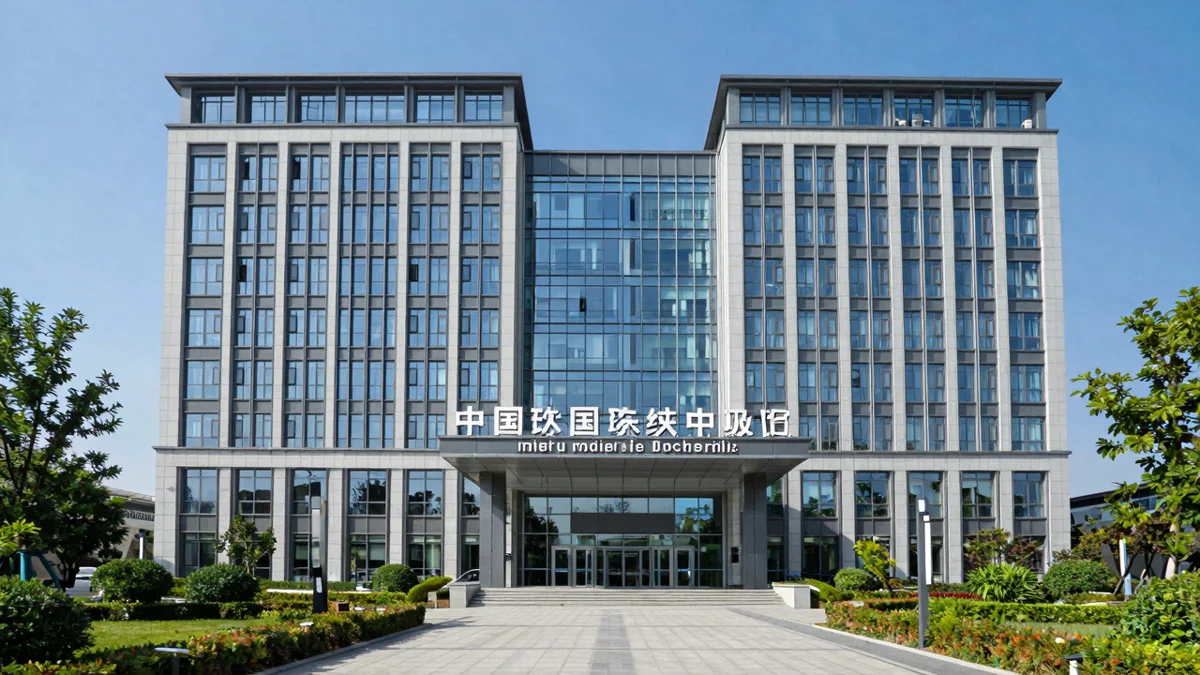
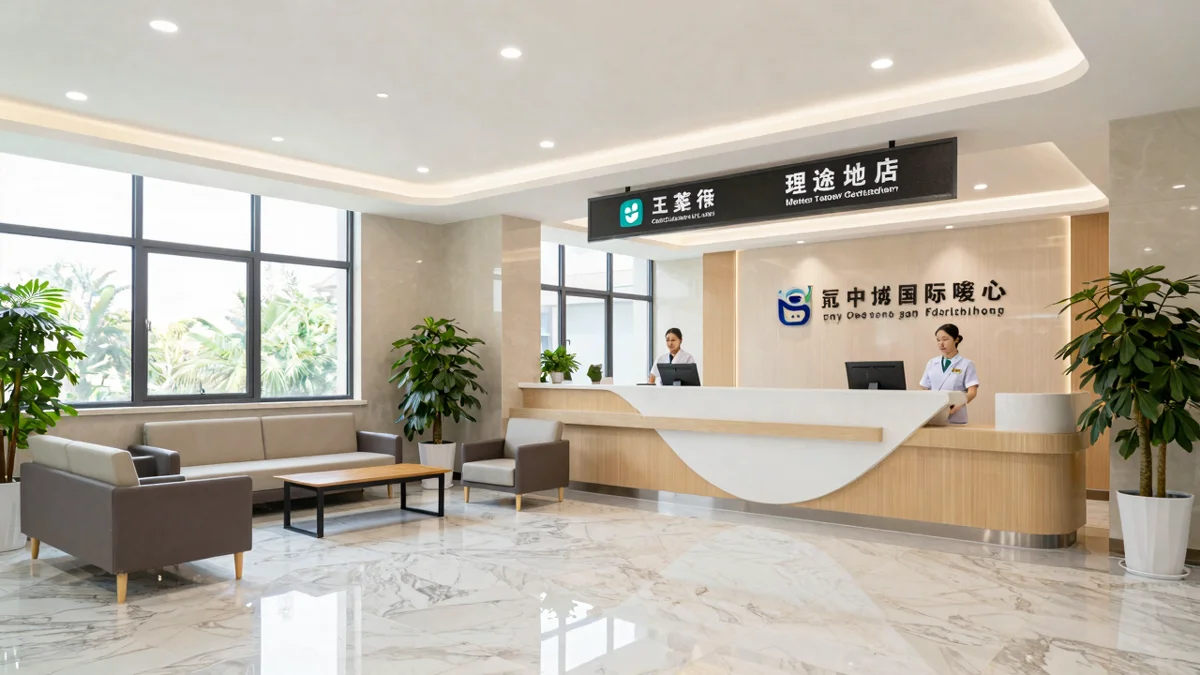
The 国际部 — the international department — is the fix. It’s the wing of a big hospital designed for foreign patients: English-speaking staff, appointment-based booking, and a calm waiting room instead of a 200-person crush. Once you know to ask for it, the whole experience changes.
This is the practical walkthrough. Logistics, not medical advice.
阶段一 · Before Your Visit — Finding the Right Department
🔍 怎么找国际部
Not every hospital has one. The ones that do are usually the big, well-known tertiary hospitals in major cities.
Ask for it by these names:
- 国际部 (Guójì Bù) — International Department
- 特需门诊 (Tèxū Ménzhěn) — Special Needs / VIP Clinic (similar, sometimes the same thing)
- 国际医疗部 — International Medical Department
Which hospitals: the large teaching and tertiary hospitals in Beijing, Shanghai, Guangzhou, Chengdu, Hangzhou and other major cities. If a hospital serves a lot of expats, it almost certainly has one.
How to check: look on the hospital’s English website or WeChat account, or just call and ask “Do you have an international department? Do you speak English?” — a yes/no question anyone can answer.
📋 What to Have Ready
| Item | Why |
|---|---|
| Passport | Mandatory for registration — every visit |
| Visa / entry proof | Confirms your legal stay |
| Previous medical records | Bring translated copies of scans and reports |
| Chinese phone number or WeChat | Needed for booking and reminders |
| Payment method | Alipay / WeChat Pay set up, or an international card |
| Your address in Chinese | For the registration form |
💡 本地人的话
Don’t try to “just walk in” to a top hospital and queue with everyone else. For a foreign patient without fluent Chinese, the international department isn’t a luxury — it’s the only route that actually works on a short trip.
阶段二 · The Visit — Booking Through to Consultation
📞 预约渠道
You generally have four ways in:
- WeChat mini-program / official app — the hospital’s own account usually has an English option for the international department
- Phone booking — the international department often has a dedicated English line
- Email — good for planning ahead from abroad, and for confirming appointments in writing
- Medical coordinator / concierge service — if you’re on a medical-travel package, they handle this
My advice: book by email or phone, not just the app. You want a written confirmation you can show at the door, and an app screenshot in Chinese may not help you if the booking fails.
📱 At Registration

Chinese hospitals run on 挂号 (registration). You register before you see a doctor. At the international department:
- Arrive 15–20 minutes early
- Bring your passport
- Give the booking confirmation (printed or on your phone)
- Pay the registration fee — higher at the international department than the public queue, but still modest
- You’ll get a queue number or a named appointment — then wait to be called
🩺 The Consultation

- Consultations are usually shorter and more direct than in the West — come with your key questions written down
- Bring all prior records, translated
- The doctor may send you for tests the same day — bloods, imaging, ECG
- Results are often ready within hours for basic tests, or 1–3 days for imaging
Expect the tests to happen fast. Chinese hospitals are efficient once you’re inside the system — the bottleneck is usually language and booking, not speed.
阶段三 · After the Visit — Follow-Up & Payment
💰 费用与支付
| Item | Rough cost (private / international) |
|---|---|
| Registration (specialist) | ¥300–800 |
| Specialist consultation | ¥500–1,500 |
| Basic blood panel | ¥200–600 |
| Ultrasound | ¥300–800 |
| MRI / CT | ¥800–2,500 |
(For reference, these are still a fraction of Western private rates — see our medical tourism overview.)
How to pay:
- Alipay / WeChat Pay — works everywhere, set it up before you arrive
- International credit cards — accepted at some international departments, not all; don’t assume
- Cash — still accepted, keep a small reserve
⚠️ Always ask for an itemised receipt (发票). You’ll need it for insurance, for a visa extension, or for any follow-up.
🔄 复诊 (Follow-Up)
- Rearbook for follow-ups — you cannot assume a slot carries over
- Bring your previous results every time; they live in the hospital system, but paper copies help
- Ask for a written summary of diagnosis and treatment — essential for continuity if you travel on
- If treatment will run past your allowed stay, talk to the international department about medical documentation for a visa extension — see our medical visa guide
🗣️ 翻译与陪同

- The international department usually provides English-speaking staff — but not every nurse, and not every doctor
- For complex or serious cases, hire a professional medical interpreter — a friend who “speaks a bit of Chinese” is not enough when it’s your diagnosis
- Medical-travel coordinators bundle interpretation, booking and accompaniment — useful if you’re travelling alone
- Bring your own translator’s details if you have one; some hospitals allow a companion in the room
The Quick Checklist
- Confirm the hospital has a 国际部 / international department
- Book by email or phone and keep the confirmation
- Pack passport + translated records + payment method
- Arrive 15–20 min early; bring your passport
- Ask for an itemised receipt
- Rebook for follow-up; get a written summary
- If staying longer than allowed, request medical documentation for your extension
The Bottom Line
The international department turns a confusing public-hospital maze into something that works on a short trip: book ahead, bring your passport and records, expect fast tests, pay by phone, and ask for everything in writing.
Do that, and the hospital stops being the scary part of the trip.
Related: Medical Treatment in China: Visa & Entry · Medical Tourism in China · Payment Setup