China Spring Festival 2027: The Complete Guide for Foreign Travelers
I’ve done two Spring Festivals in China — one in Beijing, one in Chengdu — and I’ll be straight with you: it is the best and the most annoying time to travel here, all at the same time. The country turns red, the food gets better, and the whole place feels like one giant family dinner. It’s also the one week where half the restaurants you bookmarked are shut, and every train seat in the country is already gone.
So if you’re planning around Chinese New Year 2027, this is the guide I wish someone had handed me the first time. No fluff — just what actually shuts, what stays open, how to book, and how to survive Chunyun without losing your mind.
Jump to what you need
- When exactly is Spring Festival 2027?
- What’s open and what’s closed?
- How does Chunyun affect my trip?
- How do I book trains, flights and hotels?
- What do locals actually do during the holiday?
- Is it a good time to visit as a foreigner?
- FAQ
When exactly is Spring Festival 2027?
Chinese New Year 2027 falls on February 6, 2027 — the first day of the Year of the Goat. The lunar new year runs for 15 days and ends on the Lantern Festival (February 20, 2027).
Here’s the part that actually matters for planning:
| Window | Dates (2027) | What it means |
|---|---|---|
| Chunyun (travel rush) | ~Jan 22 – Mar 3 | 40 days of peak travel. Everything is full and expensive. |
| Official public holiday | ~Feb 5 – Feb 11 | Most offices, factories and schools shut. (The final 2027 schedule is usually confirmed by the State Council in late 2026.) |
| Peak of the peak | Feb 4 – Feb 7 | Everyone travelling home + back. Avoid these dates if you can. |
| Lantern Festival | Feb 20 | The grand finale — lanterns, rice balls, one last celebration. |
My honest advice: if your dates are flexible at all, aim for Jan 15 – Jan 28 (festive build-up, still quiet) or Feb 20 – Mar 5 (post-holiday calm, everything open again). Travelling during Feb 4–7 is like flying the day before Thanksgiving — doable, but bring patience.
What’s open and what’s closed
This is the question everyone asks, and the honest answer is: the big stuff stays open, the small stuff disappears.
| Type of place | Status during Spring Festival | Notes |
|---|---|---|
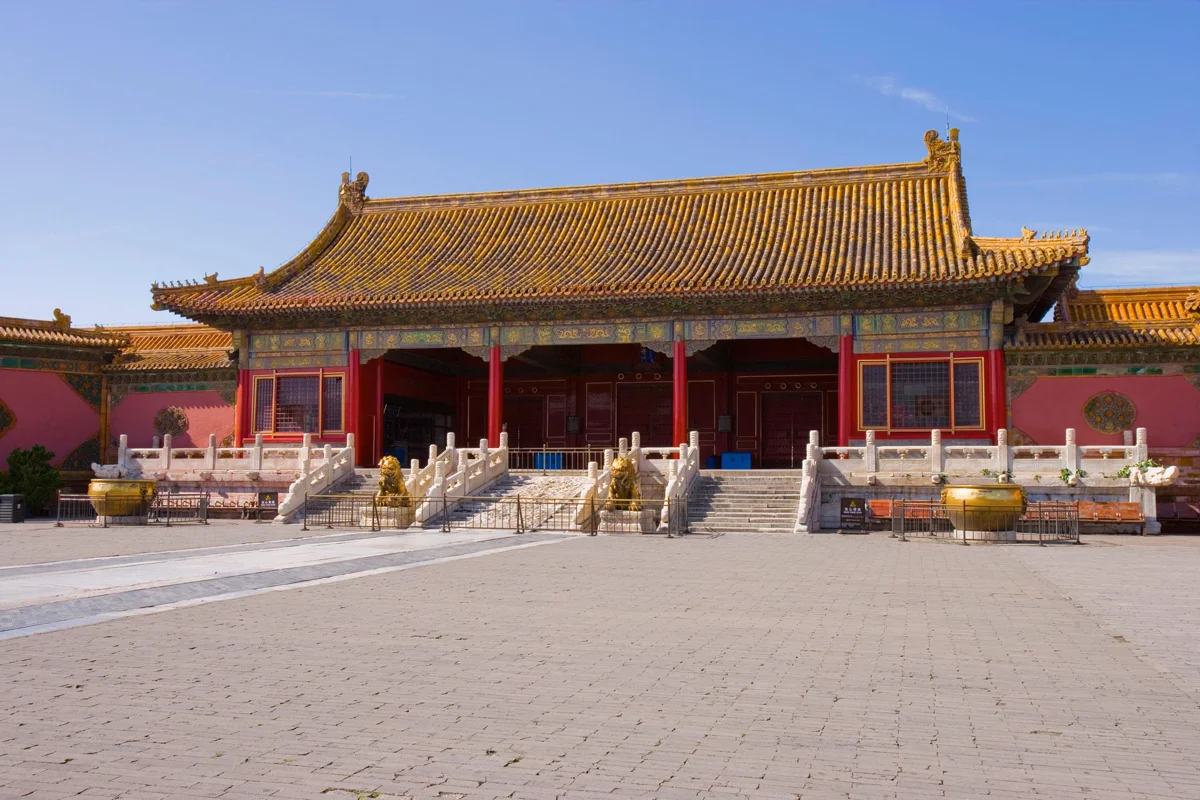
| Big attractions (Forbidden City, Great Wall, Terracotta Warriors, West Lake) | ✅ Open | Packed. Booking in advance is mandatory, not optional. |
| National museums | ⚠️ Mostly open, with closures | Many close on Chinese New Year’s Day (Feb 6) and sometimes 1–2 days around it. Always check the official WeChat account. |
| Temples | ✅ Open — and extremely busy | This is peak prayer season. Expect queues and incense smoke. |
| Chain restaurants & fast food | ✅ Open | McDonald’s, KFC, Starbucks, major chains keep running. |
| Small local restaurants | ❌ Often closed 1–2 weeks | Family-run places go home for the holiday. This is the biggest surprise for visitors. |
| Shopping malls | ✅ Open | Some close early on Feb 6. |
| Small shops & markets | ❌ Mostly closed | Street shops, family businesses, some wet markets. |
| Convenience stores | ✅ Open | 7-Eleven, FamilyMart, Lawson mostly stay open. |
| Banks / post offices | ⚠️ Limited hours | Many branches close; ATMs work. |
The rule of thumb: book in advance for anything big, and accept that your “hidden local gem” restaurant list will probably be useless that week. Malls and hotels are your safety net for food.
How does Chunyun (the travel rush) affect my trip?
Chunyun is the largest annual human migration on Earth — billions of trips in 40 days as people go home for the holiday and come back. For you, it means one thing: transport is the bottleneck, not the destination.
- Trains sell out within seconds when the window opens, especially on popular routes (Beijing–Shanghai, Guangzhou–Chengdu, anything into Sichuan/Henan).
- Airports become chaotic; domestic flights are 2–3x more expensive during Feb 4–7.
- Highway coaches also surge.
- City subway and taxis stay normal — intra-city travel is fine.
What actually works: book your long-distance legs the day the tickets go on sale, choose off-peak dates (Jan 20–25 or Feb 21+), and consider flying where trains are hopeless. If you get stuck, “slow trains” (K/T-series) often have seats when the fast ones don’t — just slower.
How do I book trains, flights and hotels?
Here’s the practical checklist I use every year:
| Booking | When to book | Where |
|---|---|---|
| Train tickets | The moment sales open (~15 days before departure) | Trip.com, or the official 12306 app (English version exists) |
| Flights | 1–2 months ahead for chunyun dates | Trip.com, airline apps |
| Hotels | 1–2 months ahead | Trip.com, Booking, Agoda |
| Attraction tickets | As soon as dates are released (Forbidden City sells out) | Official WeChat mini-programs, or Trip.com |
| High-speed rail passes | Early, if you’re doing multi-city | Trip.com |
A few things that save real pain:
- 12306 (the official railway app) now has an English interface and accepts foreign passports. Use it or Trip.com — don’t rely on a third-party reseller that marks up prices.
- You need your passport number to book. Make sure it matches exactly what’s on your passport.
- Skip the “waitlist” gamble on trains — if it’s full, book a flight instead of hoping.
- Hotels in major cities are fine; in small towns during Feb 4–7, book early or you’ll be stuck.
What do locals actually do during the holiday?
This is the fun part, and it’s why I’d still say go.

- Reunion dinner (年夜饭) on New Year’s Eve — the single most important meal of the year. Restaurants that stay open book out weeks ahead.
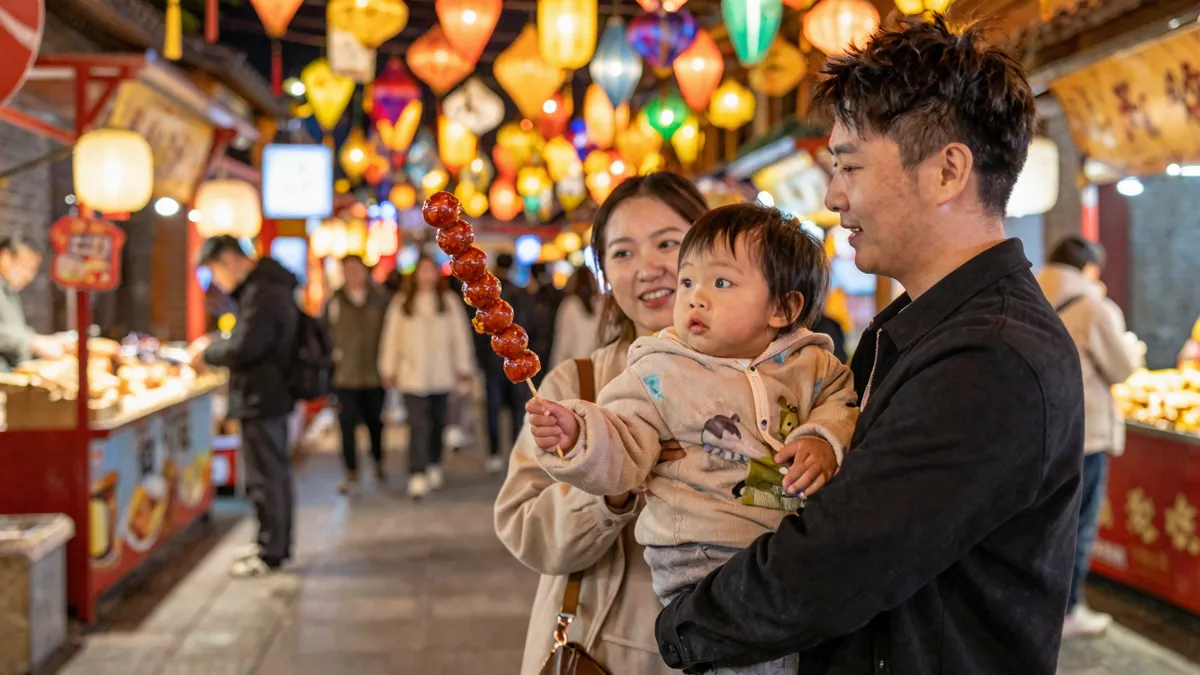
- Temple fairs (庙会) — especially in Beijing (Ditan, Longtanhu), Shanghai and Chengdu. Food stalls, folk performances, sugar-figures, acrobatics. This is the most visitor-friendly tradition.
- Temples — locals queue at midnight to burn the first incense of the year. Loud, smoky, unforgettable.
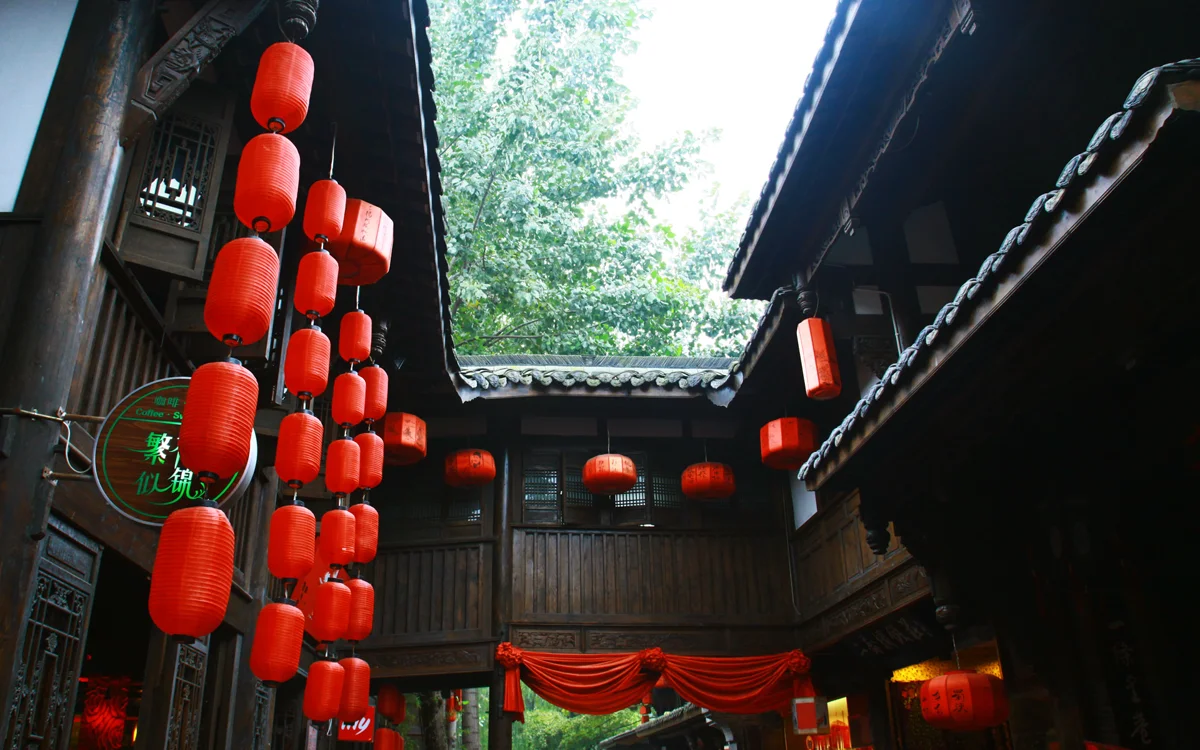
- Red decorations everywhere — lanterns, couplets, paper cuttings, the color red as far as the eye can see.
- Dumplings — in the north, families make them together on New Year’s Eve. In the south, it’s rice cakes and tangyuan.
- Fireworks — heavily restricted in most big cities, but smaller towns and designated zones still go loud at midnight.
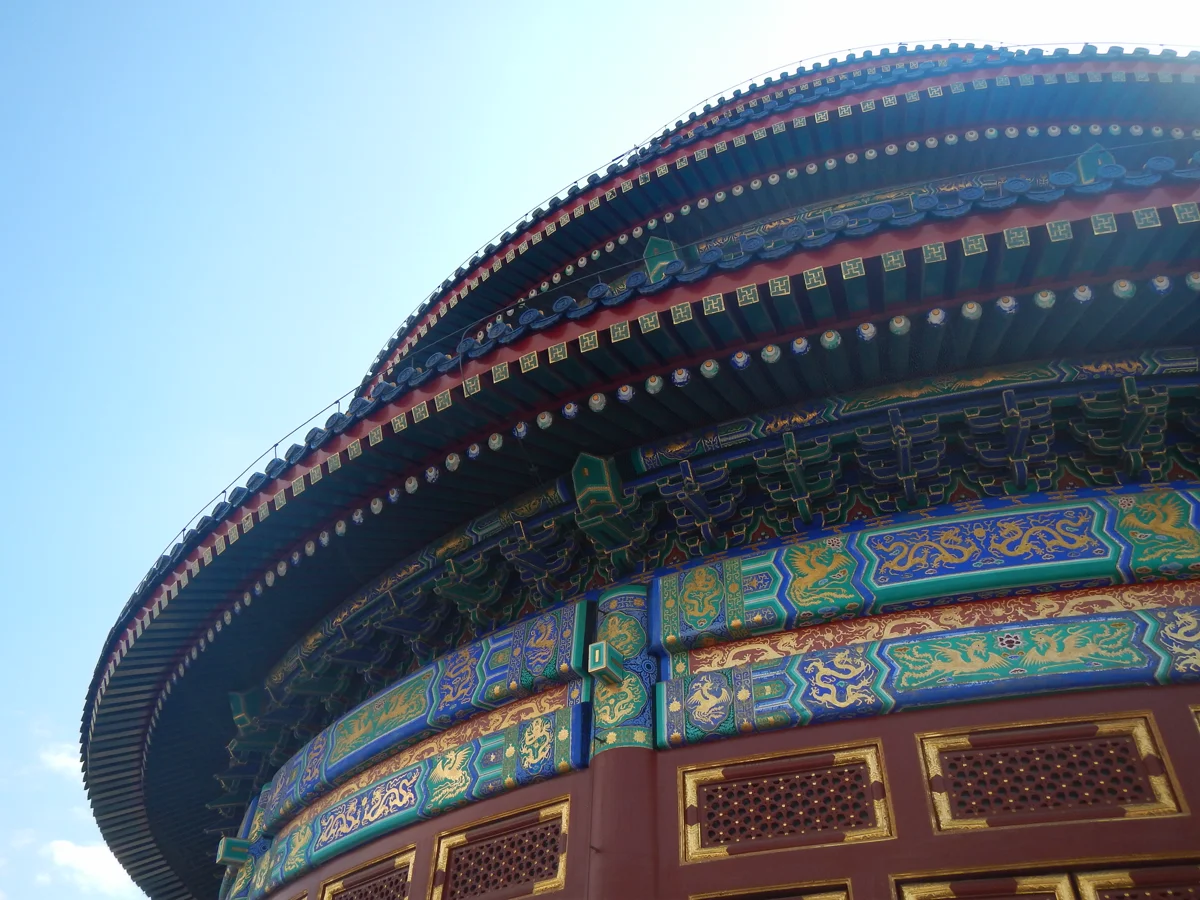
Insider tip: the Temple of Heaven and the big city parks run free or cheap temple-fair activities. Go on Jan 29–Feb 3 (before the holiday peak) — same atmosphere, half the crowd.
Is Spring Festival a good time to visit as a foreigner?
Short answer: yes, if you plan, and no if you wing it.
Go for it if you want:
- The most culturally alive week of the year
- Temple fairs, lantern festivals and street food you can’t get any other time
- A country that feels genuinely festive rather than just touristy
Skip it (or shift your dates) if you:
- Want quiet sightseeing and empty museums
- Travel on a tight budget (prices spike, hotels sell out)
- Rely on small local restaurants (many closed)
- Hate crowds
If you’ve never been to China before, my honest call is: come in the days right before the holiday — you get the build-up and decorations without the transport chaos, then you’re already settled in when everything shuts.
FAQ
Is Spring Festival 2027 a good time to visit Beijing? Yes — the temple fairs and Forbidden City in snow are special. But book the Forbidden City and the Great Wall in advance, and expect your favourite hutong restaurants to be shut.
Will the Great Wall be open during Spring Festival? Yes, Mutianyu and Badaling stay open. It’s cold and crowded — go early and dress for wind.
Do I need to speak Chinese? No, but instal WeChat and a translation app. Many small shops will be closed and the ones open are used to foreign visitors in big cities.
Can I still use Alipay and WeChat Pay? Absolutely — they work all year. Set them up before you fly. See our payment setup guide.
What should I wear? Northern China in February is genuinely cold (Beijing −5 to 5°C, Harbin −20°C+). Layers, a proper coat, and warm shoes. See our winter travel guide.
Is it safe? Yes. It’s one of the safest times to travel — just watch your belongings in the chunyun crowds.
What if I’m already in China and everything closes? Malls, hotel restaurants, chains and convenience stores keep you fed. Plan two backup restaurants per day and you’ll be fine.
Do I need a visa? Check our visa & entry guide — but note that the 240-hour visa-free transit policy still runs through the holiday.
The bottom line
Spring Festival in China is a once-in-a-lifetime experience if you treat it like what it is: the busiest travel week on the planet, wrapped in the warmest holiday. Book everything early, choose your dates around the Feb 4–7 crush, keep a food backup plan, and say yes to a temple fair. You’ll come home with stories nobody who visited in April has.
Planning a China trip around the holiday? Sort your internet and VPN and your essential apps before you fly — you’ll thank yourself when you land in the chaos.