Yunnan: Dali, Lijiang & Shangri-La — A Journey Through China’s Southwest
July 2026 | Culture enthusiasts, nature lovers, photographers | 7-10 Days
##Prologue
There is a road in Yunnan called the G214.
 It begins in the rice paddies of Xishuangbanna, climbs through the misty tea mountains of Pu’er, skirts the edge of the Tibetan Plateau, and ends at the border of a country that no longer exists on paper. Along the way it passes through three climate zones, four UNESCO sites, and at least as many centuries.
This is the road I took. And this is what I found.
##The Ancient Town of Lijiang
“Lijiang is not a city. It is a memory that happens to have walls.”
Local saying, not entirely wrong
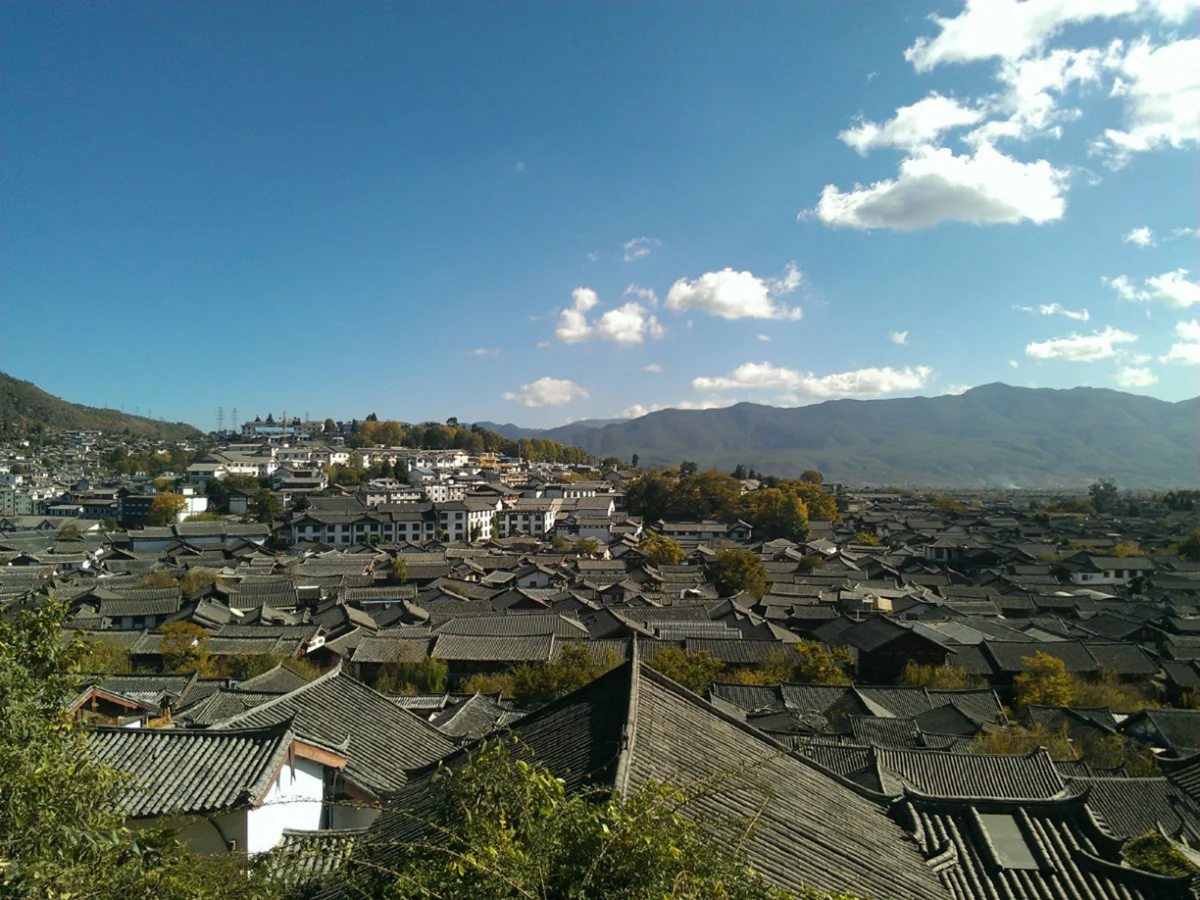
Lijiang Old Town (Dayan) was built by the Naxi people starting in the Song Dynasty (960-1279). Unlike most Chinese cities that follow grid patterns, Lijiang’s layout is organic?winding canals, stone bridges, streets that follow water rather than geometry. The Naxi believed water was sacred, and they built their homes around it rather than through it.
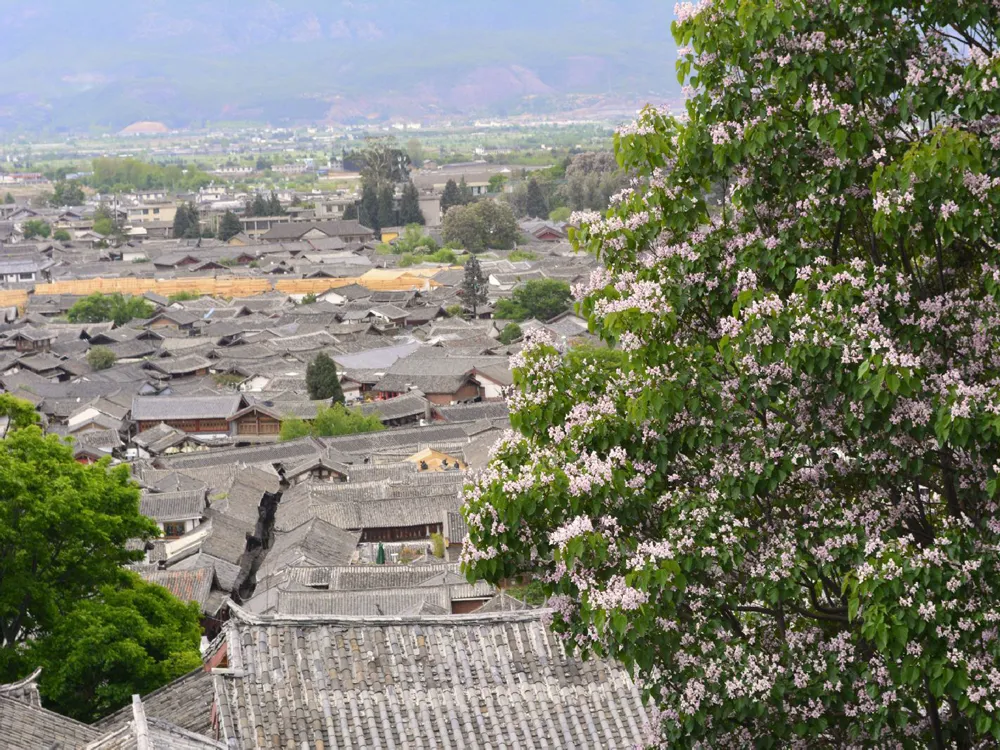
In 1997, UNESCO declared Lijiang a World Heritage Site. In the years since, it’s become one of China’s most popular tourist destinations?and it shows. The main streets of Dayan are now a river of souvenir shops, bars playing pop music, and groups of selfie-stick-waving tourists.
But the magic hasn’t disappeared. It has retreated.
Three blocks off the main street, you’ll find quiet lanes where Naxi grandmothers still tend vegetable patches behind wooden gates, where the only sound is water flowing through stone channels. The trick is to get lost?deliberately. Turn down any alley that looks too narrow to fit two people, and you’ll find the real Lijiang.
| | |
|---|---|
| 馃殗 Getting There | Fly into Lijiang Sanyi Airport (1h from Kunming). Airport shuttle 楼20 |
|Best Time | March-May or September-October. Summer is rainy. Winter is clear but cold |
| 馃挵 Old Town | Free entry. But you need to buy a 楼80 “heritage preservation fee” to visit the quieter northern section |
| 馃幆 Don’t Miss | Wangu Tower (??楼50, sunset view over the old town and Jade Dragon Snow Mountain |
| 馃泴 Stay | A Naxi courtyard guesthouse inside the old town (楼150-400/night) |
Jade Dragon Snow Mountain
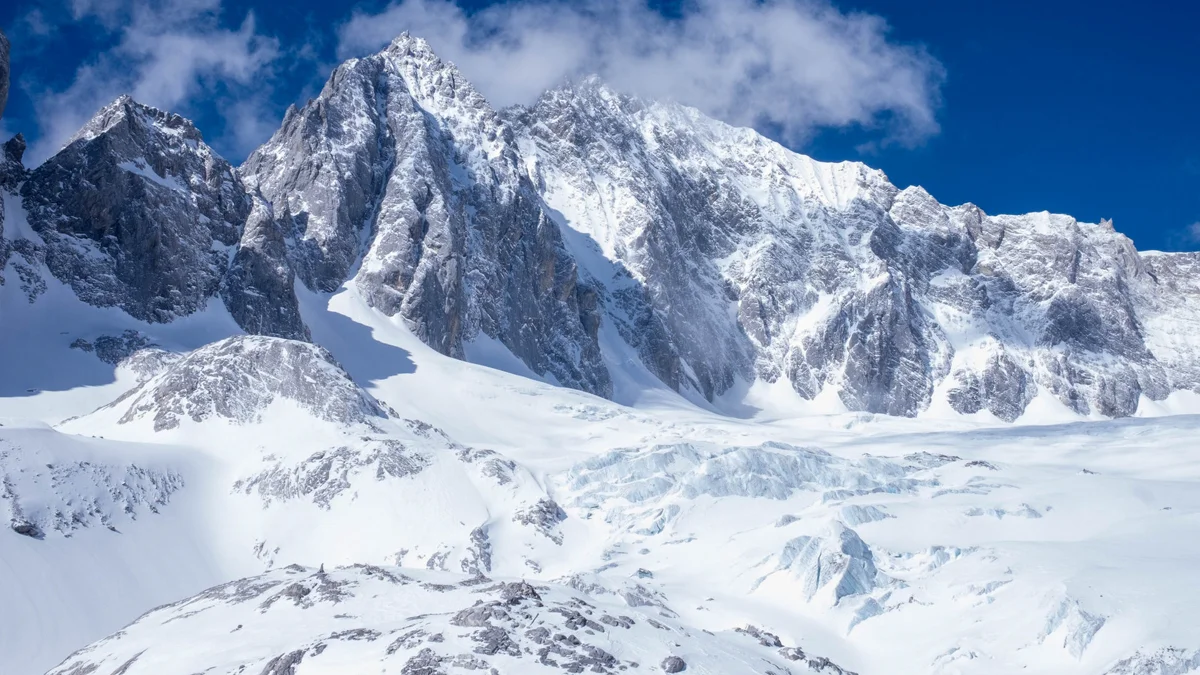
Five hundred metres above Lijiang, at a height of 5,596 metres, sits Yulong (Jade Dragon) Snow Mountain. The Naxi believe it is the dwelling place of their protector god, Sanduo. On clear days it dominates the skyline like a frozen wave.
The cable car to Spruce Meadow (3,200m) costs 楼180. The one to Glacier Park (4,680m) costs 楼280 and sells out hours in advance. If you’re not acclimatized to altitude, go to Spruce Meadow?the views are just as good and you won’t spend the next day with a splitting headache.
?Note on Altitude: Lijiang sits at 2,400m. Most visitors from sea level will feel breathless climbing stairs on the first day. Take it slow, drink water, and skip the alcohol on arrival night.
Blue Moon Valley
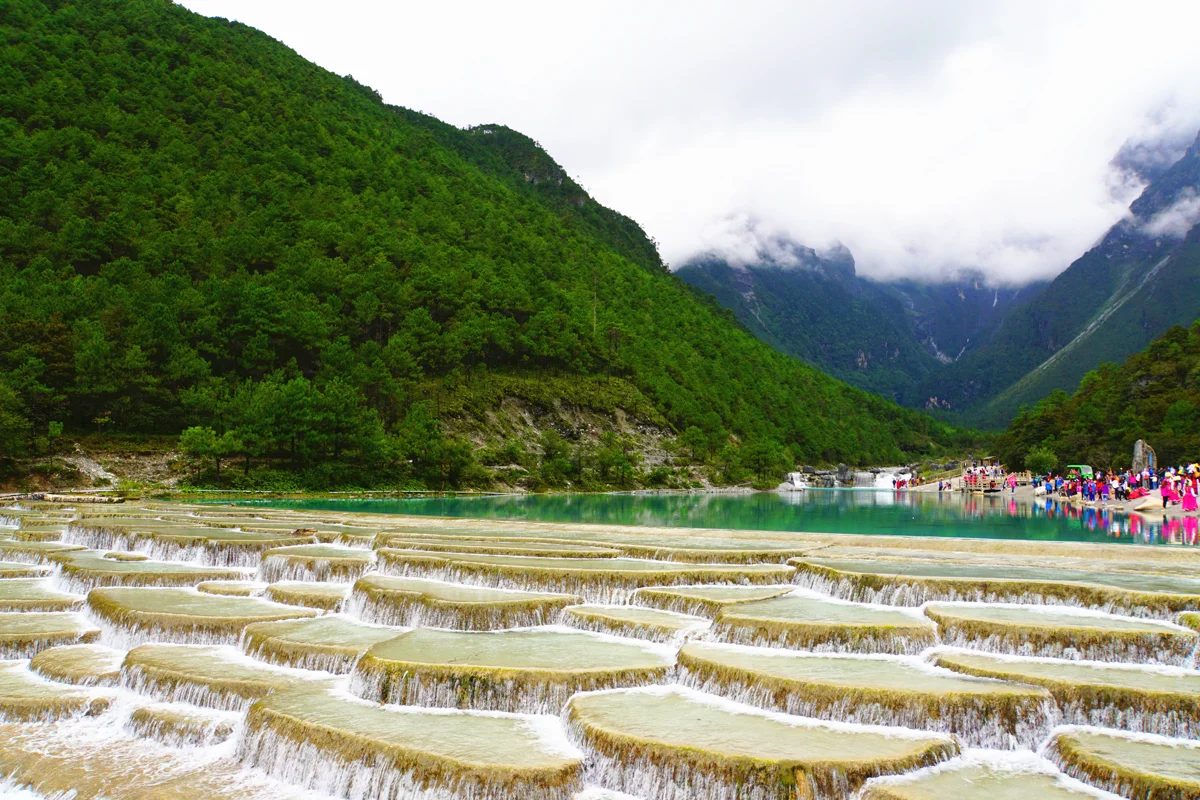
A string of turquoise pools fed by glacier meltwater at the foot of Jade Dragon. The colour is unreal?calcium carbonate in the water creates a milky blue that looks photoshopped. Access is included with the 楼100 Jade Dragon scenic area ticket.
##Dali: The Backpacker’s Dream
Two hours south of Lijiang by train (楼34, 2 hours), Dali is what Lijiang was 20 years ago: an ancient walled city at the foot of Cangshan Mountain, with Erhai Lake shimmering in the distance.
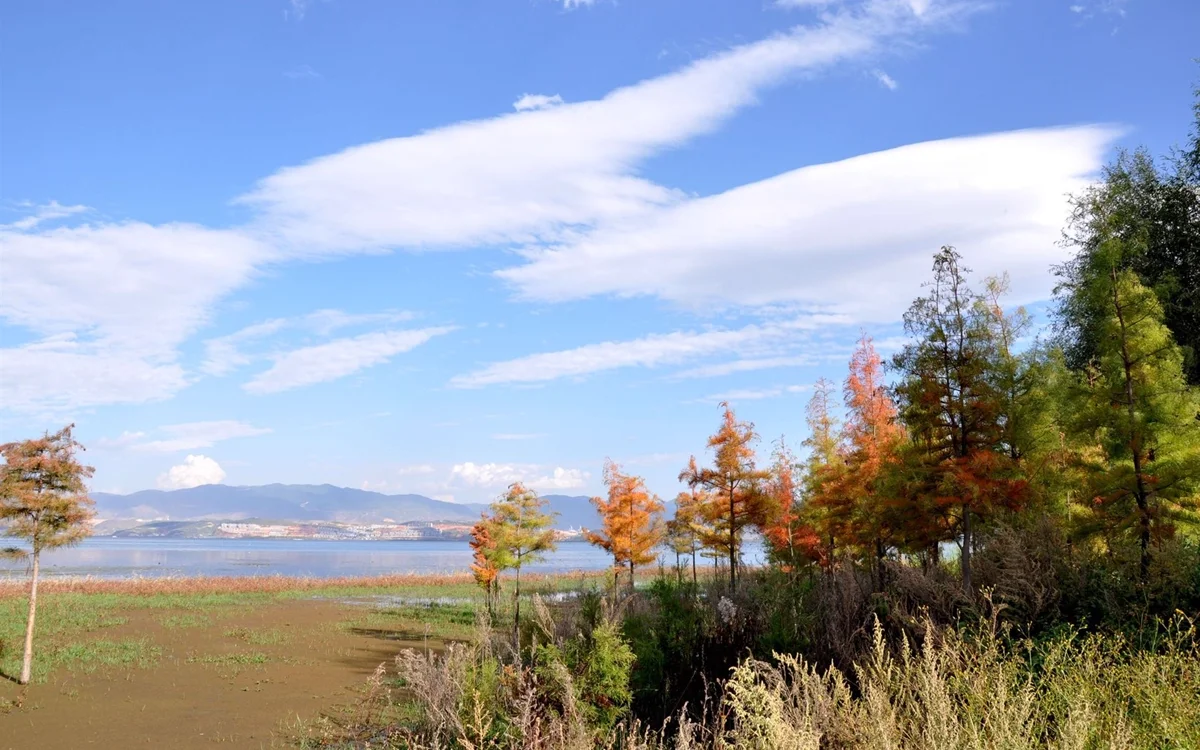
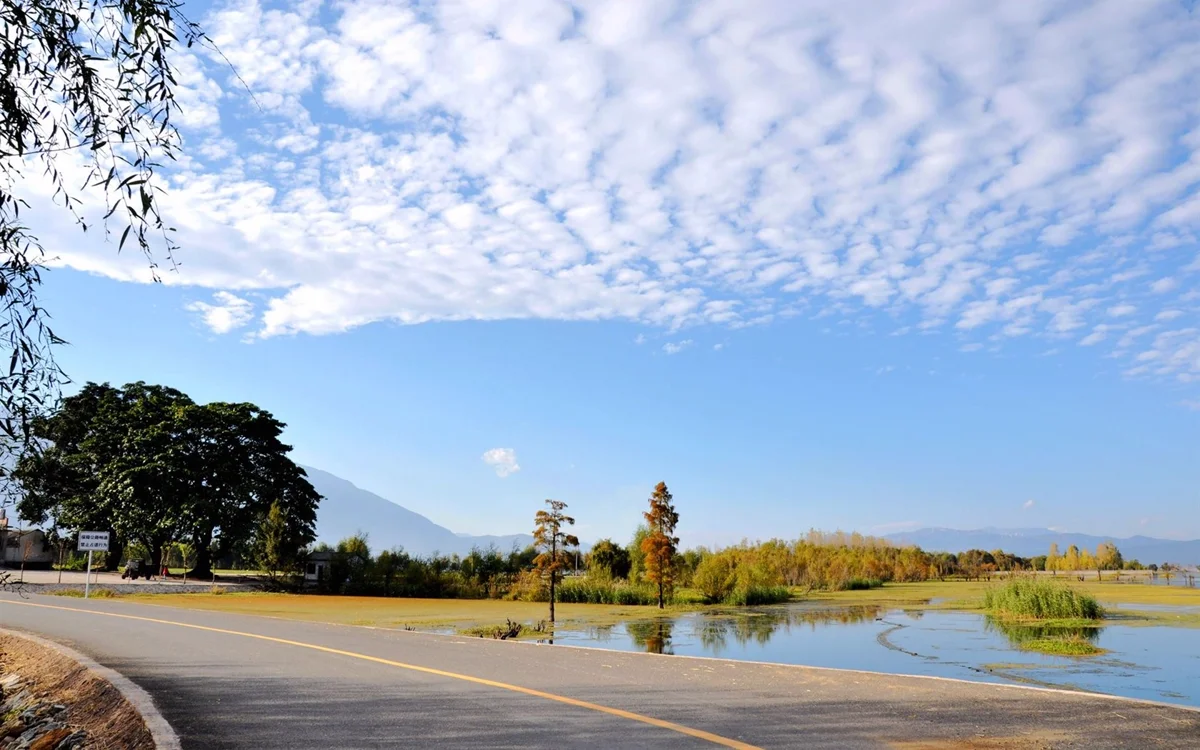
Dali was the capital of the Bai Kingdom (937-1253), a Buddhist kingdom that controlled the tea-horse trade route between Yunnan and Tibet. The Bai people still live here, recognizable by their white-and-blue embroidered clothing and triple-eaved roofs.
The Three Pagodas
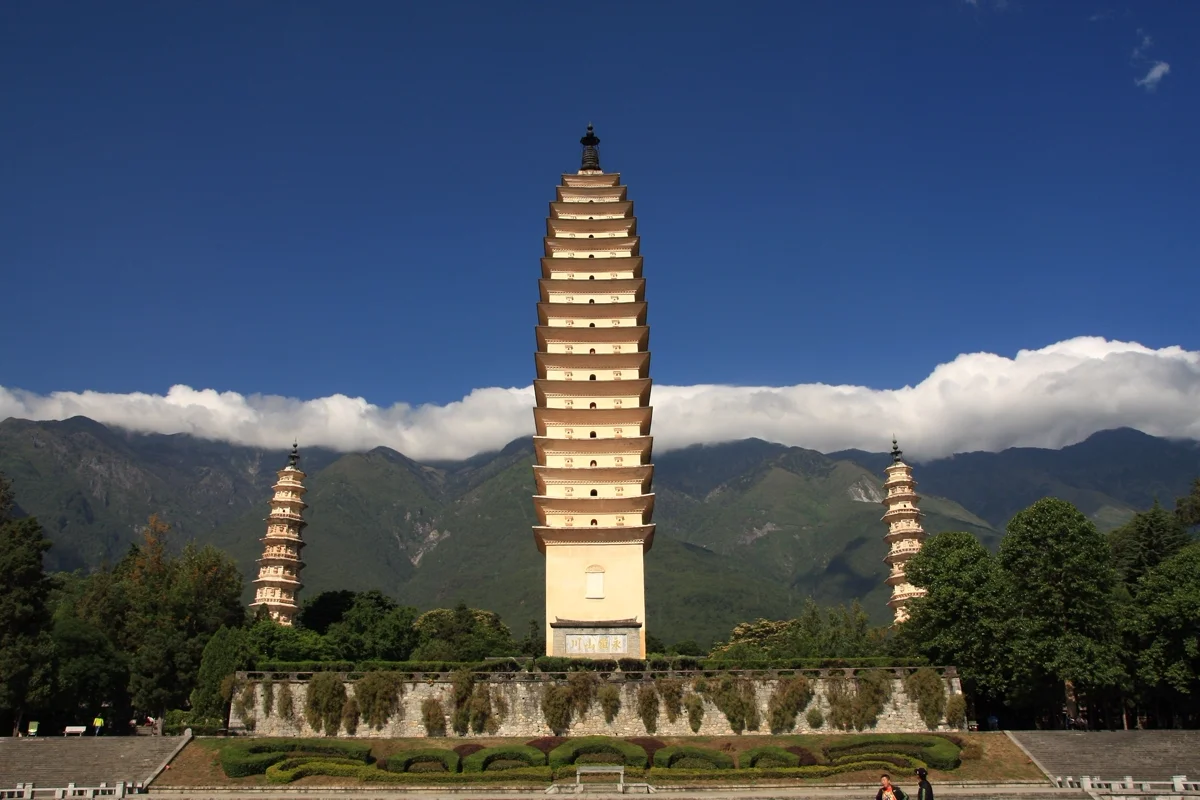
Built in the 9th and 10th centuries, these three pagodas are Dali’s most iconic sight. The central one, 69 metres tall, has survived a dozen earthquakes in 1,200 years. The reflection pond in front creates the classic photo.
| | |
|---|---|
| 馃搷 | At the foot of Cangshan, 1 km north of Dali Old Town |
|?| 8:00 AM?6:30 PM |
| 馃挵 | 楼75 (~$10) |
Erhai Lake Cycling
Rent a bicycle (楼30/day) and ride the 120 km loop around Erhai. No, not the whole thing?just the eastern shore from Dali to Xizhou. 35 km of flat lakeside road with the Cangshan range on your left and the lake on your right. Stop at every village for tea. This is Yunnan’s single best activity, in my opinion.
##Shaxi: The Town That Time Forgot
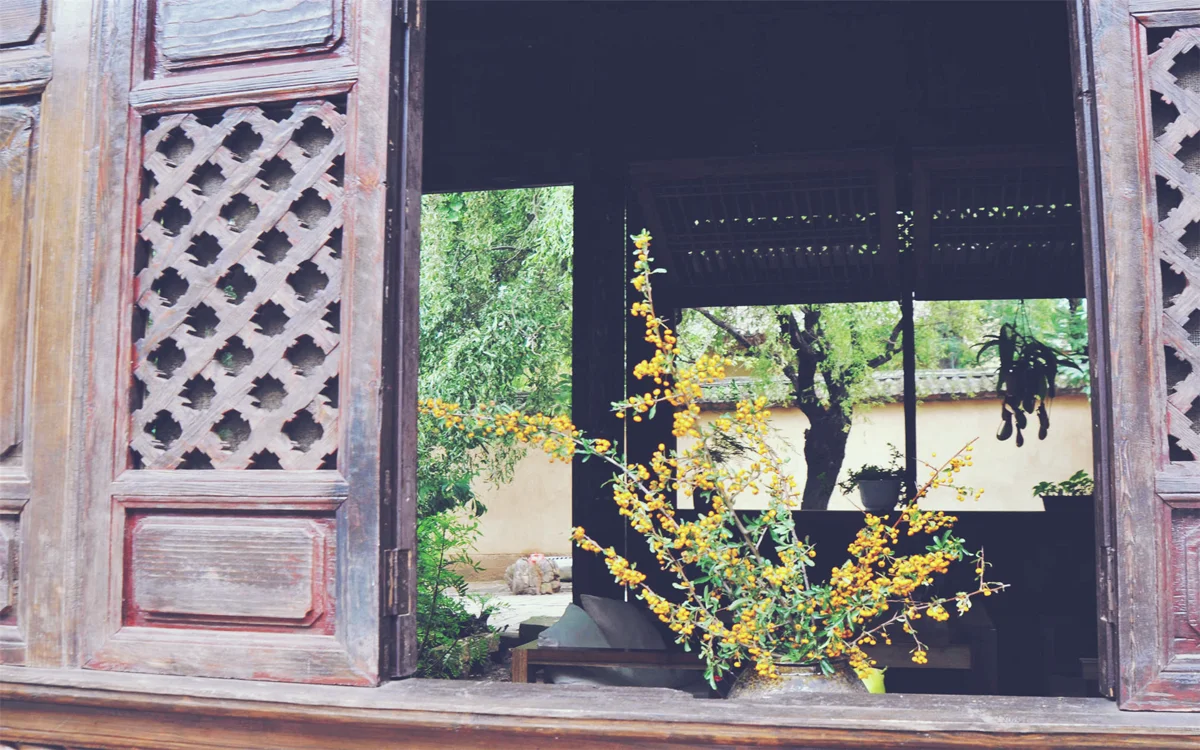
Shaxi, 2 hours north of Dali, is a restored 2,000-year-old trading post on the Tea Horse Road?the ancient caravan route that connected Yunnan to Tibet and eventually to India.
The Saturday Market here is the most authentic thing I saw in Yunnan. Naxi, Bai, and Yi farmers come down from the mountains to trade horses, herbs, and livestock. No souvenirs, no Instagram spots?just mud, noise, and life.
-
馃搷 2h bus from Dali (楼30)
-
馃挵 Free entry. Saturday market from 6 AM
-Stay at Shaxi Old Theatre Inn for the full experience
##Shangri-La & Ganden Sumtseling Monastery
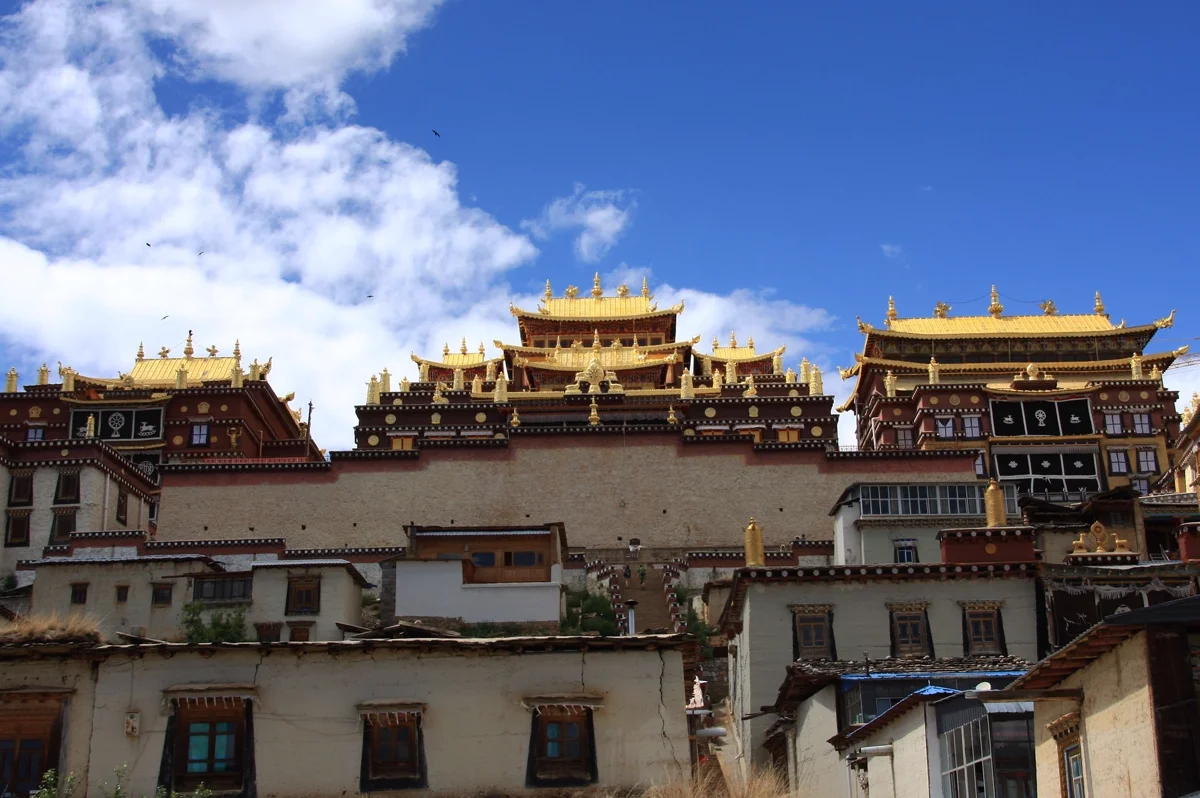
Shangri-La (formerly Zhongdian) is a Tibetan town at 3,400 metres altitude. The name was taken from James Hilton’s 1933 novel Lost Horizon, describing a mythical Himalayan paradise. The Chinese government officially renamed it in 2001 as a tourism move?and it worked.
The real treasure is Ganden Sumtseling Monastery, the largest Tibetan Buddhist monastery in Yunnan. Built in 1681, it houses 700 monks and is often called the “Little Potala Palace.” The golden roofs against the grey Tibetan sky are unforgettable.
| | |
|---|---|
| 馃殗 Getting There | 4h bus from Lijiang (楼80) |
| 馃挵 Monastery entry | 楼90 (~$12) |
| 鈿狅笍 Altitude | 3,400m. Go slow. Altitude sickness is real here |
| 馃悗 Activity | Horse trekking on the Napahai Prairie. 2h ride 楼150 |
##Lugu Lake: The Kingdom of Women
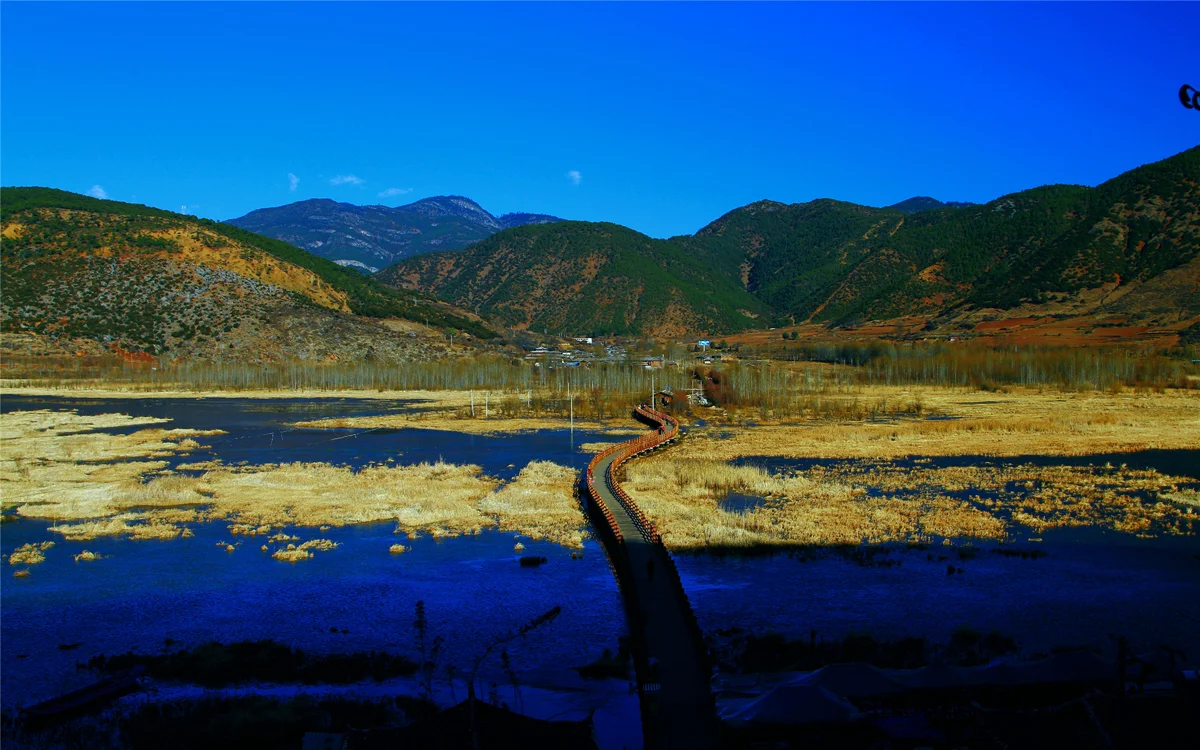
On the border between Yunnan and Sichuan, Lugu Lake is home to the Mosuo people?one of the world’s last matriarchal societies. Women run the households, make the decisions, and pass property through the female line. They practice “walking marriage”?couples don’t live together; the man visits at night, and children stay with the mother’s family.
-
馃殞 5h bus from Lijiang (楼80)
-
馃挵 Entry 楼70
-
馃泴 Lakeside guesthouses from 楼150/night
-
馃殻 Rowboat 楼50/person to the sacred island
##Practical Wisdom
Best Route: 7-Day Itinerary
| Day | Stop | Highlights |
|-----|------|-----------|
| 1 | Fly to KunmingTrain to Dali (2h) | Evening walk in Dali Old Town |
| 2 | Dali | Three Pagodas, Erhai cycling |
| 3 | DaliShaxi | Saturday market (if Sat), temple stroll |
| 4 | ShaxiLijiang | Lijiang Old Town, afternoon tea |
| 5 | Lijiang | Jade Dragon Snow Mountain, Blue Moon Valley |
| 6 | LijiangShangri-La | Ganden Sumtseling Monastery |
| 7 | Shangri-La | Napahai Prairie, fly back |
Budget Guide
| Item | Budget (楼) | Comfort (楼) |
|------|-----------|-------------|
| Accommodation/night | 100-200 | 300-600 |
| Food/day | 80-150 | 200-350 |
| Transport/day | 30-80 | 80-150 |
| 7-day total | ~2,000 ($275) | ~5,000 ($690) |
What to Pack
-
Layers (mornings at 5掳C, afternoons at 25掳C)
-
Sunscreen (UV is intense at altitude)
-
Rain jacket (sudden showers any time of year)
-
Comfortable walking shoes (uneven stone streets everywhere)
Staying Connected
Yunnan’s mountainous terrain means spotty mobile reception in rural areas. Before you go:
-
馃摫 Airalo eSIM?get one here?coverage in all towns
-
馃敀 365VPN?install before leaving?for Google Maps, which is essential for navigation here
?Epilogue: Yunnan is not a place you visit. It’s a place that changes your relationship with time. The Bai farmers still plough with oxen. The Mosuo still practice traditions that predate the Roman Empire. And the tea caravan routes are still there, buried under asphalt but not quite gone. Come with time to spare, and let the altitude slow you down. It will anyway.