Wuhan Unlocked: A Complete Guide to China’s River City
Three rivers, nine districts, and one of China’s most underrated food capitals. Wuhan sits at the exact center of the country, where the Yangtze (长江) meets the Han River (汉江), splitting the city into three distinct worlds — Wuchang (武昌), Hankou (汉口), and Hanyang (汉阳). Every dynasty left fingerprints here. Every neighborhood has its own breakfast ritual. This guide answers the questions that actually matter when planning a trip to China’s River City.
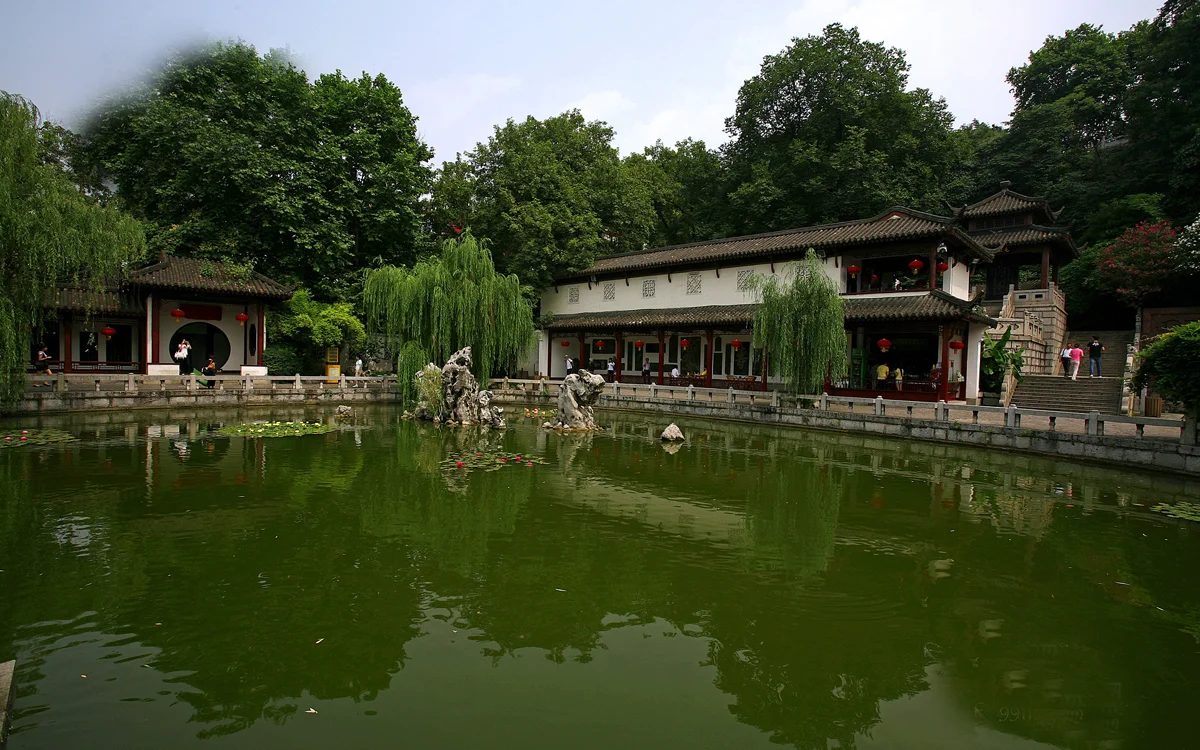
❓ How Many Days Do You Need in Wuhan?
The honest answer: 3 to 4 days covers the highlights without rushing. Wuhan is spread across three riverbanks, and crossing between them takes time — even with the metro.
2 days works if you’re tight on time: Yellow Crane Tower + East Lake on Day 1, food crawl + Hankou colonial architecture on Day 2. You’ll see the postcard version but miss the texture.
3 days is the sweet spot. Add Guiyuan Temple, a Yangtze River Bridge sunset, and one evening dedicated entirely to eating. Wuhan rewards slow mornings — the breakfast culture alone deserves unhurried attention.
4 days lets you take the ferry across the Yangtze at golden hour, visit the Hubei Provincial Museum for the ancient bells, and wander Wuhan University without checking the clock. This is the version where Wuhan stops feeling like a transit stop and starts feeling like a city you understand.
Local tip: Wuhan’s summer (July–August) is brutally hot — locals call it one of China’s “Four Furnaces” (四大火炉). If visiting in summer, plan indoor attractions for midday and save outdoor exploration for early morning or evening.
❓ What Are the Must-See Attractions?
🟡 Yellow Crane Tower (黄鹤楼)
The tower that launched a thousand poems. First built in 223 AD, the current structure dates to 1985 — a faithful reconstruction on the original Wuchang hilltop. Five stories of upturned eaves, dragon-motif tiles, and a panoramic observation deck that delivers a staggering view of the Yangtze stretching toward the horizon. The tower itself is modern, but the vantage point is timeless.
| Field | Detail |
|---|---|
| Address | Wuchang District, Snake Hill (蛇山), along the west bank of the Yangtze |
| Transport | Metro Line 5 to Huanghelou Station (黄鹤楼站), Exit A |
| Hours | 8:00 AM – 6:00 PM (Oct–Mar); 8:00 AM – 7:00 PM (Apr–Sep) |
| Price | ¥70 (~$10 USD) |
| Rating | ★★★★☆ — Iconic, but the real magic is the view, not the building |
#landmark #history #photography
The best photo angle is from the opposite bank at Wuhan Yangtze River Bridge — capturing the tower framed against the river and steel bridge. Go at sunset.
🌉 Wuhan Yangtze River Bridge (武汉长江大桥)
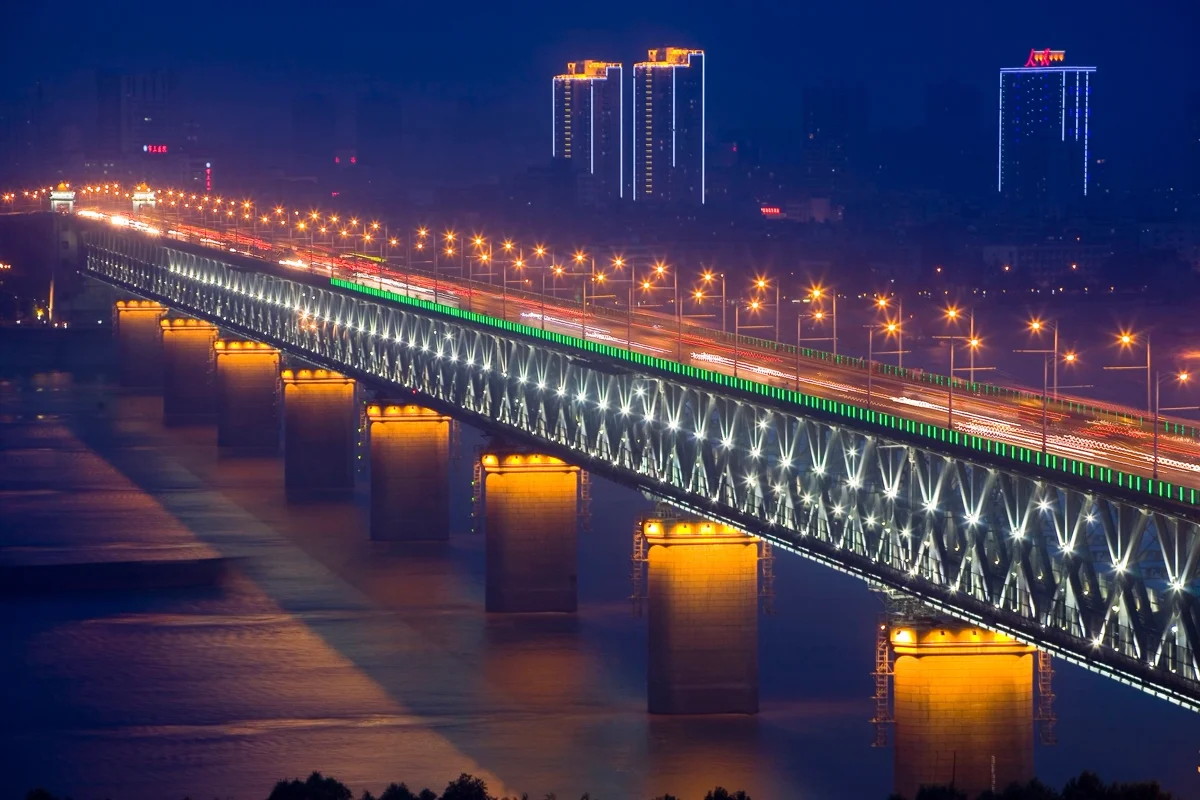
The first bridge ever built across the Yangtze River, completed in 1957 with Soviet engineering assistance. It carries both rail and road traffic — the lower deck rumbles with trains while pedestrians walk the upper level. Walking across takes about 20 minutes, and the views of both riverbanks are extraordinary. On one side, Yellow Crane Tower perches on Snake Hill. On the other, the Hanyang riverfront unfolds.
| Field | Detail |
|---|---|
| Address | Connects Wuchang (Snake Hill) to Hanyang (Tortoise Hill) |
| Transport | Walk from Yellow Crane Tower, or Metro Line 5 to Simenkou (司门口站) |
| Hours | Open 24/7; best at sunset or after dark when the bridge is lit |
| Price | Free |
| Rating | ★★★★★ — The most atmospheric walk in Wuhan |
#landmark #photography #free
Walk from the Wuchang side toward Hanyang. The breeze off the river is relentless, and watching container ships pass beneath you while trains shake the deck beneath your feet is an experience unique to this bridge.
🌊 East Lake (东湖)
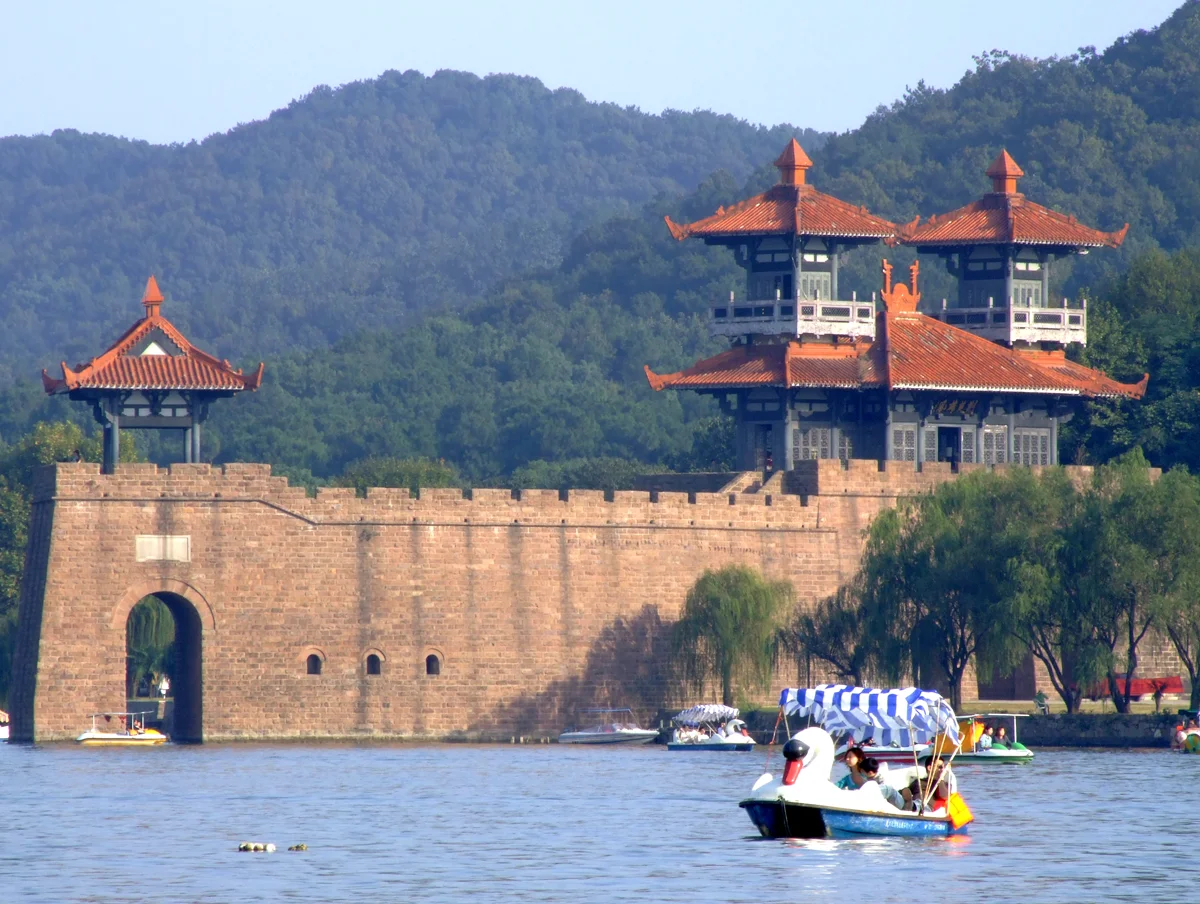
Larger than West Lake in Hangzhou by surface area, East Lake is Wuhan’s green lung — 33 square kilometers of water surrounded by walking paths, cherry blossom groves, and botanical gardens. The lake is divided into several scenic areas; the Cherry Blossom Garden (磨山樱园) and Tingtao Scenic Area (听涛景区) are the most rewarding for visitors.
| Field | Detail |
|---|---|
| Address | East Lake Scenic Area (东湖风景区), Wuchang District |
| Transport | Metro Line 8 to Zhongshan Park, then bus 402 or taxi |
| Hours | 24/7 (scenic areas: 7:00 AM – 7:00 PM) |
| Price | Free (Cherry Blossom Garden: ¥60 / ~$8.50 USD during bloom season) |
| Rating | ★★★★☆ — Peaceful, vast, and far less crowded than West Lake |
#nature #cycling #photography
Rent a bike and ride the 101-kilometer绿道 (greenway) circling the lake. The lakeside path through the cherry blossom area in late March is one of China’s most beautiful spring scenes.
🛕 Guiyuan Temple (归元禅寺)
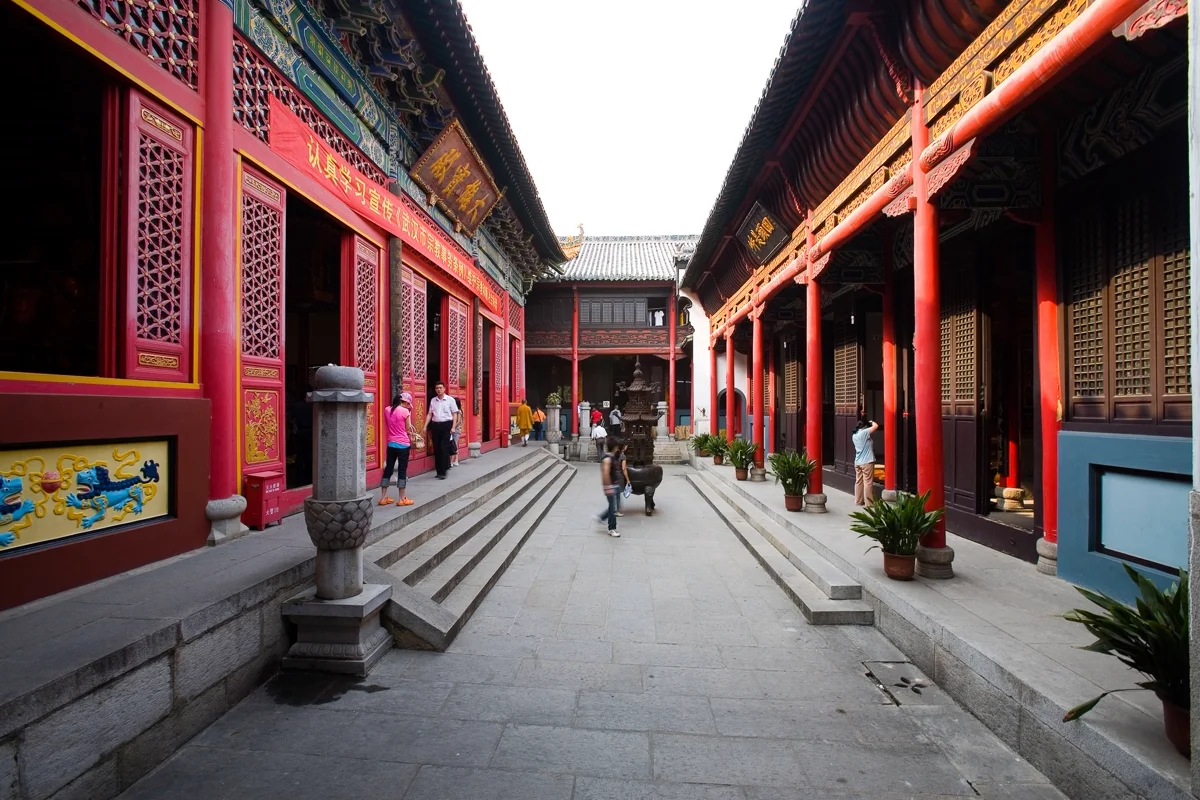
A serene Buddhist temple built in 1658, tucked into the heart of Hanyang. The highlight is the Hall of Arhats (罗汉堂), where 500 life-sized gilded statues line the walls in a bewildering maze of corridors. Each arhat has a distinct expression — joyful, stern, contemplative, mischievous. Locals come to count 500 arhats and match their age to a statue for fortune-telling.
| Field | Detail |
|---|---|
| Address | 48 Guiyuan Road, Hanyang District (汉阳区归元寺路48号) |
| Transport | Metro Line 6 to Zhongjiacun (钟家村站), then 10-min walk |
| Hours | 7:30 AM – 5:00 PM |
| Price | ¥10 (~$1.40 USD) |
| Rating | ★★★★☆ — Quiet, spiritual, and visually stunning inside |
#history #spirituality #architecture
The temple’s vegetarian restaurant serves excellent noodles and dumplings. Lunch here after exploring the halls is a contemplative way to spend an afternoon.
🏛 Wuhan University (武汉大学)
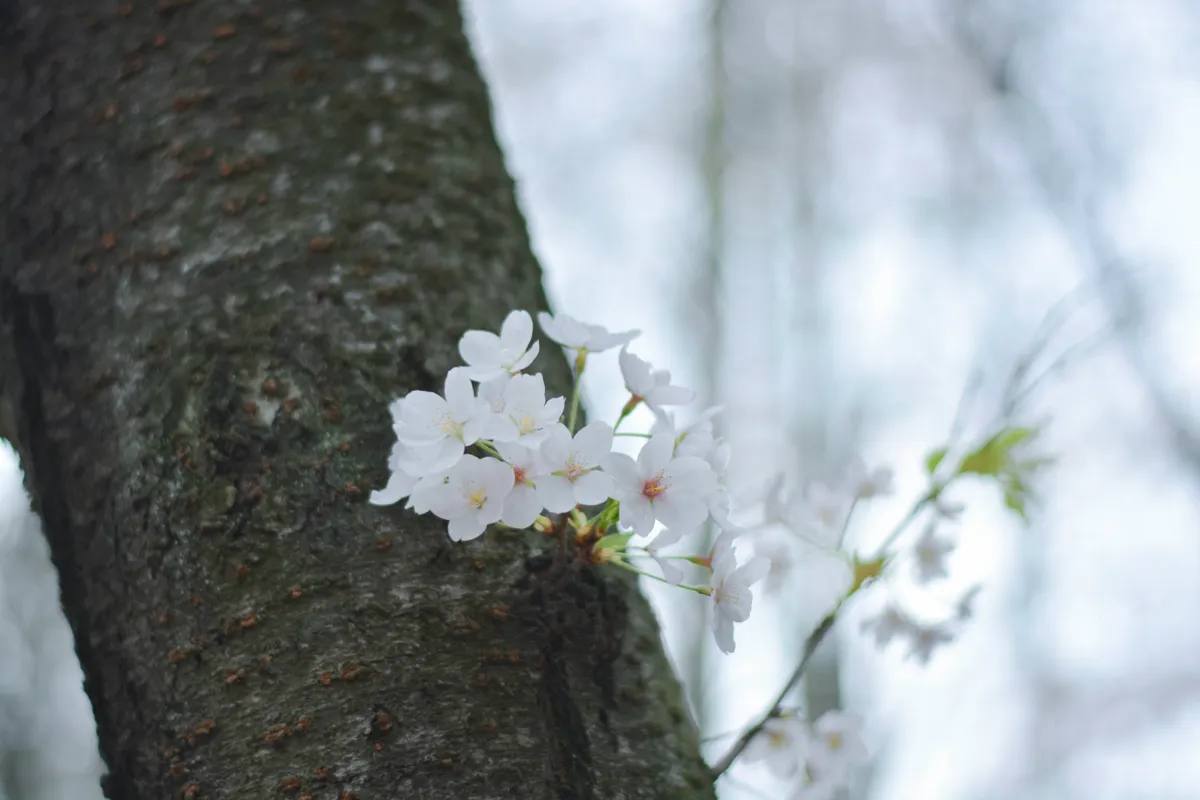
One of China’s most beautiful university campuses, famous for its early 20th-century Western-style architecture and its spectacular cherry blossom season. The main campus climbs the hillside from East Lake, with ivy-covered buildings dating to the 1930s. During cherry blossom season (late March to mid-April), the campus opens to the public and becomes a pink-and-white tunnel of blooms.
| Field | Detail |
|---|---|
| Address | Luojia Hill (珞珈山), Wuchang District |
| Transport | Metro Line 8 to Zhongshan Park, then walk 15 minutes |
| Hours | Campus open daily; cherry blossom viewing may require reservations in peak season |
| Price | Free |
| Rating | ★★★★☆ — Architectural charm and natural beauty in one |
#history #architecture #nature #free
Even outside cherry blossom season, the campus rewards a wander. The old library, the dormitories with their arched windows, and the hillside paths overlooking the lake make this a worthwhile detour.
🎵 Guqin Terrace (古琴台)
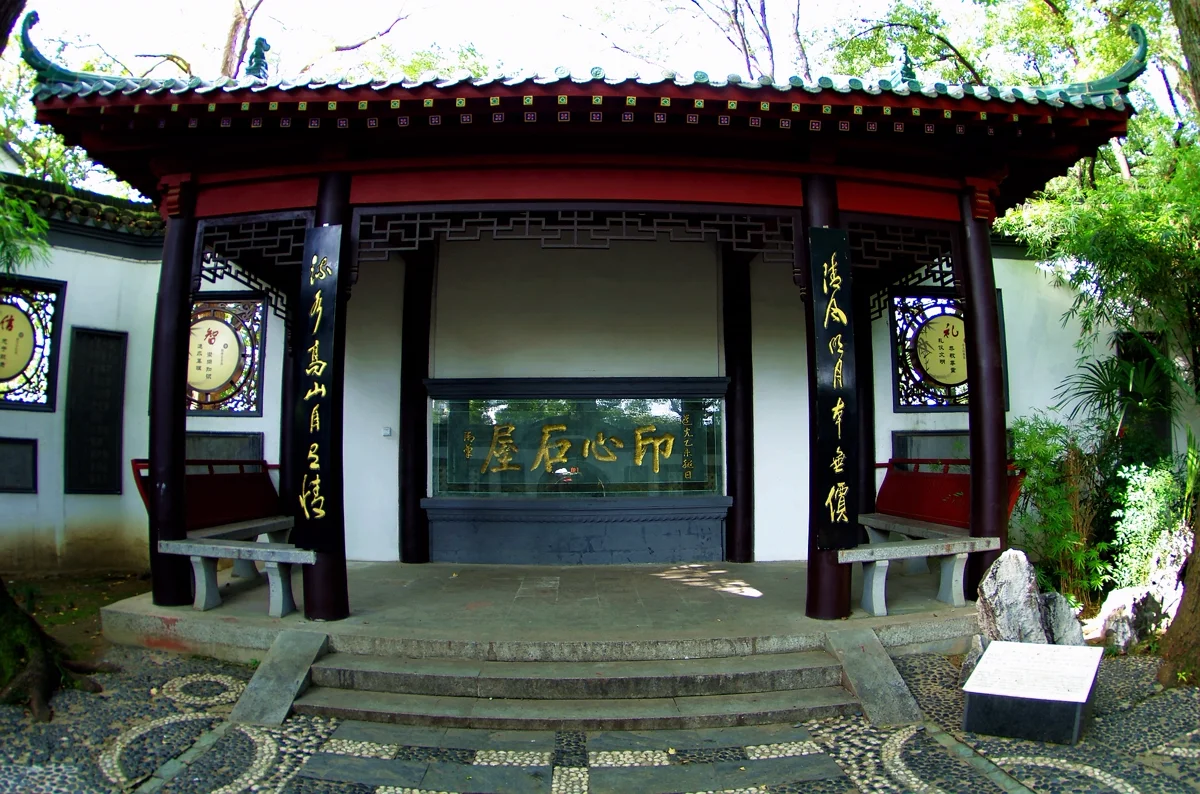
A small, elegant garden commemorating the legendary friendship between musician Yu Boya (俞伯牙) and his listener Zhong Ziqi (钟子期) — the origin of the Chinese idiom 知音 (zhīyīn), meaning “one who truly understands your music.” The terrace sits on a hillside in Hanyang, surrounded by bamboo groves and quiet pavilions. It’s the smallest attraction on this list, but the most poetic.
| Field | Detail |
|---|---|
| Address | 10 Qinyu Road, Hanyang District (汉阳区琴台路10号) |
| Transport | Metro Line 6 to Qinyu Road (琴台站) |
| Hours | 8:30 AM – 5:00 PM |
| Price | ¥15 (~$2 USD) |
| Rating | ★★★☆☆ — Small but meaningful; best combined with Guiyuan Temple |
#history #culture #garden
Visit Guiyuan Temple in the morning, then walk or take a short metro ride to Guqin Terrace. The two pair beautifully — one Buddhist, one Confucian — on the same Hanyang hillside.
❓ What’s the Food Scene Like?
Wuhan is a city that wakes up early specifically to eat. The local breakfast culture, known as 过早 (guòzǎo — literally “crossing into morning”), is one of the most vibrant and varied in all of China. Locals will tell you: you can eat a different breakfast every morning for a month without repeating.
🍜 Hot Dry Noodles (热干面)
The undisputed king of Wuhan breakfast. Thick alkaline noodles tossed in a rich sesame paste (芝麻酱), topped with pickled vegetables, chili oil, scallions, and sometimes beef. The texture is dense, nutty, and slightly chewy — nothing like the soupy noodles of southern China. Every stall has its own ratio of sesame paste to chili; finding your favorite is a personal quest.
| Field | Detail |
|---|---|
| Where to try | Cai Lin Ji (蔡林记) — the most famous chain, multiple locations |
| Address | Main branch: 49 Hubu Lane, Wuchang District (户部巷49号) |
| Price | ¥8–12 (~$1–1.70 USD) |
| Best time | Before 9:00 AM when it’s freshest |
#food #street-food #breakfast
The best hot dry noodles aren’t at tourist hubs. Ask your hotel concierge where they eat breakfast — the answer will be a nameless stall near their home.
🥟 Wuhan-Style Breakfast Spread (过早)
Hot dry noodles are just the opening act. A proper 过早 session might include:
- 三鲜豆皮 (Sānxiān Dòupí) — Crispy mung bean pancake wrapped around rice, pork, and mushrooms. Golden, crunchy, savory.
- 面窝 (Miànwō) — A donut-shaped fried dough ring, crispy outside, soft inside, dusted with sesame. Best eaten hot from the wok.
- 糊汤粉 (Hútāng Fěn) — Rice noodle soup in a thick, savory fish broth. Comfort food at its most elemental.
- 汤圆 (Tāngyuán) — Glutinous rice balls in sweet broth. A dessert-breakfast hybrid Wuhan does with particular flair.
| Field | Detail |
|---|---|
| Where to try | Hubu Lane (户部巷) for tourist-friendly variety; local stalls near residential areas for the real deal |
| Price range | ¥5–15 per item (~$0.70–$2 USD) |
| Hours | Most stalls open 6:00–10:00 AM; some close by noon |
#food #breakfast #street-food
The golden rule of Wuhan breakfast: never eat the same thing two days in a row. There are too many options.
🦆 Duck Neck (鸭脖)
Wuhan’s signature snack. Spicy, numbing, and deeply seasoned — locals eat it as street food, bar food, and everything in between. The two most famous brands are Jingwu (精武) and Zhou Hei Ya (周黑鸭), both originating in Wuhan. Jingwu leans Sichuan-spicy; Zhou Hei Ya is sweeter with a distinctive glaze.
| Field | Detail |
|---|---|
| Where to try | Zhou Hei Ya (周黑鸭) — available in supermarkets and specialty shops citywide |
| Price | ¥15–30 per portion (~$2–4 USD) |
| Best for | Evening snacking, beer pairing, train journeys |
#food #snack #spicy
Buy a box to take home. It packs well and makes an excellent gift — if your friends can handle the heat.
🐟 River Fish (江鱼)
The Yangtze and Han rivers supply Wuhan with an abundance of freshwater fish. Dishes range from delicate steamed varieties to fiery braised preparations. Look for 长江鮰鱼 (Yangtze catfish), 清蒸武昌鱼 (steamed Wuchang bream — the fish that gave the city its ancient name), and 红烧鮰鱼 (braised catfish in soy sauce).
| Field | Detail |
|---|---|
| Where to try | Jianguo Road restaurant row; riverside restaurants in Hanyang |
| Price | ¥60–150 per fish dish (~$8.50–$21 USD) |
| Best time | Dinner; many fish restaurants are seasonal |
#food #river-cuisine #dinner
The steamed bream (武昌鱼) is lighter than you’d expect — delicate white flesh with ginger and scallion. Order it simply prepared to taste the river.
❓ Where Should I Stay?
Wuhan’s three-bank geography means your choice of district shapes your entire trip. Each has a distinct character.
🏨 Wuchang (武昌) — Culture & History Hub
Best for: Sightseeing, museums, university culture. Home to Yellow Crane Tower, East Lake, Wuhan University, and the Hubei Provincial Museum. The most “tourist-friendly” district with the best concentration of attractions.
| Field | Detail |
|---|---|
| Hotel range | ¥200–600/night (~$28–$85 USD) |
| Metro access | Lines 4, 5, 8 |
| Vibe | Academic, cultural, slightly more polished |
#stay #culture
🏨 Hankou (汉口) — Colonial Charm & Nightlife
Best for: Architecture lovers, food hunters, nightlife. The old foreign concession district, with Art Deco buildings, European-style blocks, and the city’s best bar scene along Jianghan Road. Also home to Wuhan Tianhe Airport’s train link.
| Field | Detail |
|---|---|
| Hotel range | ¥250–800/night (~$35–$113 USD) |
| Metro access | Lines 1, 2, 3, 6 |
| Vibe | Cosmopolitan, historic, energetic after dark |
#stay #nightlife #architecture
🏨 Hanyang (汉阳) — Quiet & Budget-Friendly
Best for: Budget travelers, temple visits. The least touristy bank, with Guiyuan Temple and Guqin Terrace. Fewer hotel options but significantly cheaper, and still well-connected by metro.
| Field | Detail |
|---|---|
| Hotel range | ¥150–400/night (~$21–$56 USD) |
| Metro access | Lines 4, 6 |
| Vibe | Residential, local, affordable |
#stay #budget
Recommendation: Stay in Wuchang for the first two nights (attraction-heavy) and Hankou for the last night (food crawl + departure logistics). The metro connects all three banks efficiently.
❓ How Do I Get Around?
🚇 Metro
Wuhan’s metro system is extensive and efficient — 12 lines covering most major areas. A single ride costs ¥2–7 depending on distance (~$0.30–$1 USD). Buy a Transit Card (交通卡) at any station for convenience, or use WeChat/Alipay QR codes.
| Line | Highlights |
|---|---|
| Line 2 | Hankou to Wuchang via the Yangtze tunnel; airport express |
| Line 5 | Direct to Yellow Crane Tower |
| Line 6 | Hanyang — Guiyuan Temple, Guqin Terrace |
| Line 8 | East Lake, Wuhan University |
⛴ Ferry
The Yangtze River Ferry (轮渡) is Wuhan’s most atmospheric transit option. The 15-minute crossing from Hankou’s Zhonghua Road Wharf (中华路码头) to Wuchang costs ¥1.50 (~$0.20 USD) and gives you a water-level view of both riverbanks and the bridge above. Runs from approximately 7:00 AM to 10:30 PM.
🚕 Taxi & Rideshare
Didi (滴滴) works throughout Wuhan. Base fare: ¥8 (~$1.10 USD) for the first 3 km, then ¥1.80/km. During rush hour, the metro is almost always faster than a car.
🚲 Bike Share
Hellobike and Meituan bikes are everywhere. East Lake’s greenway is the ideal cycling route — flat, scenic, and bike-friendly.
❓ When Is the Best Time to Visit?
| Season | Months | Experience | Notes |
|---|---|---|---|
| Spring | March – May | Cherry blossoms, mild weather | Late March is peak cherry blossom at Wuhan University and East Lake. Book early. |
| Summer | June – August | Hot, humid | Temperatures regularly exceed 38°C (100°F). One of China’s “Four Furnaces.” |
| Autumn | September – November | Crisp air, comfortable temps | The most pleasant weather. Osmanthus flowers bloom. Fewer tourists. |
| Winter | December – February | Cold, damp | Not extreme by northern standards, but the dampness makes it feel colder. Fewer crowds. |
Best overall: Late March (cherry blossoms) or October (autumn clarity).
If you must visit in summer, embrace the 过早 culture fully — start your day at 6:00 AM, retreat indoors by noon, and emerge after 5:00 PM. Wuhan evenings by the river are magnificent.
❓ What’s the Budget Like?
Wuhan is remarkably affordable for a city of its size and cultural depth.
Daily Budget Breakdown
| Category | Budget Traveler | Mid-Range | Comfort |
|---|---|---|---|
| Accommodation | ¥100–150 (~$14–21) | ¥300–500 (~$42–70) | ¥600–1000 (~$85–141) |
| Food | ¥50–80 (~$7–11) | ¥100–200 (~$14–28) | ¥200–400 (~$28–56) |
| Transport | ¥20–30 (~$3–4) | ¥40–60 (~$6–8) | ¥80–120 (~$11–17) |
| Attractions | ¥50–80 (~$7–11) | ¥80–150 (~$11–21) | ¥150–250 (~$21–35) |
| Daily total | ¥220–340 (~$31–48) | ¥520–910 (~$73–128) | ¥1030–1770 (~$145–250) |
For a 3-day trip:
- Budget: ¥660–1,020 (~$93–$144)
- Mid-range: ¥1,560–2,730 (~$220–$385)
- Comfort: ¥3,090–5,310 (~$436–$750)
Money-saving tips: Street breakfast costs almost nothing. Most temples and parks are free or near-free. The ferry is cheaper than any coffee. Wuhan is a city where the best experiences are the cheapest.
Final Notes
Wuhan doesn’t try to impress you with glitter. It impresses you with depth — the kind that comes from 3,500 years of continuous habitation at the crossroads of a continent. The city was ground zero for modern Chinese history in 2011 (the Wuchang Uprising), survived devastating floods, rebuilt itself after the 2020 pandemic, and emerged with its food culture intact and its people as fiercely proud as ever.
Come for the hot dry noodles. Stay for the river sunsets. Leave understanding why locals say: “吃在武汉” — eating is what Wuhan does best.
Last updated: July 2026. Prices are approximate and subject to seasonal variation. Always verify opening hours and ticket prices before visiting.