Climbing Mount Tai: An Honest Guide to Hiking China’s Most Sacred Peak 🏔️☀️
📅 Version 1.0 · 📍 Solo / Couple / Friends · ⏱️ 2 Days
🎯 Before You Go
I’ve climbed Mount Tai more times than I can count — for the sunrise, for the autumn colors, once even in a blizzard. And every single time, I come away with something new. This isn’t just a hike. This is the mountain where 72 emperors came to perform rituals, where Confucius himself gazed at the world below, where UNESCO said “yes, this matters” back in 1987. At 1,545 meters, it’s not the tallest peak in China — not even close — but what it lacks in height, it makes up for in pure historical weight.
The thing about Mount Tai is: everyone has an opinion on how to do it. Take the cable car? Start at midnight? Sleep on the summit? I’ve tried every variation, and I’m going to tell you exactly what I think works best.
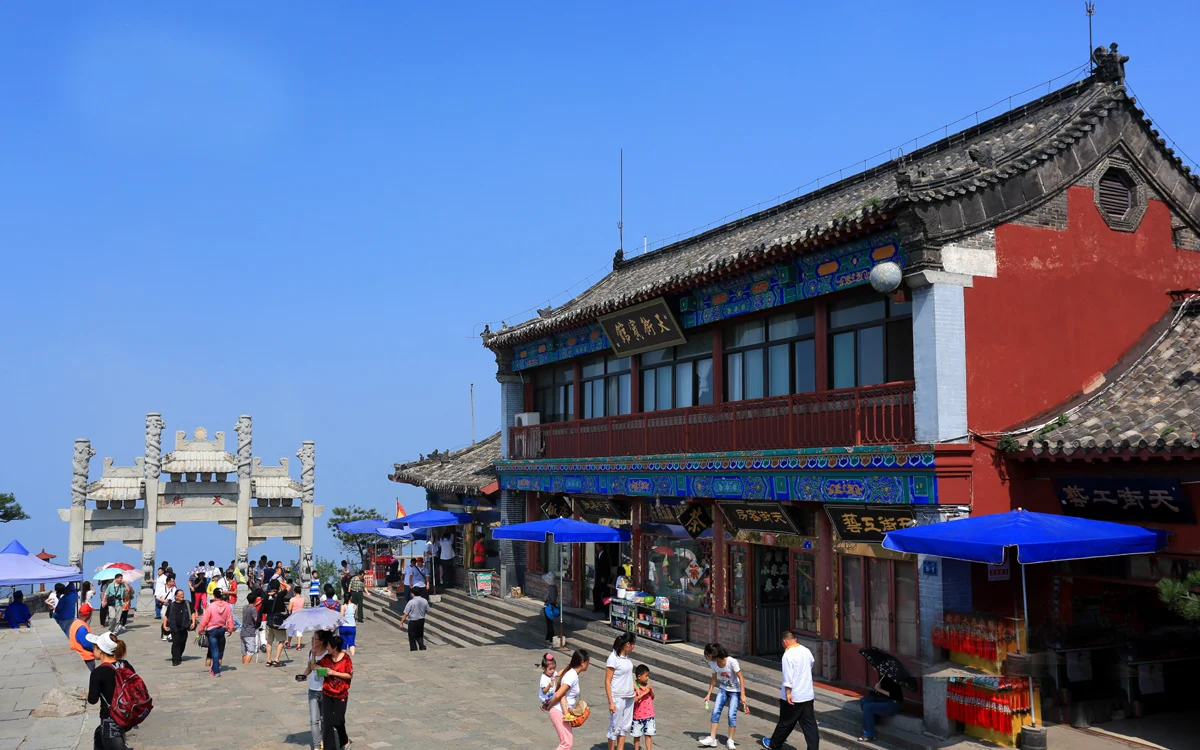
The stone steps alone tell the story — over 6,000 of them, worn smooth by millions of pilgrims over millennia. Some sections are genuinely steep enough to make your legs burn and your lungs protest. But that’s the point. You earn this mountain.
Must-Have Apps
- Alipay / WeChat Pay — cash is basically dead on the mountain. Every vendor, every jacket rental, every bottle of water takes mobile payment.
- Baidu Maps — Google Maps doesn’t work reliably in China. Baidu is your friend for navigating Tai’an and the mountain trails.
- A good flashlight or headlamp — if you’re doing the night hike (more on that later), this is non-negotiable.
Best Season to Visit
April through June is golden — wildflowers blooming, comfortable temperatures, and the sea of clouds is most dramatic. September through October brings crisp autumn air and stunning foliage. Summer is brutally hot on the lower trails and the summit guesthouses get packed. Winter is beautiful but cold — minus 15°C at the top, and some facilities close. Avoid Chinese national holidays (May 1st, October 1st) at all costs — the mountain becomes a human conveyor belt.
📅 Day 1: The Ascent 🧗
The Classic East Route — Why This One
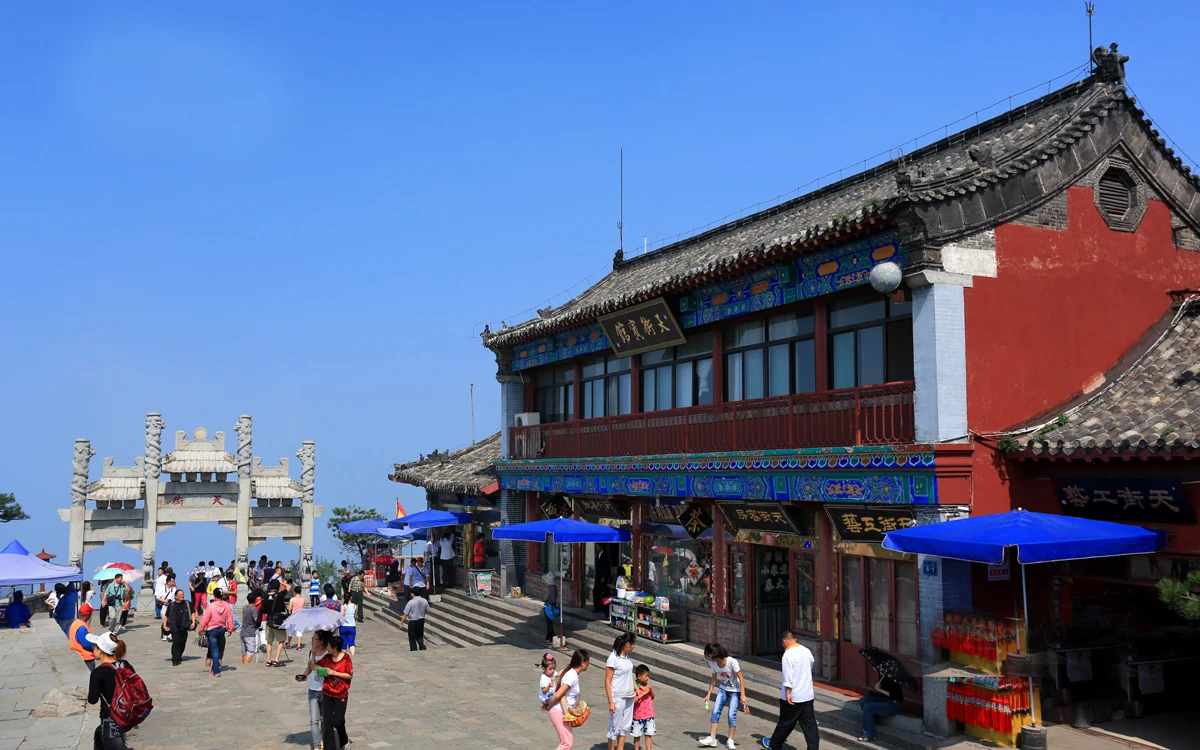
There are three main routes up Mount Tai. The East Route is the classic one — the one the emperors took, the one most pilgrims use, and honestly, the one I recommend for your first time. It starts at Dai Temple in Tai’an city and winds up through Red Gate Palace, past the Halfway Gate, through the infamous “18 Bends” (十八盘), and finally through South Heaven Gate to the summit.
The other routes exist — the Middle Route is shorter but steeper, the West Route is quieter and more scenic — but the East Route gives you the full historical experience. You pass temples, inscriptions, and ancient cypress trees that have been standing for over 2,000 years.
Dai Temple (岱庙) — Start Here
Most people skip Dai Temple, and that’s a mistake. This is the largest ancient temple complex in Shandong province, and it was where emperors stayed before beginning their ascent. The architecture is Song Dynasty style, the halls are massive, and the cypress trees are older than most countries. I usually spend about 45 minutes here — enough to appreciate it without burning time you’ll need for the climb.
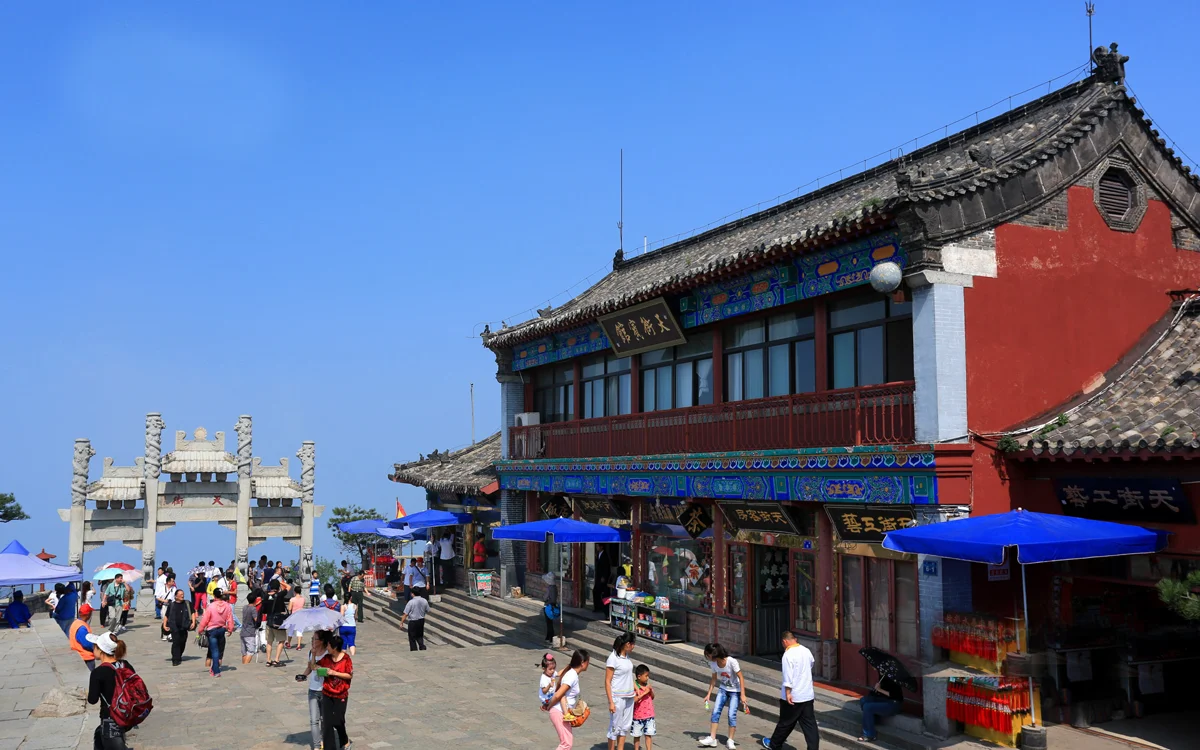
- 📍 Location: Taian city center, at the foot of Mount Tai
- 🚇 Getting There: High-speed rail to Taian Station, then bus or taxi 15 minutes
- ⏰ Open: 8:00 AM – 5:30 PM (last entry 5:00 PM)
- 💰 Entry: ¥30 / ~$4 (separate from mountain entry)
The Hike: Red Gate → South Heaven Gate
From Dai Temple, you walk about 15 minutes to the Red Gate (红门), which is the official starting point of the East Route trail. From here, the real climb begins.
The trail breaks down roughly like this:
Red Gate to Midway Gate (中天门) — about 2 hours. This is the “easy” part. Well-paved steps, lots of shade, temples and shops along the way. You’ll pass the King of Earth Palace, the Doumu Palace, and several tea houses where you can rest. I usually stop for tea at one of these — it’s touristy, yes, but sitting on a mountainside drinking tea while watching other hikers struggle past is its own reward.
Midway Gate to South Heaven Gate (南天门) — about 2 hours, and this is where it gets real. The infamous “18 Bends” (十八盘) is a section of 1,827 steps carved into the mountain face, rising almost 400 meters at an angle that will make your calves scream. I’m not going to sugarcoat it — by this point, your legs will feel like concrete and you’ll question every life decision that brought you here. But push through. The moment you pass through South Heaven Gate and see the summit spread out before you, it’s all worth it.
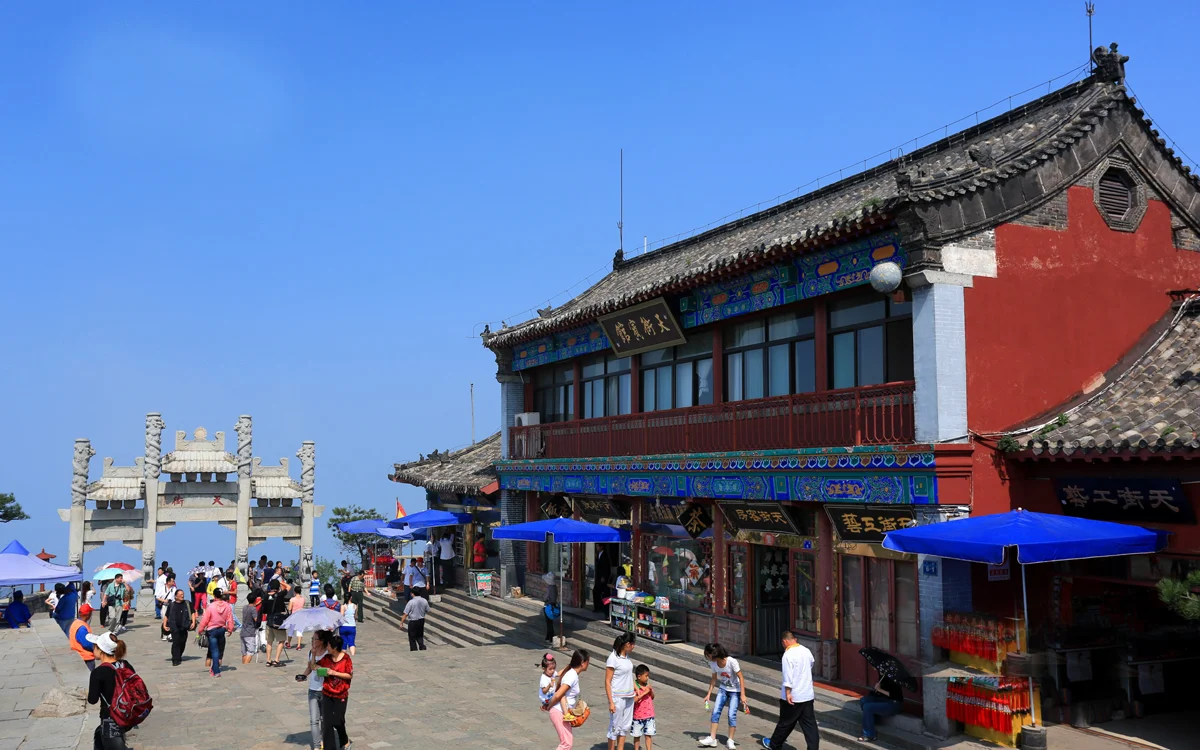
Total time: 4-6 hours depending on fitness and how many stops you make.
Pro tip from someone who’s done this too many times: Don’t start too early. If you leave Red Gate at 6 AM, you’ll hit the 18 Bends at noon in the summer heat, and that’s miserable. I prefer starting around 8-9 AM — you reach the summit in the late afternoon, have time to settle in, and catch the sunset.
The Cable Car Option
Look, I get it. Not everyone wants to spend 4-6 hours climbing. The cable car runs from Midway Gate to South Heaven Gate — ¥100 / ~$14 one way. It saves you about 2 hours of the toughest climbing. But here’s what you miss: the 18 Bends experience, the sense of accomplishment, and the trail-side temples that are genuinely interesting.
My honest take: if you’re physically able, walk up. You’ll thank yourself at the summit. If you have knee problems or time constraints, take the cable car up and walk down — the descent is much easier on the body.
Summit Accommodation — Book Ahead!
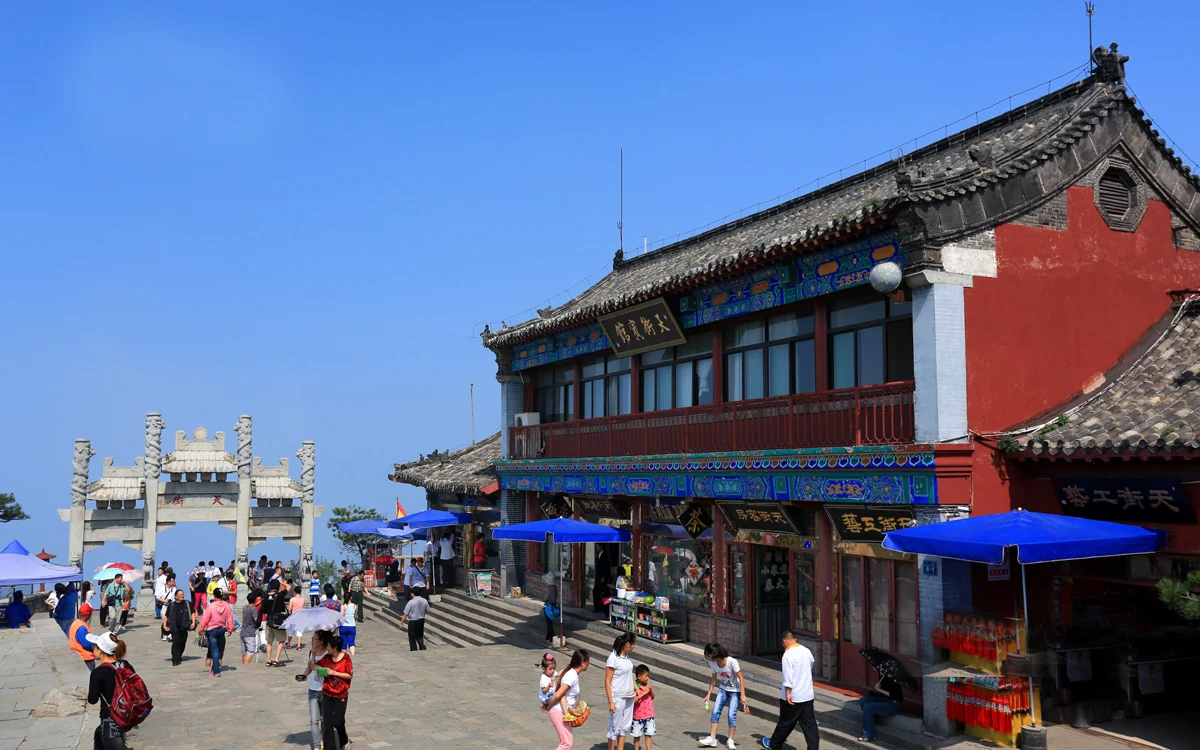
You need to sleep on the summit if you want to see the sunrise. There are several guesthouses near the top — prices range from ¥200-600 / ~$28-85 per night depending on the season and how nice the room is. I’ve stayed in a few of them:
- Tai Shan Hotel (泰山宾馆) — the “fanciest” option, ¥400-600 / ~$56-85. Decent beds, hot water, but don’t expect luxury.
- Various smaller guesthouses — ¥200-300 / ~$28-42. Basic but functional. Some have shared bathrooms.
Book ahead — seriously. In peak season, summit rooms sell out weeks in advance. I once showed up without a reservation and ended up sleeping on a plastic chair in a convenience store. Not my finest moment.
Evening: Sunset from Jade Emperor Peak
After checking in, walk to Jade Emperor Peak (玉皇顶) — the highest point at 1,545 meters. The sunset from here is spectacular. On clear days, you can see the Tai’an plain stretching out below, golden in the dying light. I usually bring a thermos of tea and just sit there watching the sky change colors. It’s one of those moments that reminds you why you climbed 6,000 steps.
📅 Day 2: Sunrise + Descent 🌅
The Sunrise — The Main Event
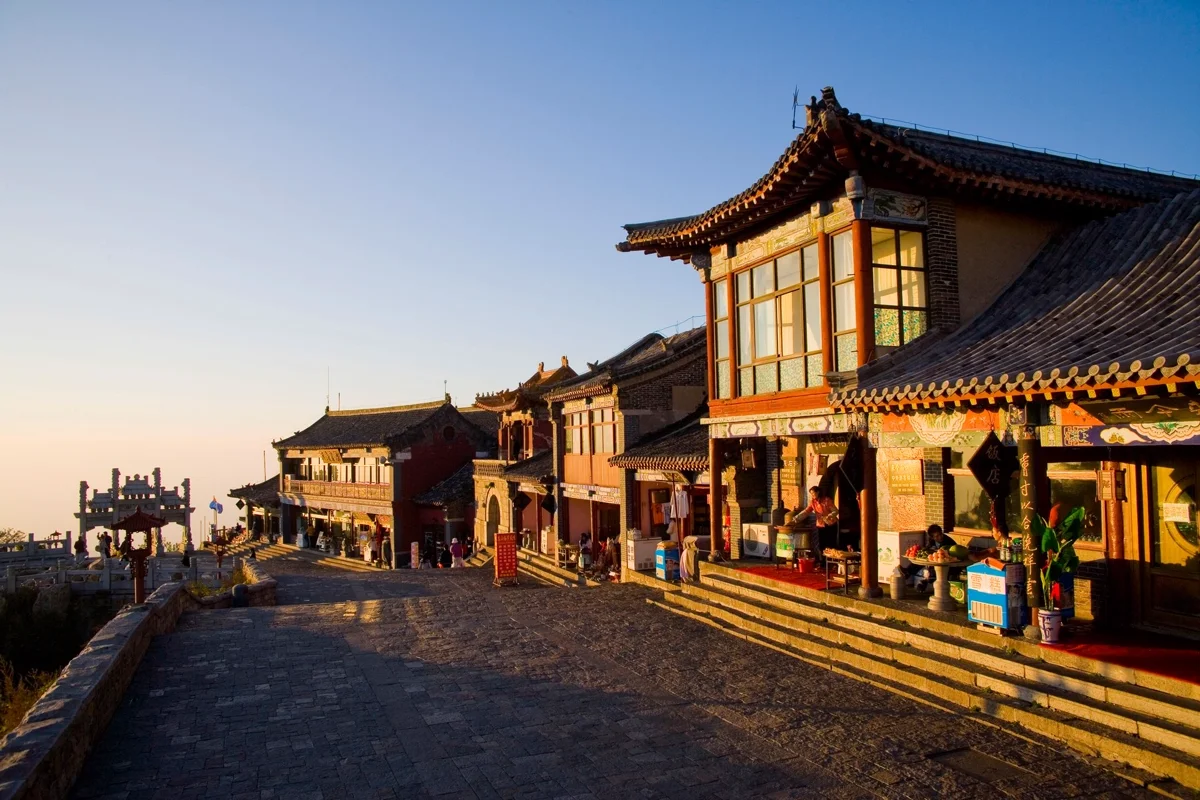
This is why people climb Mount Tai. I’m not exaggerating when I say the sunrise here is one of the most unforgettable natural spectacles I’ve ever witnessed.
5:00 AM wake-up. Yes, it’s brutal. Yes, you’ll be groggy. Put on every layer you have (or rent a coat at the summit for ¥30 / ~$4 — they’re ugly but warm), and start walking to the sunrise viewing platform. It’s about a 20-30 minute walk from most guesthouses.
The walk in the dark is part of the experience. You’ll be surrounded by hundreds of other people, all trudging up with flashlights, all here for the same reason. There’s something beautifully communal about it — strangers helping each other over steps, sharing warm drinks, pointing out stars.
Sunrise time varies by season: roughly 5:00 AM in summer, 6:30 AM in winter, around 6:00 AM in spring and autumn. Check the exact time before you go.
What you’ll see: The sky turns from deep indigo to pink to gold. Then the sun crests the horizon, and — this is the magic part — if there are clouds below the summit, you get the legendary “sea of clouds” (云海). The peaks poke through the white mist like islands in an ocean. I’ve seen it maybe 5 times out of 15+ visits, and every single time, I just stand there with my mouth open. It’s that good.
Bixia Temple (碧霞祠) — The Mother of Mount Tai
After the sunrise, walk to Bixia Temple, dedicated to Bixia Yuanjun — the Goddess of Mount Tai. This temple has been here since the Song Dynasty, and it’s the most important Taoist temple on the mountain. The main hall is beautiful, with intricate carvings and the smell of incense filling the air.
- 📍 Location: Near the summit, about 15 minutes from the sunrise platform
- 🎫 Entry: Included with mountain ticket
- ⏰ Open: 24 hours (but best visited 7:00 – 17:00)
Cliff Inscriptions — Li Bai Was Here
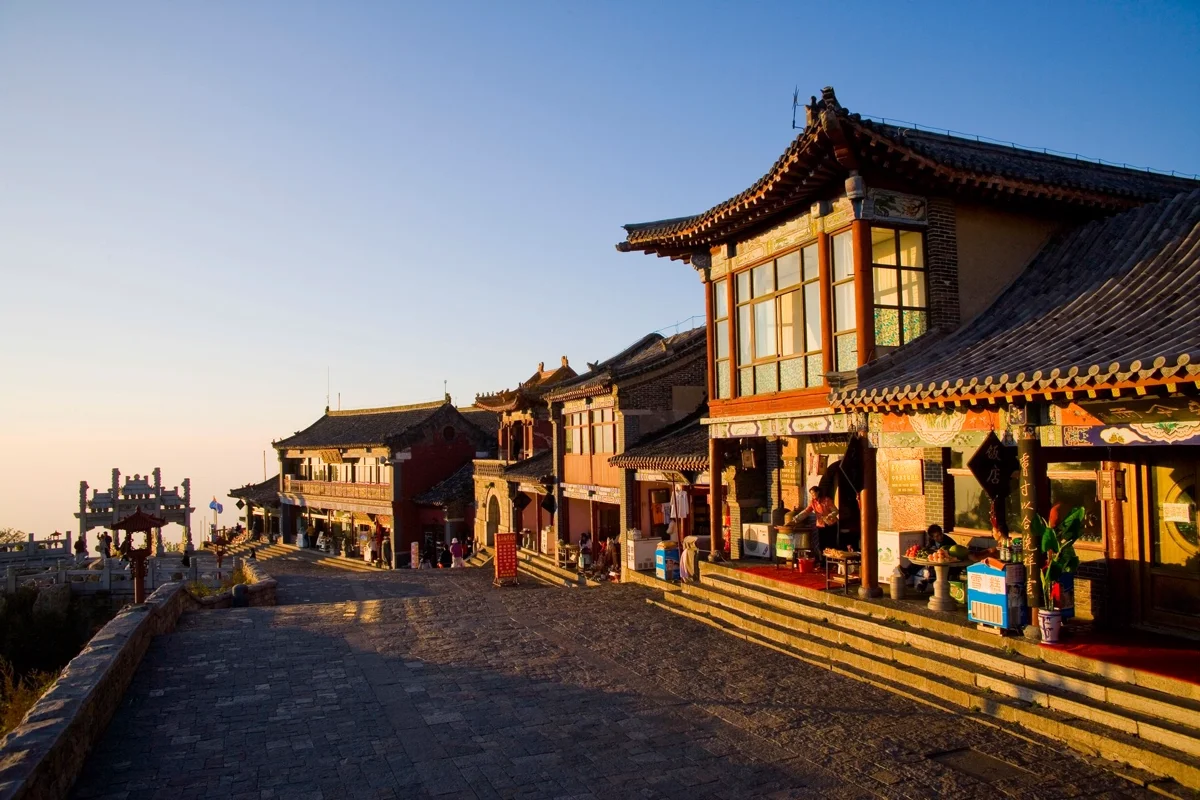
Mount Tai has thousands of stone inscriptions carved into cliffs and boulders along the trails. The most famous is “Enjoying the Small World” (一览众山小) by the Tang Dynasty poet Du Fu, though Li Bai also left his mark here. Walking along the summit and spotting these inscriptions — some barely legible after centuries of weathering — is like leafing through a living history book.
I always tell people to slow down here. Most hikers rush past the inscriptions on their way to or from the sunrise. But if you take 20 minutes to really look at them, to read the translations (there are usually plaques nearby), you’ll connect with something deeper than just a pretty view.
The Descent: Western Route or Cable Car
You have two choices for getting down:
Western Route (西路) — About 3-4 hours, less crowded, and genuinely different scenery. It’s quieter, more forested, and has a different feel from the East Route. I actually prefer this route for descent because the views are more intimate and you avoid the human traffic jam of the 18 Bends. If your knees are okay, this is the move.
Cable Car Down — ¥100 / ~$14. Takes about 10 minutes. No shame in this — after a night hike and a sunrise, your body might be telling you it’s done. The Midway Gate cable car is the most common descent option.
🥾 Trail Tips from Someone Who’s Been There
A few things I’ve learned the hard way:
- Rent a summit coat — ¥30 / ~$4. The summit is 5-10°C colder than the base. Even in summer, it’s chilly at 5 AM when you’re watching the sunrise. The rental coats are bright orange and unflattering, but warm.
- Bring water and snacks — There are shops along the trail, but prices go up dramatically the higher you get. A bottle of water at the base might be ¥2; at the summit, it’s ¥10. I usually bring 2-3 liters and some energy bars.
- Walking poles help — Especially for the 18 Bends. You can buy them at the base for ¥10-20 / ~$1-3, or rent them. Your knees will thank you.
- Go to the bathroom before you start — Restroom options on the trail are… basic. And increasingly rare the higher you go.
- Charge your phone — There are charging stations at some rest stops, but don’t count on them. A power bank is essential.
- Don’t rush the 18 Bends — Take breaks. Enjoy the view from the rest platforms. There’s no prize for finishing first.
🚗 Getting There
By High-Speed Rail (Recommended)
- From Beijing: 2 hours to Taian Station (泰安站), around ¥185 / ~$26
- From Jinan: 17 minutes to Taian Station, around ¥30 / ~$4
- From Shanghai: 3.5 hours, around ¥350 / ~$49
From Taian Station, take a bus (route 3 or 37) or taxi (about ¥20 / ~$3) to the mountain base. The ride takes about 15-20 minutes.
By Air
The nearest airport is Jinan Yaoqiang International (济南遥墙国际机场), about 80 km away. From there, take the airport bus or high-speed rail to Taian.
🍜 Food: Tai’an’s Three Delicacies
Tai’an city is known for three local specialties that you absolutely have to try:
1. Taishan Tofu (泰山豆腐) — Silky, delicate tofu made with mountain spring water. The best version is “Sandao Soup” (三美汤) — tofu soup with cabbage and peanuts. Sounds simple, tastes incredible. I usually get this at a small restaurant near Dai Temple.
2. Taishan Fish (泰山赤鳞鱼) — Small, reddish fish from mountain streams. Grilled or fried, they’re crispy and flavorful. Fair warning: the real ones are expensive (¥80-120 / ~$11-17 per dish). Some restaurants substitute cheaper fish — ask before ordering.
3. Taishan Pancakes (泰山煎饼) — Thin, crispy wheat pancakes served with vegetables, egg, and sauce. The street food version near the mountain base is cheap (¥5-8 / ~$0.70-1.10) and delicious. Perfect for a quick breakfast before the climb.
On the summit: Food is expensive (as expected). A bowl of noodles runs ¥30-50 / ~$4-7. Bring your own snacks if you want to save money, but honestly, hot noodles at the top of the mountain after a cold sunrise is worth every yuan.
💰 Budget Breakdown
| Item | Cost (¥) | Cost (~$) |
|---|---|---|
| Mountain Entry | ¥115 | ~$16 |
| Cable Car (one way) | ¥100 | ~$14 |
| Summit Accommodation | ¥200-600 | ~$28-85 |
| Dai Temple Entry | ¥30 | ~$4 |
| Coat Rental | ¥30 | ~$4 |
| Food (2 days) | ¥150-300 | ~$21-42 |
| Transport (round trip) | ¥50-200 | ~$7-28 |
| Daily Total | ¥500-800 | ~$70-112 |
Budget tips: You can do this trip for under ¥500 if you bring your own food, skip the cable car, and stay in the cheapest summit accommodation. On the other end, ¥800+ gets you cable car both ways, a nicer room, and plenty of restaurant meals.
❓ FAQ
Night hike or day hike?
The night hike is the traditional way — you start around 10 PM-12 AM, climb through the darkness, and arrive at the summit for sunrise. It’s an incredible experience, but it’s also exhausting. The trail is lit (sort of), and you’ll be surrounded by hundreds of other hikers with flashlights. I’ve done it twice — once was magical, once was miserable because it was raining. If you’re young and fit, do it at least once. If you’d rather enjoy the scenery on the way up, take the day hike and sleep on the summit instead.
Do I need a guide?
No. The East Route is extremely well-marked, with signs in Chinese and English at major junctions. The trail is a continuous stone path — you literally cannot get lost. A guide adds nothing except cost.
Crowded on weekends?
Yes, very. Saturday nights on the summit can feel like a music festival — hundreds of people sleeping on the ground, on benches, wherever they can find space. If you want a more peaceful experience, go on a weekday. If you can only do a weekend, book your summit room way in advance.
Is it worth it in winter?
The mountain is beautiful in winter — snow on the stone steps, fewer crowds, crystal-clear sunrise views. But it’s genuinely cold (minus 15°C at the summit), some facilities close, and the 18 Bends can be icy. If you go in winter, bring proper cold-weather gear and check trail conditions before you start.
Can I bring kids?
Older kids (10+) who are reasonably fit can handle it, especially if you take the cable car up. Younger kids — it’s a long day. The cable car helps, but even with it, there’s significant walking on the summit. I’ve seen parents carrying toddlers up the 18 Bends and honestly, I’m both impressed and concerned.
Final Thoughts
Mount Tai isn’t the most dramatic mountain in China — Huangshan has better rock formations, Zhangjiajie has better sci-fi scenery, Jiuzhaigou has better water. But Mount Tai has something none of those places have: 2,000+ years of continuous human reverence. Every step you take, emperors took before you. Every sunrise you watch, poets watched before you. There’s a weight to this place that transcends the physical.
Climb it for the sunrise. Stay for the history. Leave with sore legs and a story you’ll tell for years.
Last updated: July 2026