Shenzhen: China’s Silicon Valley by the Sea
📅 July 2026 | 📍 Target: Culture & Tech Enthusiasts | ⏱️ 4–5 Days Recommended
Introduction: The Impossible City
There is a particular kind of vertigo that hits you when you first see Shenzhen’s skyline from the Window of the World observation deck. Below you, 1,997 steel-and-glass towers catch the afternoon sun, their reflections shimmering in the waters of Shenzhen Bay. Forty-five years ago, every one of these buildings stood on rice paddies and fishing villages. The city you see now did not exist.
I first came to Shenzhen in 2019, expecting a factory town that had dressed up as a metropolis. What I found instead was something stranger — a city that had swallowed its own history so completely that the only way to understand it is to dig through layers of memory that most residents no longer possess. Shenzhen is not old. It is barely a teenager in urban terms. And yet it contains multitudes: the last traditional Hakka walled village in southern China sits three subway stops from the world’s largest electronics market. A fishing village-turned-art district hosts installations that would feel at home in Berlin. The most expensive private residences in the country overlook a bay where oyster farmers still work at dawn.
This guide is my attempt to map the contradictions. Shenzhen rewards the curious visitor — not the one who rushes from landmark to landmark, but the one willing to pause and wonder what was here before.
🏙️ The Skyline Revolution: Architecture and Urban Ambition
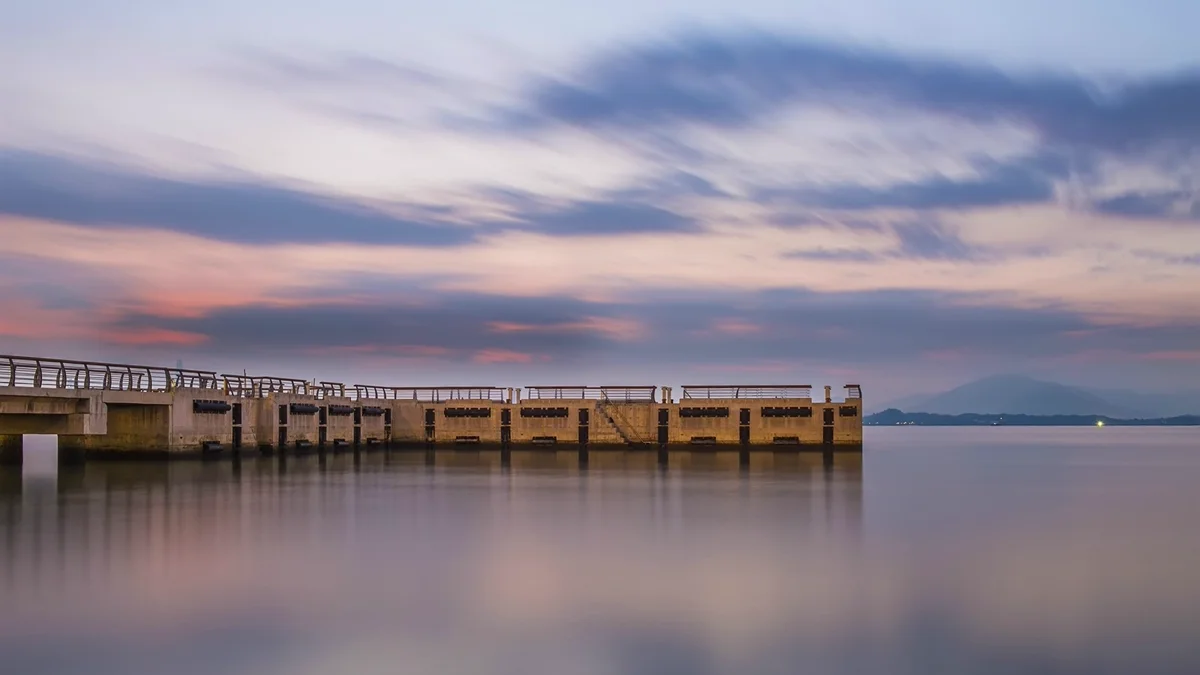 The Shenzhen Bay waterfront — a skyline assembled in a single generation.
The City That Never Was
Shenzhen’s architectural story begins with a question no one asked: what happens when you build a city from scratch, with no historical constraints and unlimited capital? The answer is a kind of controlled madness.
The Nanshan District is the most visible expression of this philosophy. Here you’ll find the Tencent Seafront Towers — two interconnected skyscrapers linked by sky bridges that seem to defy structural logic. Nearby, the China Resources Headquarters rises 393 meters, its tapered form nicknamed “Spring Bamboo” by locals. And further south, the Shenzhen Bay Sports Center spreads across the waterfront like a silver sea creature.
I spent an afternoon walking the Shenzhen Bay Park promenade, watching the light change on these buildings. The western exposure means the sky ignites in shades of copper and rose at golden hour. The 13-kilometer waterfront park stretches from Houhai to the Shenzhen Bay Bridge, which connects to Hong Kong’s New Territories.
Practical Information
- 📍 Shenzhen Bay Park: Nanshan District, along the waterfront
- 🚇 Getting There: Metro Line 2, Dengliang Station (D2 exit), walk 10 minutes
- ⏰ Opening Hours: 24/7, free entry
- 💰 Entry Fee: Free
- ⏱️ Recommended Time: 1.5–2 hours for a leisurely walk
Houhai: The Future of Urban Design
The Houhai area deserves special attention — a concentration of corporate headquarters designed to compete with Hong Kong’s Central and Shanghai’s Lujiazui. What makes Houhai unusual is its integration of green space. Unlike the concrete canyons of older financial districts, Houhai weaves parks and public plazas between its towers. The seawall promenade offers unobstructed views across to Hong Kong’s Mai Po wetlands.
💡 Innovation & Tech: Where the Future Is Assembled
Huaqiangbei: The Electronics Mecca
If Shenzhen’s skyline is its face, Huaqiangbei is its beating heart — the world’s largest electronics market, a district of over a dozen sprawling commercial complexes, each one a vertical labyrinth of stalls, showrooms, and workshops.
I’ve visited Huaqiangbei on three separate trips, and each time the experience has been different. In 2019, it was overwhelmingly a B2B wholesale market — vendors selling circuit boards and sensors to global buyers. By 2024, pedestrianization had opened it to tourists. Today, in 2026, the ground floors of many complexes have become experiential retail spaces where you can watch drones being assembled or buy a custom mechanical keyboard in under an hour.
The landmark Huaqiang Electronics World (华强电子世界) remains the anchor. First-time visitors should start at the Huaqiangbei Museum on the 8th floor of the SEG Electronics Market, which traces the district’s evolution from 1980s repair shops to the global epicenter of hardware innovation.
Practical Information
- 📍 Huaqiangbei Electronics Market: Huaqiang North Road, Futian District
- 🚇 Getting There: Metro Line 1, Huaqiang Road Station (A1 exit), walk 5 minutes
- ⏰ Opening Hours: 9:00 AM – 8:00 PM (some stalls open later on weekends)
- 💰 Entry Fee: Free (individual purchases vary widely)
- ⏱️ Recommended Time: 2–4 hours minimum
Insider Tip: The best time to visit is weekday mornings, before the crowds arrive. Weekends are packed with domestic tourists and the atmosphere becomes more theme-park than marketplace. If you’re genuinely interested in buying electronics, bring a shopping list and be prepared to bargain — prices are not fixed.
The Tencent and Huawei Pilgrimage
No visit to Shenzhen’s innovation corridor is complete without seeing the headquarters of its two most famous companies. The Tencent Seafront Towers (腾讯滨海大厦) in Nanshan are open to visitors on certain days — check the WeChat mini-program “Tencent Visitor” for scheduling. A sky bridge connecting the two towers houses an indoor basketball court and running track, visible from the ground floor atrium.
The Huawei Ox Horn Campus (华为溪流背坡村) in Dongguan — about 45 minutes by car — is designed to resemble twelve European towns. Public access is limited, but the nearby Songshan Lake Park is worth the journey for architecture enthusiasts.
🌿 Parks & Nature: The Green Veins of Concrete
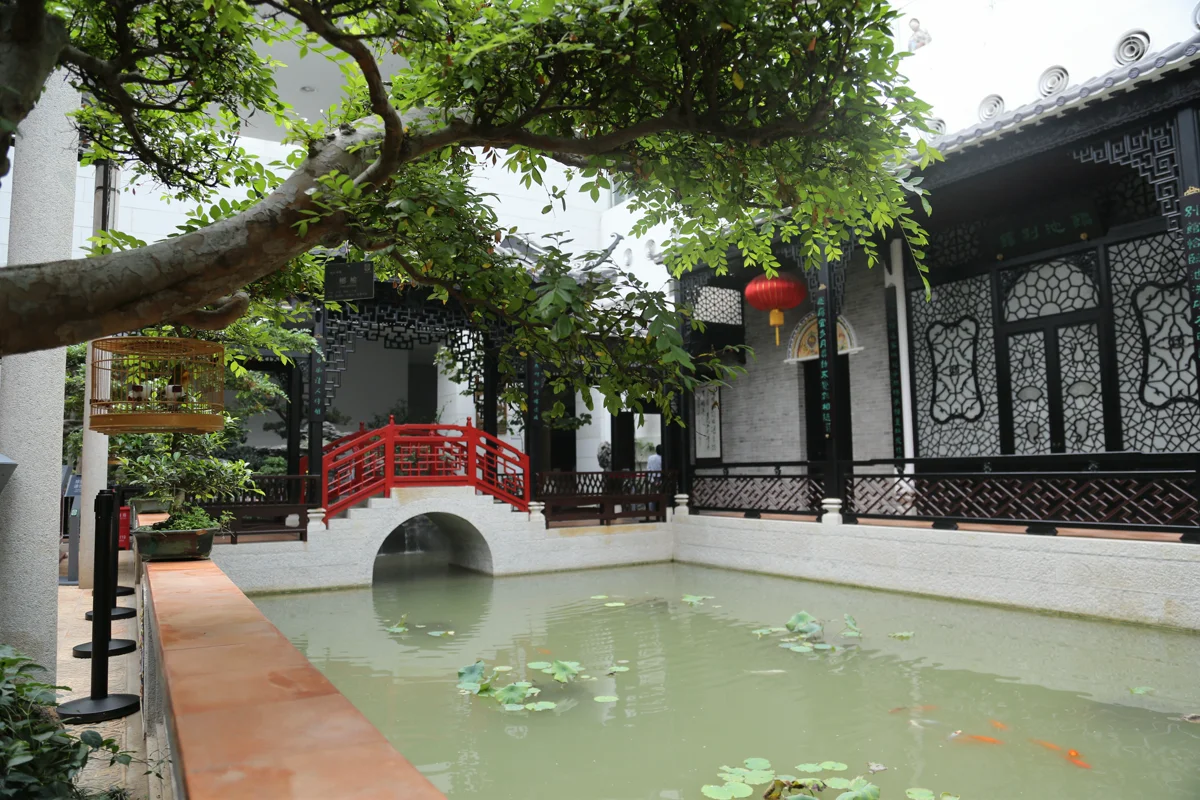 Shenzhen Garden Expo Park — where landscape architecture meets tropical greenery.
Lianhua Mountain Park
Lianhua Mountain (莲花山) is to Shenzhen what Central Park is to New York — a green lung in the heart of the city, and a place where locals go to breathe. But the resemblance ends there. Where Central Park is flat, Lianhua Mountain rises 106 meters above sea level, offering panoramic views of the Futian financial district to the south and the Bao’an International Airport runways to the north.
At the summit, a bronze statue of Deng Xiaoping strides forward with characteristic determination. Deng, who designated Shenzhen as China’s first Special Economic Zone in 1980, is widely regarded as the city’s founder. The statue was erected in 2000, on the twentieth anniversary of the SEZ declaration. It has since become the city’s most photographed landmark — not for its artistic merit, but for what it represents: the moment when a fishing village was given permission to become the future.
The park itself is beautifully maintained, with winding paths through subtropical forest, manicured lawns, and small lakes. The southern entrance faces the Civic Center, Shenzhen’s most prominent government building, whose sweeping copper-colored roof resembles a giant bird in flight.
Practical Information
- 📍 Lianhua Mountain Park: Futian District, Fuhua Road
- 🚇 Getting There: Metro Line 3 or 4, Children’s Palace Station (B exit), walk 10 minutes
- ⏰ Opening Hours: 6:00 AM – 10:00 PM daily
- 💰 Entry Fee: Free
- ⏱️ Recommended Time: 1–1.5 hours
Shenzhen Bay Park
I’ve already mentioned Shenzhen Bay Park in the architecture section, but it deserves its own discussion as a nature destination. The park’s eastern section, near the Houhai financial district, is designed as a formal promenade — wide paved paths, ornamental plantings, and sculptural seating. The western section, stretching toward the Shenzhen Bay Bridge, is more natural: mangrove forests, tidal flats, and a boardwalk that extends over the water.
The mangroves are the park’s ecological crown jewel. Shenzhen Bay hosts one of the most important mangrove ecosystems in southern China, and conservation efforts have brought back significant populations of migratory birds. Between October and March, the boardwalk becomes an informal birdwatching station.
Dameisha and Little Dameisha Beaches
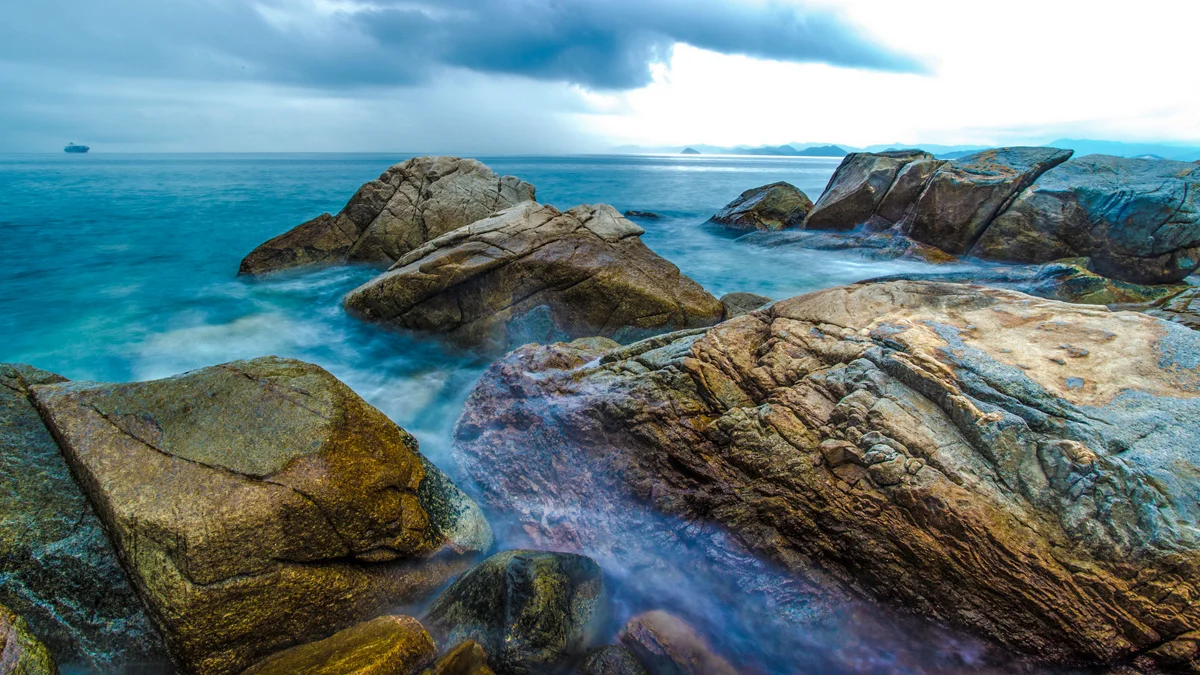 The coastline east of Shenzhen — where the city meets the South China Sea.
For proper beach time, head east to Dameisha (大梅沙) and Little Dameisha (小梅沙). Dameisha is the larger of the two, with a 1.8-kilometer sandy beach and calm waters. Little Dameisha, which reopened in 2024, offers a quieter experience — boutique beach clubs and seafood restaurants.
Practical Note: Both beaches require online reservations during peak season (May–October). Book through the “畅游盐田” (Changyou Yantian) WeChat mini-program at least one day in advance. Entry is free but reservation is mandatory.
Wutong Mountain
For serious hikers, Wutong Mountain (梧桐山) is Shenzhen’s highest peak at 943 meters. The main trail takes 3–4 hours to the summit, and the reward is a 360-degree view that includes the entire metropolitan area.
- 📍 Wutong Mountain Main Trailhead: Luohu District, Wutong Mountain National Forest Park
- 🚇 Getting There: Metro Line 2 to Liantang Station, then bus 211 to the trailhead
- ⏰ Opening Hours: 6:00 AM – 7:00 PM
- 💰 Entry Fee: Free
- ⏱️ Recommended Time: 4–6 hours round trip
🖼️ Art & Culture: The Creative Underground
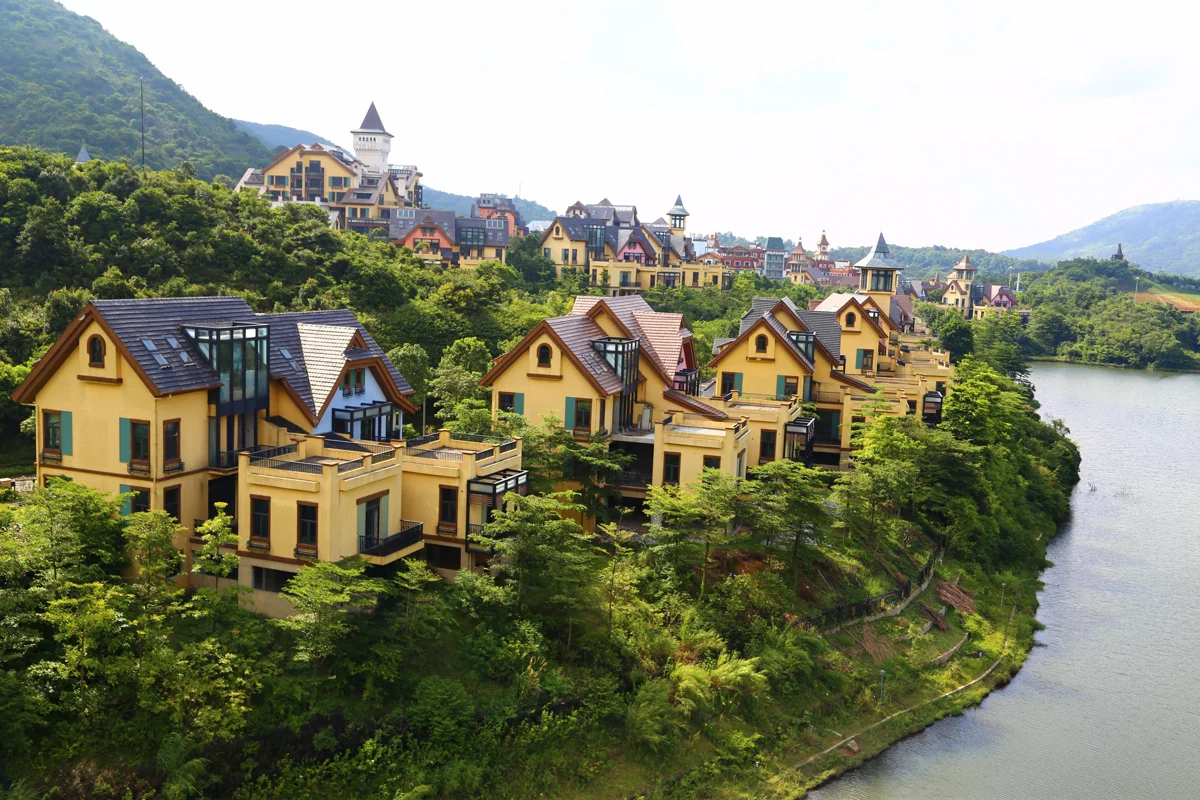 OCT-LOFT — where industrial warehouses became galleries and studios.
OCT-LOFT: The Art Quarter
OCT-LOFT is Shenzhen’s most successful example of adaptive reuse. What was once a cluster of abandoned industrial buildings in the Overseas Chinese Town (华侨城) development has been transformed into a thriving art district — home to galleries, independent bookshops, design studios, craft breweries, and some of the city’s best specialty coffee roasters.
The district is organized around a series of courtyards and pedestrian lanes, giving it a human scale that’s rare in Shenzhen. The OCT Art Terminal, housed in a former electronics factory, hosts rotating exhibitions of contemporary Chinese and international art. The Art Warehouse, a collection of studios open to visitors on weekends, provides a glimpse into Shenzhen’s growing community of independent artists and designers.
I spent a rainy Saturday afternoon in OCT-LOFT, drifting between galleries and stopping at Ink Studio (墨社), a combined coffee shop and calligraphy workshop where you can try your hand at brush writing. The owner, a Shenzhen native who spent ten years studying in Paris, told me the district had changed dramatically since the pandemic. “Before, it was mostly designers and architects,” she said. “Now we get families. People bring their kids to draw. That’s new.”
Dafen Oil Painting Village
Dafen (大芬油画村) challenges your assumptions about art and authenticity. In the 1990s, a single art dealer brought painters from rural Jiangxi to this village, where they began producing copies of Western masterworks for export. At its peak, Dafen produced over 60% of the world’s oil painting reproductions — 5 million works per year.
Today, the reproductions remain (you can commission a copy of any famous painting for remarkably little money), but the village has increasingly attracted original artists. The Dafen Art Museum, designed by Urbanus Architecture, anchors the district’s cultural ambitions.
- 📍 Dafen Oil Painting Village: Longgang District, Dafen Village
- 🚇 Getting There: Metro Line 3, Dafen Station (A1 exit), walk 5 minutes
- ⏰ Opening Hours: 9:00 AM – 8:00 PM
- 💰 Entry Fee: Free (custom oil paintings start at ~¥200 / ~$28)
- ⏱️ Recommended Time: 1.5–2 hours
🍜 The Food Scene: From Wok to Table
Shenzhen’s food identity is unlike any other Chinese city. As a city built by migrants from every province, it has become a laboratory for regional cuisines — Hakka, Cantonese, Sichuan, Hunan, and dozens of others all coexist within a few city blocks. But the local baseline is Cantonese, and the seafood here is exceptional.
Dai Pai Dong Culture
The traditional Cantonese open-air restaurant — the dai pai dong (大排档) — remains Shenzhen’s most authentic dining experience. These are no-frills establishments: plastic stools, aluminum tables, a wok station on the sidewalk, and menus scrawled on whiteboards. The best dai pai dongs cluster in the older neighborhoods of Luohu and Futian, where the original fishing village families still live.
My go-to order: salt-and-pepper mantis shrimp, steamed garoupa, and stir-fried water spinach. The mantis shrimp here is extraordinary — sweet, creamy flesh that tastes of the sea. A full meal for two with beers runs ¥150–200 (~$21–28).
The Noodle Revolution
Shenzhen has quietly become one of China’s best cities for noodle lovers. The Nanshan and Futian districts host an astonishing density of noodle shops, from traditional Cantonese wonton noodle places to modern interpretations of Lanzhou hand-pulled noodles and Chongqing spicy noodle soup. The most interesting development, though, is the emergence of “fusion noodle bars” — establishments that combine traditional Chinese noodle-making techniques with ingredients and presentations borrowed from Japanese ramen and Italian pasta traditions.
For the best bowl in the city, try Chen Laoban Noodles (陈老板面馆) near the Huaqiangbei electronics district. The signature dish — a slow-cooked beef brisket noodle soup with a broth that’s been simmering for 12 hours — costs ¥38 (~$5).
Coffee Culture
Shenzhen’s specialty coffee scene has exploded in the past five years, driven in part by the city’s young tech workforce and its proximity to Hong Kong’s coffee culture. OCT-LOFT and the Futian CBD are the epicenters, but excellent roasters can be found in virtually every neighborhood. The standout for me was Blend (融合咖啡), a tiny shop in the Baishizhou village area that roasts its own beans and serves a remarkable yuzu espresso.
Budget Dining Options
| Meal Type | Typical Cost (USD) | Where to Find |
|---|---|---|
| Street food / snacks | $1–3 | Any metro station area |
| Dai pai dong dinner | $10–15/person | Luohu, Futian old neighborhoods |
| Noodle soup lunch | $4–7 | Citywide |
| Casual restaurant | $12–20/person | Nanshan, Futian |
| Seafood feast | $25–40/person | Coastal areas, Shekou |
| Specialty coffee | $3–5 | OCT-LOFT, Baishizhou |
🛍️ Shopping: From Mega-Malls to Village Markets
The Luohu Shopping Belt
Luohu Commercial City (罗湖商业城), directly adjacent to the Luohu border crossing with Hong Kong, is a shopping institution. The building itself is a 1990s-era behemoth — five floors of retail selling everything from electronics and clothing to custom tailoring and Chinese medicine. It’s chaotic, overwhelming, and thoroughly enjoyable if you approach it with the right mindset. This is not a luxury mall; it is a bazaar. Bargaining is expected, quality varies wildly, and the experience is worth the visit even if you buy nothing.
Coco Park and the Futian Malls
For a more conventional shopping experience, the Futian district offers a concentration of modern malls that rival anything in Hong Kong or Singapore. COCO Park is the flagship — a multi-level complex housing international brands, a cinema, a supermarket, and dozens of restaurants. KK Mall and MixC are equally impressive, with the MixC in particular worth visiting for its architecture — a soaring glass atrium designed by the American firm Benoy.
Duty-Free Shopping
Shenzhen’s duty-free situation changed dramatically with the introduction of the Hainan duty-free policy in 2020, which drew significant spending away from border cities. However, duty-free shopping remains available at the Bao’an International Airport and at select stores in the Luohu commercial district. The most reliable option is the Shenzhen Duty Free Group store near the Luohu border crossing, which offers competitive prices on cosmetics, alcohol, and tobacco.
🌙 Nightlife and Evening Entertainment
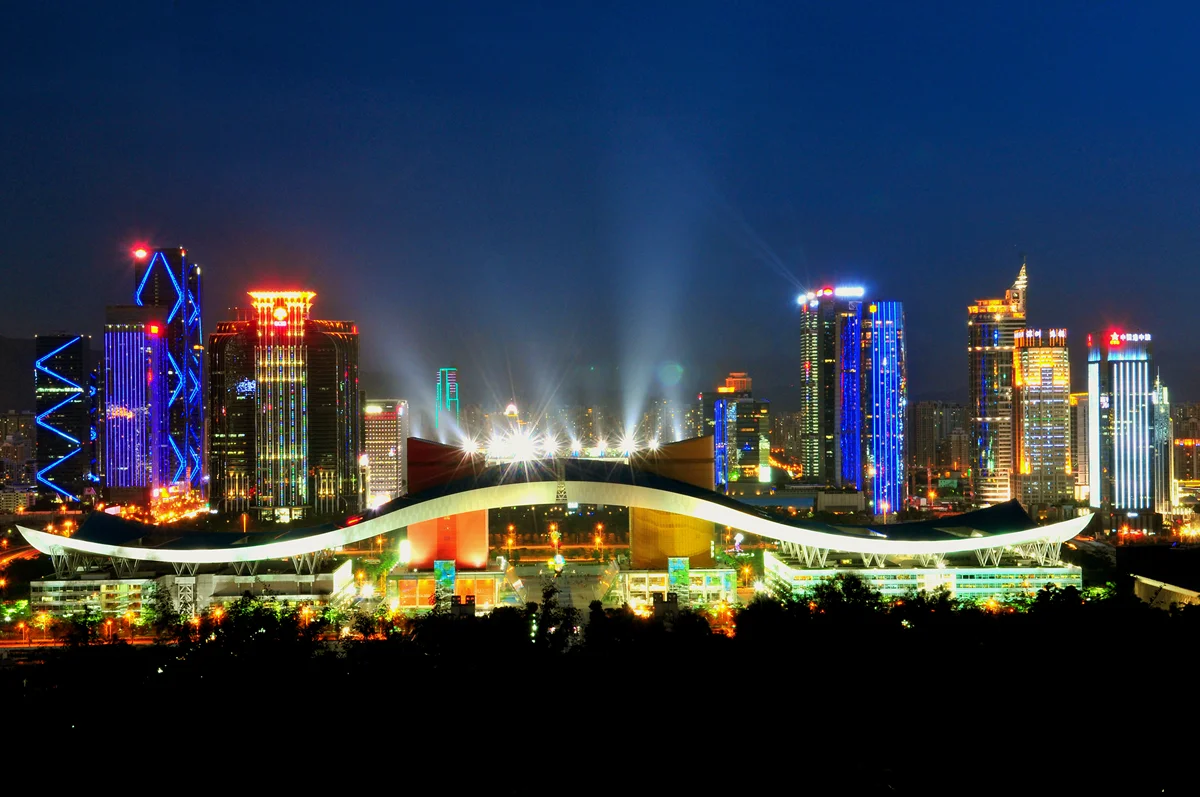 Shenzhen after dark — a city that reinvents itself every evening.
The Window of the World
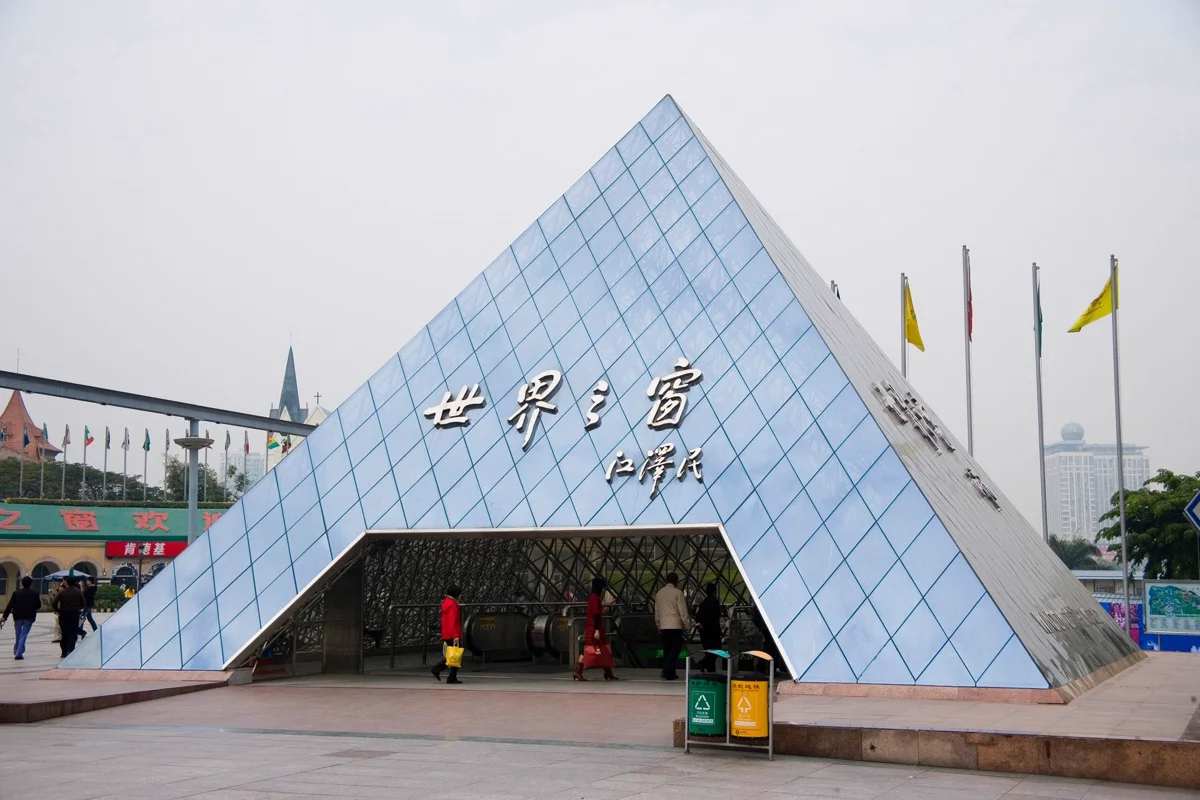 Window of the World — where the world’s landmarks gather under one Shenzhen sky.
The Window of the World (世界之窗) theme park features 130 miniature replicas of world landmarks — the Eiffel Tower, the Taj Mahal, the Pyramids of Giza — across 48 hectares. It sounds kitsch, and it is. But the nightly fireworks and light show, set against these miniature monuments, is genuinely spectacular.
- 📍 Window of the World: Nanshan District, Fuhua Lu
- 🚇 Getting There: Metro Line 1 or Line 2, Window of the World Station
- ⏰ Opening Hours: 9:00 AM – 10:30 PM
- 💰 Entry Fee: ¥220 (
$30) daytime; ¥80 ($11) after 7:00 PM - ⏱️ Recommended Time: 3–4 hours
Happy Valley: Thrills by the Bay
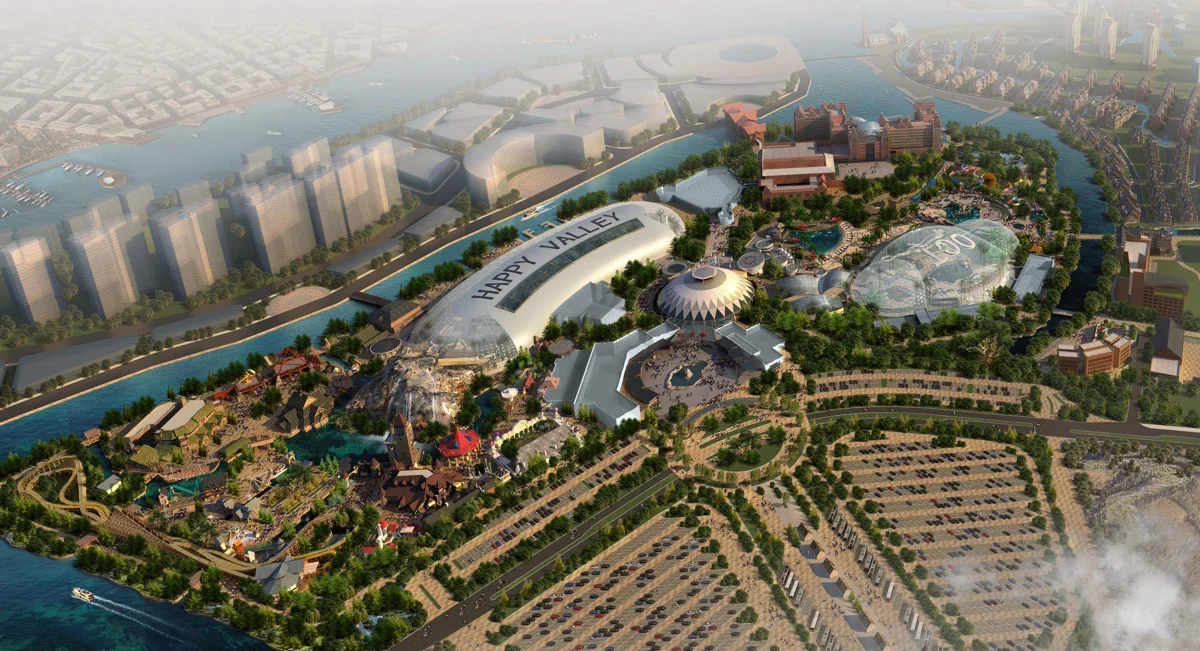 Happy Valley’s roller coasters — Shenzhen’s answer to adrenaline-fueled entertainment.
Adjacent to the Window of the World, Happy Valley (欢乐谷) is Shenzhen’s premier amusement park, with six themed zones, dozens of rides, and enough roller coasters to satisfy any thrill-seeker. The park also hosts seasonal events — the Halloween Horror Nights in October are particularly well-produced, with elaborate haunted house installations and costumed performers. Day tickets run ¥230 ($32); evening-only tickets are available from 5:00 PM for ¥120 ($17).
Shekou: The Expat Quarter
The Shekou (蛇口) neighborhood at the western end of the Nanshan District has long been Shenzhen’s most international area. The Sea World (海上世界) complex — centered around a retired French cruise ship, the MS Minghua, permanently docked in an artificial lake — is the social hub. The surrounding streets are lined with restaurants, bars, and cafes catering to the area’s expat population. On weekend evenings, the promenade around the ship fills with families, couples, and live music.
💰 Budget Estimates
| Category | Budget (per day) | Mid-Range (per day) | Comfort (per day) |
|---|---|---|---|
| Accommodation | $20–40 | $60–120 | $150–300 |
| Food | $10–20 | $30–50 | $60–100 |
| Transport | $3–5 | $5–10 | $10–20 |
| Activities | $5–15 | $20–50 | $50–100 |
| Daily Total | $38–80 | $115–230 | $270–520 |
Notes: Shenzhen’s metro system is remarkably affordable — a single ride typically costs ¥2–9 ($0.30–1.25). Taxis start at ¥10 ($1.40) and are plentiful. The city is generally cheaper than Shanghai or Beijing for daily expenses, though accommodation in the Nanshan tech district can approach Hong Kong-level prices during major tech conferences.
❓ Frequently Asked Questions
How many days do I need in Shenzhen?
Four to five days gives you enough time to explore without rushing. Two days for the Nanshan/Bay area, one day for Huaqiangbei/Luohu, and one to two for Dafen, OCT-LOFT, and the eastern beaches. Add an extra day for a Hong Kong side trip (the Luohu border crossing takes about 45 minutes door-to-door).
Is Shenzhen safe for solo travelers?
Shenzhen is one of the safest major cities in China. Violent crime against tourists is virtually unheard of, the metro system is clean and well-lit, and petty theft is rare. The main risks are crowded areas during holidays and the universal danger of crossing streets where drivers treat traffic lights as suggestions.
Do I need WeChat Pay or Alipay?
In 2026, China has relaxed its digital payment requirements for foreign visitors. International credit cards are accepted at most hotels, large restaurants, and major retail chains. However, for street food, dai pai dongs, small shops, and metro fares, mobile payment is still strongly preferred. The easiest option for visitors is to link an international credit card to WeChat Pay through the “WeChat Pay International” feature. Cash is accepted but rarely used — you’ll receive strange looks if you try to pay for a ¥5 street snack with a banknote.
When is the best time to visit?
October through December offers the best weather: warm but not sweltering (20–25°C / 68–77°F), low humidity, and clear skies. Summer (June–September) brings extreme heat, occasional typhoons, and the daily spectacle of afternoon thunderstorms. For beach time, September and October are ideal.
Can I do a day trip to Hong Kong from Shenzhen?
Absolutely. The Luohu border crossing is the most convenient — take Metro Line 1 to Luohu Station, cross on foot (immigration takes 15–30 minutes), and you’re in Hong Kong’s MTR network. The journey to Tsim Sha Tsui takes about 40 minutes from the Hong Kong side. The Futian High-Speed Rail station also connects to Hong Kong’s West Kowloon station in 14 minutes. Note that you’ll need a separate visa for Hong Kong if your nationality requires one — the Shenzhen SEZ visa-on-arrival policy that previously allowed mainland visitors to enter Hong Kong has been modified several times, so check current regulations before your trip.
What about the visa situation?
China’s 144-hour transit visa exemption (TWOV) applies to Shenzhen for citizens of 54 countries, including the US, UK, Canada, Australia, and most EU nations. You must have a confirmed onward ticket to a third country (not returning to your origin) and a valid passport. The 144-hour count begins at midnight the day after arrival. For stays longer than 144 hours, or if you plan to visit Hong Kong and re-enter, you’ll need a proper Chinese visa.
Final Thought: Shenzhen is a city that rewards repeated visits. Every time I return, the skyline has shifted, a new district has emerged, and the restaurants I loved have been replaced by something I didn’t know I needed. This is not a city of monuments — it is a city of momentum. Come for the technology, stay for the food, and leave with the unsettling realization that the future arrived here first, and you weren’t paying attention.
Last updated: July 2026