Shangri-La: Journey to Tibet’s Lost Horizon
📅 2026 Edition | 📍 Solo / Couple / Small Group | ⏱️ 3 Days
There is a place in the northwest corner of Yunnan where the air tastes of juniper smoke and yak butter, where prayer flags snap in a wind that has crossed a dozen mountain passes, and where the line between the earthly and the sacred dissolves like mist over a turquoise lake. Shangri-La — or Xianggelila, as the Chinese maps still call it — sits at 3,280 metres above sea level on the eastern edge of the Tibetan Plateau. It is, by any measure, one of the most extraordinary destinations in China.
This guide offers a three-day passage through its heart: from the candlelit alleyways of the old town to the golden roofs of Songtsamling Monastery, from the mirror-still waters of Pudacuo National Park to the dawn silhouette of Meili Snow Mountain — the sacred peak that has drawn pilgrims for centuries. It is written for the traveller who wants not just to see Shangri-La, but to feel it.
◆ Essential Know-Before-You-Go
- Altitude: Shangri-La sits at 3,280 m (10,760 ft). Meili Snow Mountain viewing platform reaches ~3,400 m. Acute Mountain Sickness (AMS) is a real concern.
- Best Season: May–June (wildflowers, mild weather) and September–October (golden autumn, clear skies). Winter (Dec–Feb) is bitterly cold but stunningly empty.
- Permits: No special permits needed for Shangri-La city. For Meili Snow Mountain, a standard entry ticket suffices. Foreign visitors should carry passports at all times.
- Getting There: Fly into Shangri-La Diqing Airport (DIG) from Kunming (1 hr), Chengdu (1.5 hrs), or Lhasa (1.5 hrs). Overland from Lijiang takes ~8 hours by bus or private car.
- Altitude Acclimatisation: Arrive a day early if possible. Drink plenty of water, avoid alcohol on Day 1, move slowly. Diamox (acetazolamide) is available at local pharmacies if you want prophylaxis.
- Cash: ATMs exist but are unreliable. Bring enough cash (¥) for the trip. WeChat/Alipay work in most shops.
◆ Day 1: Old Town of Dukezong & Songtsamling Monastery
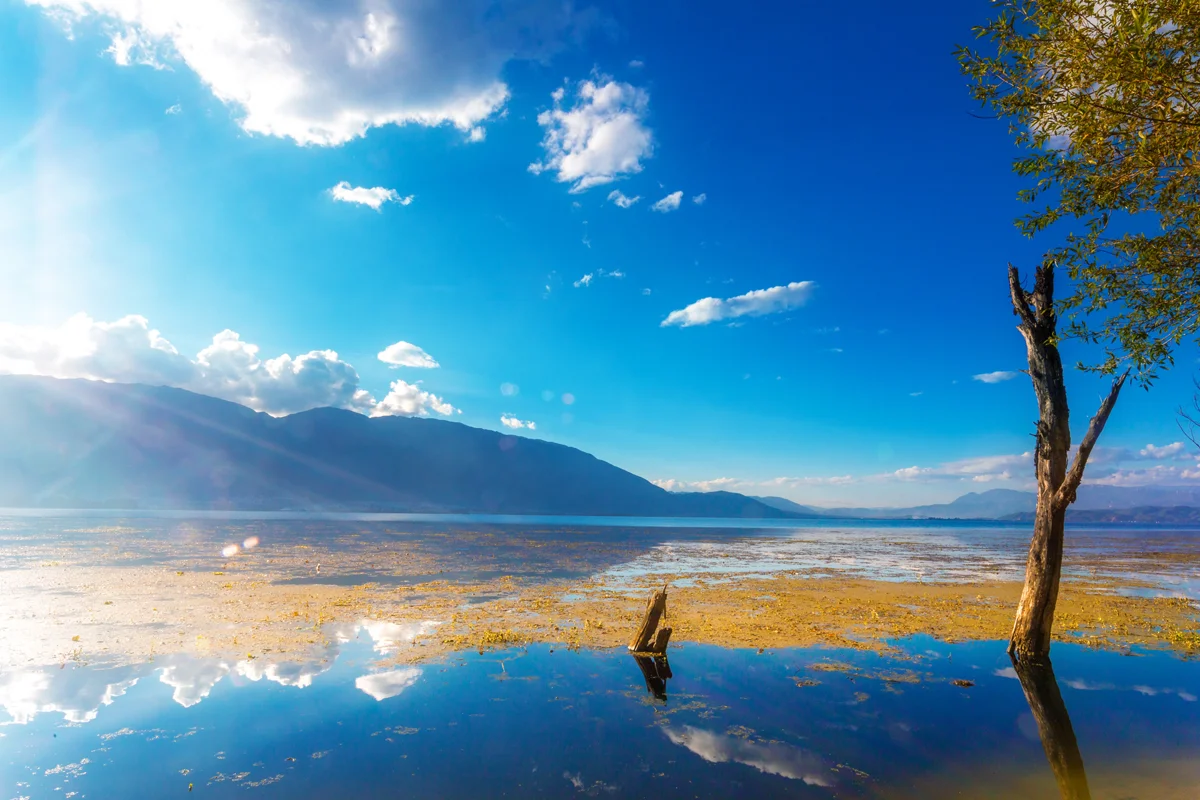
◆ Dukezong Ancient Town — Where Fire Never Dies
The old town of Dukezong — meaning “Moonlight City” in Tibetan — is the oldest Tibetan settlement in the region. Rebuilt after a devastating fire in 2014, it retains the soul of its thousand-year history: hand-carved wooden doorways, butter-lamp-lit corridors, and a central prayer wheel that ranks among the largest in the world.
- Location: ~8 km northwest of Shangri-La city centre
- Getting There: Taxi from the old town bus station (~¥20, 15 minutes). Most hotels arrange transfers.
- Time Needed: 2–3 hours to wander; half a day if you linger in teahouses
- Entry Fee: Free (individual temples may charge ¥10–30)
- Highlights: The 21-metre-tall prayer wheel on the central square, Tibetan-style wooden houses with carved window frames, small workshops selling thangka paintings and yak-bone jewellery
The morning light here is extraordinary. Arrive before 9 a.m. when the tour groups have not yet descended, and you may find the cobblestone lanes entirely to yourself — just the sound of distant chanting and the occasional trot of a yak. The teahouses along the main street serve a surprisingly good yak butter latte, a gentler introduction to the infamous butter tea than the traditional version.
◆ Songtsamling Monastery — The Little Potala Palace
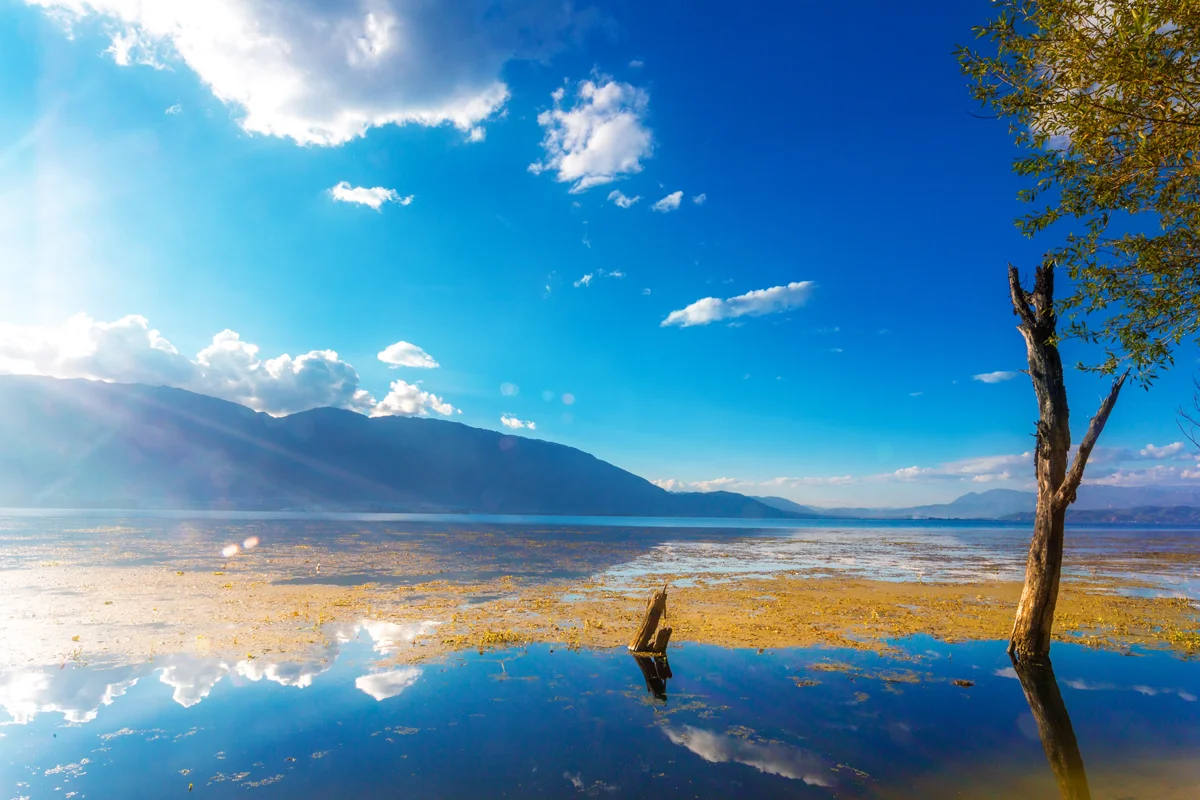
Rising from a hillside like a fortress of faith, Songtsamling (松赞林寺) is the largest Tibetan Buddhist monastery in Yunnan. Often called “the Little Potala Palace,” it was founded in 1679 by the Fifth Dalai Lama and houses roughly 700 monks. The complex sprawls across three terraced levels, its golden roofs catching the afternoon light with an almost theatrical intensity.
- Location: ~5 km north of Shangri-La city centre
- Getting There: Taxi (~¥15, 10 minutes) or bus from the old town
- Opening Hours: 8:00–18:00 (last entry 17:00)
- Entry Fee: ¥90 (includes shuttle bus and guide)
- Time Needed: 2–3 hours
- Altitude Note: The monastery sits at ~3,380 m. The uphill walk to the main halls is steep — pace yourself.
The guided tour (included in the ticket) begins at the lower assembly hall and winds upward through increasingly sacred spaces. The main hall, with its towering statues of the Medicine Buddha and Tsongkhapa, is overwhelming in scale. Incense coils spiral toward ceilings painted in deep blues and golds. The monks here are remarkably welcoming; a conversation about their daily life — morning prayers at 5 a.m., afternoon debates in the courtyard — reveals a devotion that feels both ancient and entirely alive.
编辑手记: Songtsamling is not a museum. It is a living institution. When monks debate doctrine in the courtyard, they clap their hands with each logical point — the sound echoing off the monastery walls like a rhythm of reason. Stand quietly and listen.
◆ Tibetan Family Visit — An Evening in a Highland Home
Many guesthouses in Dukezong and the city centre arrange visits to local Tibetan families. The experience typically includes:
- Yak butter tea — salty, rich, and an acquired taste. The locals drink it by the litre at altitude for its warming, hydrating properties.
- Tsampa — roasted barley flour mixed into tea or yak butter. The staple food of the Tibetan plateau for centuries.
- Thangka painting demonstration — some families have generations of artists who will show you the painstaking process of grinding mineral pigments and applying gold leaf.
- Cost: ¥50–150 per person depending on the family and activities included
- Booking: Ask your hotel reception; most arrange it with a day’s notice
The evening ends with songs around the fire pit, and if you are lucky, a story about the mountain spirits that guard the valley. It is a gentle, generous introduction to Tibetan culture — far more meaningful than any museum.
◆ Day 2: Pudacuo National Park & Baishuitai Travertine Pools
◆ Pudacuo National Park — China’s Most Pristine Highland Reserve
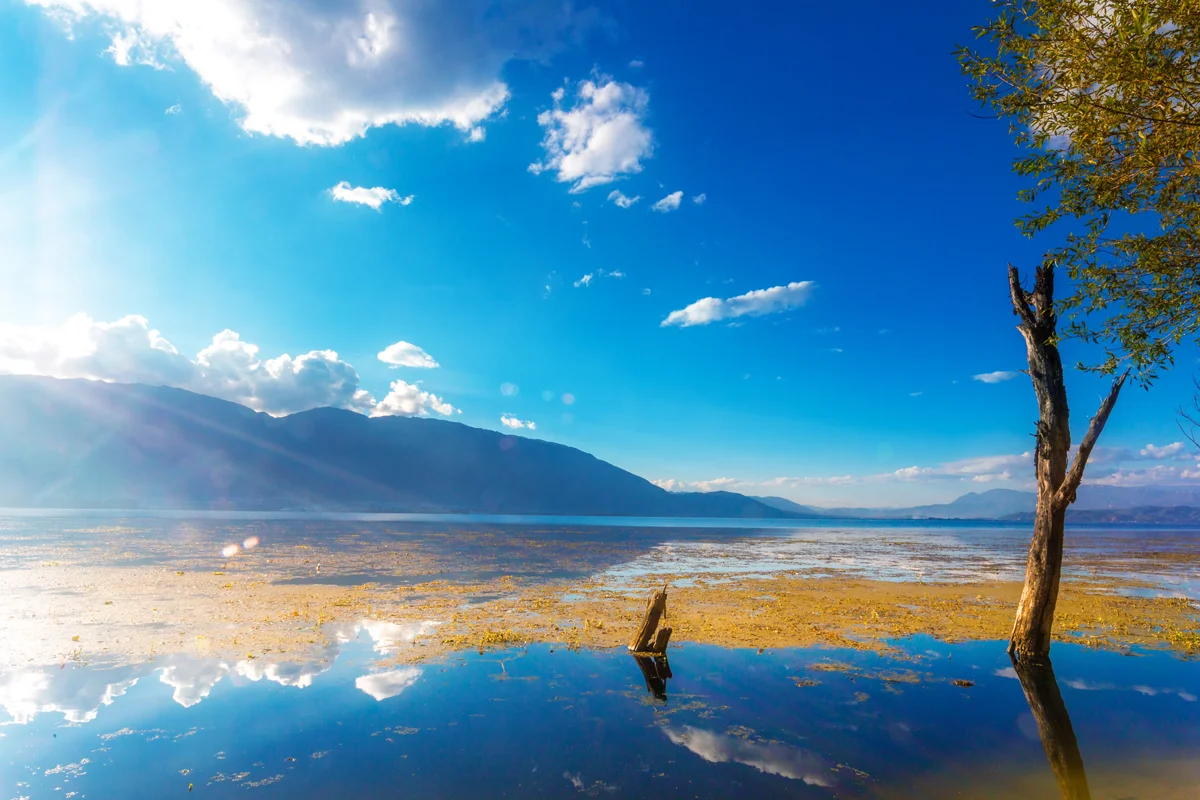
Pudacuo (普达措) is one of China’s first national parks and arguably its most beautiful. Spread across 1,300 square kilometres of pristine sub-alpine forest, alpine meadows, and glacial lakes, it protects a landscape that feels untouched by the modern world. The park’s centrepiece — Shudu Lake — sits at 3,705 metres and reflects the surrounding spruce forest with mirror-perfect clarity.
- Location: ~22 km east of Shangri-La city centre
- Getting There: Park shuttle bus from the visitor centre (included in ticket). Private car ~30 minutes.
- Opening Hours: 8:00–17:00 (varies seasonally)
- Entry Fee: ¥100 + ¥70 shuttle bus = ¥170 total
- Time Needed: 4–5 hours (full morning recommended)
- Altitude Note: The park’s highest point reaches ~3,800 m. Dress warmly; temperatures can drop sharply.
The park operates on a shuttle-and-walk system. The bus drops you at the first lake (Shudu), where a 3.3-kilometre boardwalk winds along the shoreline through ancient spruce forest. In spring, the meadows erupt with wildflowers — gentians, primulas, and edelweiss — while in autumn, the larch trees turn a deep copper that contrasts magnificently with the turquoise water.
The second stop, Bita Lake, is quieter and more dramatic: a deep alpine lake ringed by dense forest, often shrouded in a thin veil of mist. Wildlife sightings are common — marmots whistle from the meadows, and if you are patient, you may spot a red deer or a Himalayan monal pheasant.
编辑手记: Pudacuo is popular, and the shuttle system means you will share the boardwalk with other visitors. To escape the crowds, walk briskly past the first viewing platform and continue along the trail — thinning rapidly after the first kilometre.
◆ Baishuitai — The Terraces of Liquid Jade
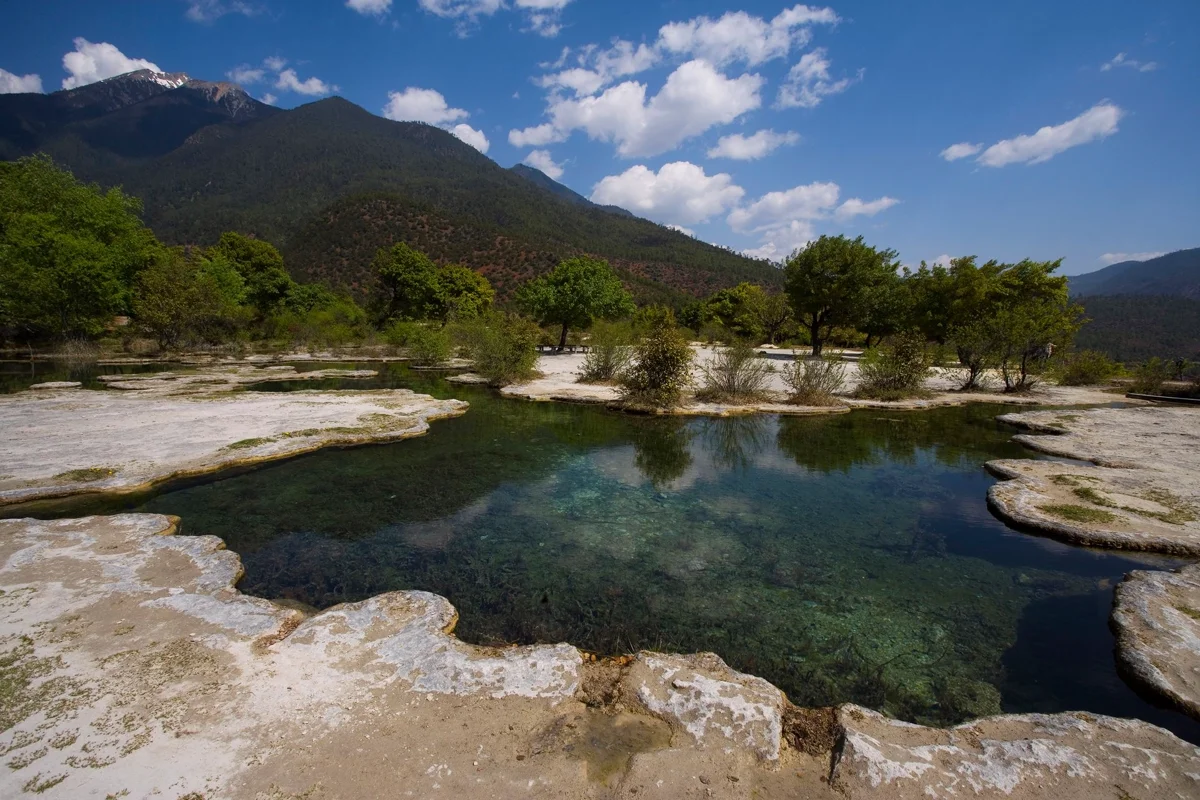
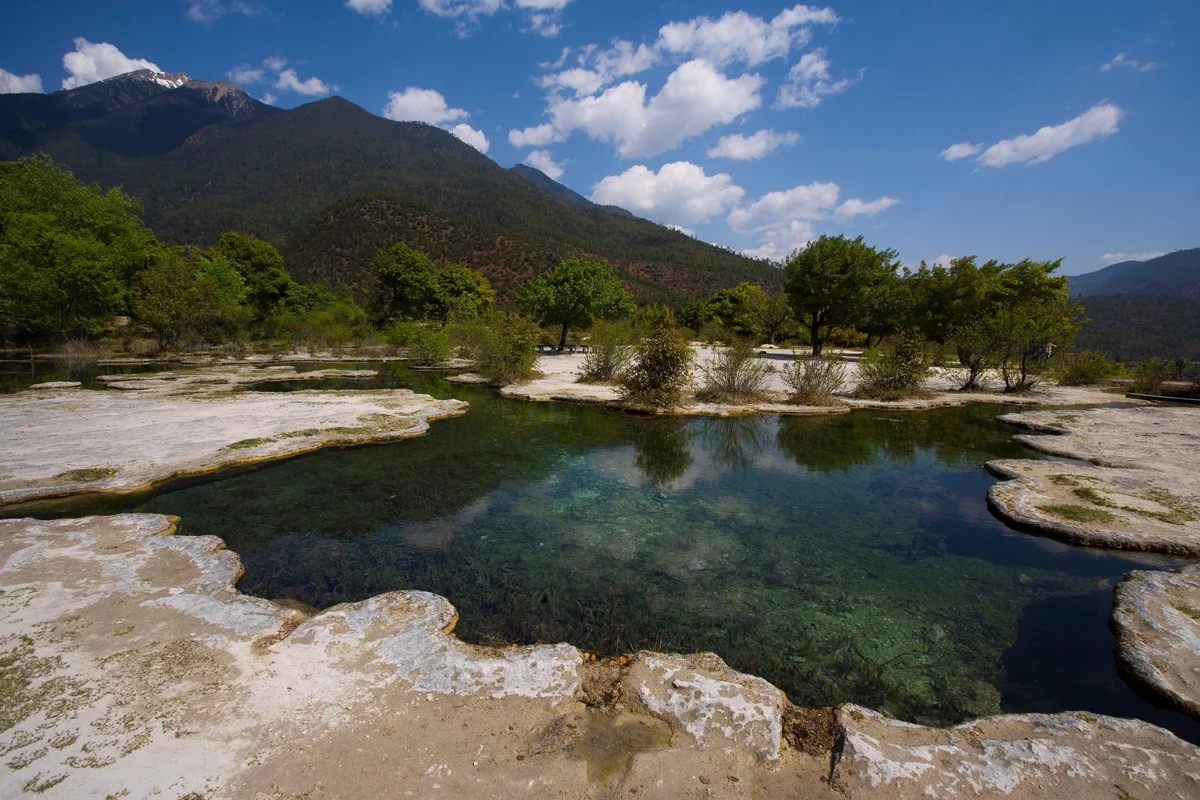
Baishuitai (白水台) is one of China’s most visually stunning geological formations: a cascade of travertine terraces formed by calcium carbonate deposits from spring water over thousands of years. The pools shimmer in shades of milky blue and jade green, their scalloped edges creating a natural staircase that descends the hillside like a frozen waterfall.
- Location: ~100 km northwest of Shangri-La (about 2.5 hours by car)
- Getting There: Best visited as a half-day trip from Shangri-La. Hire a private car or join a tour. The road is paved but winding.
- Entry Fee: ¥30
- Time Needed: 1–1.5 hours at the site
- Best Time: Morning light (arrive by 10 a.m.) when the pools are illuminated from the east
The terraces span roughly 3 square kilometres and descend in a series of stepped pools, each rimmed with a delicate lip of white travertine. The water is mineral-rich and cool to the touch. In the Naxi tradition, Baishuitai is sacred — legend holds that the first Dongba script characters were carved into the stone here. A small Naxi village sits at the base of the terraces, and locals sell simple meals of fried yak meat and mountain vegetables.
The drive from Shangri-La is long but rewarding. The road climbs through pine forest and yak pastures, with views of the Hengduan Mountains unfolding at every bend. Consider combining Baishuitai with a stop at a roadside Tibetan village for tea.
◆ Highland Yak Pastures — An Afternoon Detour
Between Pudacuo and Baishuitai, the landscape opens into vast highland meadows where yaks graze in loose herds, their shaggy forms silhouetted against the sky. Several family-run牧场 (pastures) welcome visitors for a cup of butter tea and a chance to photograph these iconic animals up close. It is not a formal attraction — just a pull-off on the road, a wooden fence, and a woman selling yak milk yoghurt for ¥10 a cup.
- What to Expect: Open grassland, grazing yaks, mountain backdrop
- Cost: Free (yak milk yoghurt ¥10–20)
- Tip: Ask permission before photographing herders and their animals. A smile and a “thank you” (tashi delek in Tibetan) go a long way.
◆ Day 3: Meili Snow Mountain — Dawn at the Sacred Peak
◆ Feilai Si Temple — The Classic Viewing Point
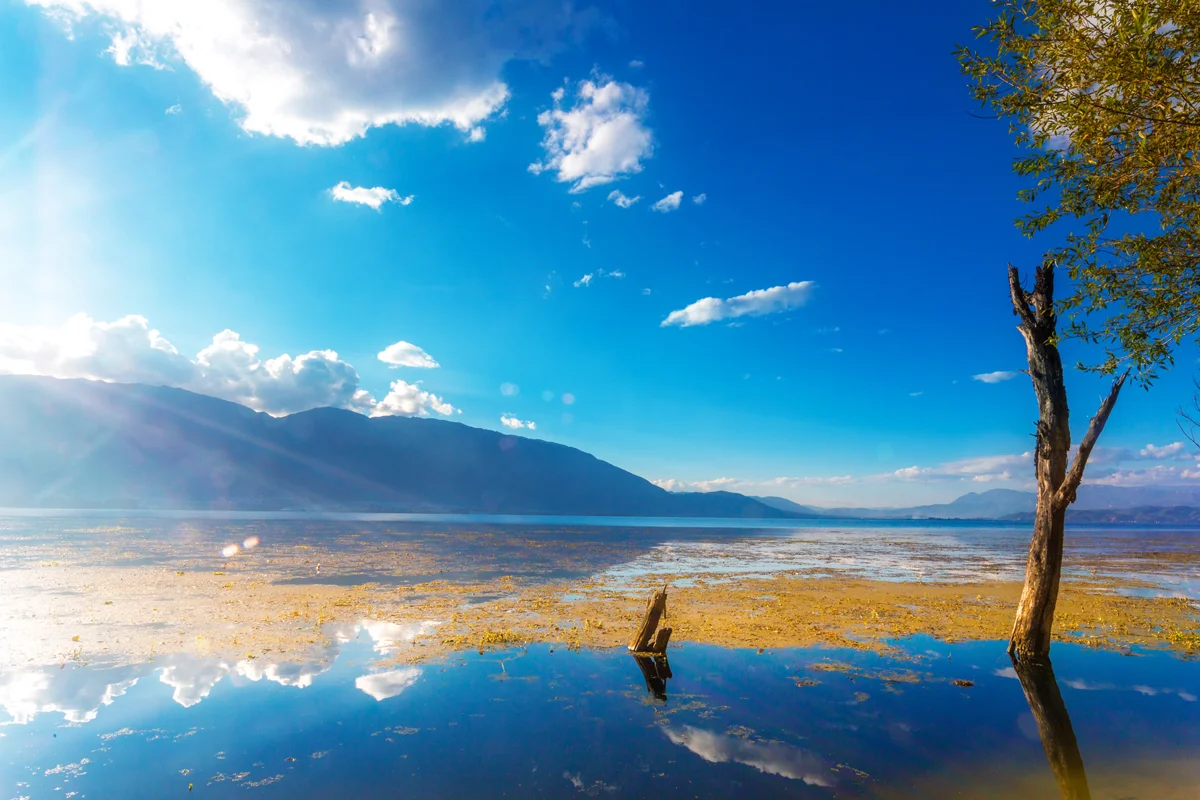
Meili Snow Mountain (梅里雪山) is the crown jewel of Shangri-La’s landscape: a chain of 13 peaks running north to south, the tallest — Kawagebo — rising to 6,740 metres. It has never been summited, and in Tibetan Buddhist tradition, it is considered too sacred to climb. The mountain is a living deity, and the annual pilgrimage (the “kora”) around its base is one of the most important in Tibetan Buddhism.
- Location: ~180 km northwest of Shangri-La (4–5 hours by car)
- Getting There: Private car or overnight bus to Deqin county town, then taxi to Feilai Si. Best to depart Shangri-La the afternoon of Day 2.
- Entry Fee: ¥55 (Meili Snow Mountain scenic area ticket)
- Best Viewing: Dawn (6:30–7:30 a.m.) from the viewing platform at Feilai Si temple
- Time Needed: Half a day for the sunrise viewing and temple visit
- Altitude: ~3,400 m at the viewing platform
The classic Meili experience begins in darkness. You wake at 5 a.m., drive 15 minutes from Deqin to Feilai Si, and climb the stone steps to the viewing platform in the pre-dawn cold. The air is sharp enough to sting your lungs. Then, slowly, the horizon blushes. The first light catches the summit of Kawagebo, turning it from grey to pale gold to a blazing, almost impossible pink — the phenomenon known as “Rizhao Jinshan” (日照金山), the golden mountain under sunlight. It lasts perhaps ten minutes. In that time, the entire platform falls silent. No one speaks. Some weep. It is, by any measure, one of the most beautiful natural spectacles on earth.
编辑手记: The sunrise is not guaranteed. Cloud cover obscures the peaks on most days. Locals say that seeing the golden light on Kawagebo is a blessing — a sign that the mountain deity has chosen to reveal itself to you. If the clouds come, do not despair. The mountain is there whether you see it or not.
◆ Feilai Si Temple & the 108 Stupas
After the sunrise, explore the temple itself. Feilai Si (飞来寺, “Temple That Flew Here”) sits on a cliff edge overlooking the Lancang (Mekong) River valley. The temple courtyard contains 108 white stupas arranged in concentric circles — each one containing sacred texts. The walls are painted with vivid murals depicting the life of the Buddha and the history of Tibetan Buddhism in the region.
- Time Needed: 30–45 minutes
- Entry Fee: Included in the Meili Snow Mountain ticket
- Tip: The temple is small but atmospheric. Morning light filters through prayer flags strung across the courtyard.
◆ Return to Shangri-La
The drive back to Shangri-La takes approximately 4–5 hours. The road follows the Lancang River for much of the way, passing through deep gorges and small Tibetan villages. Stop at the roadside viewpoint overlooking the river bend — a dramatic vise of rock where the water turns from green to white. Arrive back in Shangri-La by mid-afternoon with time to rest before dinner.
◆ Where to Stay
Dukezong Old Town
The atmospheric choice. Traditional Tibetan guesthouses with carved wooden balconies, courtyard gardens, and butter-tea-on-arrival hospitality. The lanes are quiet at night, lit by yak-butter lanterns.
- Price Range: ¥150–400/night
- Best For: Cultural immersion, photography, quiet evenings
- Note: Rooms can be cold at altitude. Check for electric blankets or heaters.
Shangri-La City Centre
More convenient for transport connections and dining. Modern hotels with reliable heating, hot water, and Western-style breakfasts.
- Price Range: ¥200–600/night
- Best For: Convenience, early departures, families
- Recommendation: Songtsam Linka Shangri-La (luxury, stunning views) or Arro Khampa (boutique, old-town location)
Lakeside Resorts (Pudacuo area)
A handful of upscale resorts near Pudacuo National Park offer secluded luxury amid the forest. Ideal for a splurge night.
- Price Range: ¥500–1,500/night
- Best For: Honeymoon, nature immersion, digital detox
- Note: Remote location — bring snacks and book dinner in advance
Deqin (Meili Snow Mountain)
If you are chasing the Meili sunrise, stay near Feilai Si in Deqin county. Simple hotels and guesthouses line the road to the temple.
- Price Range: ¥100–300/night
- Best For: Sunrise chasers, photographers
- Note: Accommodation is basic. Expect thin walls and early alarms.
◆ What to Eat — Tibetan Highland Cuisine
Shangri-La’s food is hearty, warming, and built for altitude. Expect yak in every form, dairy-heavy dishes, and a flavour profile that leans toward savoury and slightly sour.
◆ Must-Try Dishes
- Yak Butter Tea (酥油茶): Salty, oily, and deeply warming. The Tibetan equivalent of coffee — locals drink it all day. Acquired taste, but essential.
- Tsongba (青稞酒): Lightly fermented highland barley beer. Slightly sweet, low alcohol, served warm. The Tibetan social drink.
- Yak Meat Hot Pot (牦牛火锅): Thin slices of yak meat cooked in a bubbling broth at your table. The highland version of the Sichuan hot pot — less spicy, more umami.
- Tsampa (糌粑): Roasted barley flour mixed with butter tea into a dough. The original Tibetan energy food — portable, calorie-dense, and surprisingly filling.
- Tibetan Momos (藏式饺子): Steamed dumplings filled with yak meat or yak cheese. Served with a spicy dipping sauce.
- Highland Barley Bread (青稞饼): Dense, nutty flatbread baked in a clay oven. Excellent with butter tea.
◆ Recommended Restaurants
- Songtsam Restaurant (Old Town): Upscale Tibetan-Western fusion. Beautiful courtyard setting. Mains ¥60–120.
- A-Mei Yak Hot Pot (City Centre): No-frills local favourite. Yak hot pot for two, ¥150–200 including drinks.
- Dukezong Teahouse Row: Several family-run teahouses along the main street serve yak butter tea (¥10–15), tsampa (¥15), and simple noodle soups (¥20–30).
编辑手记: Yak butter tea is not optional — it is a cultural institution. The first sip may surprise you (the salt is unexpected), but by the second cup, you begin to understand. It is the taste of the plateau itself.
◆ Budget Breakdown — 3 Days in Shangri-La
| Category | Budget (¥) | Mid-Range (¥) | Comfort (¥) |
|---|---|---|---|
| Accommodation (3 nights) | 450–600 | 600–1,200 | 1,500–4,500 |
| Meals (3 days) | 200–300 | 400–600 | 800–1,200 |
| Attractions | 315 | 315 | 315 |
| Transport (local) | 150–200 | 300–500 | 500–800 |
| Meili Snow Mountain (Day 3) | 200–300 | 400–600 | 600–1,000 |
| Miscellaneous | 100 | 200 | 300 |
| TOTAL | ~1,400–1,700 | ~2,200–3,400 | ~3,700–7,800 |
| Approx. USD | ~$190–230 | ~$300–470 | ~$510–1,070 |
Notes:
- Attractions: Pudacuo (¥170) + Songtsamling (¥90) + Meili (¥55) = ¥315
- Meili Snow Mountain costs include transport share; a private car for the day adds ¥400–600.
- Budget estimates assume shared dorms or basic guesthouses; mid-range assumes private rooms in guesthouses; comfort assumes boutique hotels.
◆ Frequently Asked Questions
Q: Will I get altitude sickness in Shangri-La?
A: It is possible, especially if you fly directly in from sea-level cities. Symptoms include headache, nausea, and shortness of breath. Prevention tips:
- Arrive a day early and rest before sightseeing
- Stay hydrated (3–4 litres/day)
- Avoid alcohol on Day 1
- Move slowly — no running or strenuous climbing
- Diamox (acetazolamide) is available at local pharmacies; consult your doctor before the trip
- If symptoms worsen, descend immediately — Shangri-La has a hospital with oxygen support
Most travellers acclimatise within 24–48 hours. The key is patience.
Q: Do I need a special permit to visit Shangri-La?
A: No special permit is required for Shangri-La city or Pudacuo National Park. Foreign visitors should carry their passport at all times — it is occasionally checked at park entrances. For Meili Snow Mountain, a standard entry ticket (¥55) is sufficient. If you plan to trek the kora around Meili, you will need to arrange a guide through your guesthouse.
Q: What is the best time of year to visit?
A: May–June and September–October offer the best balance of weather, visibility, and fewer crowds. Spring brings wildflowers; autumn brings golden larch forests and the clearest views of Meili Snow Mountain. July–August is rainy season — lush but often cloudy. Winter (December–February) is cold (temperatures can drop to -15°C) but atmospheric, with snow-dusted monasteries and near-empty trails.
Q: How do I get from Lijiang to Shangri-La?
A: The most common route is by bus or private car. The bus from Lijiang takes approximately 8 hours (¥130–180) and crosses the spectacular Tiger Leaping Gorge area. A private car takes 5–6 hours (¥600–800 for the car). Flying is faster (1 hour from Lijiang to DIG airport) but you miss the stunning overland scenery.
Q: Is Shangri-La suitable for families with children?
A: Yes, with precautions. The altitude is the primary concern — children under 5 should be monitored carefully for AMS symptoms. The old town is safe and walkable; Pudacuo has well-maintained boardwalks. Avoid the Meili Snow Mountain trip with very young children (long drive, early wake-up, cold temperatures). Bring warm layers regardless of season — temperatures can swing 15°C in a single day.
Q: What should I pack?
A:
- Layers: Thermal base layer, fleece, waterproof shell. Even in summer, evenings are cold.
- Sun Protection: SPF 50+, sunglasses, lip balm — UV intensity is extreme at altitude.
- Comfortable Walking Shoes: Cobblestones in the old town, boardwalks in Pudacuo, and steep monastery steps.
- Power Bank: Cold weather drains batteries faster.
- Cash: ATMs are sparse. Carry enough ¥ for 3 days.
- Reusable Water Bottle: Staying hydrated is critical at altitude.
Shangri-La is not a place that yields its secrets easily. It requires patience, altitude, and a willingness to slow down. But for those who make the journey — past the yaks, through the prayer flags, up the monastery steps, and into the silence of a dawn over Meili — it offers something rare in modern travel: a genuine encounter with the sacred. The mountain is there whether you see it or not. But when the golden light breaks through the clouds and touches Kawagebo’s summit, you will understand why the Tibetans call this place home.