🌿 Yangtze River Delta Elegance
: Shanghai → Hangzhou → Suzhou
📅 July 2026 | 📍 Culture seekers & garden lovers | ⏱️ 5 Days / 4 Nights
The Yangtze River Delta is where China’s refined side lives. Silk, gardens, tea plantations, and a literary tradition stretching back a thousand years. If Beijing is China’s brain and Shanghai its ambition, the Yangtze Delta is its soul.
I designed this trip around the idea of “slow travel” — each city has a different tempo. Shanghai buzzes, Hangzhou breathes, Suzhou whispers. Five days to feel all three.
🎯 Before You Go
Must-Have Apps
- Alipay / WeChat Pay — The only payment methods that matter
- 12306 — Train tickets between cities
- Amap (高德地图) — Navigation
- VPN — For Google, Instagram, etc.
- Trip.com — English-friendly hotel booking
Best Season to Visit
- Spring (March–April) — West Lake cherry blossoms, Suzhou garden flowers
- Autumn (October–November) — Osmanthus blooms in Hangzhou, pleasant temperatures
- Avoid: July–August (hot and humid, 35°C+), rainy season (June)
Budget Estimate (per person)
| Category | Estimated Cost |
|---|---|
| Transport (2 high-speed rail tickets) | ¥300 / ~$41 |
| Accommodation (4 nights) | ¥1,600 / ~$220 |
| Food (5 days) | ¥750 / ~$103 |
| Attractions | ¥400 / ~$55 |
| Total | ¥3,050 / ~$419 |
📅 Itinerary
Day 1: Shanghai — Arrival & The Old Shanghai
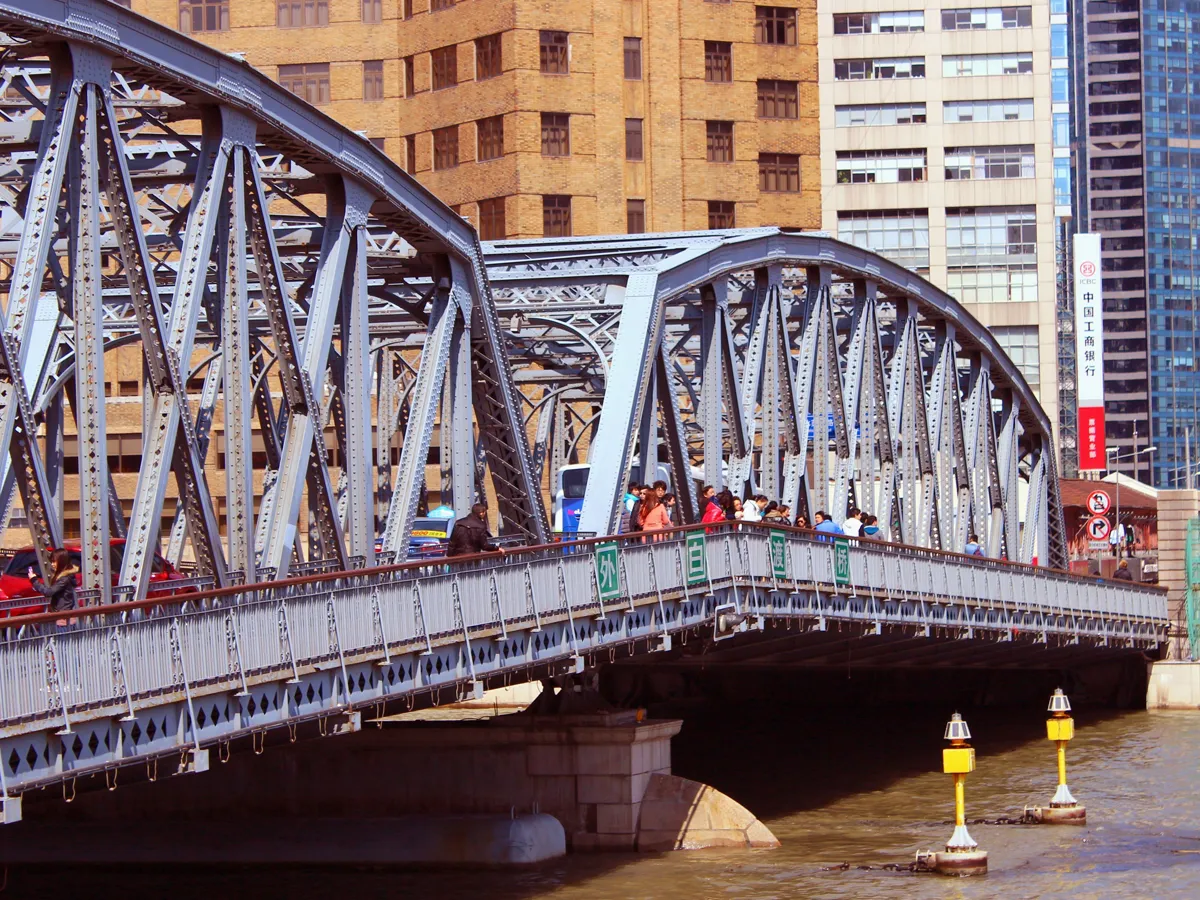
Theme: Before the bullet trains took over, Shanghai was already magic
Yu Garden (豫园)
A 400-year-old classical garden in the heart of the city. Every rock, every pond, every pavilion was designed to create a microcosm of nature. The Exquisite Jade Rock (玉玲珑) is the centerpiece — a porous limestone boulder with 72 holes that release incense smoke from every opening.
- 📍 Address: 218 Anren Street, Huangpu District
- 🚇 Metro Line 10, Yuyuan Garden Station
- ⏰ 9:00 AM – 4:30 PM
- 💰 ¥40 / ~$5.50
Lunch: Eat at Nanxiang Steamed Bun Restaurant (南翔馒头店) in the Yu Garden bazaar. The xiaolongbao here are ¥30–50 per serving. Yes, there’s a queue. Yes, it’s worth it.
The Bund (外滩)
Walk the Bund from south to north. 52 buildings along 1.5km representing Gothic, Baroque, Romanesque, Art Deco, and Chinese Renaissance styles. Each building tells the story of a different trading nation that shaped old Shanghai.
Best time: Late afternoon into sunset. Watch the Lujiazui skyline light up across the river as the colonial buildings glow in golden hour.
- 💰 Free
Nanjing Road (南京路)
Walk from the Bund westward along China’s most famous shopping street. It’s neon-lit and commercial, but the architecture is worth looking up at. Turn off at any side street for quieter, more interesting finds.
🛏️ Stay near: Nanjing East Road or People’s Square — central for everything
Day 2: Shanghai → Hangzhou — West Lake by Bike
Theme: The most famous lake in China
Morning: Train to Hangzhou
| Detail | Info |
|---|---|
| Route | Shanghai Hongqiao → Hangzhou East |
| Duration | ~45 minutes |
| Price | ¥75–130 / ~$10–18 |
| Frequency | Every 10–15 minutes |
West Lake (西湖)
UNESCO World Heritage Site, and one of the most romantic places in China. The “Ten Scenes of West Lake” have been celebrated in poetry for centuries. Rent a bike and ride the 15km loop around the lake — it’s flat, scenic, and there are tea houses every few hundred meters.
Highlights along the loop:
-
Su Causeway (苏堤) — Built by poet Su Dongpo in 1089. Willow trees line both sides
-
Broken Bridge (断桥) — The most famous bridge in Chinese literature. Legend says it’s where a white snake spirit fell in love with a mortal
-
Three Pools Mirroring the Moon (三潭印月) — Three stone pagodas in the middle of the lake. On Mid-Autumn Festival, candles inside each pagoda reflect 33 moons on the water
-
📍 Hangzhou, West Lake Scenic Area
-
💰 Free (boat ride ¥55 / ~$7.60)
-
🕐 Spend 3–4 hours cycling
Longjing Tea Village (龙井村)
After the lake, ride or Didi to Longjing village. This is where the world’s most famous green tea is grown. Sit at a family-run tea house, taste fresh-picked Dragon Well tea, and watch the tea terraces roll down the hillsides.
Tip: Buy tea directly from farmers (¥100–300 / ~$14–41 per 50g for first flush). Tourist shops charge triple.
🛏️ Stay near: West Lake area — Hefang Street or Nanshan Road for walkability
Day 3: Hangzhou — Temples, Silk & Night Market
Theme: Spiritual morning, sensory evening
Lingyin Temple (灵隐寺)
One of the largest Buddhist temples in China, founded in 328 AD. The main hall is enormous — the reclining Buddha inside is 24 meters long. The surrounding forest is filled with carved stone Buddhas dating back to the Song Dynasty.
- 📍 Address: 1 Fayun Road, Xihu District
- ⏰ 7:00 AM – 5:30 PM
- 💰 ¥75 / ~$10.40 (includes Fei Lai Feng entrance)
- 🕐 1.5–2 hours
My advice: Go at opening time. By 10 AM, tour groups arrive in waves and the peaceful atmosphere vanishes.
China National Silk Museum
Hangzhou was the center of the ancient Silk Road’s production. This museum tells the whole story — from silkworm to fabric. The dyeing demonstrations are surprisingly fascinating.
- 📍 Address: 73-1 Yuhuangshan Road
- ⏰ 9:00 AM – 5:00 PM (closed Mondays)
- 💰 Free
Hefang Street (河坊街)
Evening market street with food stalls, traditional medicine shops, and craft vendors. Try ding shi bing (定胜饼, victory cakes) — a Hangzhou specialty with a sweet red bean filling. ¥5 per cake.
Day 4: Hangzhou → Suzhou — Gardens & Canals
Theme: Chinese garden art at its peak
Morning: Train to Suzhou
| Detail | Info |
|---|---|
| Route | Hangzhou East → Suzhou North |
| Duration | ~1.5 hours |
| Price | ¥120 / ~$17 |
| Frequency | Every 20–30 minutes |
Humble Administrator’s Garden (拙政园)
The largest and most famous classical garden in China. Built in 1509, it’s a masterwork of Chinese landscape design — every view is a carefully composed painting. The garden covers 5.2 hectares with 31 pavilions, 18 bridges, and countless rockeries.
The genius of Suzhou gardens is that they create “borrowed views” — each window and doorway frames a different scene. You’re always seeing the next space through a circular moon gate or a hexagonal window.
- 📍 Address: 178 Northeast Street, Gusu District
- 🚇 Metro Line 4, Beisi Ta Station
- ⏰ 7:30 AM – 5:30 PM
- 💰 ¥80 / ~$11 (peak season)
Lunch: Walk to Tong De Xing (同得兴) for Suzhou-style noodles. The pork rib noodle soup is legendary. ¥25–35 / ~$3.50–5.
Pingjiang Road (平江路)
A 800-year-old canal-side street. Old whitewashed houses line the water, bridges connect both sides, and Kunqu opera performers occasionally sing from the teahouses. This is Suzhou at its most atmospheric.
- 💰 Free to walk
- 🕐 1–2 hours of wandering
Evening: Jinji Lake (金鸡湖)
Modern Suzhou’s showpiece. The lakefront has a massive music fountain, contemporary art installations, and the tallest building in Suzhou (the Gate to the East, looking like a giant pair of pants). Dinner at one of the lakeside restaurants — try Suzhou-style squirrel fish (松鼠桂鱼), a sweet-and-sour whole fish that looks like a squirrel’s tail.
🛏️ Stay near: Pingjiang Road area or Guanqian Street — traditional neighborhood
Day 5: Suzhou — Tiger Hill & Departure
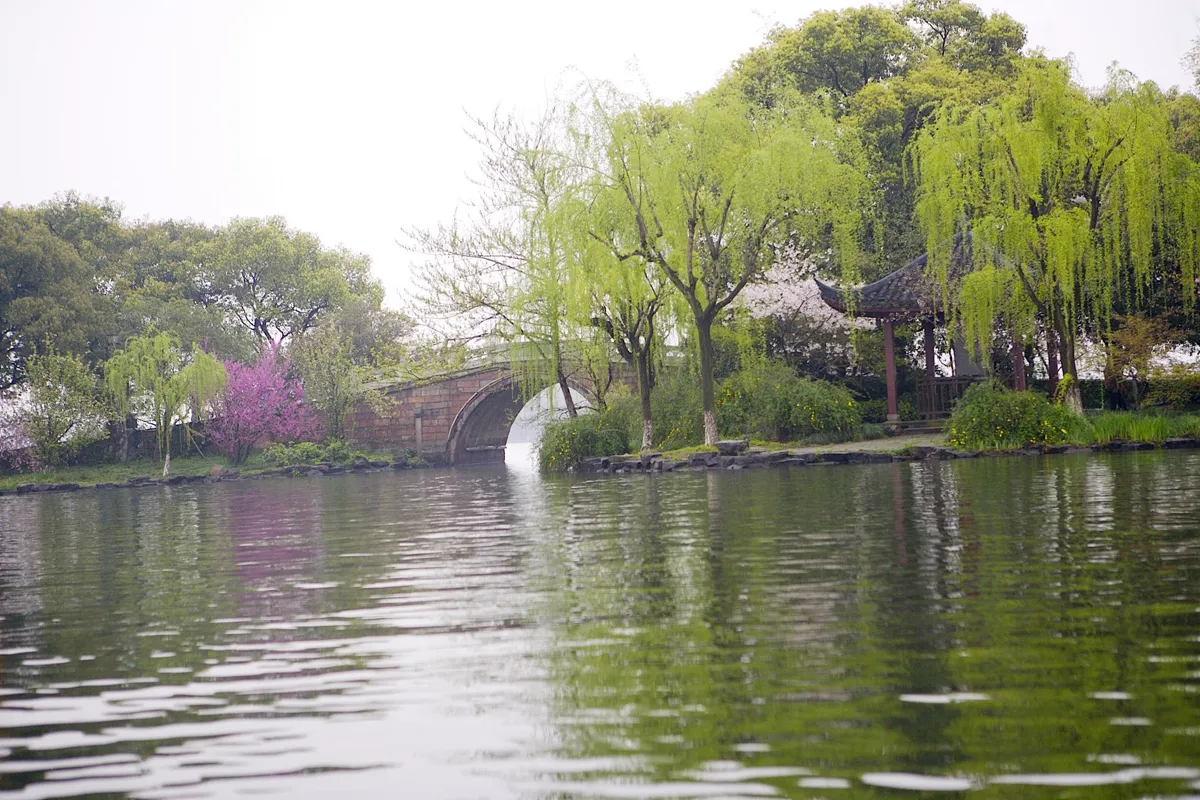
Theme: Last morning in the garden city
Tiger Hill (虎丘)
Called “the most famous hill in the Wu region” by Su Dongpo. The leaning Cloud Rock Pagoda (云岩寺塔) has been tilting for 400 years — China’s version of Pisa. The Sword Pool (剑池) legend says a king’s sword was hidden here.
- 📍 Address: 314虎丘山门内8号, Gusu District
- ⏰ 7:30 AM – 6:00 PM
- 💰 ¥60 / ~$8.30
Suzhou Museum
Right next to the Humble Administrator’s Garden. Designed by I.M. Pei (who grew up in Suzhou) — the building itself is a masterpiece. Modern geometry meets traditional Chinese architecture. Free admission.
- 🚇 Metro Line 4, Beisi Ta Station
- ⏰ 9:00 AM – 5:00 PM (closed Mondays)
- 💰 Free
Lunch: Suzhou Mooncakes
Not the traditional Mid-Autumn kind — Suzhou has a year-round savory mooncake (苏式月饼) with flaky pastry and meat filling. Huang Tianyuan (黄天源) has been making them since 1821. ¥5–8 each.
Departure
Suzhou is perfectly positioned between Shanghai (30 min by train) and Nanjing (1 hour). Fly out of Shanghai Pudong or Hongqiao airports, or continue to your next destination.
🍜 Food Recommendations
| City | Dish | Price | Where |
|---|---|---|---|
| Shanghai | Xiaolongbao (soup dumplings) | ¥30–50 / ~$4–7 | Nanxiang Steamed Bun Restaurant |
| Shanghai | Scallion oil noodles | ¥15–25 / ~$2–3.50 | French Concession shops |
| Hangzhou | Dongpo Pork (东坡肉) | ¥40–60 / ~$5.50–8 | Louwailou Restaurant |
| Hangzhou | Longjing Shrimp (龙井虾仁) | ¥80–120 / ~$11–17 | West Lake area restaurants |
| Suzhou | Squirrel Fish (松鼠桂鱼) | ¥80–120 / ~$11–17 | Jinji Lake restaurants |
| Suzhou | Suzhou Noodles | ¥25–35 / ~$3.50–5 | Tong De Xing |
💡 Practical Tips
- Train tickets are easy — Shanghai↔Hangzhou and Hangzhou↔Suzhou are frequent and cheap. No need to book more than 1 day ahead.
- Suzhou gardens are small but detailed — Don’t rush. Sit in the pavilions and watch how light plays on the water.
- West Lake is best at dawn or dusk — Midday is hot and crowded. Early morning cycling is magical.
- Tea buying — If you buy Longjing tea, taste before buying. Good Longjing is flat, smooth, and has a sweet aftertaste. Bad Longjing is bitter and curled.
- Suzhou Museum closes on Mondays — Like most museums in China. Plan accordingly.
- Rainy days are fine — Suzhou gardens are arguably MORE beautiful in the rain. The misty atmosphere is authentic.