Sanya: China’s Tropical Beach Paradise | 4 Days of Sun, Sea & Sand
I spent four days in Sanya last winter, chasing warm weather while everyone back in Beijing was freezing. Honestly? It was one of the best decisions I’ve ever made. Here’s everything I wish I knew before going.
🏖️ The Beaches
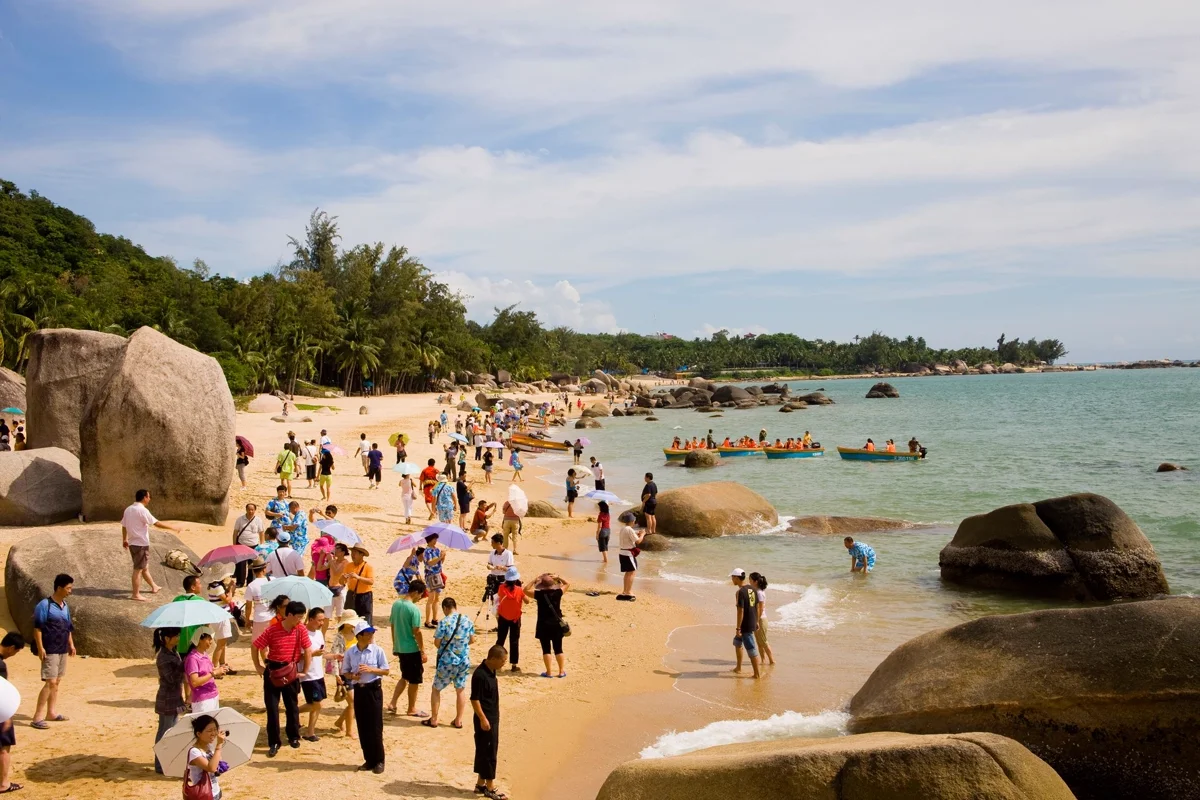
Sanya has three main beaches and picking the right one matters more than you’d think.
Yalong Bay is the postcard one. Crystal clear water, white sand, the whole “tropical paradise” vibe dialed up to eleven. But here’s the thing — it’s also the most expensive area. Hotels here easily run ¥800-2000/night (~$110-275). The beach itself is public, so you can visit without staying at a resort.
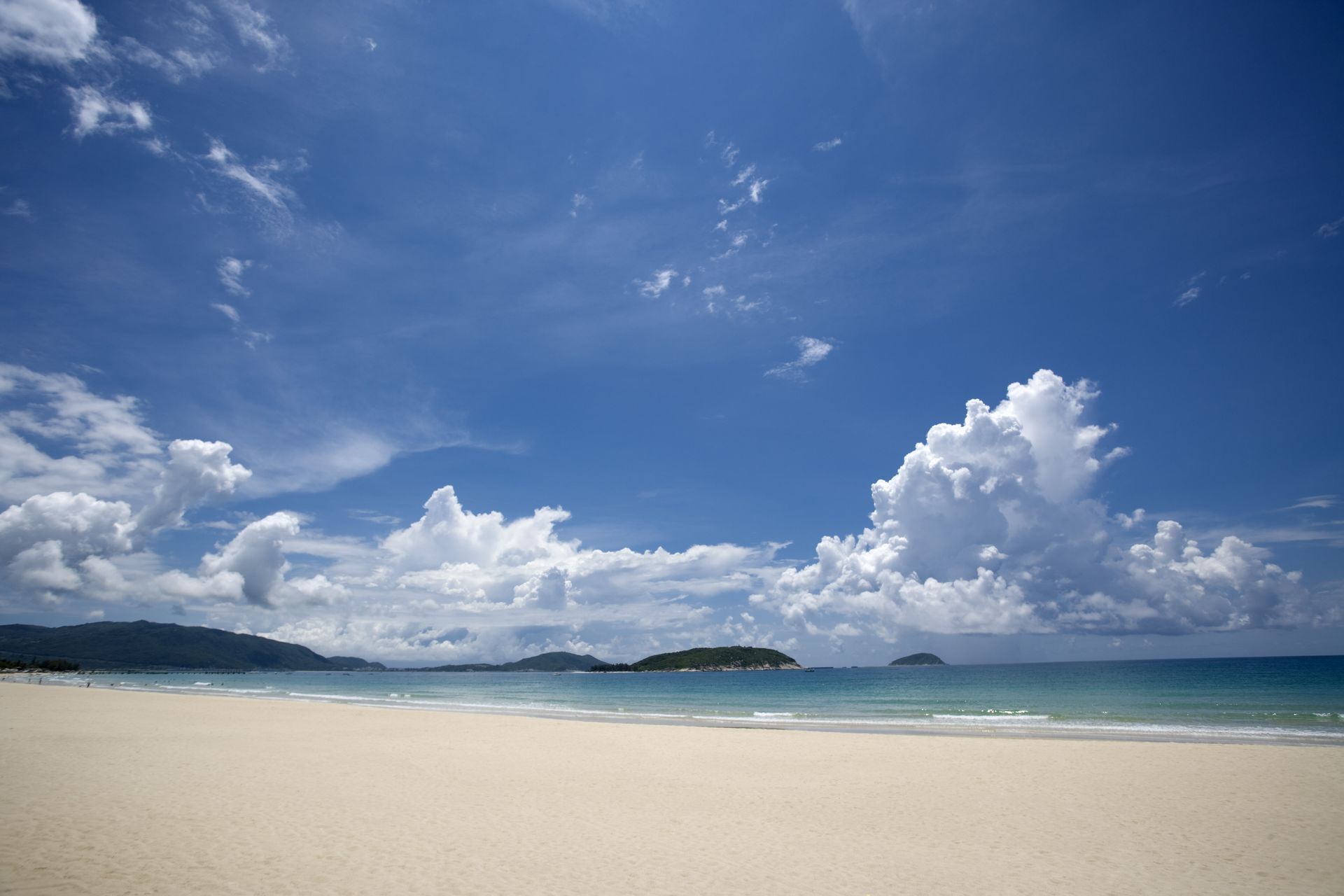
I’d say if you only have one beach day, Yalong Bay is the one. Get there early though — by 10am the parasailing vendors are in full swing and the chill factor drops fast.
Dadonghai is where the locals go, and honestly where I ended up spending most of my beach time. It’s closer to the city center, cheaper for food and drinks, and the vibe is more “real people relaxing” than “influencer photoshoot.” The water isn’t quite as clear as Yalong, but it’s still gorgeous.
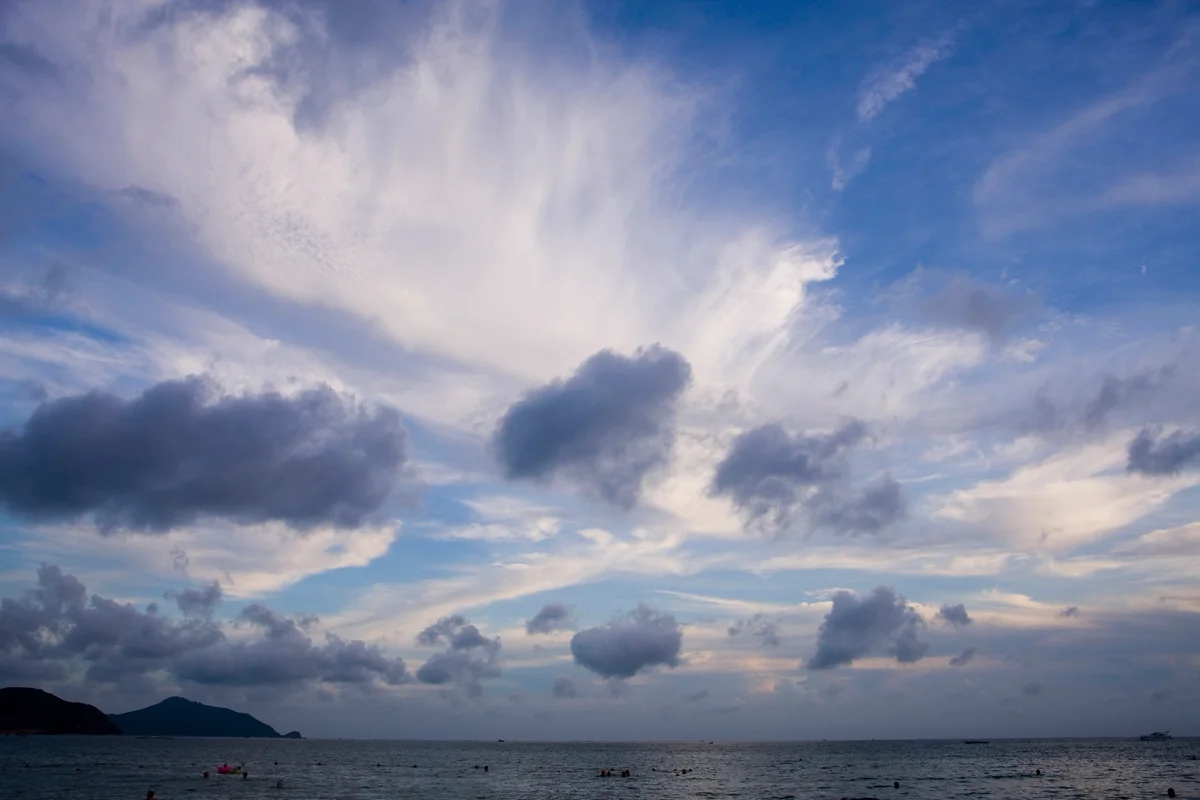
The seafood restaurants along Dadonghai’s strip are actually decent and won’t rob you blind. I had a massive plate of garlic prawns for around ¥120 (~$16).
Sanya Bay is the long one — stretches for like 20 kilometers. It’s great for sunset walks because it faces west. Not as swimmable as the other two (more rocky in parts), but the sunsets are absolutely unreal. I walked along it one evening and the whole sky went orange and pink. No filter needed.
My pick: Dadonghai for everyday beach vibes, Yalong Bay if you want that one perfect beach photo, Sanya Bay for sunset.
🧘 Relax & Unwind
Let’s be real — half the reason people come to Sanya is to do absolutely nothing. And there’s no shortage of options.
The resort scene here is next level. Even if you’re not staying at one of the luxury properties, many offer day passes for their pools and beach access. I did a day pass at a Yalong Bay resort for around ¥200 (~$27) and spent the whole afternoon floating in an infinity pool overlooking the ocean. Worth every cent.
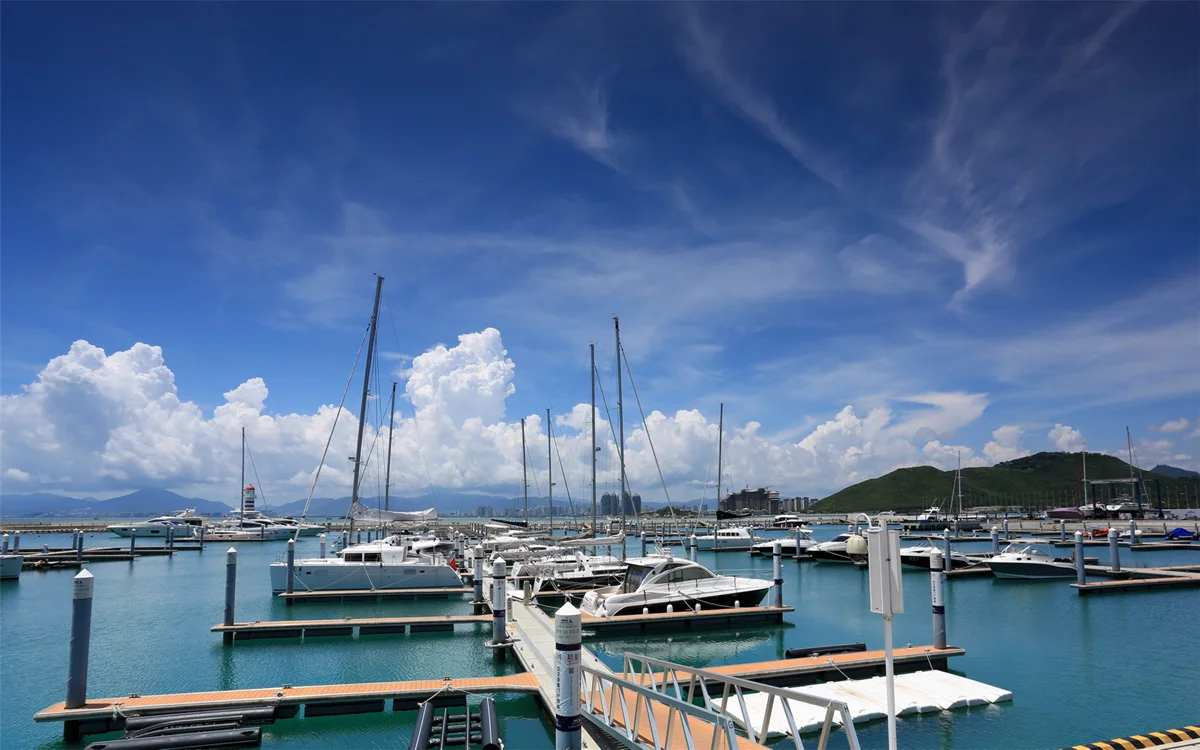
If you want something a bit more upscale, the Ban Shan Peninsula area has a whole marina scene going on. Yachts, beach clubs, cocktail bars with ocean views. It’s the kind of place where you order a coconut and just watch the boats come in.
For sunset cocktails, there are a few rooftop bars along Sanya Bay that do happy hour specials. I found a spot where the mojitos were ¥48 (~$7) and the view was a million bucks. Ask your hotel for recommendations — every taxi driver also seems to know the best spots.
Spa and massage places are everywhere, and they’re surprisingly affordable. A 90-minute Thai massage runs about ¥200-300 (~$27-40). Just make sure you go to a reputable place — some of the sketchy ones near the tourist traps aren’t great.
One thing that surprised me about Sanya was how quiet the mornings are. I started each day with a sunrise walk along the beach, and it was blissful — just fishermen hauling in their catch and a few locals doing tai chi. If you’re not a morning person, Sanya might convert you.
🏄 Activities
Okay, if lying on a beach all day sounds too easy (some people are like that, no judgment), Sanya has plenty to keep you busy.
Wuzhizhou Island is the big one. It’s about a 20-minute speedboat ride from the mainland and it’s basically paradise on a smaller scale. The snorkeling here is genuinely good — I could see tropical fish in the shallows without even putting on a mask.
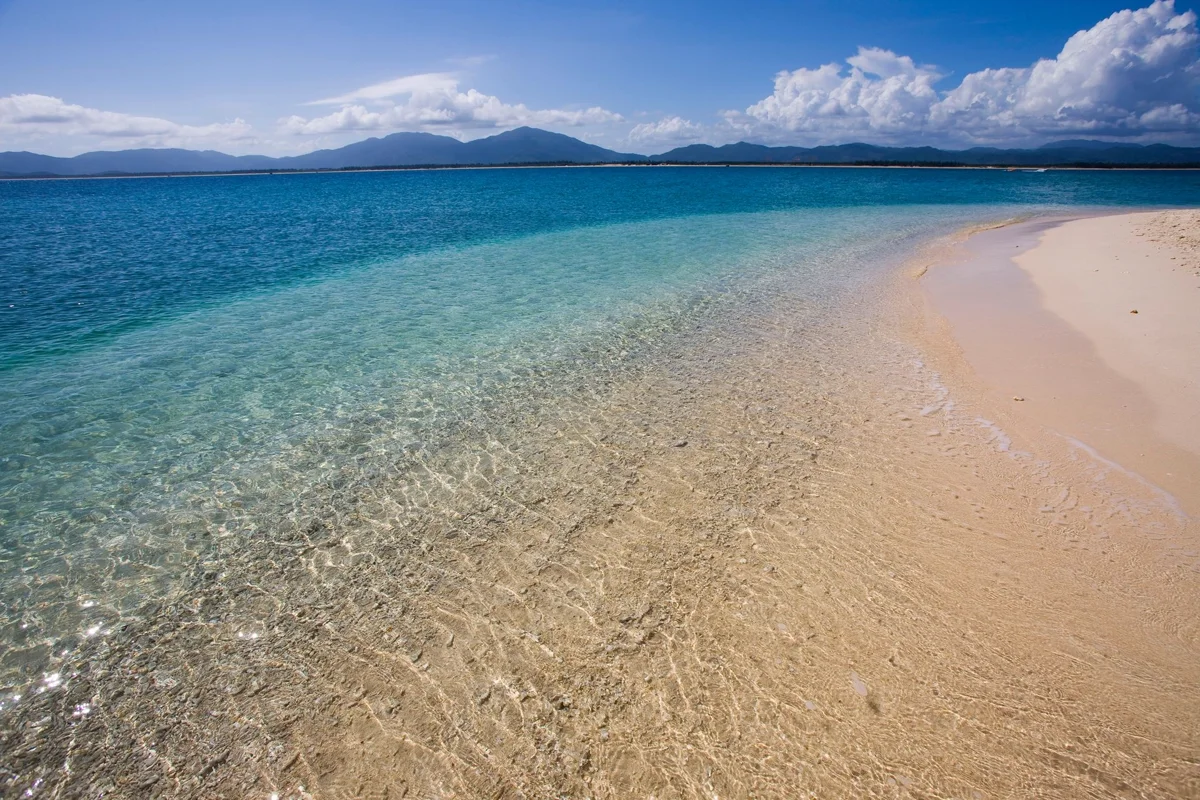
The island itself takes about half a day to explore properly. There’s a loop trail that goes around the whole thing, and you’ll find hidden beaches and viewpoints along the way. Entry is ¥144 ($20) plus the boat ticket at ¥80 ($11) each way. Budget a full day for this one.
Snorkeling and diving — besides Wuzhizhou, there are a few other spots around Sanya. If you’re a certified diver, the coral reefs off the southern coast have some decent visibility. Snorkeling trips from the beach cost around ¥150-300 (~$20-40) depending on where you go.
Water sports are big here. Parasailing at Yalong Bay runs about ¥280 ($38), banana boats around ¥100 ($14), and jet skis ¥200-300 (~$27-40). I did the parasailing and it was honestly terrifying and amazing at the same time. The view from up there — just blue ocean in every direction — is something I won’t forget.
Hiking Luhuitou Park is a nice change of pace if your legs are tired of sand. It’s a hillside park in the city with a famous deer statue at the top and panoramic views of Sanya’s coastline. Free entry, takes about 1-2 hours to walk up and around.
🙏 Culture & Sights
Sanya isn’t all beaches and cocktails — there’s actually some cool stuff to see.
Nanshan Guanyin (the giant three-sided Buddha statue standing in the ocean) is one of those things that’s bigger in person than any photo can capture. The statue is 108 meters tall — that’s like a 35-story building — and it sits on a platform in the sea. There’s a whole Buddhist cultural park around it with temples and gardens.
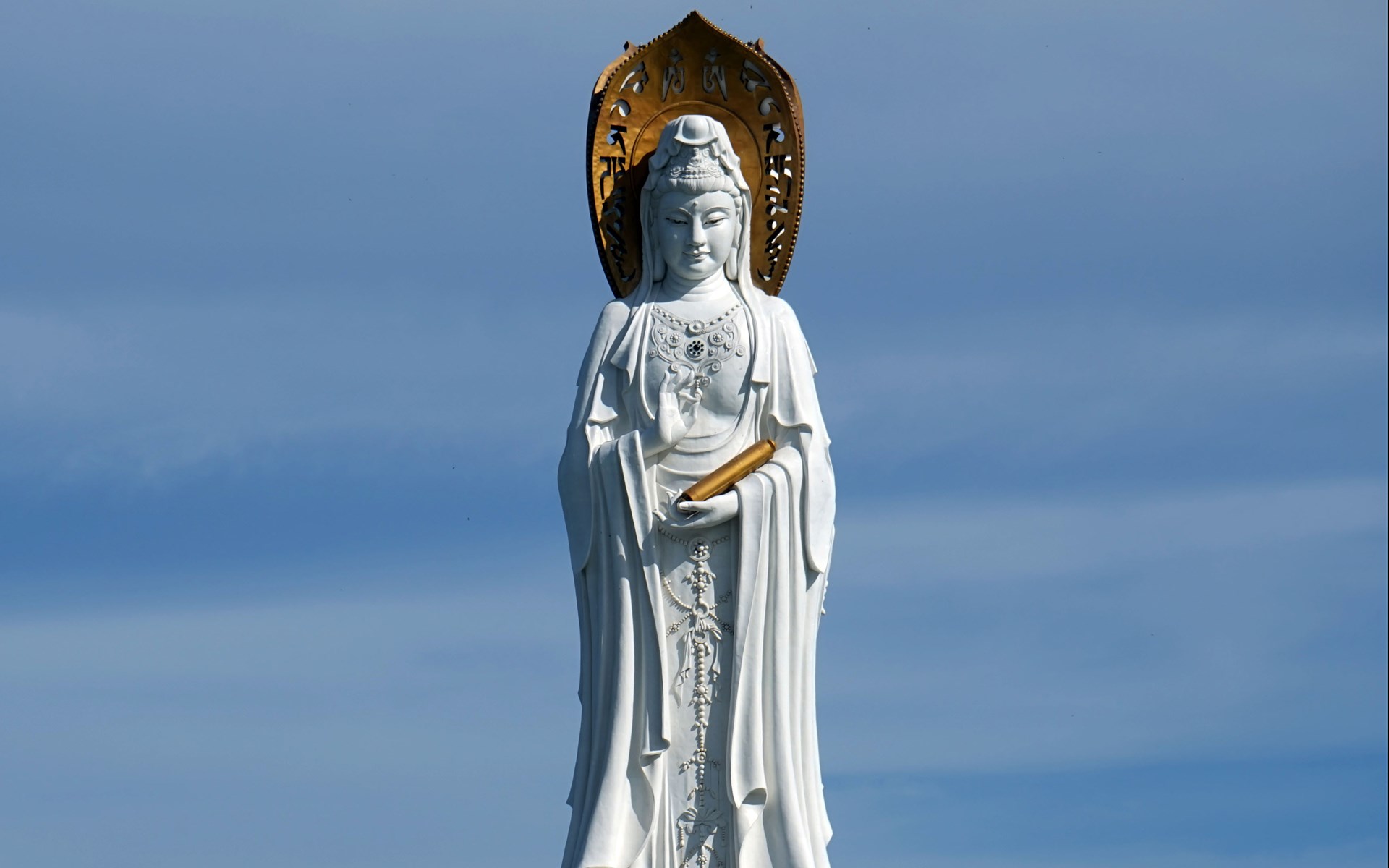
The entrance fee is ¥108 (~$15), which includes the park and the statue area. I went on a weekday morning and it was peaceful — just me and a handful of monks. The walk out to the statue along the causeway is beautiful, with the ocean on both sides.
Tianya Haijiao is the most famous landmark in Sanya — it literally means “Edge of the Sky, Corner of the Sea.” It’s a rocky coastline with huge boulders and the iconic carved Chinese characters. It’s a bit touristy and the entrance fee of ¥81 (~$11) felt steep for what it is, but the rock formations and ocean views are genuinely dramatic, especially at sunset.
Luhuitou Park I already mentioned for the hike, but the cultural bit is the love legend — there’s a statue of a hunter and a deer at the top, tied to a local love story. It’s a quick cultural detour that adds some meaning to the climb.
Pro tip: If you’re into photography, Tianya Haijiao at sunset is the shot. Get there by 5pm and stake out a spot near the big “天涯” rock. The golden light on those boulders with the ocean crashing behind — chef’s kiss.
Also worth mentioning: there’s a duty-free shopping mall in Haitang Bay that’s enormous. If you’re into luxury goods, prices here can be significantly cheaper than back home thanks to tax exemptions. I didn’t go too wild, but I did pick up a few things.
🍜 Food
Alright, the food. Sanya is a seafood paradise and you should eat seafood every single day you’re there. Seriously.
Seafood markets are the way to go. The Jiefang Road area has a bunch of them where you pick your fish, prawns, crab, whatever — and then take it to a nearby restaurant to cook. It’s fresh, it’s cheap compared to hotel restaurants, and it’s an experience. I got a whole lobster, some prawns, and a fish for about ¥250 ($34) total, then paid the restaurant ¥50 ($7) to cook it three ways.
Coconut chicken (椰子鸡) is a Sanya must-try. It’s basically a hotpot where the broth is pure coconut water with chicken. Sounds simple but the flavor is incredible — sweet, savory, refreshing. There’s a chain called “Zhu Xiaojie Coconut Chicken” that’s everywhere and consistently good. Around ¥150-200 (~$20-27) for two people.
Tropical fruits are everywhere and absurdly cheap. Mangoes, dragon fruit, jackfruit, rambutan, starfruit — I was eating mangoes for breakfast, lunch, and dinner. A whole bag of mixed fruit from a street vendor costs like ¥20 (~$3).
Hainanese chicken rice (文昌鸡) originated on this island and is one of China’s most famous dishes. Tender poached chicken with fragrant rice cooked in chicken broth. Simple but perfect. Look for it at local restaurants rather than tourist spots — the difference is night and day.
Oh, and Hele crab is a local specialty — small but incredibly sweet. If you’re there between September and December, absolutely get some.
Food tip: Don’t eat at the first restaurant you see near any major attraction. Walk two blocks in any direction and prices drop by 30-40%.
💰 Budget
Here’s what four days in Sanya actually costs, roughly:
| Category | Budget (¥) | Budget ($) |
|---|---|---|
| Accommodation (3 nights, mid-range) | ¥1,200-1,800 | $165-245 |
| Food (4 days) | ¥600-900 | $80-125 |
| Activities (Wuzhizhou + one beach sport) | ¥500-700 | $70-95 |
| Entrance fees (Nanshan + Tianya Haijiao) | ¥190 | $26 |
| Transport (taxis/DiDi) | ¥300-500 | $40-70 |
| Shopping & miscellaneous | ¥200-400 | $27-55 |
| TOTAL | ¥3,000-4,300 | $410-590 |
This is for one person. Couples can save a bit on accommodation and transport per person.
Budget travelers can squeeze it to ¥2,500 ($340) by staying in hostels and skipping the fancy stuff. Luxury seekers… honestly the sky’s the limit. A night at the Atlantis Sanya can run ¥3,000+ ($410+).
Money-saving tips: Book hotels on Chinese apps like Ctrip or Meituan — they’re way cheaper than international booking sites. Eat where locals eat. Take the bus instead of taxis when possible (Sanya’s bus system is decent).
❓ FAQ
When is the best time to visit Sanya? October to March is the sweet spot. The weather is warm (25-30°C / 77-86°F), humidity drops, and it’s peak season so everything is open and running. July-September is scorching hot and that’s typhoon season — I’d avoid it if you can. Chinese New Year (January/February) is the busiest and most expensive time.
What about typhoons? Are they dangerous? Typhoon season runs roughly June through October. Most typhoons don’t directly hit Sanya, but they can disrupt travel plans — ferry services to Wuzhizhou get cancelled, and outdoor activities might be off. Check weather forecasts before you go and consider travel insurance. If a typhoon is coming, the government is pretty good about early warnings and evacuations.
Do I need to speak Chinese? Helpful but not essential. Most hotel staff and tour operators speak some English. At local restaurants and markets, you’ll mostly need pointing and a translation app. Download Baidu Translate or Google Translate with offline Chinese language pack before you go.
How do I get around? DiDi (China’s Uber) works great in Sanya and is cheap — most rides within the city are ¥15-30 (~$2-4). There’s also a bus system that covers major areas. If you want to explore further afield (like Wuzhizhou or Nanshan), renting a car is an option but driving in China requires an international driving permit. Most people just hire a driver for the day (¥400-600 / $55-80).
Is Sanya safe for solo travelers? Very. Sanya is one of the safest tourist destinations I’ve been to. Petty crime is rare, locals are friendly, and the tourist infrastructure is well-developed. Solo female travelers should exercise normal precautions but I never felt unsafe.
Can I use credit cards? China runs on mobile payments (WeChat Pay and Alipay). Credit cards are accepted at hotels and upscale restaurants, but most local shops and vendors are cash or mobile pay only. Set up Alipay or WeChat Pay before you go — it’s a game changer. Foreign visitors can now link international credit cards to both platforms.
*Sanya hooked me from day one. There’s something about that mix of warm ocean air, fresh seafood, and zero agenda that just resets your brain. Whether you’re a beach bum, a foodie, or someone who just needs to decompress — Sanya delivers. Go before the rest of the world catches on.
Oh, one more thing — bring sunscreen. Lots of it. The tropical sun here is no joke, and I learned that the hard way on day one. SPF 50 minimum, reapply every two hours, and don’t forget your ears and the back of your knees. You’ll thank me later.*