The Three Confucian Sites of Qufu: Where China’s Soul Was Born 📜🏛️🌳
📅 2026 Edition · 📍 Cultural Enthusiasts & History Lovers · ⏱️ Half-Day to Full Day
I first visited Qufu on a gray November morning, the kind of drizzly day that makes ancient stone look like it’s weeping. I expected old buildings. What I didn’t expect was the weight of it — the way the air itself seemed thicker inside the temple walls, as if two and a half millennia of reverence had settled into the wood and stone and never quite left.
The Three Confucian Sites of Qufu — the Temple of Confucius, the Kong Family Mansion, and the Cemetery of Confucius — are collectively known as Sān Kǒng (三孔), and they form the spiritual epicenter of Chinese civilization. Confucius was born here in 551 BC, and his legacy never left. UNESCO recognized the sites in 1994, calling them “an unparalleled testimony to the cultural tradition of Confucianism” — but that官方 language understates what it actually feels like to walk through these gates. You are not visiting a museum. You are standing inside the bones of a philosophy that shaped a billion lives.
◆ The Temple of Confucius (孔庙) — A Cathedral of Memory
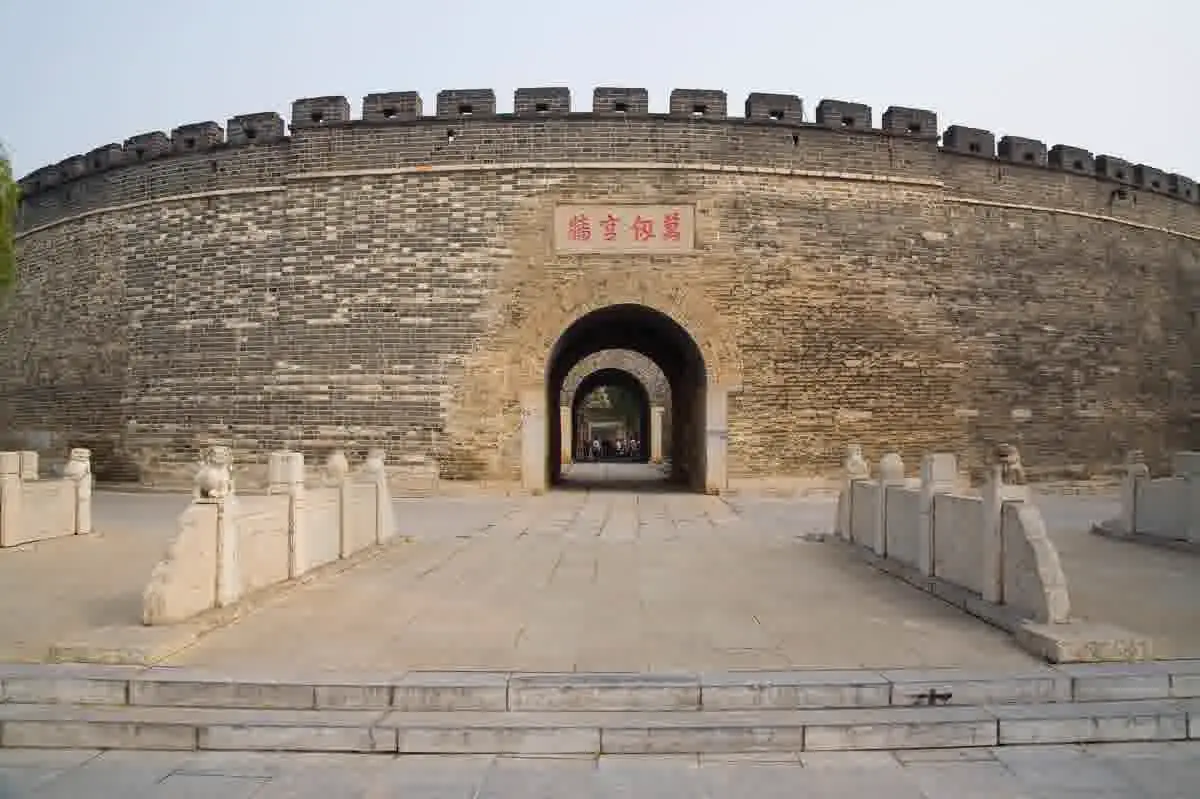
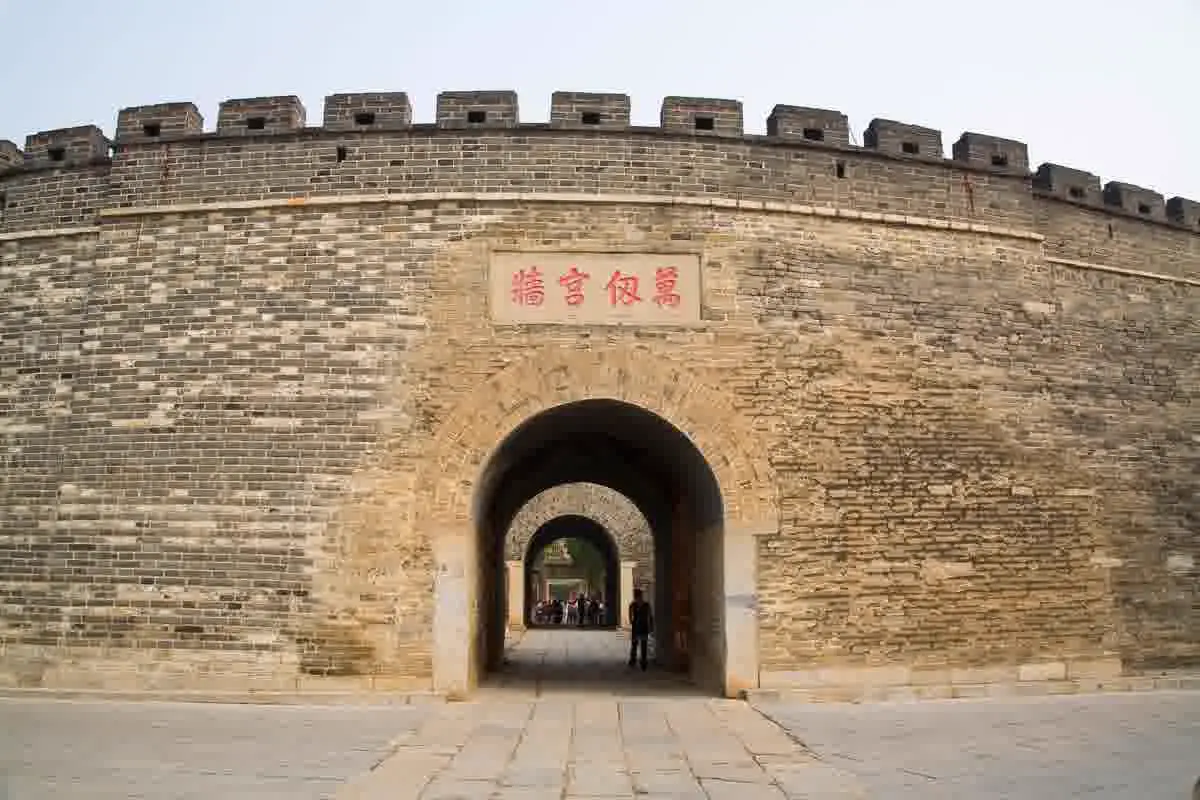
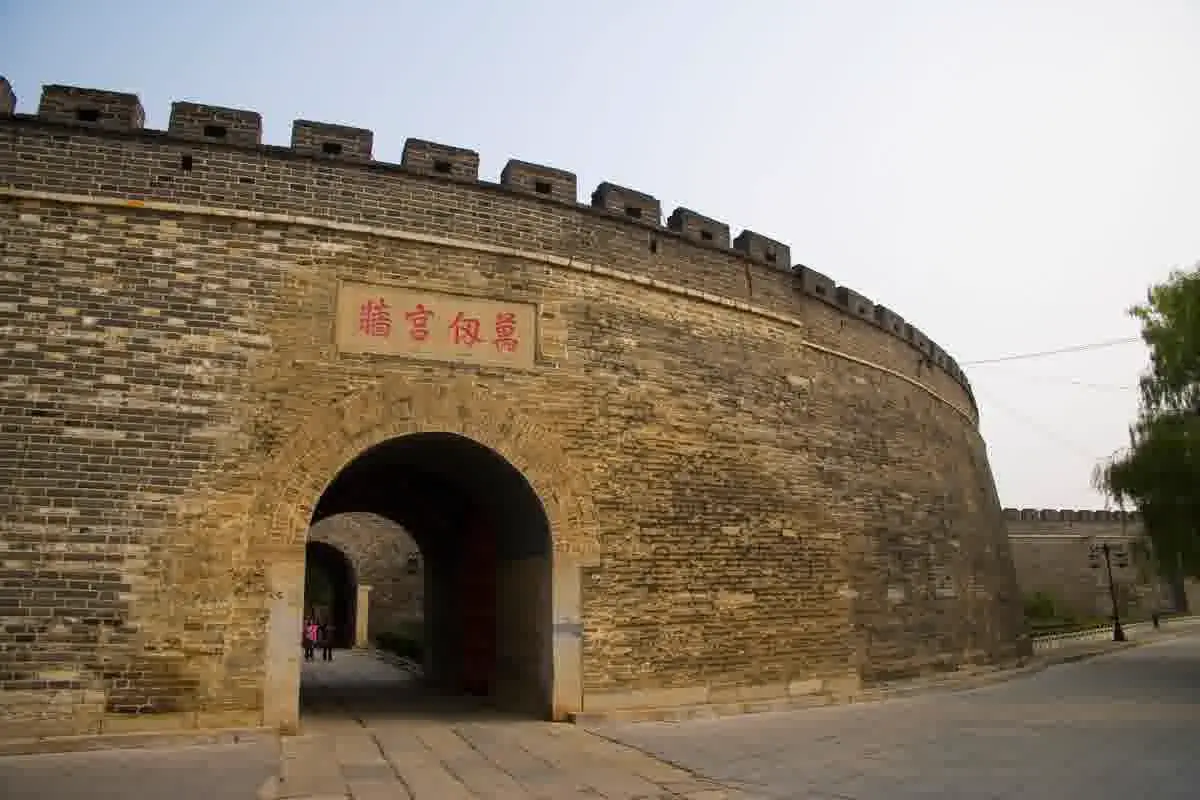
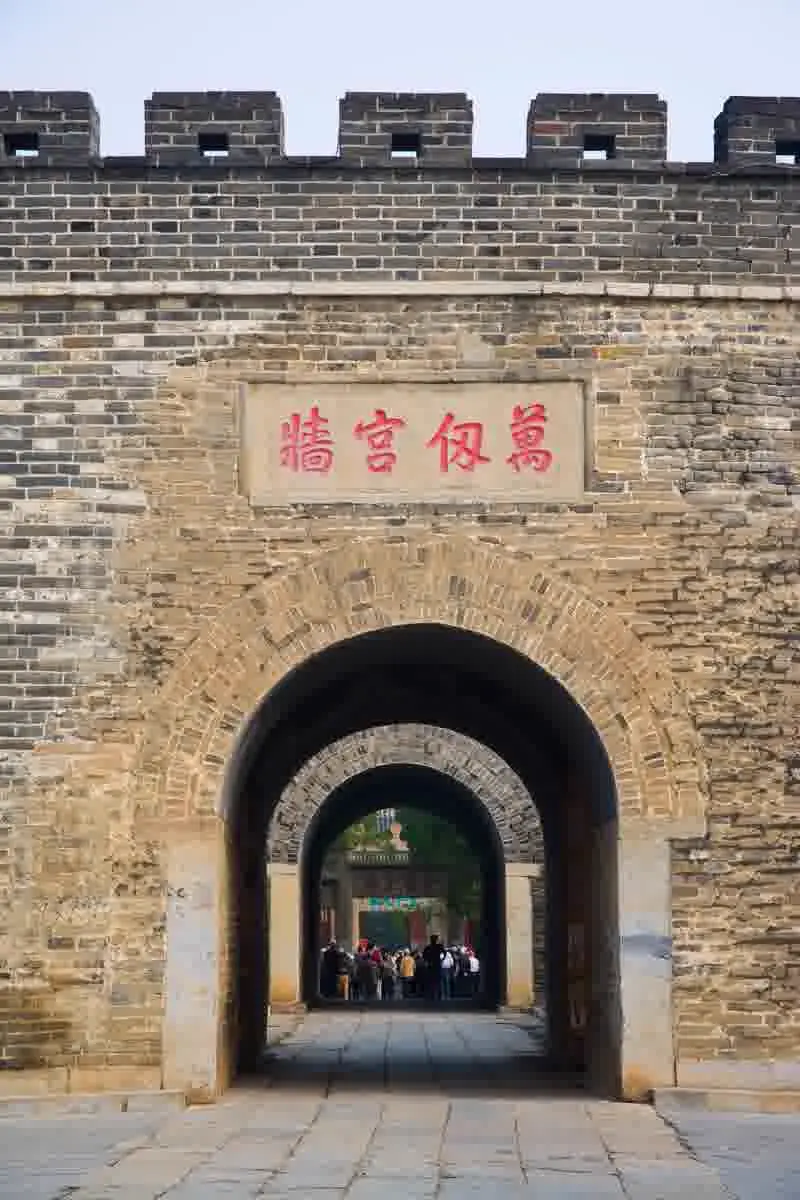
The Temple of Confucius is the second largest ancient building complex in China — second only to the Forbidden City in Beijing. Let that sink in. A philosopher’s memorial outranks every other structure except the imperial palace itself. The complex stretches across 14 hectares, containing nine courtyards, 466 halls and rooms, and a forest of ancient cypress trees that were already old when Marco Polo was still a teenager.
You enter through the Lingxing Gate (棂星门), a triple-arched stone gateway modeled on the gate of heaven. The name means “Star Gate” — in Confucian cosmology, the stars are the highest form of beauty, and this is where the earthly temple reaches toward them.
The Lingxing Gate is the psychological threshold. Once you pass through, the modern world recedes. The courtyards deepen, the walls rise, and the scale shifts from human to monumental.
◆ Dacheng Hall: The Hall of Great Completion
The crown jewel is Dacheng Hall (大成殿), the Hall of Great Completion. Built in 1018 AD and restored repeatedly since, it is the largest ancient wooden hall in China. Its dimensions rival the throne halls of the Forbidden City — 34 meters wide, 24.8 meters deep, 32 meters high — and the double-eaved roof is covered in golden-yellow tiles, a color once reserved exclusively for emperors.
The pillars are extraordinary. Twenty-eight stone columns, each carved with intertwining dragons — five claws per dragon, five dragons per pillar. In the Ming dynasty, when the emperor’s own throne had only four-clawed dragons, these five-clawed temple dragons outranked the imperial ones. The message was clear: Confucius held a higher status than any living sovereign.
◆ The Apricot Altar (杏坛)
Behind Dacheng Hall sits the Apricot Altar, a pavilion marking the spot where Confucius is said to have taught his disciples. The original apricot tree is long gone, but the spirit persists. In spring, fresh apricot blossoms fill the courtyard, and the scent of petals mingles with centuries-old incense. It is, paradoxically, one of the most intimate spaces in a complex designed for awe — a reminder that Confucius was not a deity. He was a teacher who sat under a tree and talked about how to live.
◆ The Stele Pavilions
Scattered throughout the temple are thirteen stele pavilions, each housing massive stone tablets erected by successive emperors. The oldest dates to the Tang dynasty (611 AD); the newest to the Qing. Every emperor who wished to legitimize his rule came here and left a stone inscription — a public confession that no matter how much power they wielded, Confucius’ moral authority still outranked theirs. The calligraphy on these steles is museum-quality, and for anyone who reads Chinese, they form an unbroken narrative of imperial deference to philosophy spanning over a thousand years.
◆ The Kong Family Mansion (孔府) — Where Blood Met Bureaucracy
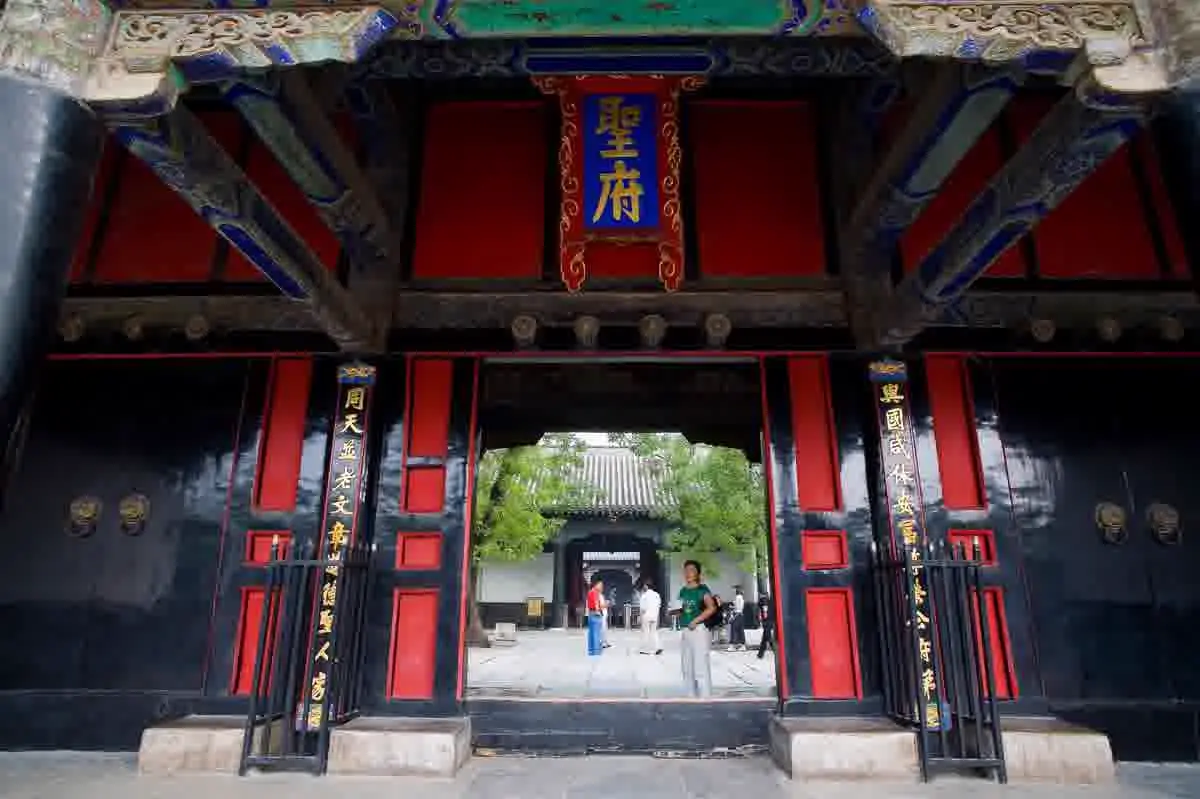
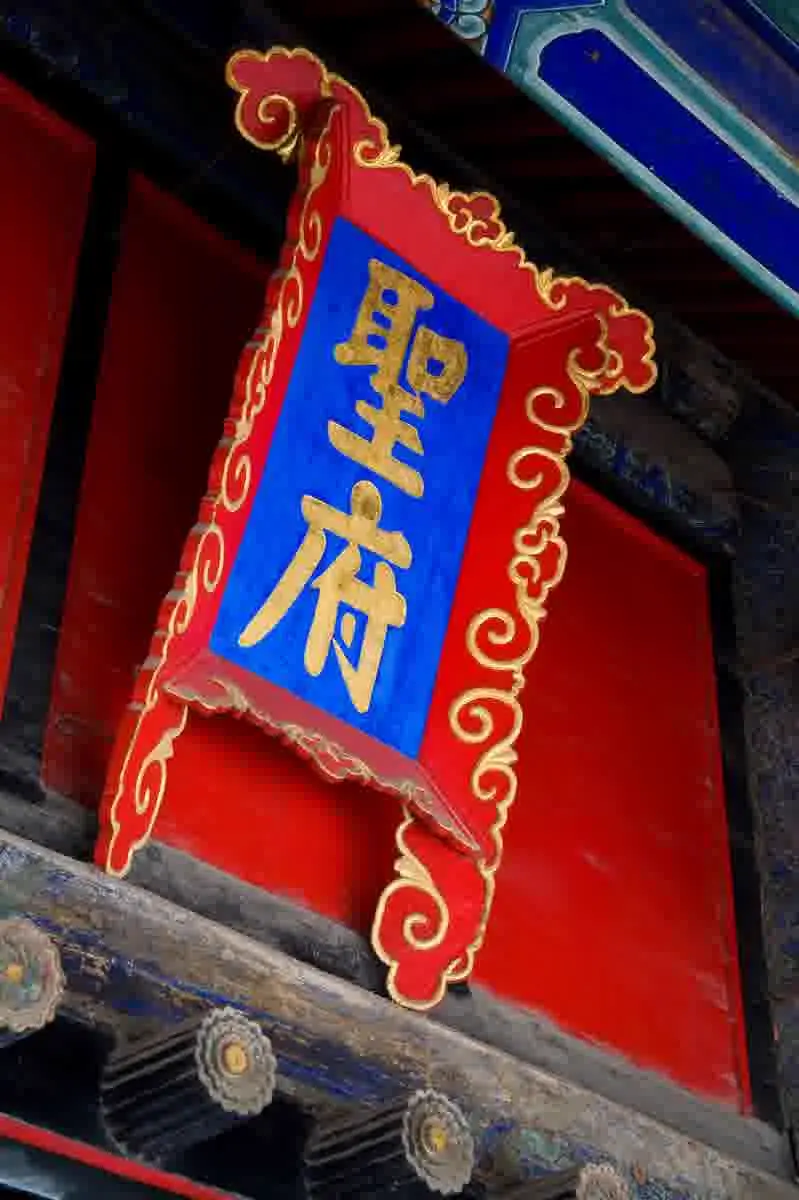
If the temple is the spiritual heart of Confucianism, the Kong Family Mansion is its bureaucratic backbone. Built adjacent to the temple in 1038 AD, this was the official residence of the direct descendants of Confucius — a lineage that has been continuous for over 2,500 years, now in its 83rd generation. The head of the family holds the hereditary title Chéngyìn Gōng (成义公), Duke of Succession, and historically operated as a semi-autonomous government within Qufu.
The mansion contains 152 halls and rooms organized along a strict north-south axis. The front section served as the administrative offices — where the Duke’s secretaries managed estates, adjudicated disputes, and maintained the vast records of the Kong family genealogy. The rear section was the private living quarters, where generations of the Kong family lived, ate, argued, and died.
◆ The Garden
Tucked behind the residential quarters is a garden that surprises. After the severe formality of the public halls, the garden opens into a landscape of winding paths, rockeries, ponds, and ancient trees — a deliberate echo of the private gardens of Suzhou, but with a distinctly northern austerity. The most remarkable feature is a 400-year-old cypress tree that splits into two trunks, symbolizing the two branches of the Kong family line. I stood there for a long time, staring at those two trunks growing from a single root, and thought about what it means to carry a family name for eighty-three generations.
◆ The Cemetery of Confucius (孔林) — The Oldest Continuous Family Cemetery on Earth
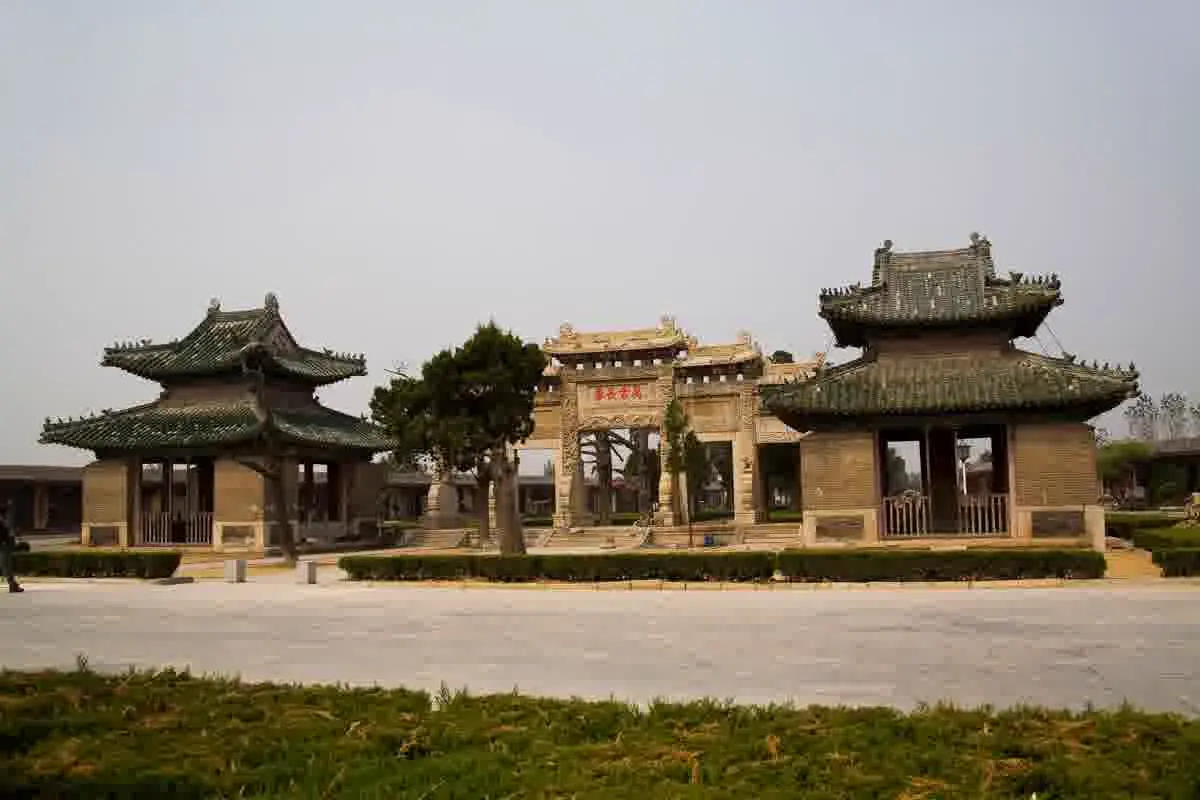
The Cemetery of Confucius is where things get genuinely haunting. Established in 479 BC — the year of Confucius’ death — it is the oldest continuously used family cemetery in the world. Over 2,500 years, more than 100,000 descendants have been buried here, including Confucius himself, his sons, his grandsons, and generation after generation of the Kong family.
The cemetery covers two million square meters — about 200 hectares — making it one of the largest enclosed burial grounds on the planet. A tree-lined avenue called the Sacred Way (神道) leads to the tomb, flanked by stone figures of officials, animals, and mythical creatures that watch over the dead with the same silent formality they wore in life.
◆ The Tomb of Confucius
The tomb itself is modest — a simple mound of earth, no grand mausoleum, no elaborate carvings. The inscription on the stone marker reads: Dà Sīkǒng Zhòngní Zhī Mù (大司空仲尼之墓), “The Tomb of the Great Minister Confucius.” There is a deliberate simplicity here, consistent with Confucius’ own teachings about humility and propriety. The man who taught the world about ren (仁, benevolence) rests beneath a mound no larger than a farmer’s grave — and that, in its way, is the most powerful statement of all.
Confucius’ tomb teaches the same lesson his philosophy does: True greatness requires no ornament.
◆ The Forest
The cemetery is not just a graveyard — it is a forest. Over 100,000 ancient trees grow here, many planted by successive generations of the Kong family. Walking through the Cemetery feels less like visiting the dead and more like entering a living cathedral of wood and stone, where the rustle of leaves is the only conversation allowed.
◆ The Architecture: Sacred Geometry
The Three Sites share a coherent architectural language that deserves its own study. The “sacred way” spirit paths connect the sites in a deliberate north-south axis, mirroring the Confucian emphasis on order and hierarchy. Every gate, every courtyard, every column follows a numerical logic — the number nine appears repeatedly (nine courtyards in the temple, nine gates in the mansion), symbolizing the highest dignity.
The dragon-carved pillars of Dacheng Hall, the calligraphic steles of the pavilions, the stone guardians of the cemetery — all communicate the same message through different media: lǐ (礼), propriety, the outward expression of inner virtue. The architecture is not decoration. It is philosophy made physical.
◆ Why Confucius Matters: The Ethics That Shaped East Asia
Confucius was not a god, not a prophet, not a conqueror. He was a man who failed at politics, wandered as a refugee for fourteen years, and spent his final years teaching students and compiling ancient texts. His followers compiled his conversations into a book called the Analects (论语), and that book became the moral foundation of Chinese civilization.
His core ideas remain startlingly relevant:
- Rén (仁) — Benevolence. Treat others as you wish to be treated. The “Golden Rule” that every culture claims, but Confucius articulated twenty-five centuries ago.
- Lǐ (礼) — Propriety. The outward rituals and social forms that express inner respect. Not empty ceremony, but structured kindness.
- Xiào (孝) — Filial piety. Respect for parents and ancestors — the foundation of the Kong family’s 2,500-year unbroken lineage.
- Jūnzǐ (君子) — The “exemplary person.” Not the powerful, not the wealthy, but the morally cultivated individual who leads by example.
These ideas spread to Korea, Japan, Vietnam, and Singapore, forming the ethical substrate of what scholars call the “Confucian cultural sphere.” The examination system that governed Chinese bureaucracy for over a millennium, the emphasis on education that persists in East Asian cultures today, the reverence for teachers and learning — all of it traces back to a man who sat under an apricot tree in Qufu and talked about how to be good.
◆ Practical Information
◆ Getting There
Qufu is in Jining, Shandong Province, approximately 230 km south of Jinan and 400 km north of Shanghai.
| Route | Mode | Duration | Cost |
|---|---|---|---|
| Beijing → Qufu East | High-Speed Rail | ~2 hours | ¥200–300 (~$28–42) |
| Shanghai → Qufu East | High-Speed Rail | ~3 hours | ¥250–350 (~$35–49) |
| Jinan → Qufu | High-Speed Rail | ~1 hour | ¥50–80 (~$7–11) |
| Qufu East Station → City Center | Bus / Taxi | ~20 min | ¥5–30 (~$0.70–4.20) |
Tip: Qufu East (曲阜东) is the high-speed rail station. The old Qufu Station (曲阜站) is also served by regular trains but has limited service.
◆ Opening Hours & Tickets
| Site | Hours | Ticket Price |
|---|---|---|
| Temple of Confucius (孔庙) | 8:00–17:00 | ¥70 (~$10) |
| Kong Family Mansion (孔府) | 8:00–17:00 | ¥50 (~$7) |
| Cemetery of Confucius (孔林) | 8:00–17:00 | ¥10 (~$1.40) |
| Combined Ticket (三孔联票) | 8:00–17:00 | ¥120 (~$17) |
Buy the combined ticket. At ¥120, it saves ¥10 compared to individual tickets and is valid for 24 hours across all three sites.
◆ Best Time to Visit
April through October offers the most pleasant weather. Spring (April–May) brings fresh greenery and blooming apricot trees at the Temple. Autumn (September–October) has golden foliage and comfortable temperatures. Summer (June–August) is hot and humid — temperatures regularly exceed 35°C (95°F) — but the ancient trees provide significant shade.
Avoid Chinese public holidays — National Day (October 1–7), Spring Festival (January/February), and the May Day holiday (May 1–5) bring crushing crowds. A quiet Tuesday in November will give you a far more meaningful experience.
◆ Time Needed
Plan half a day for all three sites (Temple + Mansion + Cemetery). The Temple alone warrants 1.5–2 hours; the Mansion takes about 1 hour; the Cemetery needs at least 1 hour. If you are a serious history buff, budget a full day.
◆ Budget: Per Person, One Day
| Category | Cost (CNY) | Cost (USD) | Notes |
|---|---|---|---|
| Combined Ticket | ¥120 | ~$17 | Temple + Mansion + Cemetery |
| Local Transport | ¥30 | ~$4 | Bus or shared taxi between sites |
| Lunch | ¥50 | ~$7 | Local Qufu cuisine |
| Water & Snacks | ¥20 | ~$3 | |
| Guide (optional) | ¥100–200 | ~$14–28 | Recommended for Temple & Mansion |
| Total | ¥320–420 | ~$45–59 |
Budget note: Qufu is remarkably affordable. The ¥120 combined ticket is one of the best values among China’s major cultural sites.
◆ Tips from Experience
Hire a guide — at least for the Temple. The architecture and inscriptions are deeply meaningful, but without context, you’ll miss most of it. A knowledgeable guide can decode the dragon pillars, explain the stele inscriptions, and tell the stories that make the buildings come alive. Guides are available at the ticket office, or book in advance through your hotel.
Wear comfortable shoes. The Temple complex alone covers a vast area with stone courtyards, and the Cemetery involves significant walking along tree-lined paths. You’ll be on your feet for hours.
Visit the Cemetery first if you want a contemplative experience. Most tourists hit the Temple and Mansion first, leaving the Cemetery quieter in the morning. The forest paths are deeply peaceful before the afternoon crowds arrive.
Combine with nearby Yan Hui Temple (颜庙) if you have extra time — it honors Confucius’ favorite disciple and is far less crowded than the Three Sites.
◆ Frequently Asked Questions
Q: Is it worth visiting all three sites, or can I skip one? A: Visit all three. The Temple is the architectural masterpiece, the Mansion is the living history, and the Cemetery is the emotional heart. Skipping any one diminishes the whole experience.
Q: Can I buy tickets online? A: Yes. Tickets are available through the WeChat mini-program “曲阜三孔” and on platforms like Ctrip (Trip.com). Online tickets sometimes offer small discounts and skip-the-line access.
Q: Is there English signage? A: Limited. The main sites have some English labels, but the depth of information is thin. This is another reason to hire a guide — or download a translation app before you go.
Q: What should I eat in Qufu? A: Qufu is famous for Kong family cuisine (孔府菜), an elaborate culinary tradition developed by the Kong household over centuries. Try Kongfu Tofu (孔府豆腐) and Kong Family Meatballs (孔府丸子) at restaurants near the Temple. The food is refined but not expensive — a full Kong family meal for two runs about ¥150–200 (~$21–28).
Q: Can I visit year-round? A: Yes. The sites are open every day of the year except for occasional closures during extreme weather. Winter visits (December–February) are cold but uncrowded — and the bare branches of the ancient cypress trees have their own austere beauty.
Q: Is Qufu a good day trip from Beijing or Shanghai? A: Yes, thanks to high-speed rail. The 2-hour journey from Beijing or 3-hour journey from Shanghai makes Qufu an easy day trip or overnight stay. If you have a free day in either city, Qufu is a profoundly rewarding detour.
The Three Confucian Sites are not just a tourist destination. They are a pilgrimage — not in the religious sense, but in the sense that any journey to the roots of a civilization’s deepest values qualifies as sacred. Confucius taught that the good life is built through daily practice: respect, learning, kindness, restraint. Standing in the courtyard of Dacheng Hall, watching sunlight fall through ancient cypress branches onto stone worn smooth by a million footsteps, you begin to understand why his followers built this place — and why, 2,500 years later, they still come.