Qinghai Lake: China’s Blue Jewel on the Roof of the World 🌊💙⛰️
📅 Version: July 2026 | 📍 Qinghai, China | ⏱️ Best for: 2–3 Days
I still remember the exact moment. We’d been driving for hours through the brown, dusty highlands of western China — nothing but brown hills and brown road and more brown — and then the driver pointed through the windshield and said, “Look.” And there it was. Qinghai Lake. An impossible sheet of blue, so vivid it looked Photoshopped, stretching out to the horizon like someone had poured the sky onto the earth and forgotten to take it back. 💙
At 3,200 meters above sea level, on the northeastern edge of the Tibetan Plateau, Qinghai Lake (青海湖) is China’s largest lake — a saltwater behemoth covering 4,583 square kilometers. That’s bigger than some countries. It’s one of those places that actually makes your jaw drop, the kind of landscape you’ve seen a thousand times on Instagram and assume must be heavily filtered. It’s not. It really is that blue. 🫠
🌊 The Lake Landscape: A Sea on the Plateau
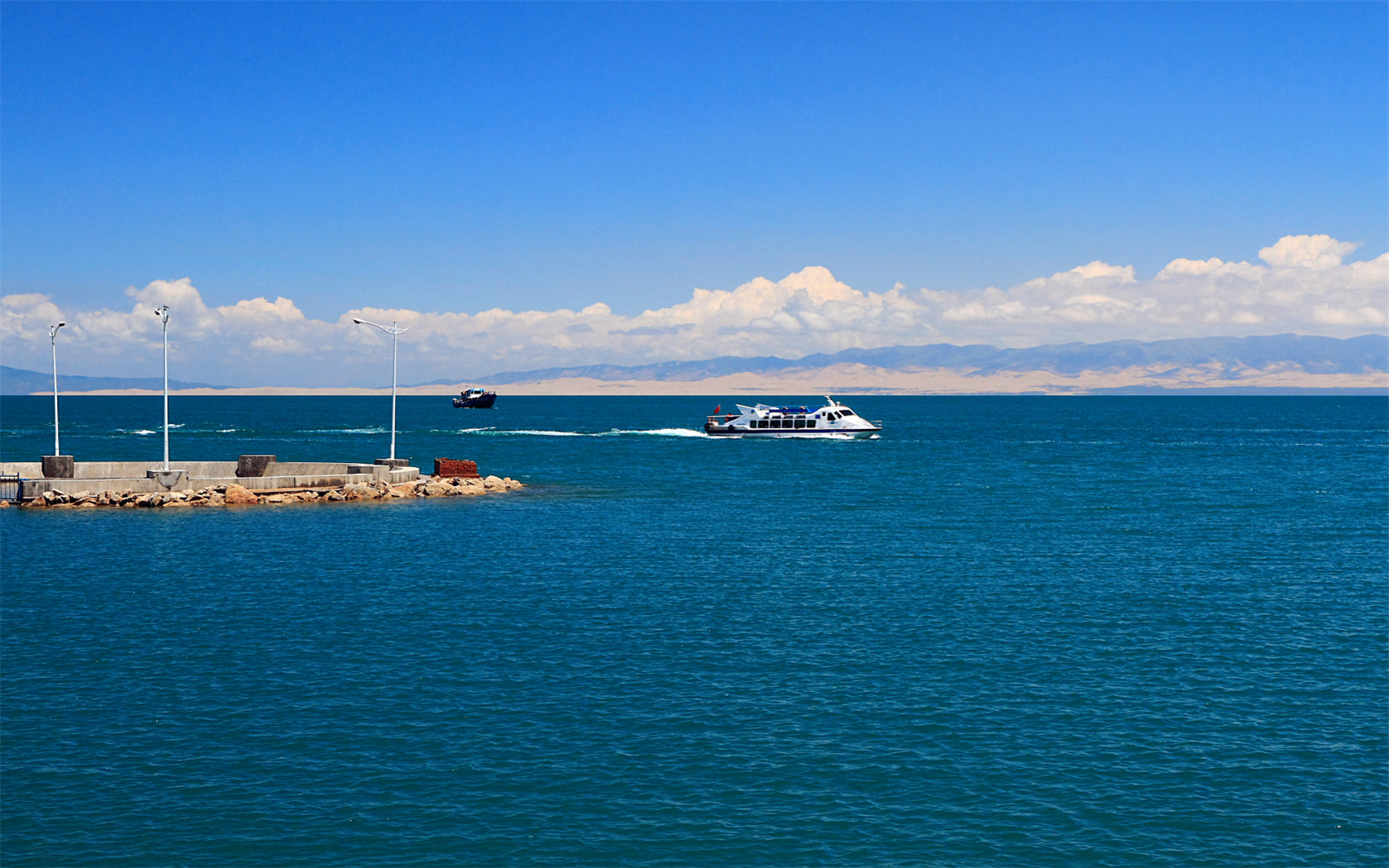
Qinghai Lake sits in a closed basin surrounded by snow-capped mountains on three sides. The water changes color depending on the time of day, the weather, and honestly, your mood (okay fine, the light angle). Early morning is a deep, moody sapphire. Midday turns it into a bright turquoise that screams “I’m tropical even though I’m freezing.” Sunset paints everything gold and amber, and the lake looks like molten metal. 🌅
The lake’s circumference stretches roughly 360 kilometers — big enough that you could spend days just circling its shoreline. Some people do. The landscape shifts dramatically as you move around it: grasslands on the south shore, desert-like dunes on the north, rolling meadows dotted with Tibetan prayer flags on the west. It’s like someone spliced together five different national parks into one. ⛰️
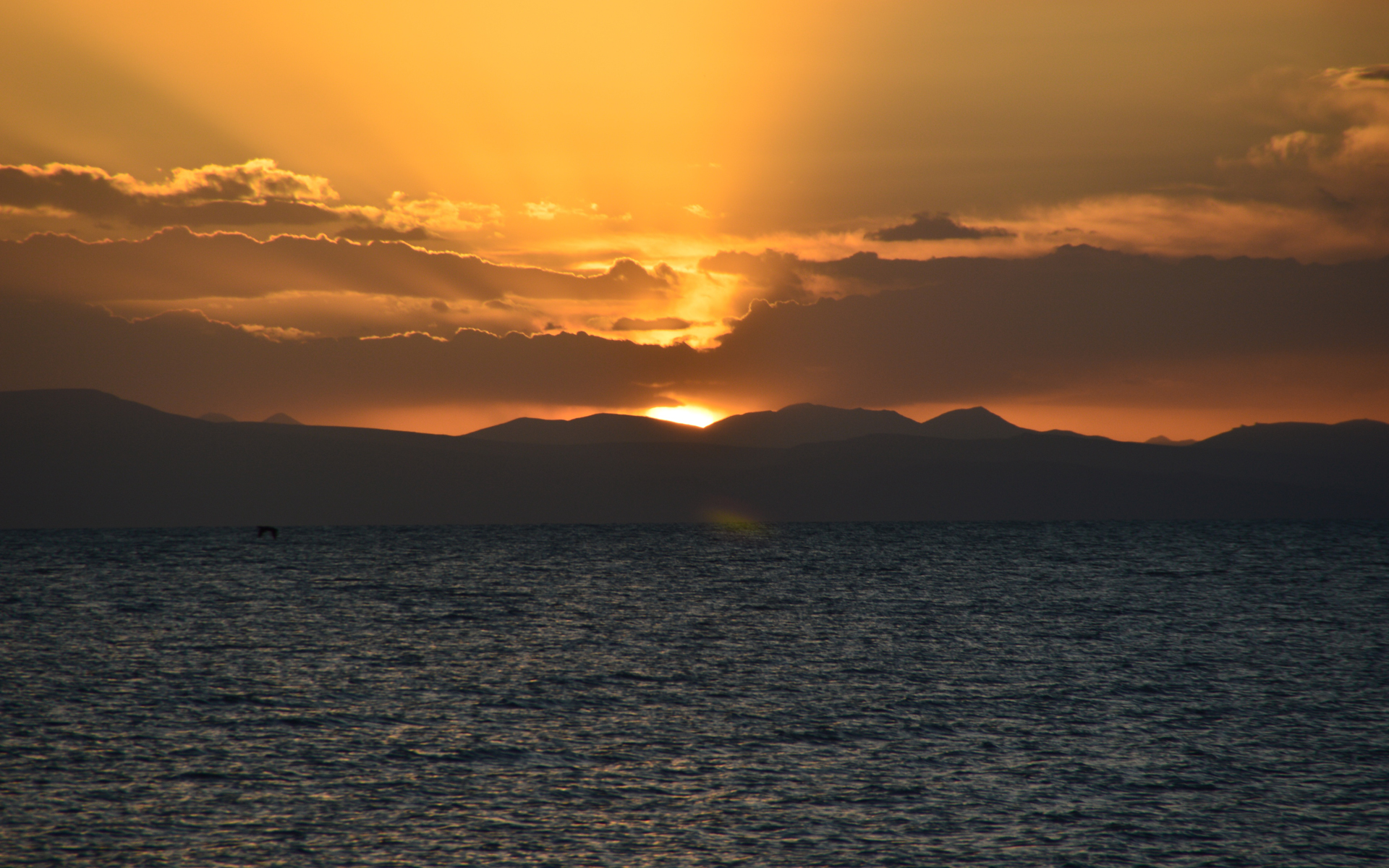 Aerial view of Qinghai Lake — the water really is this blue. No filter needed. 📸
The altitude is real though. At 3,200 meters, the air is thin and the UV index is no joke. My first afternoon I walked up a small hill and was completely winded. The locals just smiled. “You’ll get used to it,” they said. I did. By day two I was fine. Day one? I was a gasping mess. 😂
🌼 July Rape Flowers: Golden Fields Meet Blue Water
If Qinghai Lake is already beautiful, July turns it into something from a Studio Ghibli film. 🎬
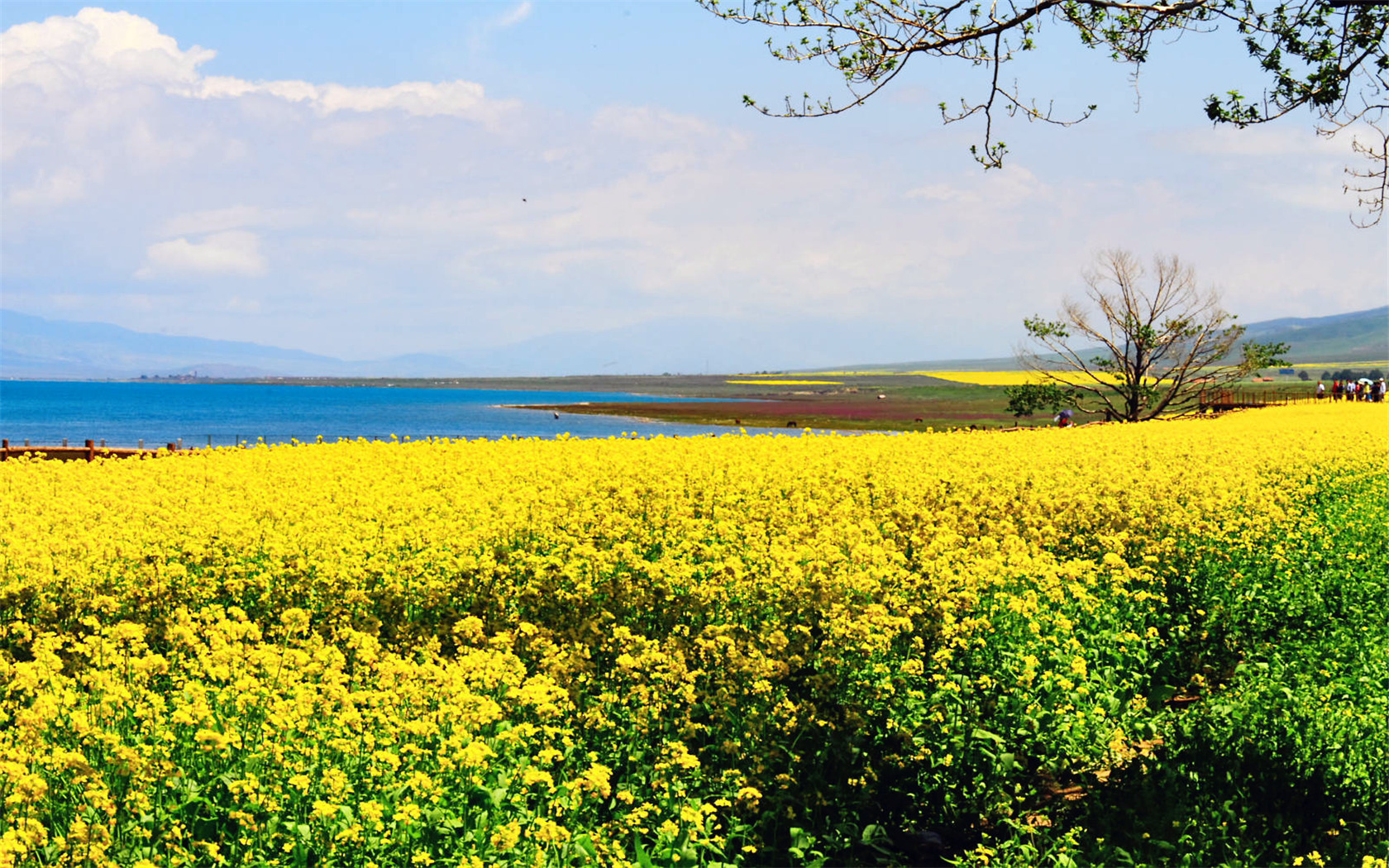
From early July to mid-August, the southern shore explodes into an ocean of golden rapeseed (canola) flowers. Imagine: a wall of bright yellow stretching for kilometers, meeting the blue lake on one side and green grassland on the other. It’s the color palette of a dream — yellow, blue, green, and the occasional white prayer flag fluttering in the wind. 🟡💙🟢
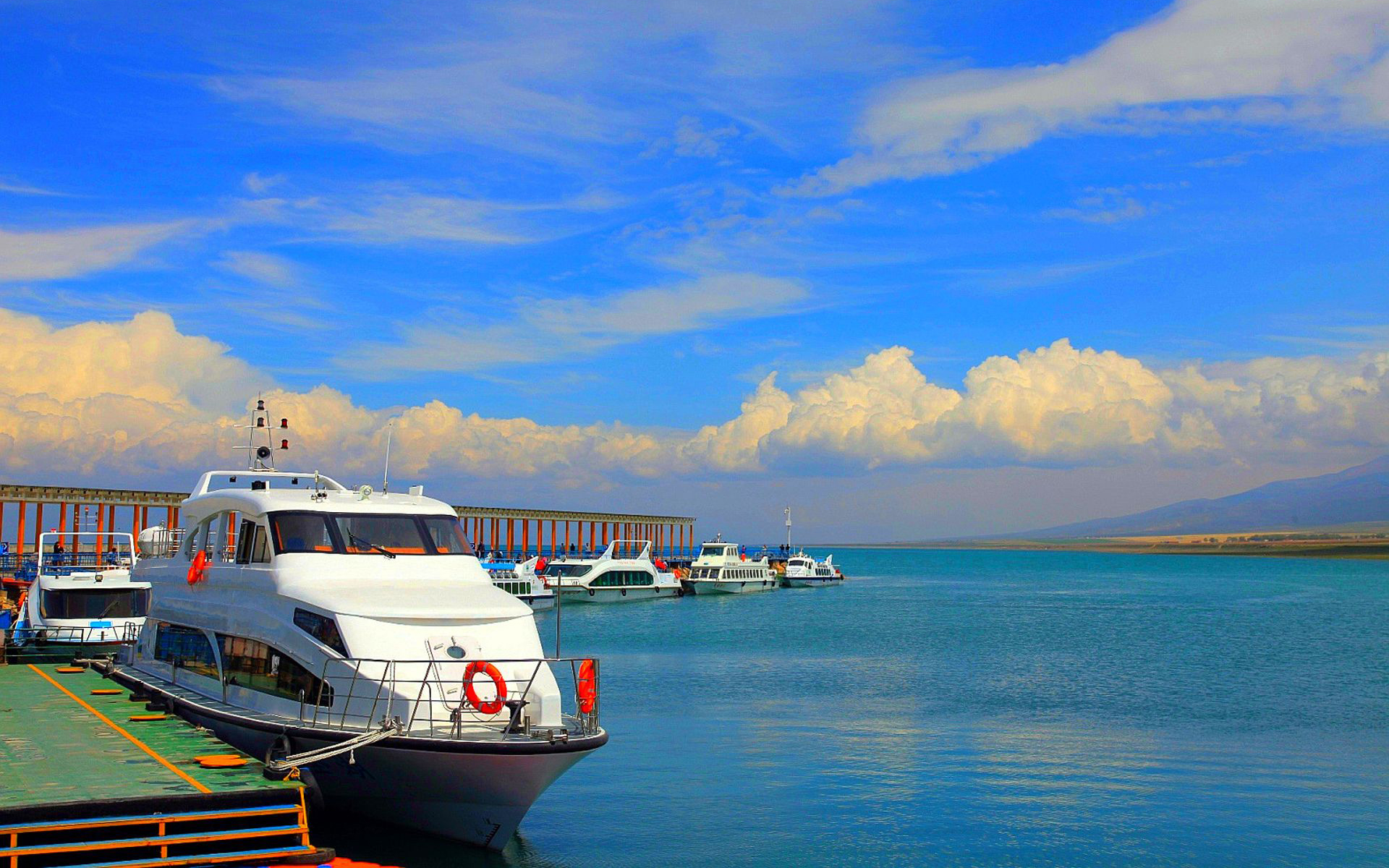 July is rapeseed flower season — golden fields as far as the eye can see. 🌼
The best spots for the classic “flowers + lake” composition are near Erlangjian (二郎剑) and along the road between Heimahe (黑马河) and Gangcha (刚察). Pro tip: go early in the morning when the light is soft and the tour buses haven’t arrived yet. The golden hour before sunset is equally magical — the flowers glow. ✨
Peak bloom usually hits around mid-July, but it shifts every year depending on temperature and rainfall. If you’re planning around this, check local reports a week before you go. Nothing worse than arriving a week too early and finding green buds instead of golden blooms. I’ve seen people cry about this. Not joking. 😭
🐦 Bird Island & Cormorant Island: The Migratory Paradise
Qinghai Lake isn’t just about pretty water and flowers — it’s also one of China’s most important migratory bird habitats. 🦅
Bird Island (鸟岛, Niaodao) and Cormorant Island (鸬鹚岛, Lucidao) sit on the western shore and become home to hundreds of thousands of migratory birds every spring. From April to June, the islands are alive with the sound of bar-headed geese, black-necked cranes, and cormorants nesting, feeding, and generally partying. 🎉
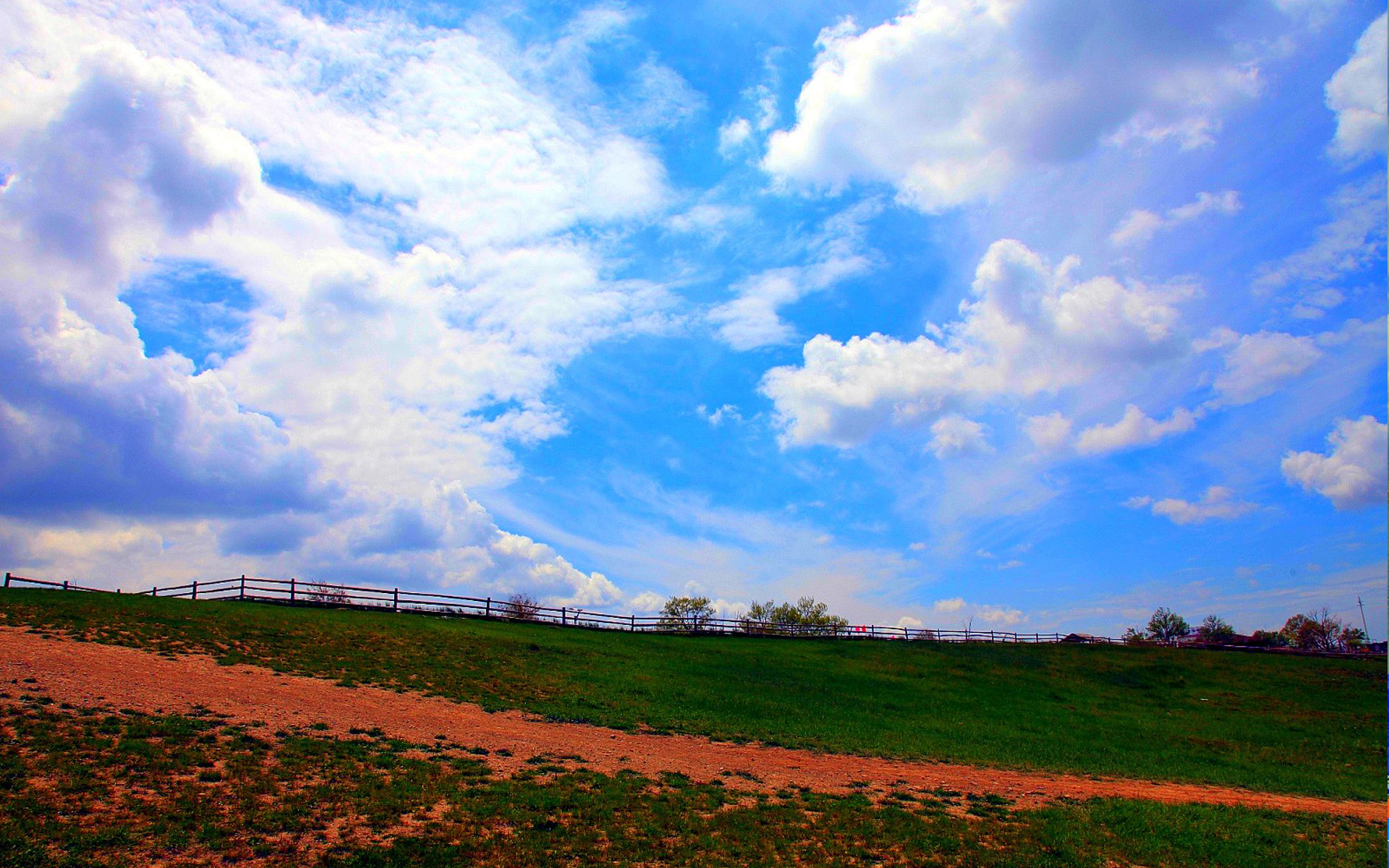 Bird Island during spring migration — nature’s most dramatic gathering. 🐦
A heads up: Bird Island itself has been somewhat restricted in recent years to protect the nesting environment. You may not be able to walk right up to the colonies anymore, but there are observation points with telescopes and the sheer volume of birds visible from a distance is still mind-blowing. The cormorants are especially photogenic — all dramatic poses and intense stares. 📸
By summer the crowds thin out as the birds disperse, so if birdwatching is your thing, May and early June are your sweet spot. If you come in July you’ll miss the peak, but you’ll catch the rapeseed flowers instead. Trade-offs, right?
🚴 Cycling Around the Lake: The Ultimate Bucket List Ride
Okay, let me talk about the thing that really put Qinghai Lake on the international map. 🗺️
The annual Qinghai Lake International Cycling Race has been running since 2002, and the 360-kilometer circuit around the lake has become an iconic bucket-list ride for cycling enthusiasts worldwide. The route takes you along some of the most jaw-droppingly beautiful scenery on the planet — endless grasslands, yak-dotted hillsides, golden rapeseed fields, and the lake shimmering in and out of view. 🚴♂️
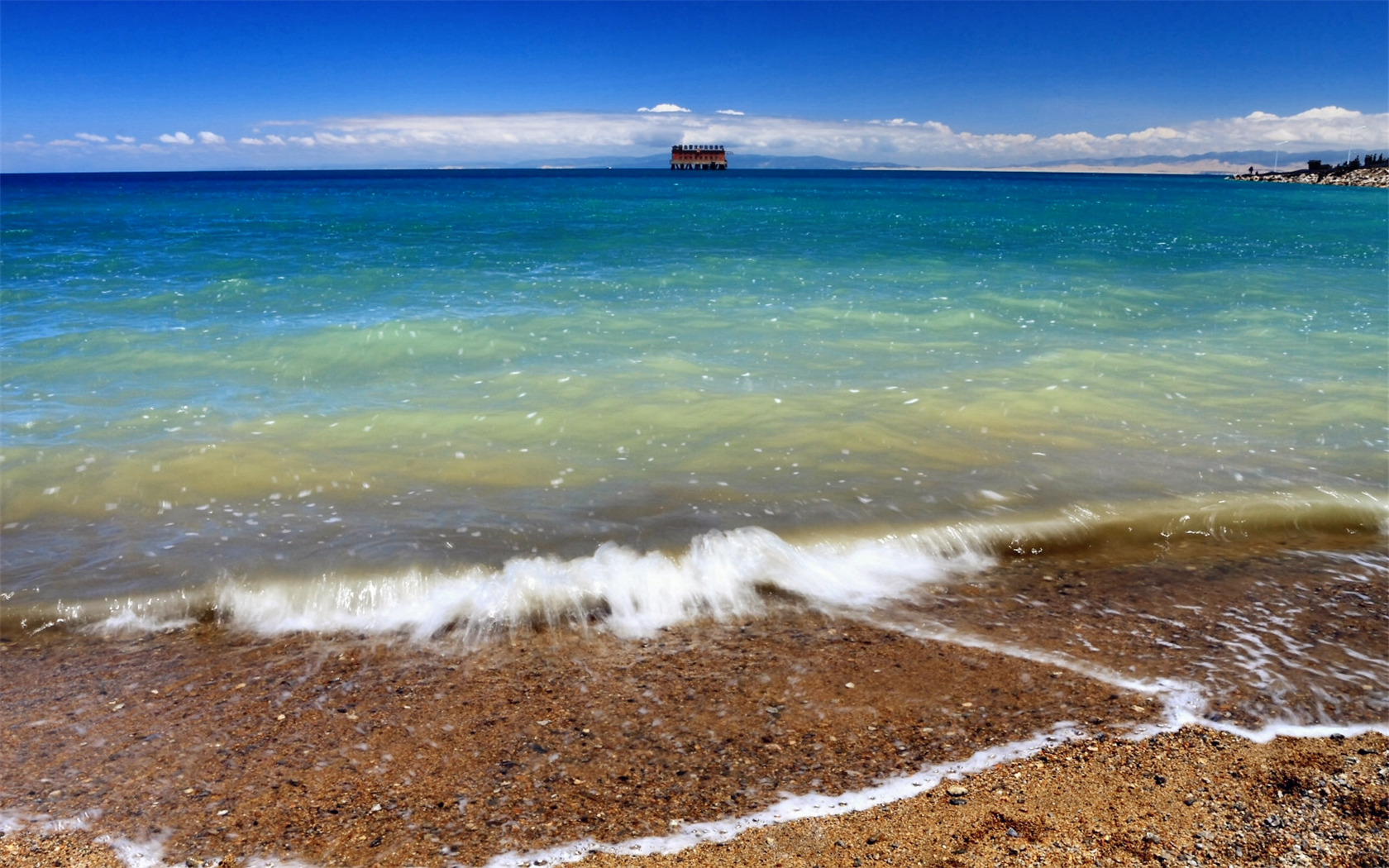 The lakeside cycling road — 360km of pure scenic beauty. 🚲
The Route:
- Total distance: ~360 km
- Duration: 3–5 days (depending on your fitness and how many photo stops you make — spoiler: you’ll make a LOT)
- Elevation: Starts at ~3,200m, never drops below 3,000m
- Best months: July–September
Difficulty: Moderate to hard. The altitude is the real killer, not the distance. At 3,200 meters, your lungs are working at about 70% capacity compared to sea level. The first day is rough. After that your body adjusts and it becomes more manageable. The road is mostly paved and well-maintained, with gentle undulations — no extreme mountain passes. 🏔️
Practical stuff:
- Bike rental is available in Xining (from ~¥100/day / ~$14) or at some guesthouses near the lake
- There are guesthouses and small hotels along the route, so you don’t need to carry camping gear (unless you want to — wild camping along the lakeshore is magical)
- Bring layers! Morning temperatures can drop to 5–8°C even in July, then warm up to 20°C+ by midday 🧥
- Sunscreen is non-negotiable at this altitude
I haven’t done the full circuit myself (yet — it’s on my list!), but I’ve chatted with people who have. The consensus: it’s harder than you expect, more beautiful than you imagined, and the kind of trip that changes how you see travel. If cycling isn’t your thing, driving or taking a bus around the lake still hits most of the highlights. 🚗
🏔️ Tibetan Culture: Prayer Flags, Yak Tents, and Ancient Temples
Qinghai Lake isn’t just a natural wonder — it’s deeply woven into Tibetan Buddhist culture and nomadic traditions. The lake is considered sacred by local Tibetans, and you’ll feel that spiritual presence everywhere. 🙏
 Prayer flags and a Tibetan temple near Qinghai Lake — the spiritual heart of the plateau. 🕉️
Prayer Flags (经幡): You’ll see them everywhere — strung between poles, draped over hillsides, fluttering along the lakeshore. The five colors (blue, white, red, green, yellow) represent sky, clouds, fire, water, and earth. Local tradition says the wind carries the prayers printed on the flags out into the world. Standing by the lake with hundreds of prayer flags snapping in the wind is one of those moments that just gets you. 💨
Erma (二郎剑) Area: This is the most developed part of the lake, with a Buddhist temple complex, yak riding opportunities, and the main ticketed entrance. The temple sits on a peninsula jutting into the lake, and the views from the hilltop are incredible. You can also see local nomads with their yak-hide tents and herds of black Tibetan yaks grazing on the hillside. 🐂
 Near Erma — emerald grasslands meet the blue lake, with yaks roaming freely. 🐂
Nomadic Encounters: The western and southern shores are still home to semi-nomadic Tibetan herders. If you’re respectful and ask permission, many will happily let you visit their tents and share butter tea (酥油茶). It’s salty and creamy — not everyone’s cup of tea (pun intended), but it’s an authentic experience. Don’t just drive by. Stop. Say hello. The people here are incredibly warm. ❤️
✨ Bonus: Chaka Salt Lake — The Mirror of the Sky
If you’re making the trip to Qinghai Lake, you absolutely need to add Chaka Salt Lake (茶卡盐湖) to your itinerary. It’s about 150 kilometers west of Qinghai Lake and has become one of China’s most viral travel destinations. 📱
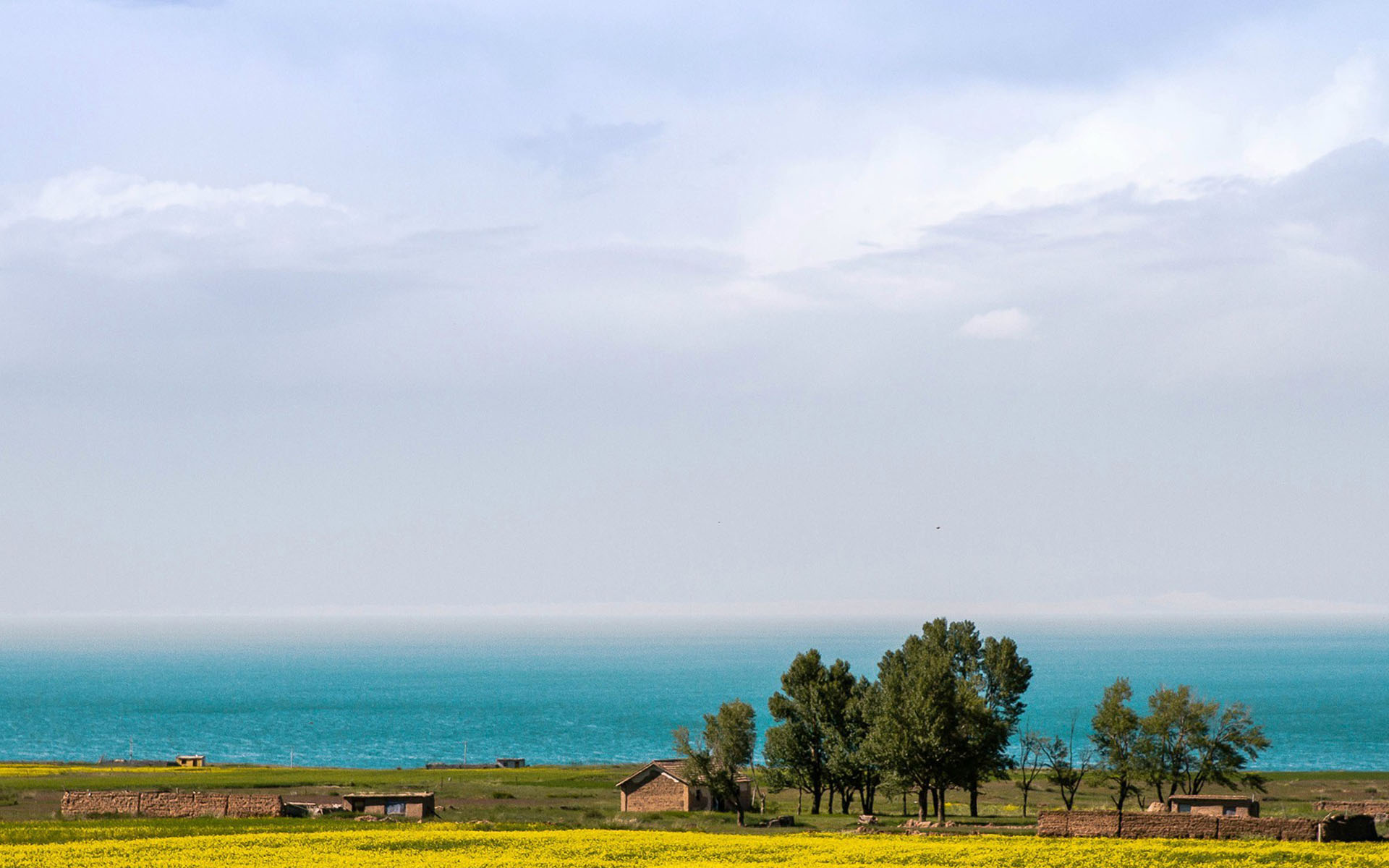 Sunset at Qinghai Lake — when the water and sky merge into one golden canvas. 🌅
Chaka is famous for its shallow, mirror-perfect water that reflects the sky so flawlessly that photos look surreal. People literally walk into the lake and stand there, and the reflection makes it look like they’re floating in the clouds. The “Mirror of the Sky” (天空之镜) effect is best on calm, clear days — wind ruins it. 🪞
Chaka Salt Lake Quick Info:
- Ticket: ¥60 (~$8)
- Best time: June–September
- Time needed: Half a day
- Tip: Go early morning or late afternoon for the best mirror effect. Midday the sun is too harsh and there are too many people.
I’d honestly recommend 3–4 days total for the Qinghai Lake + Chaka combo. It gives you time to soak in the scenery without rushing. 🗓️
🗺️ Practical Info: Everything You Need to Know
📍 Location & Getting There
Where: Northeast Qinghai Province, northeastern Tibetan Plateau
Distance from Xining (西宁): ~150 km
Driving time from Xining: 2–2.5 hours
Getting to Qinghai Lake from Xining:
- ✈️ Fly into Xining Caojiabao Airport (XNN) — international connections via Beijing, Shanghai, Chengdu, Xi’an, etc.
- 🚄 High-speed train to Xining — well-connected from Lanzhou (1.5hr), Xi’an (4hr), Chengdu (5hr)
- 🚌 Bus from Xining bus station — buses to Gonghe (共和) pass by the south shore,
¥40–50 ($5.50–7), ~2.5 hours - 🚗 Private car/taxi — most flexible option,
¥400–600 round trip ($55–82)
💡 Pro tip: Having your own transport (or hiring a driver) makes a huge difference here. The lake is massive and public transport between spots around the shore is basically non-existent. 🚗
🎫 Tickets & Opening
| Attraction | Ticket | Notes |
|---|---|---|
| Qinghai Lake (main area) | Free | The lakeshore is open access |
| Erma Scenic Area (二郎剑) | ¥90 (~$12) | Peninsula with temple, views |
| Bird Island (鸟岛) | ¥115 (~$16) | Best May–June |
| Chaka Salt Lake | ¥60 (~$8) | Mirror of the Sky |
⚠️ Ticket prices may vary seasonally. Always check locally before your trip. 🎫
🌤️ Best Time to Visit
| Season | What to Expect | Rating |
|---|---|---|
| Jul–Aug ☀️ | Warmest (15–25°C), rape flowers in bloom, most crowded | ⭐⭐⭐⭐⭐ |
| May–Jun 🐦 | Bird migration, fewer crowds, cooler | ⭐⭐⭐⭐ |
| Sep–Oct 🍂 | Autumn colors, fewer tourists, chilly mornings | ⭐⭐⭐⭐ |
| Nov–Apr ❄️ | Cold, some areas closed, snow scenery | ⭐⭐ |
My pick: Mid-July. The rape flowers peak, the weather is pleasant, and the lake is at its most photogenic. Yes, it’s crowded — but some places are popular for a reason. 🌼
⚠️ Altitude Warning
Qinghai Lake sits at 3,200 meters (10,500 feet). For most people, this means:
- Slight shortness of breath on exertion
- Possible mild headache on day 1
- Mild dizziness if you rush around
- Generally fine by day 2–3 as you acclimatize
Prevention tips:
- Don’t overexert yourself on day 1
- Stay hydrated (lots of water!)
- Avoid alcohol on your first night
- Bring altitude sickness medication just in case (Diamox/Acetazolamide)
- If you feel seriously unwell, descend — Qinghai Lake is the highest you’ll be; Xining at 2,200m is much lower 🏥
🌡️ What to Pack
Even in July, Qinghai Lake is cold. Don’t make the mistake of packing like it’s summer. Here’s what you actually need:
- Layering system: T-shirt → fleece/light down jacket → windbreaker. You’ll cycle through all three in a single day.
- Warm hat and gloves (yes, really, even in July mornings)
- Sunscreen SPF 50+ — the UV at 3,200m is brutal ☀️
- Sunglasses — non-negotiable
- Comfortable walking shoes (or cycling gear if you’re doing the circuit)
- Rain jacket — sudden afternoon showers are common 🌧️
- Reusable water bottle — hydration is everything at altitude
- Camera with extra batteries — cold drains batteries fast 🔋
🏨 Where to Stay
The best bases for exploring Qinghai Lake are:
Erma (二郎剑): Most developed area, closest to the main scenic spots. Hotels range from budget hostels (~¥100/night / $14) to nicer guesthouses (¥300–500 / ~$40–70). Book ahead in July. 🏨
Heimahe (黑马河): Popular for sunrises — it’s on the western shore and faces east. Small guesthouses and homestays. Budget-friendly (~¥150–300 / ~$20–40). Great if you want a quieter vibe. 🌄
Gangcha (刚察): Northern shore, less touristy, some nice Tibetan-style guesthouses. Good base for Bird Island. 🏡
⚠️ Book accommodation in advance for July and August. The area fills up fast during peak season, and you don’t want to be sleeping in your car. Trust me, I’ve seen people do it. 😬
💰 Budget Breakdown: Per Person, Per Day (USD)
| Category | Budget | Mid-Range | Comfort |
|---|---|---|---|
| 🏨 Accommodation | $14–20 | $40–70 | $70–120 |
| 🍜 Meals | $10–15 | $20–30 | $30–50 |
| 🚌 Transport | $8–15 | $25–40 | $55–80 (private car) |
| 🎫 Tickets | $12–16 | $12–16 | $12–16 |
| 🛍️ Misc/Souvenirs | $5–10 | $10–20 | $20–40 |
| Daily Total | $49–76 | $107–176 | $187–306 |
💡 Money-saving tip: Staying at local guesthouses and eating at small family-run restaurants drops your daily cost significantly. Tibetan yak meat noodles (牦牛肉面) are filling, delicious, and cost about ¥15–20 (~$2–3) per bowl. 🍜
❓ FAQ
Q: Is Qinghai Lake worth visiting if I only have 1 day?
A: You can do a day trip from Xining, but honestly — it’s a 2.5-hour drive each way, so you’d spend more time in the car than at the lake. I’d strongly recommend at least 2 nights. The lake reveals itself slowly, and the magic is in the quiet moments — a sunrise from Heimahe, a walk through the rapeseed fields at golden hour, a slow drive along the shore with the windows down. You can’t rush that. 🌅
Q: Will I get altitude sickness?
A: Most people are fine at 3,200m, especially if they’re coming from Xining (2,200m) where they’ve had a day to adjust. Mild symptoms like slight headache or breathlessness are common on day 1 and usually pass. If you have heart or lung conditions, talk to your doctor before going. The main advice: take it easy, stay hydrated, and don’t try to be a hero on day one. 💧
Q: Can I swim in Qinghai Lake?
A: Technically yes, but… no. The water is freezing — even in July it’s around 15–18°C at best. And it’s a saltwater lake, so it stings. The wind is also relentless. I’ve seen a few brave souls wade in for photos, but swimming laps? Absolutely not. The lake is best appreciated from a comfortable distance. 🥶
Q: Is Qinghai Lake kid-friendly?
A: Yes! The altitude is the main concern for young children (under 5, be extra cautious). Older kids love the yak rides, the wide-open grasslands, and the sheer drama of the landscape. Bring warm clothes for them and keep them hydrated. It’s a fantastic family destination if you plan for the altitude. 👨👩👧👦
Q: Do I need a Chinese visa to visit?
A: Most foreign visitors need a visa for China, but China has visa-free transit policies for many nationalities. Check the latest rules for your passport before booking. Qinghai itself doesn’t require any special permits — it’s open to all visitors. 🛂
Q: Is there mobile signal around the lake?
A: Spotty to decent, depending on where you are. Heimahe and Erma have reasonable 4G coverage. Remote areas along the northern shore and Bird Island can be dead zones. Download offline maps before you go (Google Maps or Amap/Gaode Map). Don’t count on streaming Netflix at your guesthouse. 📱
🎯 Final Thoughts
Qinghai Lake isn’t just a pretty blue lake — it’s a full-sensory experience. The thin mountain air that makes your lungs work harder. The impossible blue of the water. The golden carpet of rapeseed flowers in July. The snap of prayer flags in the wind. The smell of yak butter tea in a nomad’s tent. The silence of the grasslands at dawn. 🌄
It’s the kind of place that resets your internal clock. You arrive stressed, over-scheduled, over-connected. You leave slower, quieter, more present. And you’ll find yourself, months later, scrolling through your photos and feeling that pull to go back. That’s Qinghai Lake. It gets under your skin. 💙
Start planning now. July will be here before you know it. ✨
Last updated: July 2026