🏯 Luoyang Ancient Capital & Buddhist Art | A 2-Day Journey Back in Time
Alright folks, let me take you to Luoyang — one of those cities that’s been sitting quietly in the middle of Chinese history for over 3,000 years. 🐉 It was the capital of 13 dynasties, the birthplace of Chinese Buddhism, and the center of the universe during the Tang Dynasty. I’ve been wanting to come here forever, and honestly? It exceeded every single expectation.
If you’re into ancient capital vibes, jaw-dropping Buddhist cave art, peonies that’ll make you weep, food that’s been perfected for over 2,000 years, and a city that feels both ancient and alive — this 2-day itinerary is for you. Let’s go. 🚀
⛰️ D1 | The Grand Canyon of Buddhist Art
☀️ Morning | Longmen Grottoes (龙门石窟) — This Is THE One
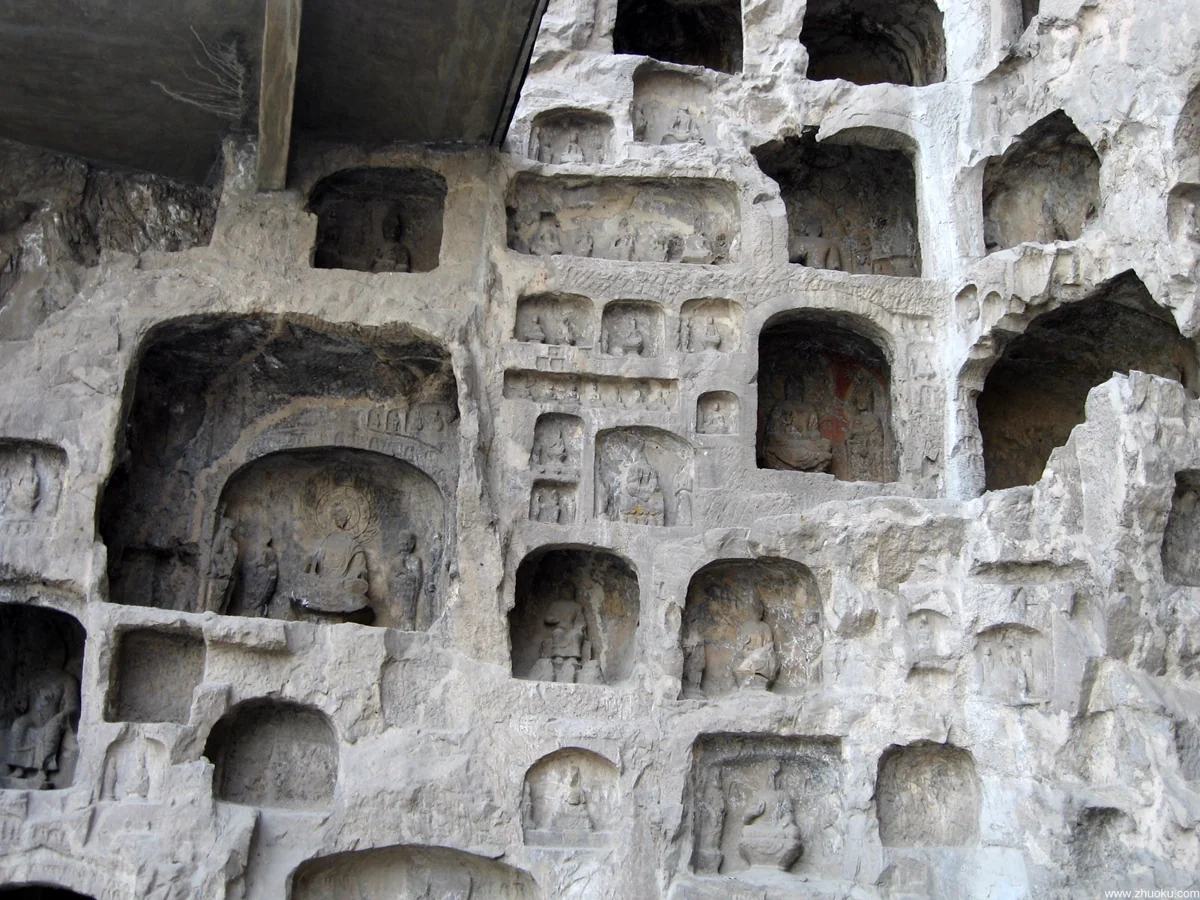
I don’t say this lightly, but Longmen Grottoes is one of the most breathtaking things I’ve ever seen in my entire life. Period. It’s a UNESCO World Heritage site, and for very good reason. Imagine a whole mountainside carved into thousands of Buddha statues — some as tall as a 17-story building and others no bigger than your thumb. 🤯
Getting there: ~20 min by taxi from Luoyang city center (about ¥25). Bus routes 53, 60, and 81 also drop you right at the East Gate entrance.
Hours: 08:00–18:00 (Mar–Oct), 08:00–17:30 (Nov–Feb)
Admission: ¥90 (high season April–Oct), ¥60 (low season Nov–March)
Pro tip: Go at 8am sharp. I showed up right when they opened and had the west cliff to myself for about an hour. By 10am it’s a mob scene — tour buses roll in, selfie sticks come out, and the peaceful vibe disappears.
The route: Start on the west bank — that’s where the heavy hitters are. Walk north to south along the cliffside boardwalk. The scale is overwhelming. There are over 2,300 caves and niches with more than 100,000 Buddha statues spread across 1 km of cliff face. The sheer amount of work that went into this is insane.
The centerpiece is the Fengxian Temple (奉先寺) — a massive open-air niche with a 17-meter-tall Vairocana Buddha sitting majestically flanked by disciples, bodhisattvas, and heavenly kings. Legend says it was modeled after Empress Wu Zetian herself, who contributed 20,000 strings of coins (her cosmetics budget!) to fund the carving. She knew what she was doing. The craftsmanship is unreal — the flowing robes, the serene expression, the way light catches the face at different times of day.
Other highlights: The Binyang Caves with their intricate imperial processions, the Ten Thousand Buddhas Cave (万佛洞) where literally thousands of tiny Buddhas cover every wall, and the Medical Prescriptions Cave — yes, ancient medical texts carved in stone.
Don’t skip the east bank! Walk across the Yi River bridge and look back at the west bank — the view is postcard-perfect, especially with the green hills behind. The east side has fewer statues but is way more peaceful. I found this hidden cave with almost no tourists where I just sat for 20 minutes.
Allocate at least 3–4 hours. Trust me, you’ll need it.
midafternoon | Guanlin Temple (关林庙) — The Warrior’s Shrine
A quick taxi from Longmen (about 15 min, ¥15) and you’re at Guanlin Temple — the burial site of Guan Yu, one of the most legendary figures in Chinese history. Yes, THAT Guan Yu — the red-faced general from the Three Kingdoms era with the absurdly long beard and the Green Dragon Crescent Blade. Over the centuries he’s been deified as the God of War, Loyalty, and Wealth. You’ll see his statues in shops and restaurants all across China.
Address: 227 Guanlin Road, Luolong District
Hours: 08:00–17:30
Admission: ¥45
Vibe check: The moment you walk in, you feel it. This place is ancient. 800-year-old cypress trees tower above you, their twisted branches creating a natural canopy. Stone steles (carved tablets) line the walkways — some dating back to the Ming Dynasty. It’s quiet, solemn, and surprisingly peaceful considering it’s a major tourist spot.
The complex follows a classic Ming-Qing dynasty layout: gate, main hall, second hall, tomb mound. The main hall has this massive Guan Yu statue — seated, wearing imperial robes, and looking absolutely badass. The carvings on the walls tell stories from his life: slaying the warlord Hua Xiong while his wine was still warm, crossing five passes and slaying six generals, his righteous brotherhood oath in the Peach Garden.
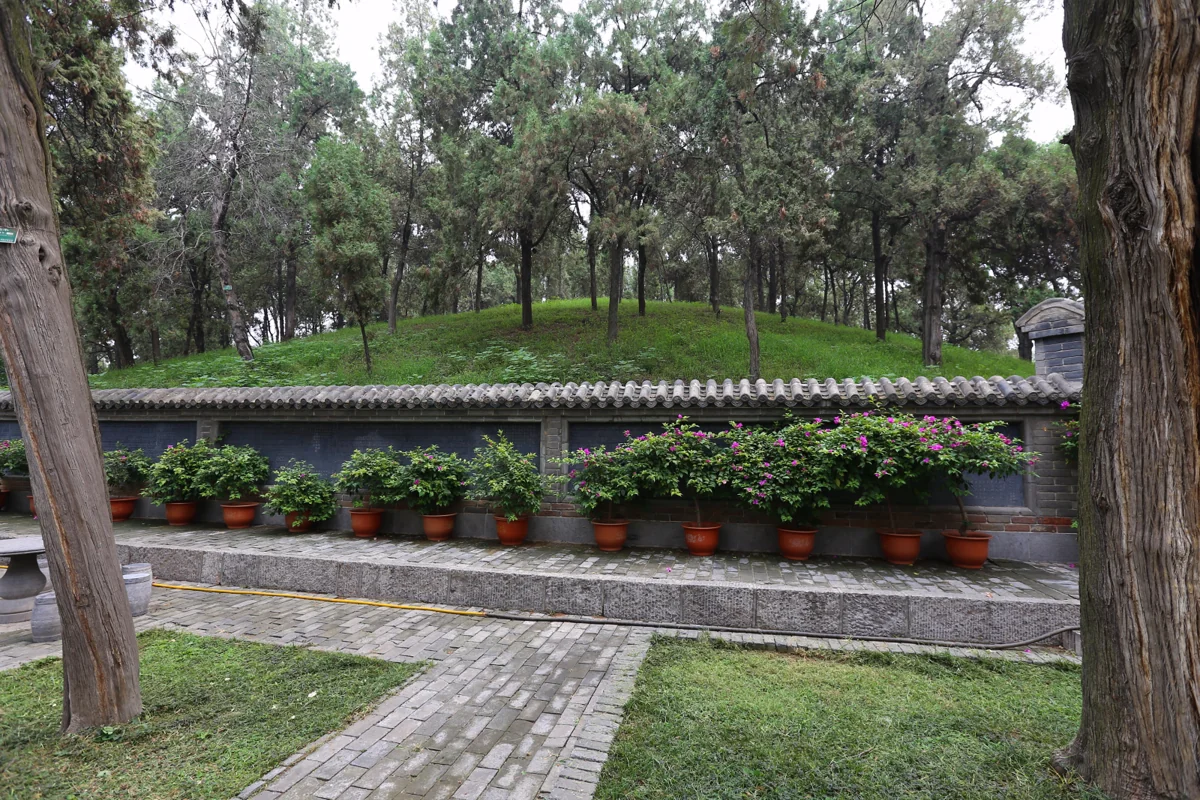
Behind the hall is Guan Yu’s actual tomb. Well, his head is buried here — his body was buried in Dangyang, Hubei. (Three Kingdoms politics were complicated.) It’s a large earthen mound surrounded by a stone wall, with old trees draping over it. I stood there for a minute just thinking about how incredibly storied this man’s life was.
One thing I really liked: the ancient stage (舞楼) inside the complex where operas were performed to honor Guan Yu’s spirit. The acoustics are surprisingly good even today.
Is it touristy? A bit. But it’s also genuinely atmospheric. You can feel the weight of 1,800 years of worship here. One hour is enough for a quick visit, but I ended up spending almost two hours just wandering under those old trees and reading the inscriptions.
Practical note: Souvenir sellers outside will aggressively try to sell you “lucky lock” keychains. Just smile and wave.
🌆 Evening | Lijing Gate Old Street (丽景门) — Time-Travel Dinner
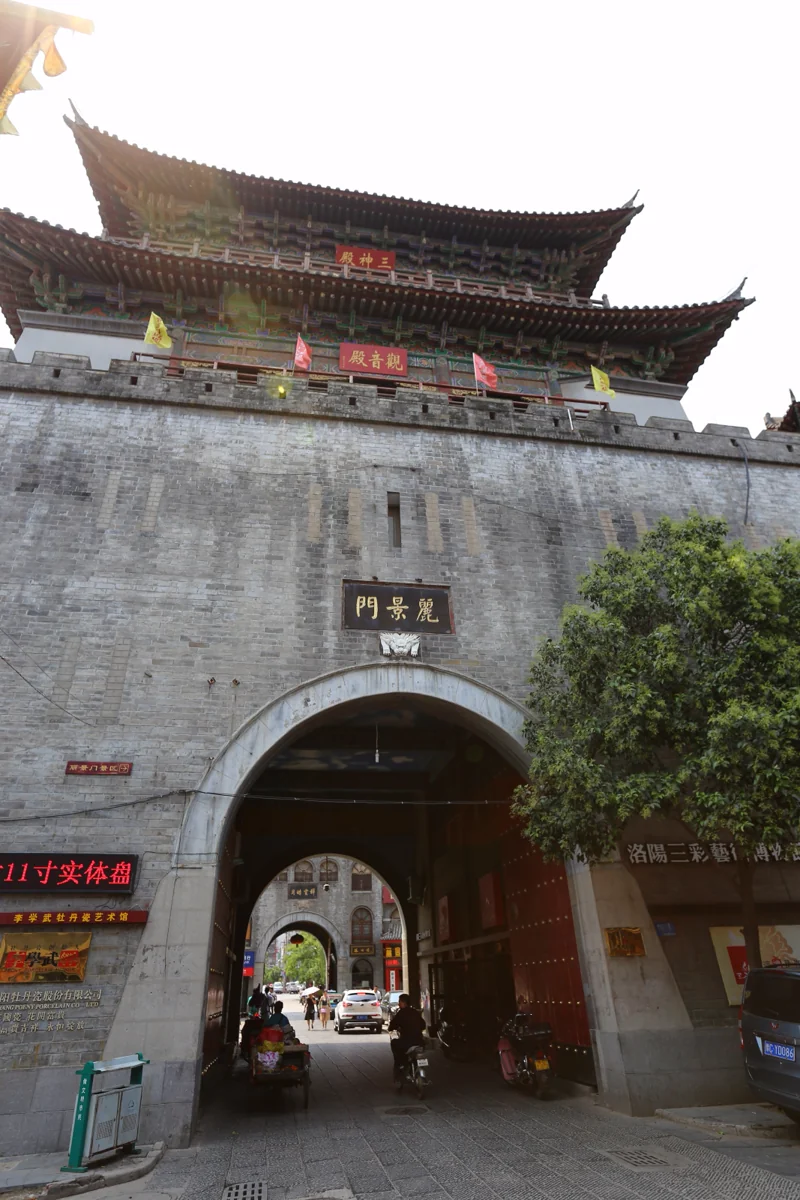
By evening, head to Lijing Gate. This is Luoyang’s grand old city gate, rebuilt during the Ming Dynasty, and the old street behind it is pure magic at night.
Address: West end of Old Town, Laocheng District
Hours: Gate closes ~9pm, but the street stays lively until late (10–11pm)
Admission: Free to walk the street, ¥30 to go up the gate tower (worth it for sunset views)
The street (Lijing Men Old Street) is a 500-meter pedestrian corridor packed with food stalls, souvenir shops, little museums, and random tea houses. The golden hour around 5:30pm–6:30pm is chefs kiss for photography — the warm light hits the old rooftops and everything glows.
Here’s what I ate (and you should too):
-
Builing Soup (不翻汤) — “No-Turn Soup” A local specialty that dates back to the Ming Dynasty. It’s a rich, sour-peppery broth with tripe, vermicelli, tofu skin, black fungus, and shredded egg. The name comes from the thin crepe-like pancake that’s added — “don’t flip” it, just drop it in. Spicy, tangy, comforting. ¥15 a bowl. Absolutely get this.
-
Luoyang Water Banquet mini bites Some stalls sell single dishes from the famous Water Banquet — perfect if you want a preview before tomorrow’s feast. Try the pepper-spiced tripe and the “swallow-cabbage” (a steamed roll made to look like swallows).
-
Peony cakes (牡丹饼) Flower-shaped pastries filled with sweet red bean and peony petal jam. Delicate, floral, not too sweet. Makes great souvenirs too — ¥10–15 for a box of six.
-
Grilled skewers Classic Chinese street food — lamb, chicken heart, tofu, mushrooms. ¥2–5 a stick. Get a bunch and wash them down with a cold beer.
🔥 Hot take: Lijing Gate Street > Xi’an’s Muslim Quarter. Fight me on this. Xi’an’s Muslim Quarter is amazing, I’ll give you that, but it’s gotten so crowded and commercialized over the years. Lijing Men has a much more laid-back, authentic feel. Fewer tourists, cheaper food, and the shopkeepers won’t try to hustle you into every single store. Plus, the Ming-era architecture is more intact.
Don’t miss: Around 7pm, locals gather in the square in front of the gate to dance — everything from ballroom to Chinese folk to random disco. Join in if you’re brave enough! I tried the folk dance and made a complete fool of myself, but an old grandma laughed and gave me a thumbs up. 🕺
🏛️ D2 | Temples, Museums & Peonies
Morning | White Horse Temple (白马寺) — The First Buddhist Temple in China
This one’s genuinely historic. White Horse Temple (Baima Si) is the first Buddhist temple ever built in China, established in 68 AD during the Eastern Han Dynasty. The story: Emperor Ming had a dream about a golden figure flying over his palace. His advisors said it was the Buddha. So he sent envoys to India, and they returned with two Indian monks on — you guessed it — two white horses, carrying sutras and Buddhist statues. The temple was named in their honor.
Getting there: ~45 min by bus (56 or 58) from city center, or ~30 min by taxi (¥30–40)
Hours: 07:30–17:30
Admission: ¥35
Main complex: Beautiful asymmetrical layout that’s different from later Chinese temples. The Hall of the Heavenly Kings, the Great Buddha Hall, and the Temple of the Great Sage all house statues from different eras — some original Tang and Ming pieces, some later reproductions. The architecture is classic Chinese Buddhist: sweeping roofs, painted beams, incense smoke curling upward.
The surprise: The international section! In recent decades, Luoyang added temples in Thai, Indian, and Burmese architectural styles within the same grounds. Thailand donated a gleaming gold-and-white temple. India contributed a striking domed structure with intricate carvings. Myanmar built a bright white-and-gold pagoda. It’s like a mini Buddhist World Expo — and honestly, it’s super well done. You get four countries’ temple architecture for the price of one ticket.
Don’t miss: The Qiyun Pagoda (齐云塔) in the back — it’s a 13-story brick pagoda dating back to the 12th century (Jin Dynasty). Climb up (free!) for a great view of the temple grounds. There’s also an ancient peony garden if you’re visiting in season.
Give it: 1.5–2 hours.
Midday | Luoyang Museum (洛阳博物馆) — History Crash Course
Look, if you want to understand how a city became the capital of 13 different dynasties, you need some context. And the best place for that is the Luoyang Museum. Bonus: It’s completely free.
Address: 800 Nie Tai Road, Luolong District
Hours: 09:00–17:00 (⚠️ closed on Mondays! Plan around this)
Admission: FREE (bring your passport for ticket collection at the counter)
The museum is huge — 5 exhibition halls covering 10,000 years of history. They renovated it a few years ago and it’s world-class quality. The collection focuses on archaeological finds from the Luoyang area, and some of the pieces are absolutely museum-worthy anywhere in the world.
What to look for:
-
Han Dynasty tomb murals — These are incredible. Painted murals from underground tombs dating back 2,000 years, depicting daily life, mythological scenes, and celestial beings. The colors are still vividly preserved — deep reds, blues, and golds. Some of the best I’ve ever seen outside of Dunhuang.
-
Tang Dynasty tri-color glazed pottery (唐三彩) — Luoyang is the birthplace of sancai pottery. These are the iconic horses, camels, and figurines in amber, green, and cream glazes. The detail on the Tang dynasty horses — saddles, bridles, even the expression in their eyes — is stunning.
-
Bronze artifacts from the Xia and Shang dynasties — Ritual vessels, weapons, and ceremonial objects that are over 3,500 years old. The craftsmanship considering the technology of the time is hard to wrap your head around.
-
The Buddha head — A massive stone Buddha head (from a broken Tang-era statue) that survived centuries of weathering. It sits in a hall by itself with dramatic lighting. I stood there for five minutes just staring at its serene expression.
Plan for: At least 2 hours. The museum layout is logical — just follow the chronological flow from prehistoric to Qing dynasty.
Afternoon | Peony Garden (王城公园) — Flower Pilgrimage
⚠️ Huge caveat: Only do this if you’re visiting April to May! Peony season is brutally short — about 3–4 weeks, peaking around mid-April. Outside that window, this is just a regular city park and not worth the trip.
Address: 20 Zhongzhou Middle Road, Xigong District
Hours: 07:00–21:00
Admission: ¥40–¥60 (prices vary by season, highest during peony festival)
Luoyang is the Peony Capital of the World, period. The city has been cultivating peonies since the Sui Dynasty (1,400 years ago), and every April they host the massive Luoyang Peony Festival that draws flower fanatics from across the globe.
Wangcheng Park is the main festival venue, and during peak season the place is a riot of color. And I mean riot — the peonies here are the size of dinner plates, with petals in layers upon layers. Colors range from classic pink and white to deep red, sunset orange, lavender, yellow, and even black (which is actually a very, very dark purple — looks almost black in photos).
The park also has a small zoo section (not amazing, skip it), a historical enclosure from the Eastern Zhou Dynasty (the park is built on an old Zhou palace site), and some decent walking paths along the Luo River.
If you’re NOT in peony season: Swap this for Guanlin Temple if you skipped it on D1, or explore Luoyang’s old Islamic quarter near the Drum Tower for some hidden food gems. Or just take a leisurely afternoon — you’ve been going hard for two days.
🌅 Evening | Luoyang Water Banquet (洛阳水席) — Eat Like an Emperor
This. This is the meal you came for.
The Luoyang Water Banquet (洛阳水席) is a 2,000-year-old imperial feast with a name that comes from the fact that all the hot dishes are in “water” (soup/broth). It’s also a pun on “flowing like water” — the dishes come one after another without stopping.
The structure: 24 courses total
- 8 cold appetizer dishes — served all at once as a “main course.” Salads, pickled vegetables, seasoned jellyfish, smoked fish, sliced meats.
- 16 hot dishes — served one at a time in a carefully orchestrated sequence. Each dish is a different soup or braised creation, ranging from mild and savory to intensely sour-and-peppery.
Where to go:
-
Zhen Bu Tong (真不同) — The most famous restaurant, located on 25 Zhongzhou East Road in Laocheng District. Think of it as the “original” Water Banquet institution. The interior is dressed up like an imperial dining hall. Tourist-heavy, yes, but the quality is solid and the pageantry is fun. They’ll bring all 24 courses in proper order if you order the full banquet (¥120–150/person).
-
Guan Ni Lou (管你楼) — Smaller, less flashy, more local. If you want a more intimate setting with fewer tour groups, go here. Some say the flavors are more traditional. ¥80–100/person.
What to expect flavor-wise: The hallmark of Luoyang Water Banquet is sour-and-peppery (酸辣) — a distinctive flavor profile using vinegar and white pepper that locals swear by. It’s different from Sichuan’s numbing-spiciness or Hunan’s fiery heat. It’s subtle, complex, and utterly addicting once you get used to it.
💰 Budget: ~¥80–¥150 per person. For 24 courses. That’s insane value.
💡 Quick Tips Before You Go
🚇 Transport: Luoyang has a spanking new metro system now (Lines 1 & 2). Line 1 runs east-west across the city, Line 2 goes north-south covering the train station and some major spots. For Longmen Grottoes and White Horse Temple, taxis and buses are still the easiest options. Taxis to Longmen: ¥25, to Baima Si: ¥35. Use Didi (China’s Uber) if hailing on the street isn’t working.
📅 Best season: April for peonies and perfect 20°C weather. September–October is also lovely (autumn foliage, same great weather). Summer (June–Aug) is brutally hot and humid — 35°C+ with soaking humidity. Winter (Dec–Feb) is cold and the sites are mostly empty, which is actually kind of nice for photography.
🏨 Where to stay: The Laocheng District (Old Town) is my pick — you’re close to Lijing Gate and lots of food options. The Luolong District (New District) is more modern with better hotels but less character. Mid-range hotels run ¥200–350/night. The Yueli Hotel near Lijing Gate was great — clean, accessible, ¥280/night.
🗣️ Language: English is not widely spoken outside of major attractions. Download Pleco (dictionary app with camera translation) and have your hotel write key destinations in Chinese to show taxi drivers.
💰 Budget estimate (2 days):
| Item | Cost (per person) |
|---|---|
| Entry fees | ¥200–250 |
| Food | ¥150–200 |
| Transport | ¥50–80 |
| Accommodation (1 night) | ¥150–300 |
| Total | ¥550–830 ($75–115) |
Extremely reasonable. Luoyang is one of the most affordable ancient capitals in China.
📱 Useful apps: WeChat (payments), Didi (taxis), Ctrip/Booking.com (hotels), Pleco (translation), Gaode Maps or Baidu Maps (navigation — Google Maps doesn’t work well in China).
🥋 Nearby Bonus — Shaolin Temple
If you have a third day, I can’t recommend this enough.
Shaolin Temple (少林寺) is about 1.5 hours from Luoyang by direct bus (departs from the main bus station, ¥30, runs every 30 minutes).
It’s the birthplace of Chan (Zen) Buddhism and Shaolin Kung Fu. The temple complex is actually a functioning monastery with monks practicing martial arts daily. The architecture is impressive — golden halls, ancient pagodas, and murals depicting kung fu masters.
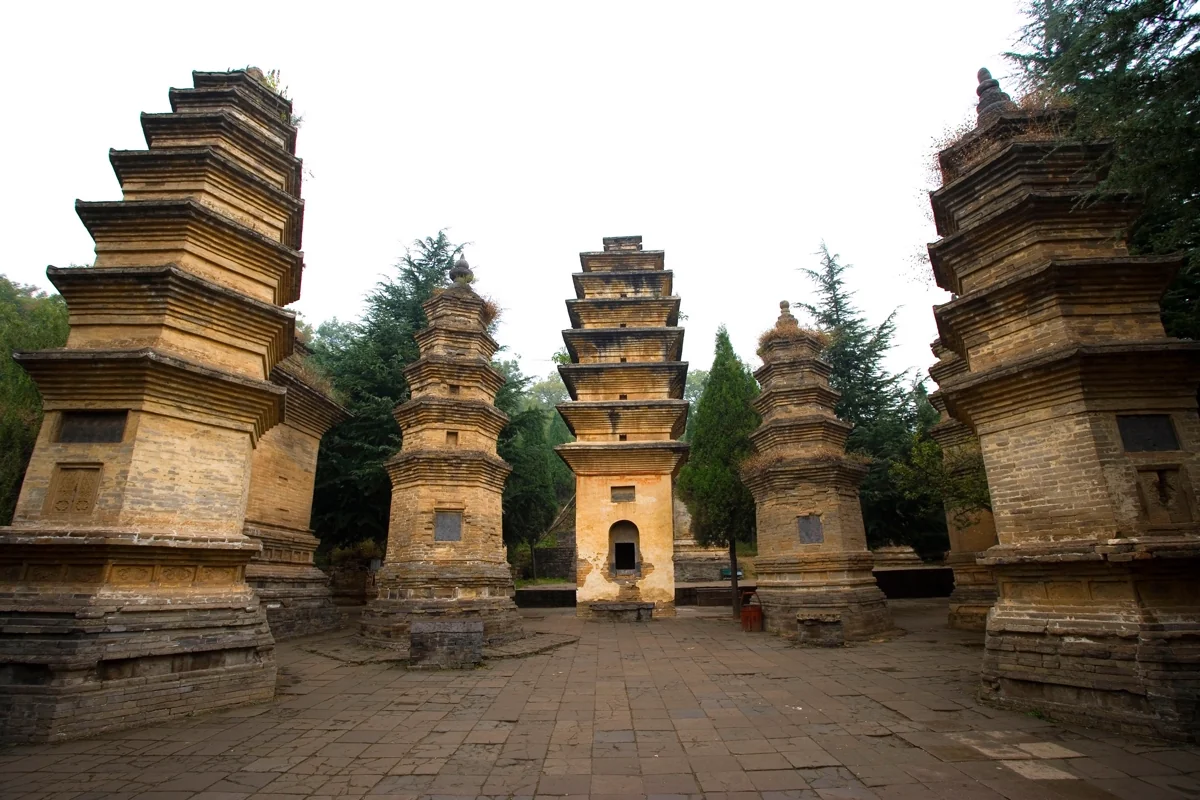
But the highlight for me was the Pagoda Forest (塔林) — a hillside cemetery with over 240 stone pagodas dating from the Tang Dynasty (7th century) to the present day. Each pagoda marks the tomb of an eminent monk, and their sizes and decorations reflect their status and era. Walking through them feels like stepping into a history book.
Getting back: The bus drops you back in Luoyang by late afternoon. Easy day trip.
🏁 Final Thoughts
Luoyang surprised me in the best way possible. I came for the Longmen Grottoes — which, to be fair, are absolutely worth the trip on their own — and I stayed for everything else. The food, the peonies, the old streets, and the quiet dignity of a city that has been around since before the Roman Empire was even a thing.
What I love most is that Luoyang doesn’t try too hard. Xi’an has the Terracotta Warriors and a whole social media campaign. Beijing is the capital with all the big-name attractions. But Luoyang? Luoyang just sits there, humble and ancient, knowing exactly what it is. It doesn’t need to scream for attention. And that’s exactly why I love it.
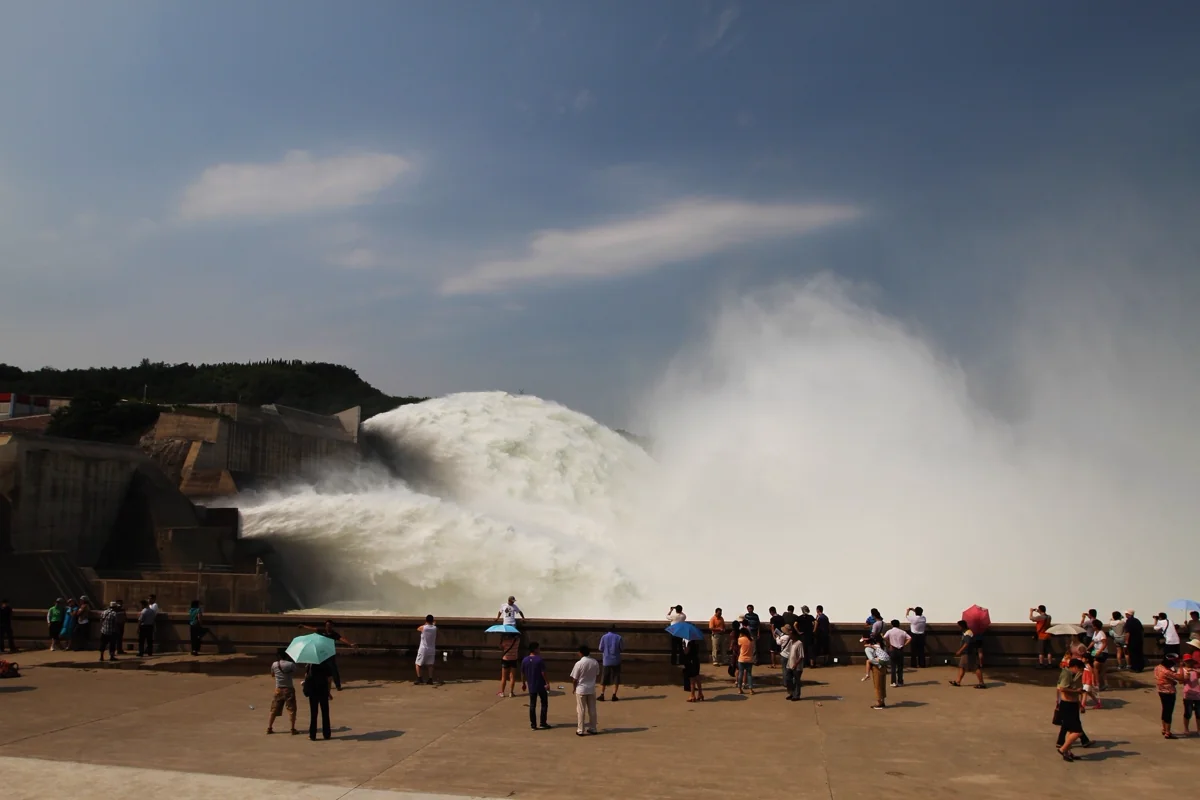
Would I come back? Absolutely. I’m already planning a return trip to hit Xiaolangdi Reservoir (that massive Yellow River dam project — the scenery looks unreal) and spend a full day just walking the old Islamic Quarter and eating everything in sight.
So yeah — book the ticket. Go see those 100,000 Buddhas. Eat the 24-course Water Banquet. Get lost on Lijing Old Street. You won’t regret a single second of it. 🐉
📸 All photos from my trip to Luoyang, 2025. Shot on an iPhone 15 Pro and basic mirrorless.