🏔️ Yunnan Diversity Loop: Kunming → Dali → Lijiang → Shangri-La
📅 July 2026 | 📍 Adventure seekers & culture enthusiasts | ⏱️ 7 Days / 6 Nights
Yunnan is China’s most diverse province. In one week, you’ll go from tropical lakeside to snow-capped mountains, from Bai minority villages to Tibetan monasteries, from 25°C spring weather to freezing mountain passes. The altitude alone changes dramatically — Kunming sits at 1,900m, Shangri-La at 3,300m.
I’ve been to Yunnan three times and it keeps pulling me back. Each city feels like a different country. The food alone is worth the trip — crossing-the-bridge noodles, Bai-style grilled fish, Tibetan yak butter tea. It’s a feast for every sense.
🎯 Before You Go
Must-Have Apps
- Alipay / WeChat Pay — Works everywhere, including remote villages
- 12306 — Train booking
- Amap (高德地图) — Best navigation
- VPN — Standard
- Booking.com — Better than Chinese apps for boutique hotels in Dali/Lijiang
Altitude Warning
This trip goes from 1,900m (Kunming) to 3,300m (Shangri-La). Take it seriously:
- Drink plenty of water
- Avoid alcohol on high-altitude days
- Move slowly on arrival at Shangri-La
- Bring ibuprofen for headaches
- Consider bringing altitude sickness pills (Diamox) — ask your doctor
Best Season to Visit
- March–May — Wildflowers, comfortable temperatures
- September–November — Clear skies, harvest season, fewer tourists
- Avoid: July–August (rainy season), December–February (cold at altitude)
Budget Estimate (per person)
| Category | Estimated Cost |
|---|---|
| Transport (trains + flights) | ¥1,800 / ~$248 |
| Accommodation (6 nights) | ¥2,400 / ~$330 |
| Food (7 days) | ¥1,050 / ~$145 |
| Attractions | ¥600 / ~$83 |
| Total | ¥5,850 / ~$806 |
📅 Itinerary
Day 1: Kunming — Spring City
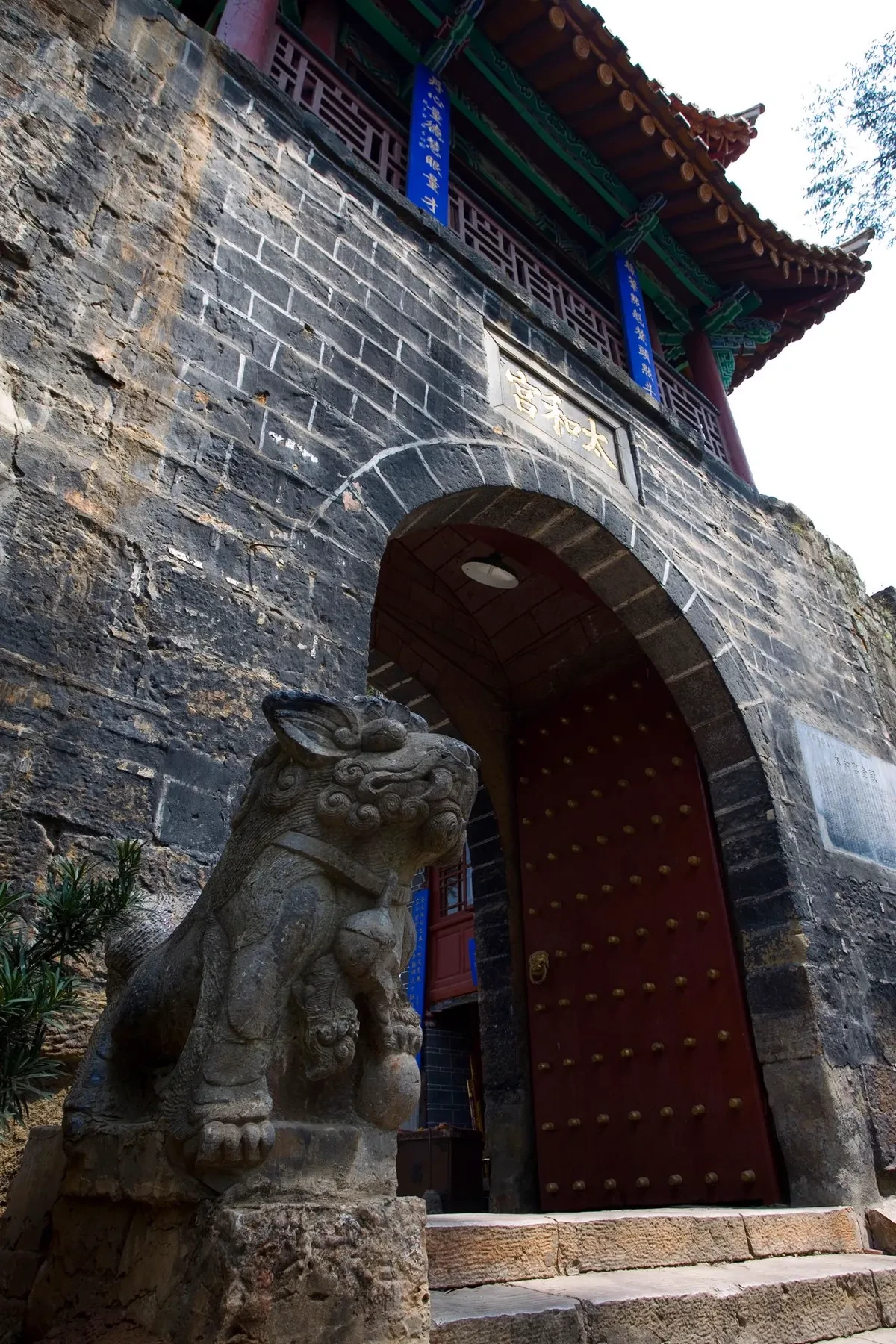
Theme: Arrive, adjust, explore
Dian Lake (滇池)
Kunming’s signature — a massive freshwater lake stretching 30km, backed by the Western Hills. Rent a bike and ride the lakeside path. In winter (November–February), thousands of black-headed gulls migrate here from Siberia — you can feed them by hand.
- 📍 Kunming, Dianchi District
- 🚇 Bus 24 or Didi, ~30 min from city center
- 💰 Free (boat ride optional, ¥30–50 / ~$4–7)
Yunnan Ethnic Village (云南民族村)
A living museum of Yunnan’s 26 ethnic minorities. Each village has traditional architecture, cultural performances, and craft demonstrations. It’s touristy but gives you a quick overview of the diversity you’ll encounter throughout the province.
- 📍 Address: Dianchi Lake South Shore
- ⏰ 9:00 AM – 6:00 PM
- 💰 ¥90 / ~$12
Kunming Old Street (昆明老街)
Restored Qing Dynasty buildings in the city center. Good for coffee shops, local snacks, and a feel for old Kunming.
Dinner: Crossing-the-Bridge Noodles (过桥米线)
The signature dish of Yunnan. A bowl of boiling broth arrives with raw ingredients — thin rice noodles, chicken, vegetables, egg — that you cook yourself by adding them to the broth. It’s interactive dining. ¥30–60 / ~$4–8 at Jianxin Garden (建新园) or Qiaoxiangyuan (桥香园).
🛏️ Stay near: Kunming city center — Nanping Walking Street area
Day 2: Kunming → Dali — Lakeside Serenity
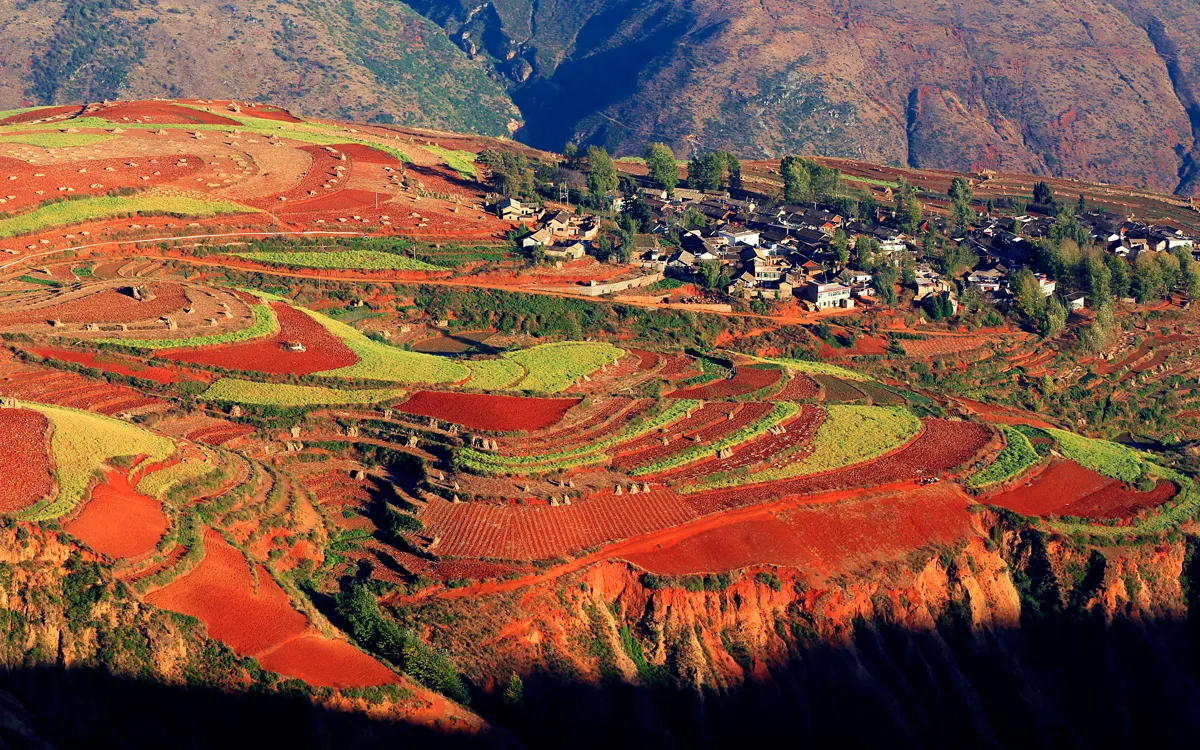
Theme: From city to countryside
Morning: Train to Dali
| Detail | Info |
|---|---|
| Route | Kunming → Dali |
| Duration | ~2 hours (high-speed rail) |
| Price | ¥145 / ~$20 |
| Frequency | Multiple daily |
Dali Old Town (大理古城)
A 600-year-old town with whitewashed walls, blue-tiled roofs, and a backdrop of the Cangshan Mountains. Unlike many “ancient towns” in China, Dali still has real life happening — Bai minority grandmothers in traditional dress, local markets, cats sleeping in doorways.
- 📍 Dali City, Yunnan Province
- 💰 Free to walk around
Three Pagodas of Chongsheng Temple (崇圣寺三塔)
The iconic symbol of Dali. The main pagoda is 69 meters tall, built in the 9th century. The reflection in the pool on a calm day is one of the most photographed images in Yunnan.
- 📍 Address: 1km north of Dali Old Town
- ⏰ 8:00 AM – 5:00 PM
- ¥75 / ~$10.40
Erhai Lake (洱海)
Rent an electric scooter (¥50–80 / ~$7–11 per day) and ride around the lake. The east side is quieter — Bai fishing villages, terraced fields, mountains reflected in the water. Stop at Shuanglang (双廊) for a coffee with the best lake view.
🛏️ Stay near: Dali Old Town or Shuanglang for lake views
Day 3: Dali — Markets, Tea & Village Life
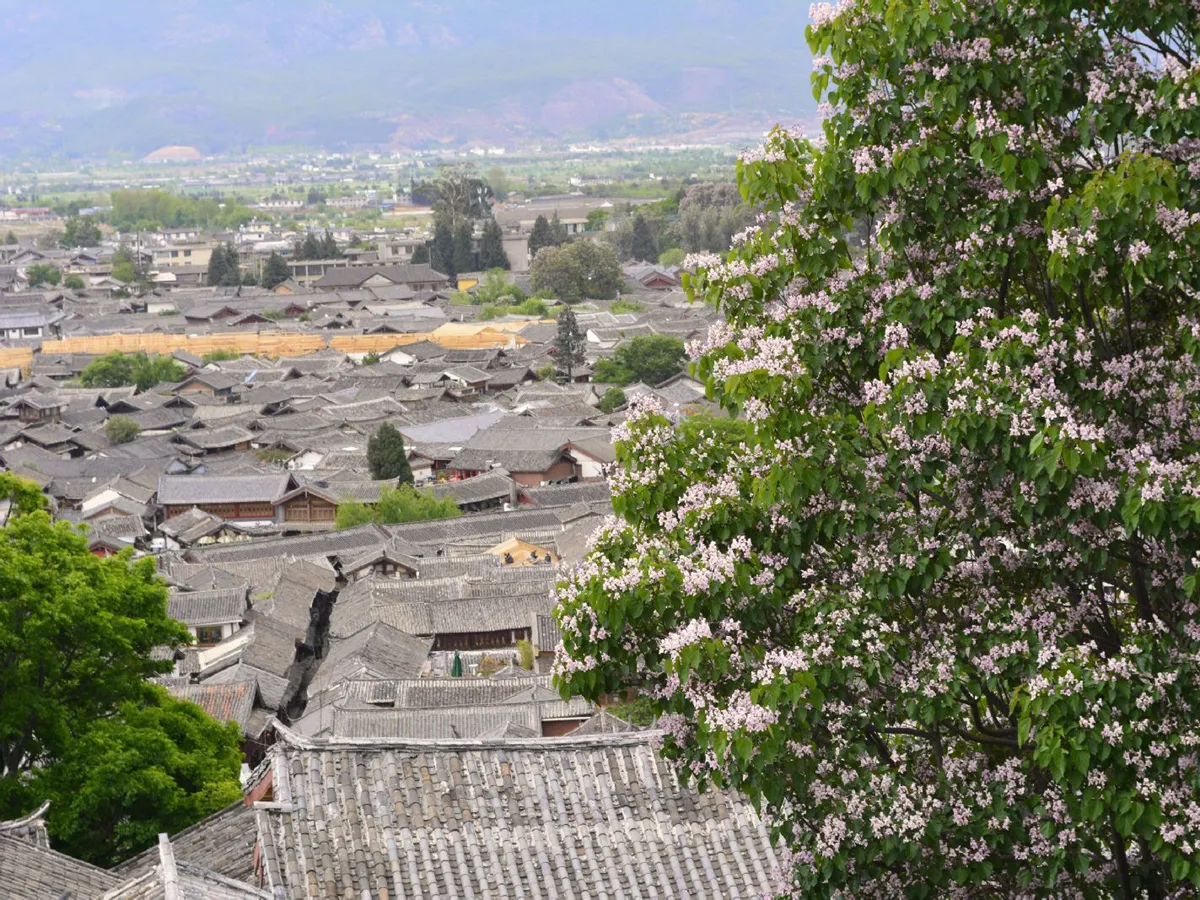
Theme: Slow down, breathe
Dali Morning Market
The real Dali happens at the morning market. Bai minority women sell fresh vegetables, wild mushrooms (Yunnan has 800+ edible species), and herbs. The mushrooms are extraordinary — porcini, chanterelles, matsutake. If you’re here in season (July–September), eat mushroom hotpot at a local restaurant.
Xizhou Morning Market (喜洲)
A 30-minute bus ride from Dali. Xizhou is a quieter, more traditional Bai town. The Xizhou Baba (喜洲粑粑) — a stuffed flatbread baked in a clay oven — is legendary. ¥5 per piece.
- 💰 Free to explore
Butterfly Spring (蝴蝶泉)
A natural spring surrounded by trees. In the fourth lunar month, thousands of butterflies gather here — but even outside butterfly season, the spring and surrounding forest are beautiful.
- 💰 ¥60 / ~$8.30
Afternoon: Tea Tasting
Dali has a growing specialty coffee and tea scene. Cai Cun Fang (才村坊) and other spots along the lake serve Yunnan single-origin teas and local Bai-style tea ceremonies. ¥20–40 per pot.
Evening: Dali Old Town Nightlife
The old town has a surprisingly good bar scene. Live music, craft cocktails, and a mix of Chinese and foreign travelers. Bad Monkey is a Dali institution.
Day 4: Dali → Lijiang — Jade Dragon Snow Mountain
Theme: Naxi culture and mountain grandeur
Morning: Train to Lijiang
| Detail | Info |
|---|---|
| Route | Dali → Lijiang |
| Duration | ~1.5 hours |
| Price | ¥80 / ~$11 |
Jade Dragon Snow Mountain (玉龙雪山)
A 5,596m limestone peak that dominates the Lijiang skyline. Take the cable car to 4,506m — the views of the glacier and surrounding peaks are spectacular. The altitude hits hard up here — walk slowly, take breaks, don’t push yourself.
- 📍 Address: 35km north of Lijiang
- ⏰ 7:00 AM – 6:00 PM
- ¥130 / ~$18 (park entry) + ¥120 / ~$17 (cable car) + ¥20 / ~$3 (eco-bus)
- 🕐 Full day trip
Altitude tips: The cable car takes you to 4,506m in 20 minutes. If you feel dizzy or nauseous, descend immediately. Most people are fine, but it’s not worth pushing through severe symptoms.
Blue Moon Valley (蓝月谷)
At the base of the mountain, a series of turquoise pools formed by glacial runoff. The water is so blue it looks artificial. Free to visit with the mountain park ticket.
Lijiang Old Town (丽江古城)
UNESCO World Heritage Site. A maze of cobblestone streets, wooden houses, and canals. Built by the Naxi people — their Dongba script is one of the last living pictographic writing systems in the world.
- 💰 Free to walk (古城维护费 ¥50 / ~$7, but rarely enforced)
🛏️ Stay near: Lijiang Old Town — many boutique hotels in traditional Naxi houses
Day 5: Lijiang — Naxi Culture & Tiger Leaping Gorge
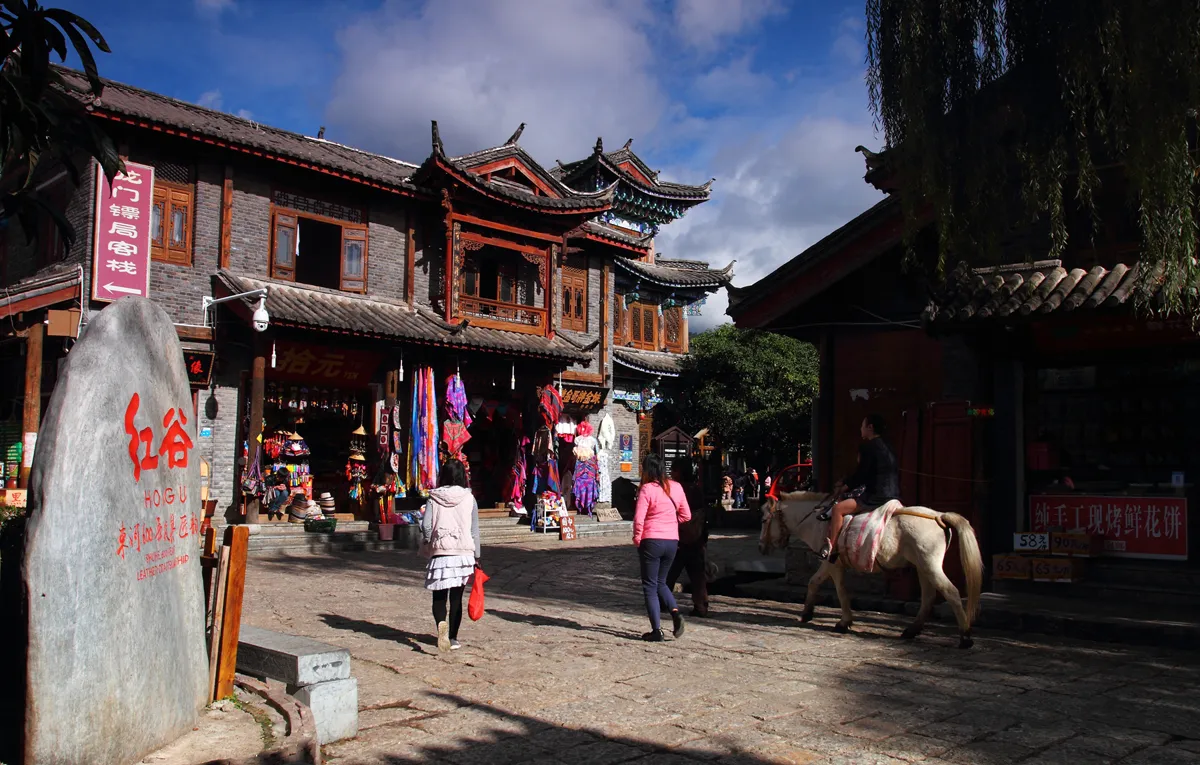
Theme: Mountains and minorities
Tiger Leaping Gorge (虎跳峡)
One of the world’s deepest river gorges — the Jinsha River (upper Yangtze) squeezes through a 16km canyon with cliffs rising 3,900m on either side. The main trail is a well-maintained 22km hike (full day) or you can do the upper gorge viewpoint (half day).
For a comfortable visit, go to the Upper Gorge viewpoint — 15 minutes of stairs to the river, and the view is jaw-dropping. The roar of the river, the spray on your face, the cliffs towering above.
- 📍 Address: 100km north of Lijiang
- ⏰ 7:00 AM – 5:00 PM
- ¥45 / ~$6.20
Transport: Day trip from Lijiang — hire a car (¥300–400 / ~$41–55) or join a group tour (¥150–200 / ~$21–28).
Baisha Naxi Village (白沙古镇)
Back in Lijiang, visit the quieter Baisha village. The Baisha Murals (白沙壁画) from the Ming Dynasty blend Buddhist, Taoist, and Naxi Dongba art — a unique cultural fusion. The village itself is peaceful, with old Naxi houses and mountain views.
- 💰 ¥30 / ~$4 for mural viewing
Dinner: Naxi Cuisine
Try Naxi Baba (纳西粑粑, sesame flatbread), Yak Meat Hotpot (牦牛火锅), and Sanyou Tea (三道茶, Three Course Tea — a Bai ceremony of bitter, sweet, and reflective flavors).
Day 6: Lijiang → Shangri-La — The Roof of the World
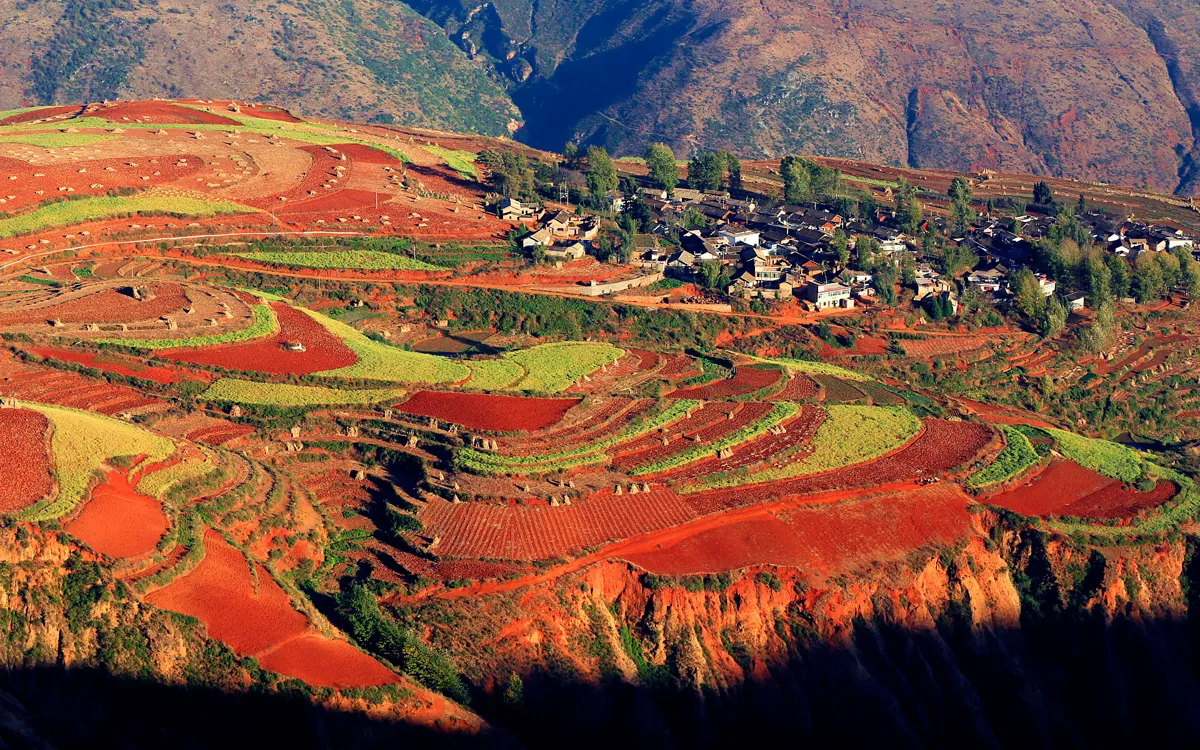
Theme: Tibetan plateau
Morning: Bus to Shangri-La
| Detail | Info |
|---|---|
| Route | Lijiang → Shangri-La (Zhongdian) |
| Duration | ~4 hours |
| Price | ¥75–100 / ~$10–14 |
| Road | Beautiful but winding — take motion sickness pills if needed |
Dukezong Ancient Town (独克宗古城)
One of the oldest Tibetan towns on the Tea Horse Road. The town was partially rebuilt after a devastating fire in 2014, but the spirit remains. The massive prayer wheel in the town center — 21 meters tall, weighing 60 tons — takes several people to spin.
- 💰 Free to walk
Songzanlin Monastery (松赞林寺)
Called “the small Potala Palace,” this is the most important Tibetan Buddhist monastery in Yunnan. Founded in 1679, it houses 700 monks. The golden rooftops gleaming against the blue sky, the smell of incense, the sound of chanting — it’s deeply moving.
- 📍 Address: 5km north of Shangri-La city
- ⏰ 7:00 AM – 6:00 PM
- ¥90 / ~$12 (includes shuttle bus and guide)
- 🕐 2–3 hours
Monastery etiquette: Walk clockwise around buildings and prayer wheels. Don’t point at monks or religious objects. Don’t touch statues. Remove hats. Speak softly.
Evening: Yak Butter Tea & Highland Barley Wine
Tibetan hospitality centers around yak butter tea (酥油茶) and highland barley wine (青稞酒). The tea is salty and oily — not what you expect, but it’s how Tibetans stay warm at altitude. Try it at a Tibetan restaurant in Dukezong.
🛏️ Stay near: Dukezong Ancient Town — atmospheric Tibetan guesthouses
Day 7: Shangri-La → Lijiang → Departure
Theme: Last morning at altitude, then down
Napa Lake (纳帕海)
A high-altitude grassland lake at 3,270m. In summer, it’s surrounded by wildflowers and grazing yaks. In autumn, black-necked cranes arrive from Tibet. Rent a horse (¥50–100 / ~$7–14) and ride along the lakeshore.
- 📍 8km northwest of Shangri-La
- ¥60 / ~$8.30
Return to Lijiang
Bus back to Lijiang (4 hours), then fly out from Lijiang Sanyi Airport — flights to Kunming (50 min), Chengdu (1.5 hours), or other major cities.
Final meal in Yunnan: One more bowl of crossing-the-bridge noodles. You’ll miss it when you’re gone.
🍜 Food Recommendations
| City | Dish | Price | Where |
|---|---|---|---|
| Kunming | Crossing-the-Bridge Noodles | ¥30–60 / ~$4–8 | Jianxin Garden |
| Kunming | Wild Mushroom Hotpot | ¥80–120 / ~$11–17 | Local restaurants (July–Sept) |
| Dali | Xizhou Baba (flatbread) | ¥5 / ~$0.70 | Xizhou market |
| Dali | Bai-style Grilled Fish | ¥60–80 / ~$8–11 | Erhai lakeside |
| Lijiang | Yak Meat Hotpot | ¥80–120 / ~$11–17 | Old Town restaurants |
| Shangri-La | Yak Butter Tea | ¥10–15 / ~$1.40–2 | Tibetan restaurants |
| Shangri-La | Highland Barley Wine | ¥10–20 / ~$1.40–3 | Dukezong bars |
💡 Practical Tips
- Altitude is real — Shangri-La is at 3,300m. Don’t drink alcohol the first night. Don’t run. Don’t skip water. If you feel very unwell, go down.
- Layer clothing — You might experience 4 seasons in one day. Sunscreen is essential — the UV at altitude is extreme.
- Book Jade Dragon Mountain cable car early — It sells out during peak season. Book online 1 day ahead.
- Lijiang Old Town tourist tax — ¥50 / ~$7 古城维护费. Technically required but rarely checked. If entering museums, you may need to show proof of payment.
- Yunnan mushroom season — July to September. If you visit during this window, eating wild mushroom hotpot is mandatory. It’s incredible.
- Respect local customs — You’re crossing through Bai, Naxi, and Tibetan territories. Learn a few local phrases, ask before photographing people, and remove shoes when entering homes.
- Cash for remote areas — Mobile signal can be spotty between Lijiang and Shangri-La. Carry some cash.