Jiuzhaigou: The Fairy Tale World of Turquoise Lakes and Cascading Waterfalls 💎🌲💦
📅 Version 2026.07 | 📍 Nature lovers & bucket-list chasers | ⏱️ 1-2 days inside the park
🎯 Why Jiuzhaigou Will Ruin Every Other Lake You Ever See
Okay, I need to be honest with you. I thought I’d seen beautiful water before. I’d been to Hallstatt, to Plitvice, to Banff. And then I walked into Jiuzhaigou Valley and every single one of those photos on my phone suddenly looked… flat. 😩
This place is unreal. We’re talking 108 lakes that look like someone dumped liquid turquoise paint into the mountains. Waterfalls wider than a football field. Forests that explode into red and gold every October. And a valley so impossibly perfect that the Chinese literally named it after a fairy tale - “九寨沟” means “Valley of Nine Tibetan Villages.” ✨
Jiuzhaigou was designated a UNESCO World Heritage Site in 1992 and a UNESCO Biosphere Reserve in 1997. The valley stretches across 72,000+ hectares of pristine wilderness in the Min Mountains of northern Sichuan. It sits at elevations between 2,000 and 4,500 meters, cradled by snow-capped peaks and ancient Tibetan settlements.
If you only visit one natural wonder in China, make it this one. Seriously. 💯
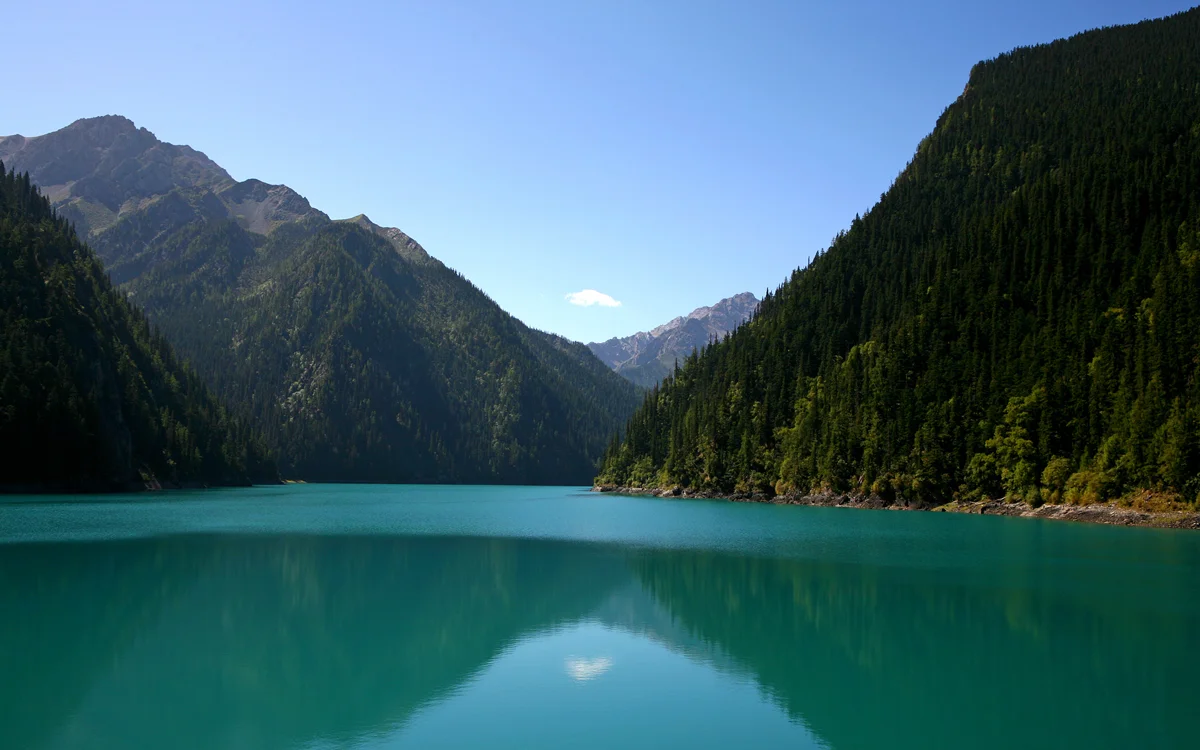
🏞️ The Lakes: Nature’s Color Palette on Overdrive
Jiuzhaigou’s lakes are the main event, and they do NOT disappoint. The water gets its insane colors from calcium carbonate deposits, algae, and the sheer depth of each basin. Here are the must-sees:
🌈 Five Flower Lake (五花海)
This is THE lake. The one you’ve seen in every Jiuzhaigou photo ever. And honestly? No photo does it justice. 🤯
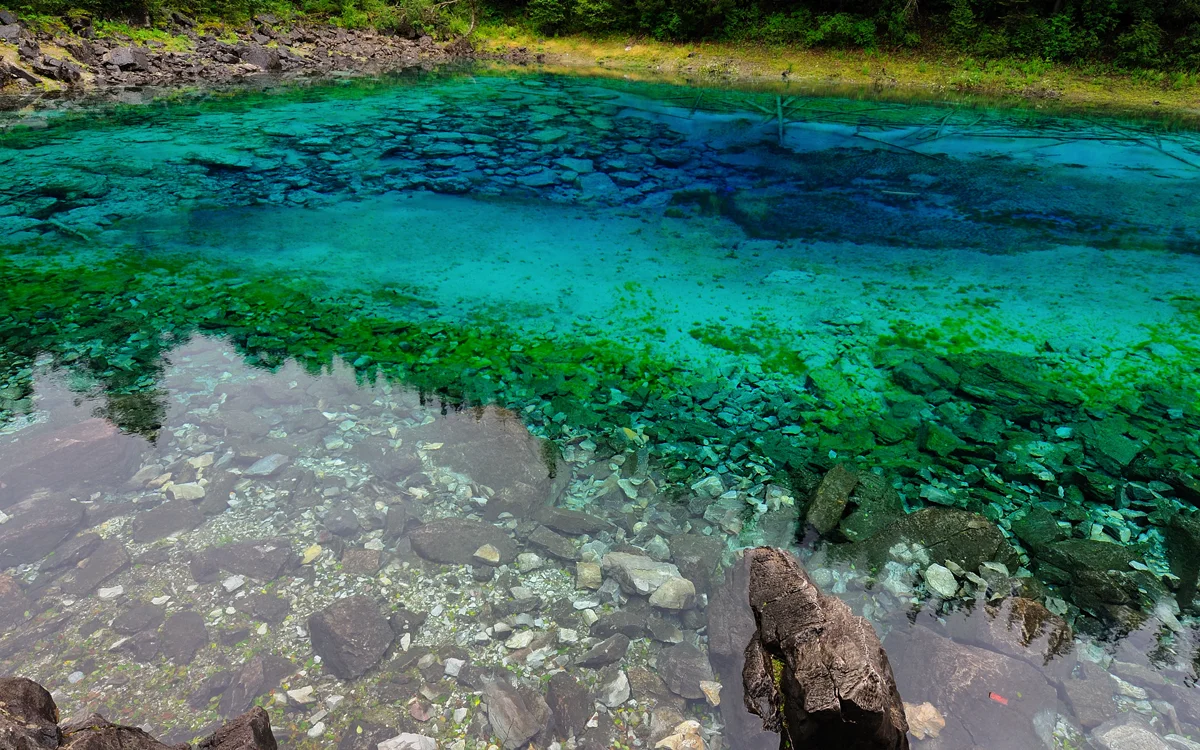
Five Flower Lake is only about 5 meters deep, but the bottom is covered in ancient fallen tree trunks that have been calcified over centuries. The combination of the submerged logs, mineral deposits, and algae creates a mosaic of turquoise, emerald green, deep sapphire, and amber yellow - all in one lake. It looks like a giant spilled a box of watercolors into the mountains.
Pro tip: Visit at noon when the sun is directly overhead. That’s when the colors are at their most saturated and the underwater details pop. I made the mistake of going in the morning and the reflections were nice but the colors were muted. ⏰
🪞 Mirror Lake (镜海)
Mirror Lake earned its name because the surface is so still it creates a perfect reflection of the surrounding mountains and forests. On a calm day, you literally cannot tell where the water ends and the sky begins. It’s like the world folded in half. 🌄
Best time: Early morning, before the shuttle buses start running and before any wind picks up. I got there at 7:30 AM and had the entire lakeside to myself for twenty magical minutes. The reflection was so flawless that I kept checking to make sure my phone wasn’t mirrored. 😂
🏔️ Long Lake (长海)
Long Lake is the largest and deepest lake in Jiuzhaigou - it stretches about 7.5 kilometers long and sits at 3,060 meters elevation. The water is a deep, moody indigo that changes color with the clouds. Surrounded by snow-dusted peaks in winter, it feels like you’ve stepped into a Chinese ink painting. 🎨
There’s a famous dead tree stump at the edge of the lake that locals call the “Lover’s Tree.” Legend says it’s been standing there for over a thousand years. Whether you believe the folklore or not, it makes for an incredible photo. 📸
🐼 Panda Lake (熊猫海)
Panda Lake gets its name from the giant pandas that used to come down from the mountains to drink here. The lake has a beautiful gradient from deep blue at the center to pale turquoise at the edges, and the surrounding bamboo forest gives it a wild, untouched feeling.
There’s a small waterfall at one end that creates a natural ” panda face” pattern in the water - at least that’s what the locals say. I squinted and kind of saw it? Maybe? 🐼😅
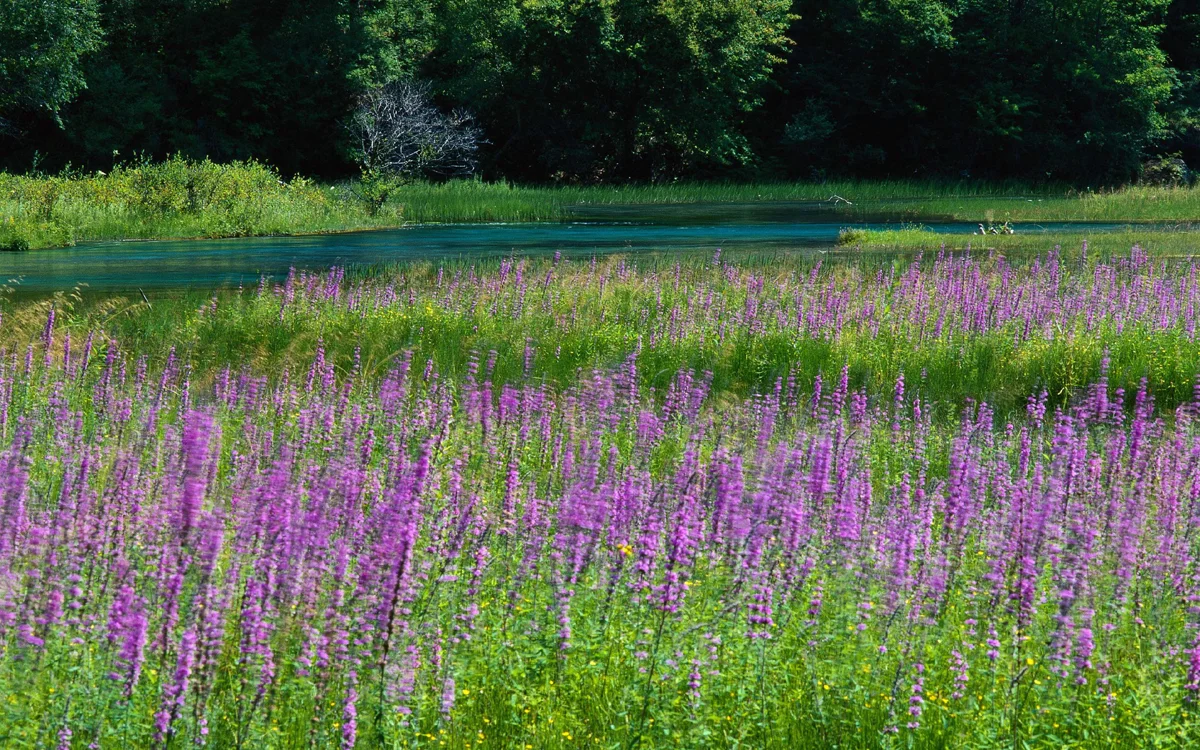
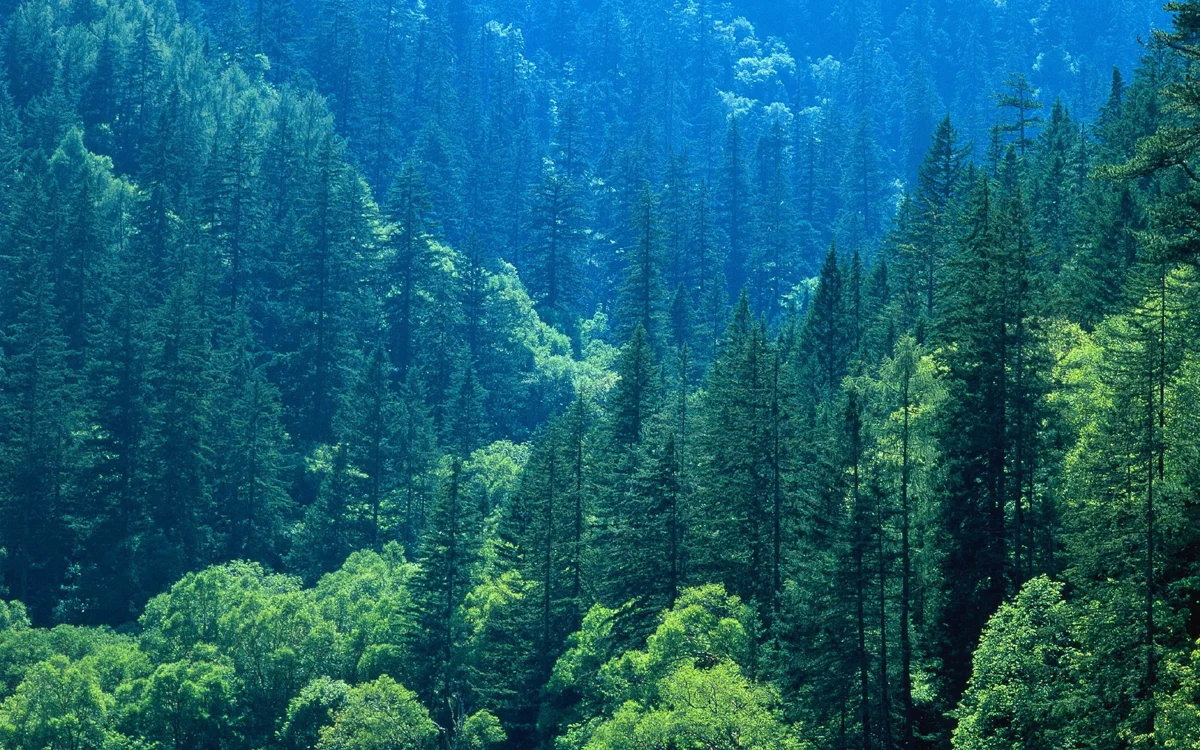
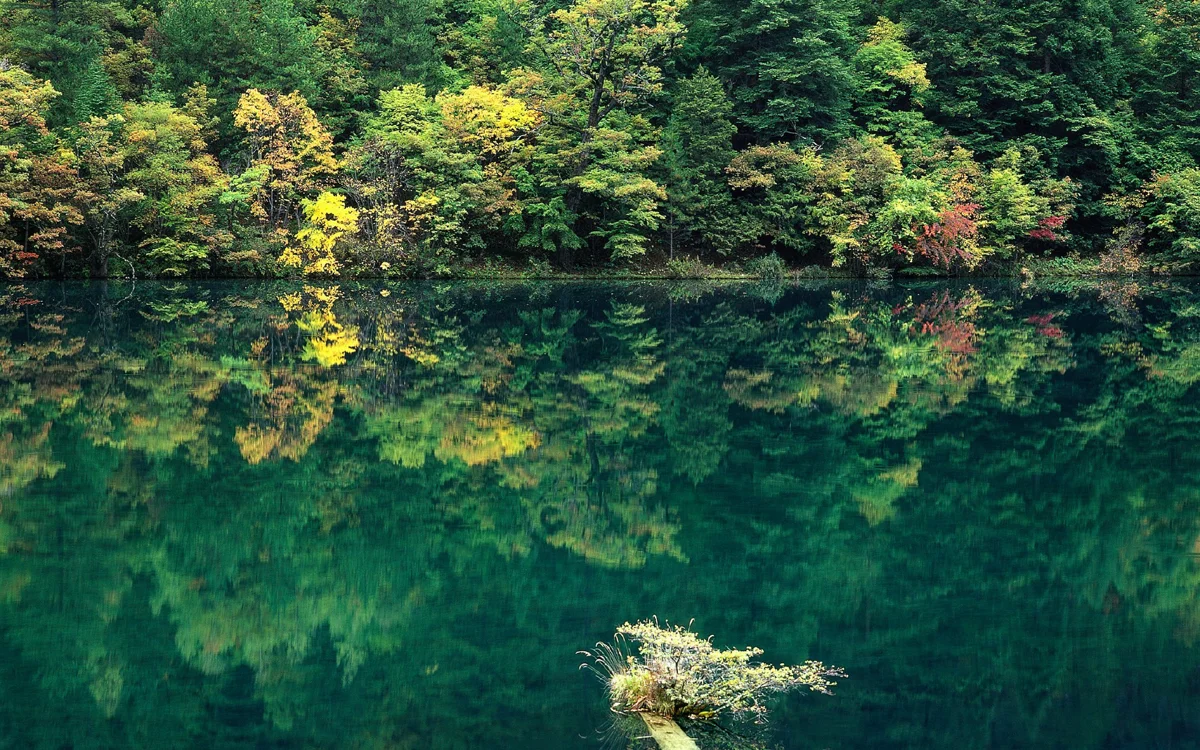
🌊 The Waterfalls: China’s Most Spectacular Liquid Fireworks
If the lakes are Jiuzhaigou’s soul, the waterfalls are its heartbeat. And they are thunderous. 💥
🌊 Nuorilang Waterfall (诺日朗瀑布)
This is the widest waterfall in all of China - a staggering 320 meters across. The water cascades over a travertine ledge in a curtain of white foam, framed by autumn-colored trees on both sides. When I first saw it, I actually stopped walking. Just stood there with my mouth open. 🤯
The name “Nuorilang” means “grand and majestic” in Tibetan, and that’s exactly what it is. The sound alone - that deep, constant rumble - fills the entire valley. You can hear it from hundreds of meters away.
Best photo time: Morning light, around 9-10 AM, when the sun illuminates the spray and creates rainbow arcs in the mist. Trust me on this one. 🌈
💎 Pearl Shoal Waterfall (珍珠滩瀑布)
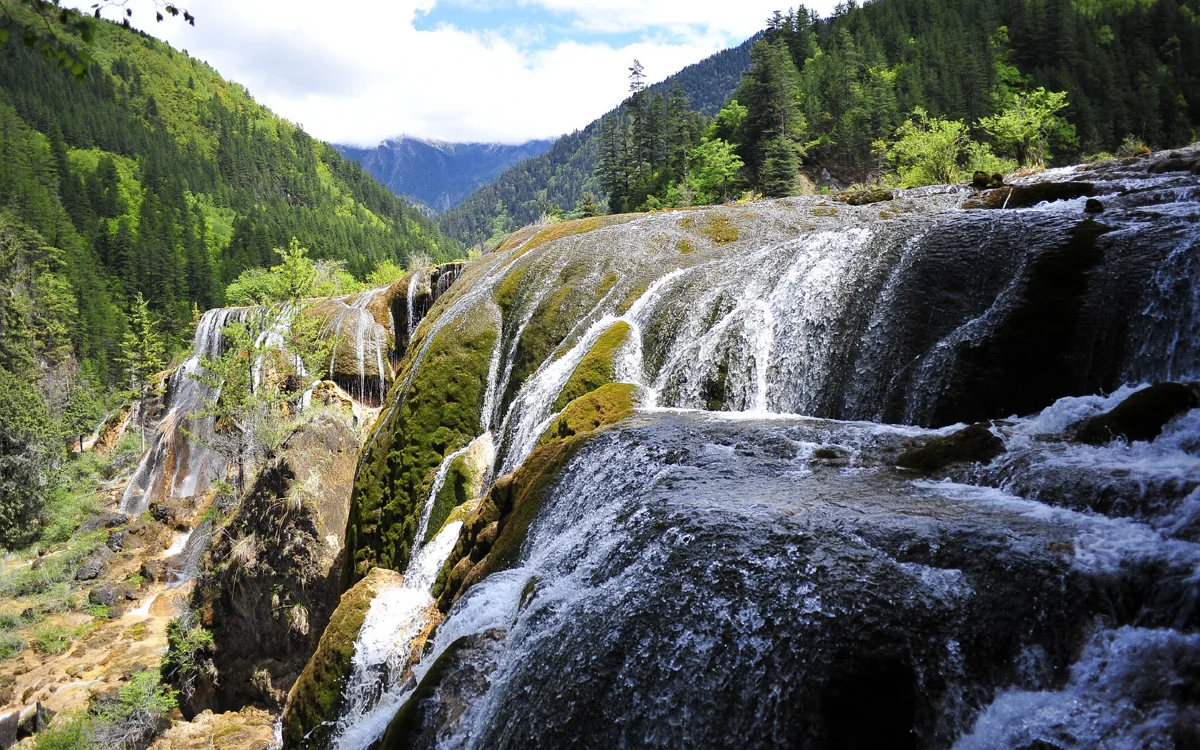
This one’s special because the water doesn’t just fall - it dances. The stream flows over a massive, sloping limestone shoal covered in tiny bumps and ridges. As the water hits each bump, it splashes upward in tiny droplets that look like thousands of pearls scattered across the rock. Hence the name. 💎
The waterfall at the end of the shoal is about 28 meters high and 160 meters wide - smaller than Nuorilang but arguably more photogenic. The contrast between the gentle “pearl shoal” above and the dramatic cascade below creates an incredible sense of energy. ⚡
Fun fact: This exact spot was used as the opening scene in the 1986 Chinese TV series Journey to the West (西游记). If you’ve seen that show, you’ve already seen Pearl Shoal - you just didn’t know it. 🐒
🏞️ Shuzheng Waterfall (树正瀑布)
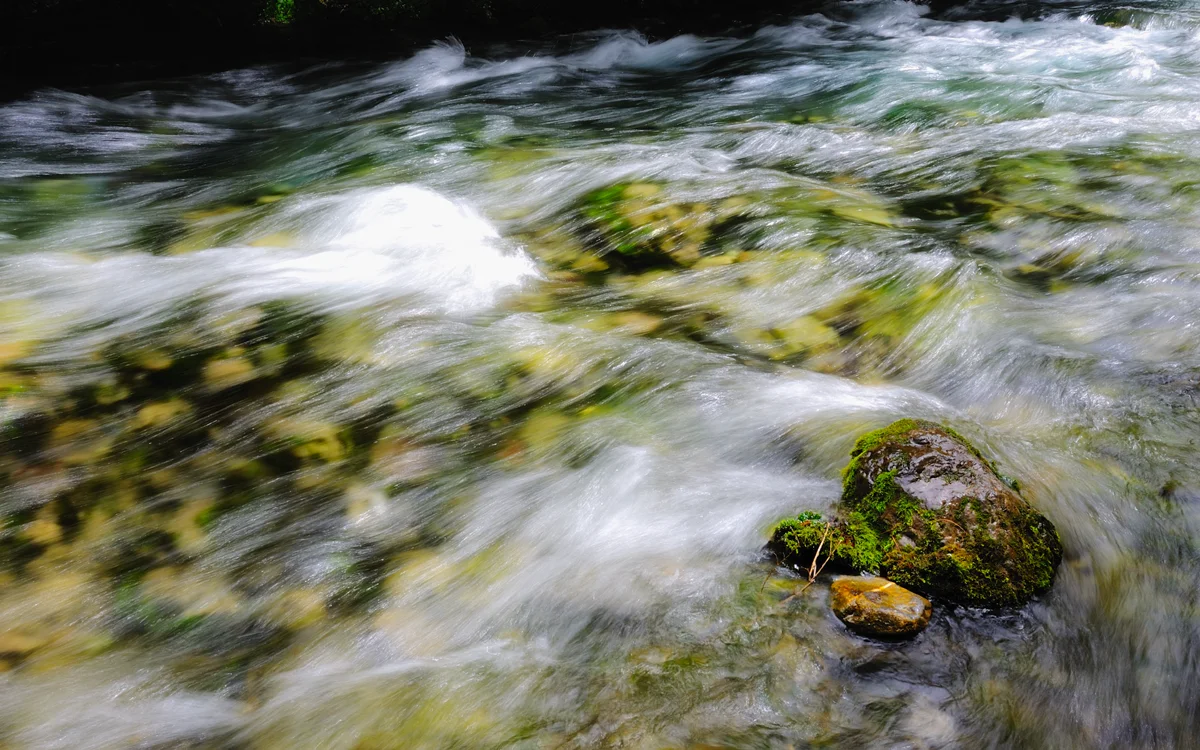
Shuzheng is the waterfall you’ll encounter first if you enter from the park’s main gate. It’s a series of smaller cascades tumbling through a dense forest, with calcified tree stumps creating natural terraces. The effect is like a miniature version of Plitvice Lakes - but somehow more wild and untamed. 🌿
The surrounding Shuzheng Village cluster includes several smaller lakes (Shuzheng Lake, Rhinoceros Lake, Tiger Lake) connected by these cascading falls. It’s a perfect introduction to Jiuzhaigou’s magic and sets the tone for everything that follows. 🎭
🍂 Autumn: The Season That Breaks the Internet
I cannot overstate this: Jiuzhaigou in autumn is the single most photogenic landscape I have ever seen. And I’ve been to a LOT of places. 😭🍁
Between mid-October and early November, the forests erupt into crimson, burnt orange, golden yellow, and deep burgundy. These fiery colors reflect off the turquoise lakes, creating scenes so absurdly beautiful they look photoshopped. But they’re not. That’s just what Jiuzhaigou does in October. 🔥
Peak color is roughly October 15-25. The downside? Peak tourist season too. My advice: go on a weekday, arrive when the gate opens at 8:30 AM, and take the shuttle bus straight to Long Lake to beat the crowds. 🚌
Five Flower Lake surrounded by red and gold foliage becomes an actual painting. Nuorilang Waterfall framed by autumn trees is the most iconic Jiuzhaigou image. Mirror Lake reflections include those stunning fall colors. The entire Y-shaped valley turns into a living, breathing color wheel.
The Chinese have a saying: “九寨归来不看水” - “After Jiuzhaigou, no other water is worth seeing.” I agree. 💯
🙏 Tibetan Culture: More Than Just Pretty Lakes
Jiuzhaigou isn’t just a natural wonder - it’s a living, breathing cultural landscape. The valley has been home to nine Tibetan villages for centuries, and their influence is everywhere. 🏔️
The Nine Villages
Traditional Tibetan stone houses with flat roofs, colorful prayer flags on every surface, and the occasional yak wandering through town - the locals have lived in harmony with this landscape for generations.
Zhuru Monastery (扎如寺)
Perched on a hillside, Zhuru Monastery is a 200-year-old Tibetan Buddhist temple housing ancient scriptures and intricate thangka paintings. You’ll see prayer wheels, mani stones, and khatags throughout the valley. Respectful visitors are welcome - just walk clockwise around prayer wheels and stupas. 🙏
Tibetan Cuisine
Inside the park food is limited to shuttle bus stations, but Zhangzha Town has fantastic Tibetan restaurants. Must-tries:
- 🫕 Yak hot pot - rich, hearty, perfect for cold mountain evenings
- 🥟 Tibetan dumplings (Jiaozi) - filled with yak meat and wild herbs
- 🧈 Butter tea (酥油茶) - salty, creamy, an acquired taste but genuinely warming
- 🍵 Highland barley wine (青稞酒) - slightly sweet, goes surprisingly well with yak meat
- 🥩 Dried yak meat - the local snack, sold everywhere in town
📸 Best Photo Spots (My Personal Top 5)
After spending two full days in the park with my camera glued to my face, here are the spots that gave me the absolute best shots:
| Spot | Best Time | Why It’s Amazing |
|---|---|---|
| Five Flower Lake | Noon (11AM-1PM) | Direct sunlight penetrates the water, revealing the kaleidoscope of colors and submerged logs |
| Mirror Lake | Early morning (7-8AM) | Perfectly still water = flawless mountain reflections before the wind picks up |
| Nuorilang Waterfall | Morning (9-10AM) | Sunlight hits the spray from the east, creating rainbow arcs |
| Long Lake | Late afternoon (4-5PM) | Golden hour light on the indigo water with snow peaks glowing pink |
| Pearl Shoal | Midday | The “pearl” droplets catch the light best when the sun is overhead |
Gear tips: Polarizing filter (cuts glare, reveals colors), lens cloth (waterfall mist), wide angle for Nuorilang, telephoto for Five Flower Lake details. Phone cameras work great too — the scenery does all the work. 📱
🗺️ Practical Information: Everything You Need to Know
📍 Location & Getting There
Address: Jiuzhaigou County (九寨沟县), Aba Tibetan and Qiang Autonomous Prefecture, Sichuan Province, China
Getting there from Chengdu:
| Option | Duration | Cost | Notes |
|---|---|---|---|
| ✈️ Fly to Jiuzhai Huanglong Airport (JZH) + airport bus | ~1.5hr flight + 1.5hr bus | ¥1,200-2,000 ( | Fastest option, airport is 88km from park |
| 🚌 Long-distance bus from Chengdu | ~8 hours | ¥150-180 (~$21-25) | Scenic route through mountains, multiple daily departures from Chadianzi Bus Station |
| 🚗 Private car / organized tour | ~7-8 hours | ¥800-1,200 (~$110-165) | Most flexible, can stop at Songpan ancient town en route |
💡 My recommendation: Fly if you can afford it. That 8-hour bus ride through winding mountain roads is beautiful but exhausting. I took the bus going there and flew back - the flight saved me an entire day. ✈️
🕐 Opening Hours & Tickets
| Item | Details |
|---|---|
| Opening hours | 8:00 AM - 6:00 PM daily (last entry 2:00 PM in peak season) |
| Entrance fee | ¥169 ( |
| Shuttle bus | ¥90 (~$12) - mandatory for getting around the valley |
| Total cost | |
| How to buy | Online ONLY via the official WeChat mini-program “九寨沟” or Ctrip/Trip.com - no walk-up ticket sales |
| Daily limit | 41,000 visitors per day (peak season) - book at least 3-5 days ahead! |
⚠️ Important: You MUST book tickets online in advance. There are no ticket windows at the gate. Download the WeChat mini-program or book through Trip.com before you arrive. I learned this the hard way and had to scramble to find WiFi at a gas station 30 minutes from the park. 😅
🚌 Getting Around Inside the Park
Jiuzhaigou is shaped like a giant “Y” with three branches:
- Main trunk - Zhangzha Valley (树正沟): Shuzheng Waterfall, Shuzheng Lakes, Mirror Lake
- Left branch - Zechawa Valley (则查洼沟): Long Lake, Five Flower Lake
- Right branch - Rize Valley (日则沟): Nuorilang Waterfall, Pearl Shoal, Panda Lake,箭竹海
The shuttle bus system runs loops through all three branches. Key strategy: take the bus to the farthest point first (Long Lake or Nuorilang), then work your way back downhill on foot, catching the bus between sections. This way you avoid fighting uphill crowds. 🚌➡️
Time needed:
- Minimum: 1 full day (rushed, hit the highlights)
- Recommended: 1.5-2 days (comfortable pace, enjoy everything)
- The park allows re-entry with your ticket on the same day
🏨 Where to Stay
| Area | Price Range | Pros | Cons |
|---|---|---|---|
| Zhangzha Town (漳扎镇) | ¥200-800/night (~$28-110) | Closest to park entrance, most dining options | Can be touristy, noisy at night |
| Songpan County (松潘县) | ¥150-500/night (~$21-70) | Ancient town atmosphere, cheaper | 1.5hr drive to park |
| Chengdu | ¥300-1000/night (~$42-140) | Big city amenities, fly in/out | Too far for daily park visits |
💡 My pick: Zhangzha Town. Yes, it’s touristy, but the convenience of being 10 minutes from the park entrance is worth it. I stayed at a Tibetan-style guesthouse for ¥350/night (~$48) and it was charming, warm, and had the best yak hot pot I’ve ever tasted. 🫕
🌡️ Best Time to Visit
| Season | Months | What to Expect | Rating |
|---|---|---|---|
| 🍂 Autumn | Oct 15 - Nov 5 | Peak fall colors, turquoise + red/gold = INSANE | ⭐⭐⭐⭐⭐ |
| 🌿 Summer | Jun - Sep | Lush green, waterfalls at full power, rainy but dramatic | ⭐⭐⭐⭐ |
| 🌸 Spring | Apr - May | Snowmelt feeds the lakes, wildflowers, fewer crowds | ⭐⭐⭐ |
| ❄️ Winter | Dec - Mar | Frozen waterfalls, snow-dusted lakes, peaceful solitude | ⭐⭐⭐ |
⛔ AVOID: Chinese Golden Week (Oct 1-7) and Chinese New Year (Jan-Feb). The park gets 40,000+ visitors per day and you’ll spend more time in shuttle bus lines than looking at lakes. I made this mistake once - never again. 😤
💰 Budget Breakdown (Per Person, Per Day)
| Category | Budget (¥) | Budget ($) | Notes |
|---|---|---|---|
| 🎫 Entrance + shuttle | ¥259 | ~$36 | Peak season |
| 🍜 Meals (3 meals) | ¥150-250 | ~$21-35 | Lunch at park ¥40-60, dinner in town ¥80-120 |
| 🏨 Accommodation | ¥200-500 | ~$28-70 | Zhangzha Town, shared to mid-range |
| 🚌 Local transport | ¥0-50 | ~$0-7 | Walking + shuttle, occasional taxi |
| 🎁 Souvenirs | ¥50-150 | ~$7-21 | Tibetan jewelry, dried yak meat, local tea |
| TOTAL | ¥659-1,209 | ~$91-169 | Per person per day |
💡 Money-saving tip: Bring snacks and water from Chengdu or Songpan. Inside the park, a bottle of water costs ¥10 (
$1.40) and a basic lunch box runs ¥40-60 ($5.50-8.30). Not outrageous, but it adds up over two days. 🧃
❓ FAQ
Q: Do I need to be physically fit?
A: Moderately. Shuttle buses handle transport, but you’ll walk 8-15 km daily on paved paths. The altitude (2,000-3,100m) can cause mild breathlessness. Take it slow, stay hydrated, and you’ll be fine - I saw elderly visitors and families with young kids doing just fine. 💪
Q: Can I swim in the lakes?
A: Absolutely not. Swimming is strictly prohibited in ALL Jiuzhaigou lakes. The ecosystem is incredibly fragile - the calcium carbonate formations that create those colors took thousands of years to develop. Even sunscreen and insect repellent are discouraged near the water. Respect the rules, folks. 🚫🏊
Q: Is Jiuzhaigou safe for solo travelers?
A: 100% yes. The shuttle bus system is well-organized, the paths are clearly marked, and the park has staff everywhere. I traveled solo and never felt unsafe. The only “danger” is spending too much money on souvenir yak scarves. 😂🧣
Q: What should I pack?
A: essentials include:
- Layers! Mountain weather changes fast - morning can be 5°C, afternoon 20°C
- Rain jacket or poncho (you WILL encounter mist from waterfalls)
- Comfortable walking shoes (not sandals!)
- Sunscreen + sunglasses (UV is intense at altitude)
- Polarizing filter for your camera
- Portable charger (you’ll take 500+ photos, I guarantee it)
- Snacks and water bottle
Q: Can I visit in winter?
A: Yes! The park stays open year-round (reduced hours Dec-Mar). Winter means frozen waterfalls, snow-dusted lakes, and almost zero crowds. The trade-off: some higher sections may close and the famous colors are more muted. If you want solitude, go for it. If you want the iconic turquoise + autumn colors, stick to October. ❄️🍁
Q: How does Jiuzhaigou compare to Huanglong?
A: Often visited together (1.5 hours apart by bus) but very different. Jiuzhaigou = lakes and waterfalls in a forest valley. Huanglong = travertine terraces that look like a golden dragon from above. Both UNESCO sites. If only one, pick Jiuzhaigou - more diverse and easier to explore. If 2+ days, do both. 🐉💎
📋 Quick Reference Card
| Item | Details |
|---|---|
| 📍 Where | Jiuzhaigou County, Aba, Sichuan, China |
| 🎫 Tickets | ¥259 (~$36) = ¥169 entry + ¥90 shuttle |
| 🕐 Hours | 8:00 AM - 6:00 PM daily |
| 🚌 Getting there | Fly to JZH + 1.5hr bus, or 8hr bus from Chengdu |
| 🏨 Stay | Zhangzha Town (10 min from park) |
| 📅 Best time | Oct 15-25 for autumn colors |
| ⏱️ Time needed | 1.5-2 days minimum |
| 💰 Daily budget | ¥660-1,200 (~$91-169) per person |
| 📱 Must-book online | Tickets via WeChat mini-program or Trip.com |
Last updated: July 2026. Prices and policies may change - always check the official Jiuzhaigou WeChat account before visiting. 🏔️✨