Huangguoshu Waterfall: Is Asia’s Biggest Waterfall Worth the Trip? 💦🇨🇳
📅 Last updated July 2026 · 📍 Guizhou, China · ⏱️ Full day trip
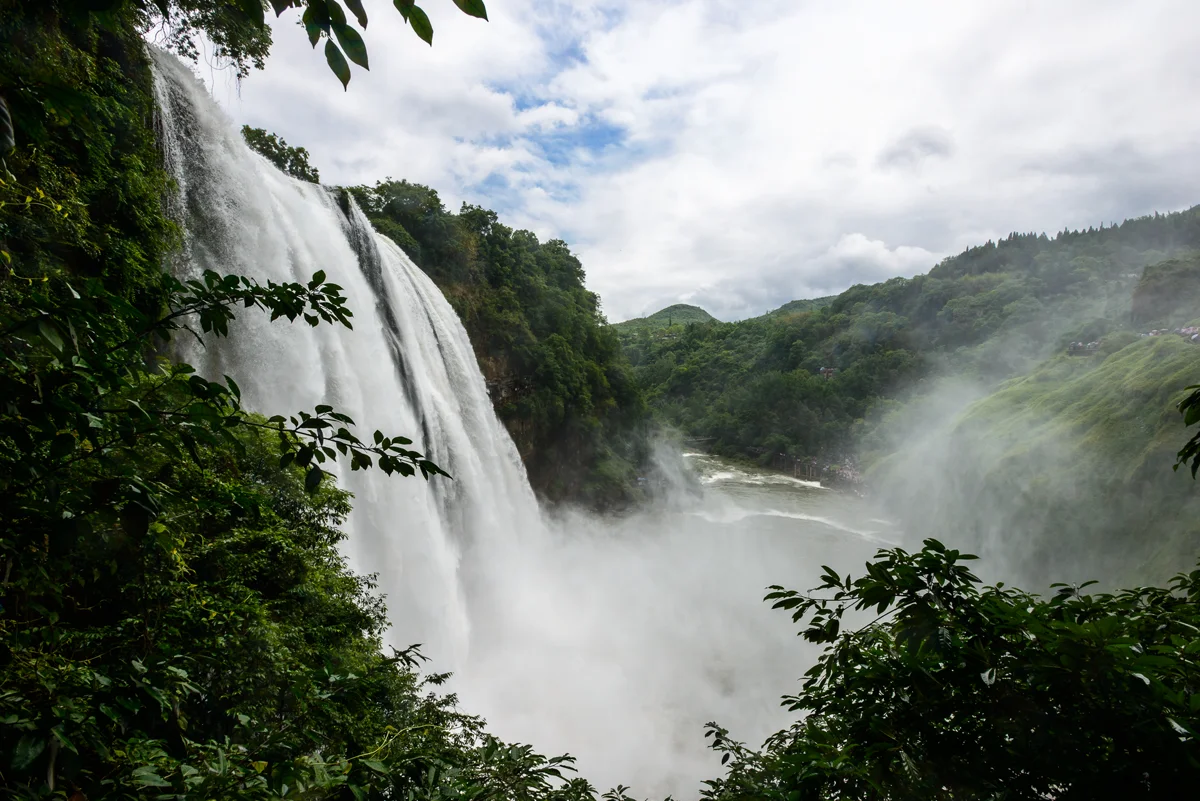
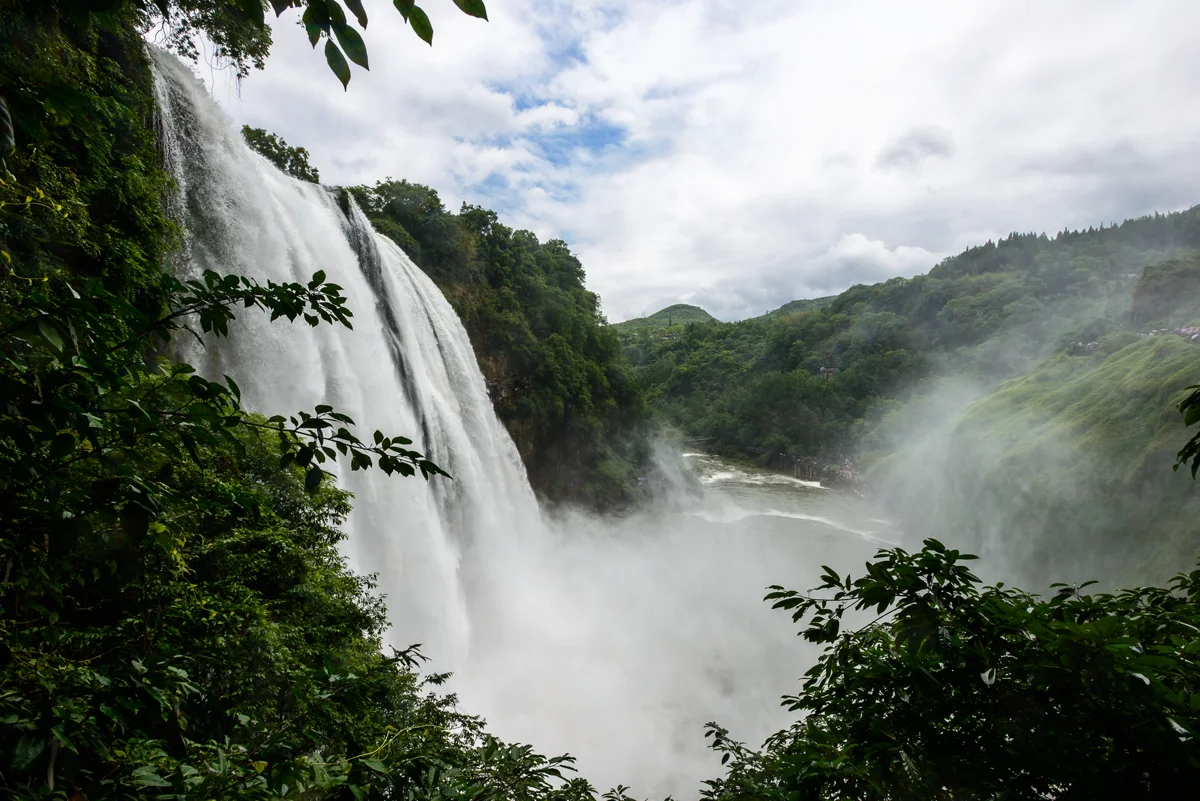
Alright, let me tell you about Huangguoshu. I’ve lived in Guizhou long enough to have lost count of how many times I’ve dragged friends and family out here. Every single time, their jaws drop. Every. Single. Time. This isn’t just another “big waterfall” — it’s 77.8 meters tall and 101 meters wide, making it the largest waterfall in Asia. And honestly? It’s one of the few natural attractions in China that actually lives up to the hype.
But here’s the thing — Huangguoshu isn’t just one waterfall. It’s an entire scenic area with multiple waterfalls, caves you can walk through, and karst scenery that looks like it belongs in a fantasy movie. The whole complex is part of the Huangguoshu National AAAAA Tourist Area, which is China’s highest tourism rating. So yeah, the government agrees: this place is legit.
Let me break down everything you need to know — the honest, local’s-eye-view version.
🎯 Is It Really That Impressive?
Short answer: absolutely yes, especially during rainy season.
I’ve seen waterfalls in Iguazu, Victoria, and Niagara. Huangguoshu isn’t the biggest in the world, but what makes it special is how accessible it is. You don’t just look at it from a distance — you walk right up to it, behind it, under it. The mist hits your face. The roar drowns out everything. On a sunny afternoon, you’ll catch a rainbow arching across the spray. It’s a full sensory experience.
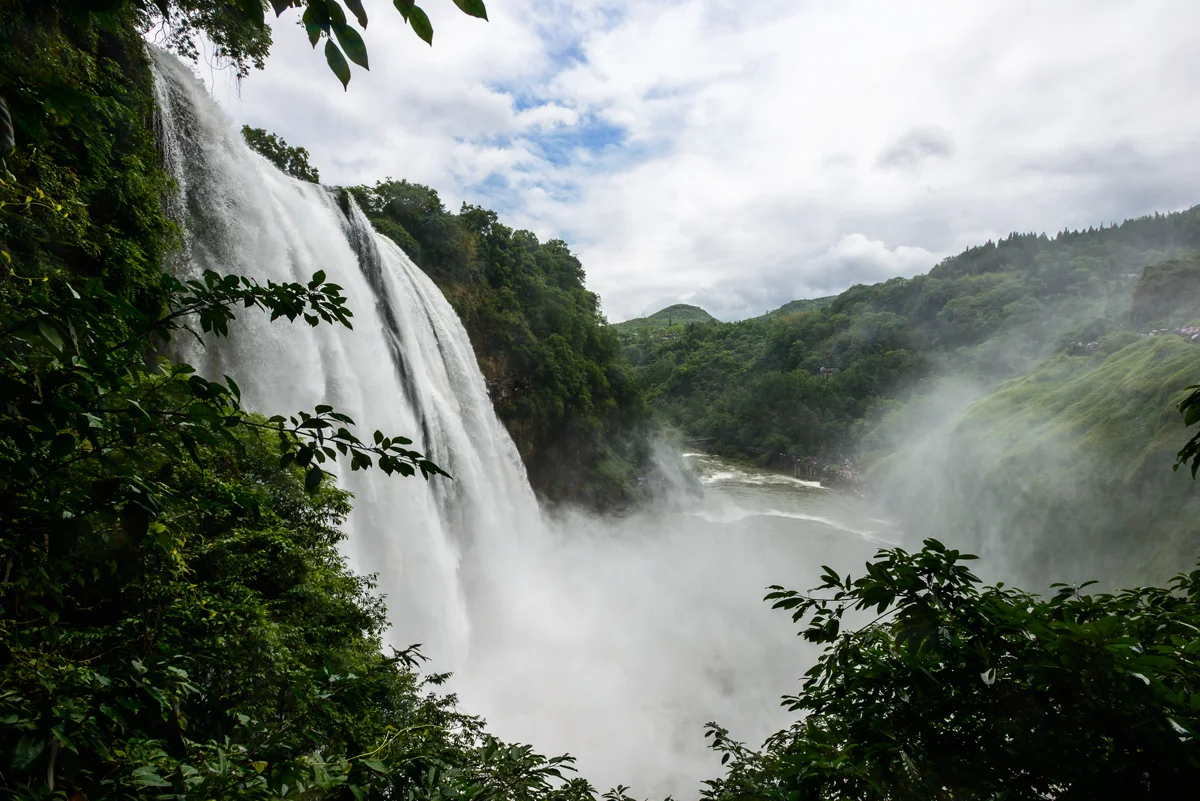
The waterfall sits on the Baishui River (白水河), and during peak rainy season (June through October), the volume of water is absolutely enormous — up to 700 cubic meters per second. The thunderous sound can be heard from over a kilometer away. I’m not exaggerating. You’ll hear it before you see it.
Now, I’ll be honest with you: during dry season (November to March), it’s a fraction of that. Still beautiful, still worth seeing, but if you’re expecting the massive curtain of water you see in photos, that’s a summer thing.
💡 Local tip: The waterfall looks different every hour. Morning light (7-9 AM) gives you soft golden tones. Midday sun creates rainbows. Late afternoon (4-5 PM) has the warmest light for photos. Pick your timing wisely.
🕳️ Can You Walk Behind the Waterfall?
Yes! And it’s the coolest part of the whole experience.
Behind the main cascade, there’s a natural cave tunnel called Shuiliandong (水帘洞), which literally translates to “Water Curtain Cave.” It stretches 134 meters long and runs directly behind the waterfall wall. Imagine standing in a dark cave, and through the gaps in the rock, you see a curtain of water crashing down just meters from your face.
You’ll get wet — that’s unavoidable and honestly part of the fun. The walkway has railings, but water sprays through everywhere. This is exactly why I tell everyone: bring a rain poncho, not an umbrella. Umbrellas are useless here. The mist is everywhere, and the wind just pushes it sideways.
There are viewing platforms at different levels inside the cave, so you can see the waterfall from various angles. Some spots give you a straight-on view through the water curtain. Others let you look down at the pool below. It’s genuinely thrilling.
⚠️ Fair warning: The cave path is slippery. Like, really slippery. Wear shoes with good grip. I’ve seen people in flip-flops practically ice-skating on those wet rocks. Don’t be that person.
🚌 How to Get There?
Getting to Huangguoshu is easier than most people think. Here are your options:
Option 1: Bus from Guiyang (Budget-Friendly)
This is what most travelers do, and it’s dead simple.
- Departure: Jinyang Bus Station (金阳客运站) in Guiyang
- Frequency: Every 30 minutes, first bus at ~7:00 AM
- Travel time: About 2 hours
- Cost: ¥55 one way (~$7.50 USD)
- Arrival: Huangguoshu Scenic Area Bus Terminal
The bus drops you right at the scenic area entrance. No transfers needed.
Option 2: Didi / Private Car (Faster, More Flexible)
- Cost: Around ¥300 one way (~$42 USD) for a Didi
- Travel time: 1.5-2 hours depending on traffic
- Best for: Groups of 3-4 (split the cost) or if you want to stop at towns along the way
Option 3: High-Speed Train + Bus (If Coming from Other Cities)
- Train: Guiyang to Anshun (安顺) — about 1 hour, ¥30-60 (~$4-8 USD)
- Then: Bus from Anshun to Huangguoshu — about 45 minutes, ¥20 (~$3 USD)
💡 My honest recommendation: If you’re a solo traveler or couple, the bus from Guiyang is the way to go. Cheap, direct, no fuss. If you’re a group of 3+, Didi makes more sense — you get door-to-door service and can leave whenever you want.
⏰ How Much Time Do You Need?
Plan for a full day. Seriously.
The Huangguoshu Scenic Area is bigger than most people expect. It’s not just the main waterfall — there are three major attractions inside:
| Attraction | Time Needed | Highlight |
|---|---|---|
| Huangguoshu Waterfall (Main) | 2-3 hours | The star of the show, waterfall walkway, Shuiliandong cave |
| Doupotang Waterfall (陡坡塘) | 30-45 min | Wider than Huangguoshu, famous from Journey to the West TV series |
| Tianxingqiao (天星桥) | 1.5-2 hours | Karst forest, natural stone bridge, beautiful walking trails |
Typical itinerary:
- 8:00 AM — Leave Guiyang
- 10:00 AM — Arrive at Huangguoshu, start with the main waterfall
- 12:30 PM — Lunch at the scenic area (or packed lunch)
- 1:30 PM — Head to Tianxingqiao
- 3:30 PM — Drive/bus to Doupotang
- 4:30 PM — Back on the road to Guiyang
- 6:30 PM — Arrive Guiyang
If you’re short on time and can only do one thing, the main Huangguoshu Waterfall + Shuiliandong cave is the absolute must-do. But honestly, Tianxingqiao is underrated — the karst scenery is stunning and much less crowded.
🌦️ When’s the Best Season to Visit?
This is the question I get asked most, and the answer depends on what you want.
Rainy Season (June - October): The Power Season 🌊
- Pros: Maximum water volume, thunderous roar, dramatic mist, rainbow sightings frequent
- Cons: More crowded, slippery paths, you WILL get soaked
- Water volume: Up to 700 m³/s
- My take: This is when Huangguoshu is at its most spectacular. If you can handle the crowds and the wet, this is the time to come.
Dry Season (November - March): The Clear Season 🔍
- Pros: Fewer tourists, can see rock formations behind the waterfall, clearer air for photos
- Cons: Much less water, doesn’t look like the iconic photos
- Water volume: As low as 5-10 m³/s
- My take: It’s still beautiful in a different way — more serene, more intimate. But if this is your only trip to China and you want the “wow” factor, aim for summer.
Spring/April & May/November: The Sweet Spot 🌸
- Decent water flow (not peak but respectable)
- Comfortable temperatures
- Fewer crowds than peak summer
- This is actually when I personally prefer to go
💡 Local’s secret: Check the Guizhou weather forecast 2-3 days before you go. After a heavy rain, the waterfall volume spikes dramatically even during shoulder season. A rainstorm on Monday means a spectacular Tuesday visit.
🎒 Stealth Tips a Local Would Tell You
These are the things you won’t find in guidebooks but will save your trip:
1. Buy the Rain Poncho Inside, Not Outside
Vendors outside the gate sell cheap ponchos for ¥5-10. They rip within 20 minutes. Inside the scenic area, there are proper ponchos for ¥15-20 that actually hold up. Or better yet — bring your own from a camping store.
2. Start with Tianxingqiao, Not the Main Waterfall
Most people beeline for the main waterfall first, which means by 10 AM it’s packed. Flip the order: do Tianxingqiao in the morning (peaceful, gorgeous, uncrowded), then hit the main waterfall around noon when the morning crowds have thinned a bit.
3. The Free Shuttle Bus is Your Best Friend
There’s a free shuttle connecting all three attractions inside the scenic area. Use it. The walking distances between them are significant, and you don’t want to burn your energy on flat roads when you should be saving it for the actual attractions.
4. Food Inside is… Fine, But Overpriced
The restaurants inside the scenic area charge ¥40-60 for a basic meal. It’s edible but nothing special. Pro tip: Pack some snacks and a sandwich. There are plenty of spots to sit and eat with a view.
5. The Rear View is Better Than the Front
I know it sounds counterintuitive, but the view from behind the waterfall (inside Shuiliandong) is more impressive than the front viewpoint. The front viewpoint is what everyone photographs, but standing inside the cave looking out through the water curtain? That’s the real experience.
6. Wear a Waterproof Phone Case
Not optional. The mist is so intense near the main waterfall that your phone will get drenched. A cheap ¥10 waterproof case from Taobao or a local shop will save you a lot of heartache.
🌉 Nearby: Don’t Miss These
The Huangguoshu Scenic Area ticket covers three spots, but there’s more worth exploring in the area:
Tianxingqiao (天星桥) — The Hidden Gem
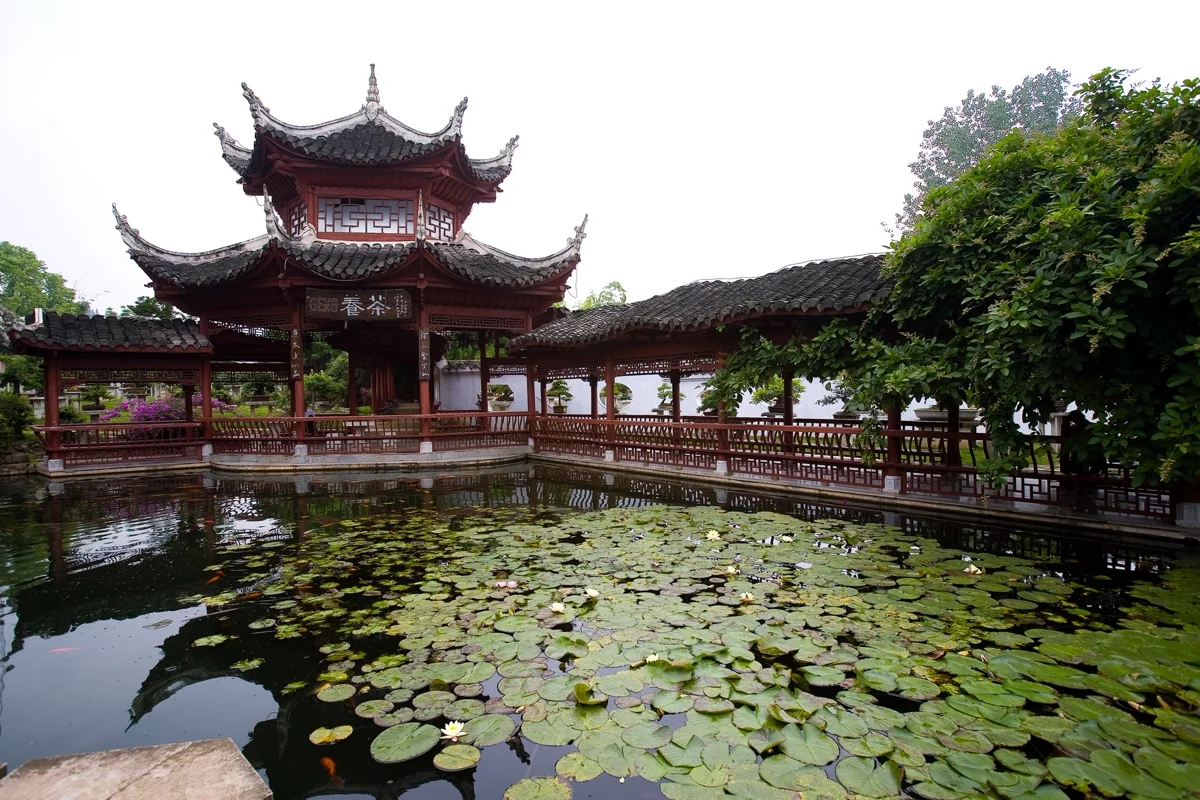
Most tourists rush through this, which is a mistake. Tianxingqiao is a stunning karst landscape with a natural stone bridge spanning a gorge, walking paths through ancient trees, and crystal-clear pools. The “Stone Forest” section is particularly surreal — it looks like a set from a fantasy film. Budget at least 1.5 hours.
Doupotang Waterfall (陡坡塘瀑布) — The Wider One
This waterfall is actually wider than Huangguoshu at 105 meters, though not as tall. It’s famous as the filming location for the opening scene of the classic Chinese TV series Journey to the West (西游记). Quick stop, nice photos, 30 minutes is enough.
Anshun Old Town (安顺古城)
If you have extra time on your way back to Guiyang, Anshun has a charming old town area with local snacks and a more relaxed vibe than the tourist-heavy scenic area.
💰 Budget Breakdown
Here’s what a typical day trip will cost you:
| Item | Cost (¥) | Cost (USD) | Notes |
|---|---|---|---|
| Scenic Area Entry | ¥160 | ~$22 | Covers all 3 attractions |
| Bus from Guiyang (round trip) | ¥110 | ~$15 | Or ~¥600 total for Didi round trip |
| Free Shuttle (inside) | ¥0 | $0 | Connects all 3 attractions |
| Rain Poncho | ¥15-20 | ~$2-3 | Buy inside the scenic area |
| Lunch | ¥40-60 | ~$6-8 | Basic meal inside |
| Snacks/Water | ¥20-30 | ~$3-4 | Bring your own to save |
| Total (Budget) | ~¥345 | ~$48 | Bus + packed lunch |
| Total (Comfortable) | ~¥420 | ~$58 | Bus + restaurant lunch + poncho |
💡 Money-saving tip: If you’re a student, teacher, military personnel, or over 60, bring your ID. There are significant discounts — sometimes 50% off entry.
❓ FAQ
Is it family-friendly?
Yes, absolutely. I’ve brought my 5-year-old niece and my 70-year-old grandma. The paths are mostly paved, there are shuttle buses, and kids love the “walking behind a waterfall” experience. Just watch the little ones near the water — those rocks are slippery.
Can you swim in the waterfall?
No, and please don’t try. The currents are extremely strong, especially during rainy season. The pool at the base looks inviting but the water is deceptively powerful. There are signs everywhere, and the staff will stop you. Respect the rules — people have died here.
Photography tips?
- Best shot: From the platform directly in front of the main waterfall, during morning or late afternoon light
- Rainbow shots: Midday (11 AM - 2 PM) when sun angle creates mist rainbows
- Wide angle: The upper viewpoint gives you the full scale of the falls
- Behind the falls: Use a waterproof camera or phone case — the shots through the water curtain are unique
- Tip: Use a slower shutter speed (1/30 or so) to get that silky water effect if your camera supports it
Is it worth the trip from Guiyang?
100% yes. Two hours on a comfortable bus for what is genuinely one of the most impressive waterfalls you’ll ever see. I’ve met travelers who said Huangguoshu was the highlight of their entire China trip. It’s not overhyped — it’s just that good.
Do I need a guide?
Not really. The paths are well-marked, there are English signs (not perfect, but readable), and the free shuttle handles transport between attractions. A guide might add context, but for most visitors, the experience speaks for itself.
What if it rains on the day I visit?
Even better. Rain means more water, which means a more spectacular waterfall. Just bring proper rain gear and watch your step on the paths. The only thing that would cancel a visit is a typhoon-level storm, which is extremely rare in Guizhou.
📝 Final Verdict
Huangguoshu is one of those rare places that actually matches the postcards. It’s massive, powerful, and you can get right up close to it — or even walk behind it. The surrounding area is beautiful, the infrastructure is solid, and it’s accessible enough for all ages and fitness levels.
Is it a long day from Guiyang? Yes. Is it worth every minute of that bus ride? Absolutely.
If Guizhou is on your China itinerary, Huangguoshu isn’t optional — it’s essential. And if Guizhou isn’t on your itinerary… maybe it should be. 😉
Have questions? Drop them in the comments. I’m always happy to help fellow travelers plan their Guizhou adventure.