Hohhot: Mongolian Grasslands & Desert Adventure | Inner Mongolia Guide 🐪
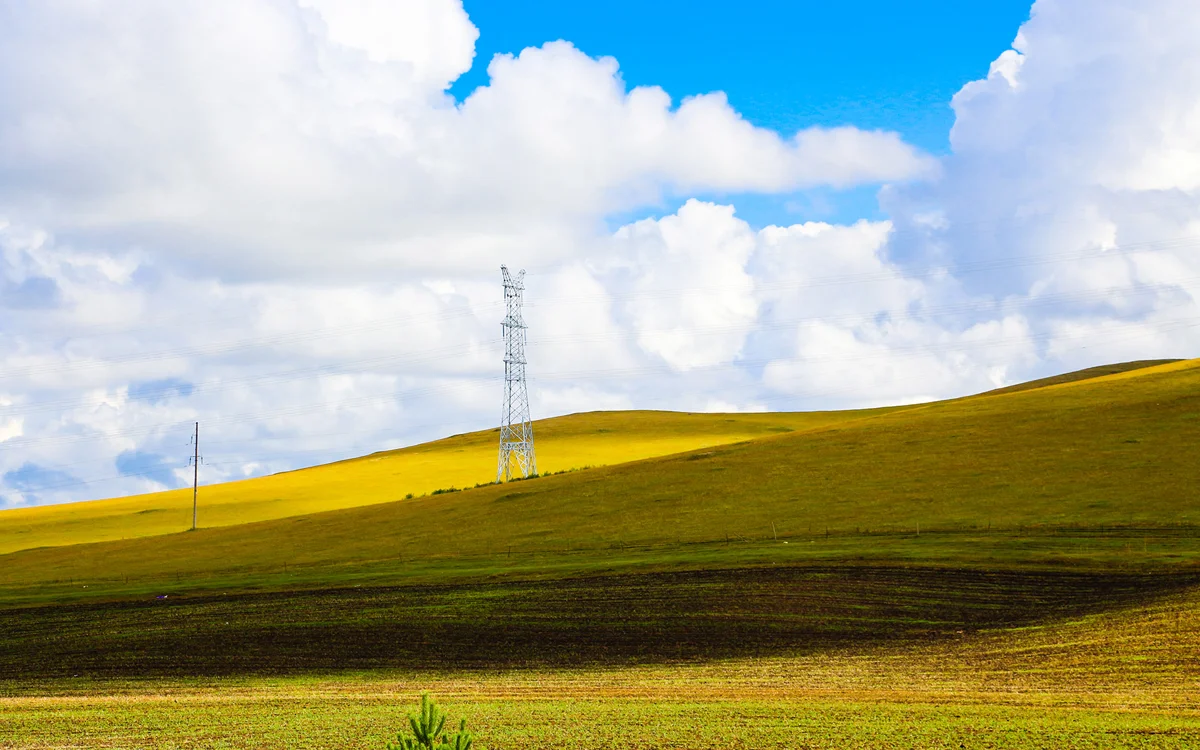
Hohhot — the name itself means “Blue City” in Mongolian, and the moment you step off the train, you’ll understand why. The sky here is enormous, the air smells like grass and charcoal-grilled lamb, and somewhere in the distance, someone is playing a morin khuur. My local friend Tuya grew up here, and when I told her I was visiting, she sent me a voice message that lasted nine minutes. NINE. Minutes. Of just restaurant recommendations. This is the guide she basically gave me, plus everything I learned the hard way.
🏙️ City Center: The Real Hohhot
Most people skip the city on their way to the grasslands. Big mistake. Hohhot’s old town is compact, walkable, and packed with history that goes back centuries.
Dazhao Temple 大召寺
This is the oldest and most important temple in the city — built in 1580, and it still has that serious spiritual energy. The silver Buddha inside is massive and genuinely impressive. My friend Tuya told me to come early, before 9 AM, when the light hits the golden roof just right and there are barely any tourists. She was right. I had the courtyard practically to myself.
Don’t miss: The butter lamp hall. Hundreds of small lamps flickering in the dim interior — it’s hauntingly beautiful. Also, there’s a small market street right outside (塞上老街) where you can pick up Mongolian silver jewelry and dried dairy snacks.
Five Pagoda Temple 五塔寺
This one’s a hidden gem. The architecture is unlike anything else in northern China — it’s modeled after Indian Buddhist temples, with five intricately carved stone pagodas rising from a single platform. The real treasure is the astronomical chart on the back wall: an enormous stone carving of a star map, one of the oldest and most accurate in Asia. I spent twenty minutes just staring at it.
Honest opinion: The temple itself is small, and you’ll see it in 30 minutes. But the astronomical chart alone makes it worth the detour. Free or nearly free entry.
Inner Mongolia Museum 内蒙古博物馆
If you want to understand why this region is the way it is, start here. The dinosaur fossils from the Gobi are jaw-dropping (Inner Mongolia has some of the richest dinosaur deposits in the world), and the ethnic culture exhibits give you context for everything you’ll see outside the city. The building itself looks like a giant蒙古包 — my friend called it “the world’s fanciest yurt.”
Tip: Free admission. Closed Mondays. Give yourself 2 hours minimum.
Islamic Street (回民街)
Hohhot has a huge Hui Muslim population, and this street is the beating heart of it. The architecture blends Chinese and Islamic styles — curved rooflines meet crescent moons. But honestly? You’re here for the food. lamb skewers sizzling over charcoal, hand-pulled noodles in rich broth, sesame pastries that shatter when you bite them. Come hungry.
Getting Around the City
Hohhot’s city center is flat and compact. You can walk most of the main sights in a day. The metro has two lines that cover the major areas. For the old town spots, walking is honestly better — you’ll stumble into hidden courtyards and street food stalls that way.
My local friend’s rule: “If you’re taking a taxi, use Didi (the Chinese Uber). Metered taxis exist but they’ll try the ‘no meter’ game with outsiders.”
🌿 Grasslands: Where the Sky Meets the Earth
This is why you came. The grasslands around Hohhot aren’t as vast as Hulunbuir up near the Russian border, but they’re accessible — day trips or overnight stays, no 10-hour train ride required.
Xilamuren Grassland 希拉穆仁草原
The closest major grassland to Hohhot, about 80 km north. It’s the most “touristy” option, which means it’s also the most convenient. You can do a day trip or stay in a yurt overnight.
What’s actually good here:
- Horse riding across open grassland — even total beginners can handle it, the horses are calm and the guides walk alongside
- Mongolian wrestling and archery demonstrations
- Evening bonfire parties with throat singing ( khoomei ) performances
- Milky Way photography — no city lights for miles
What to skip:
- The “Mongolian feast” packages that charge you 200+ yuan for a mediocre buffet. Tuya laughed when I told her I almost booked one. “Just go to the family yurts,” she said. “Better food, better price, better experience.”
Gegentala Grassland 格根塔拉草原
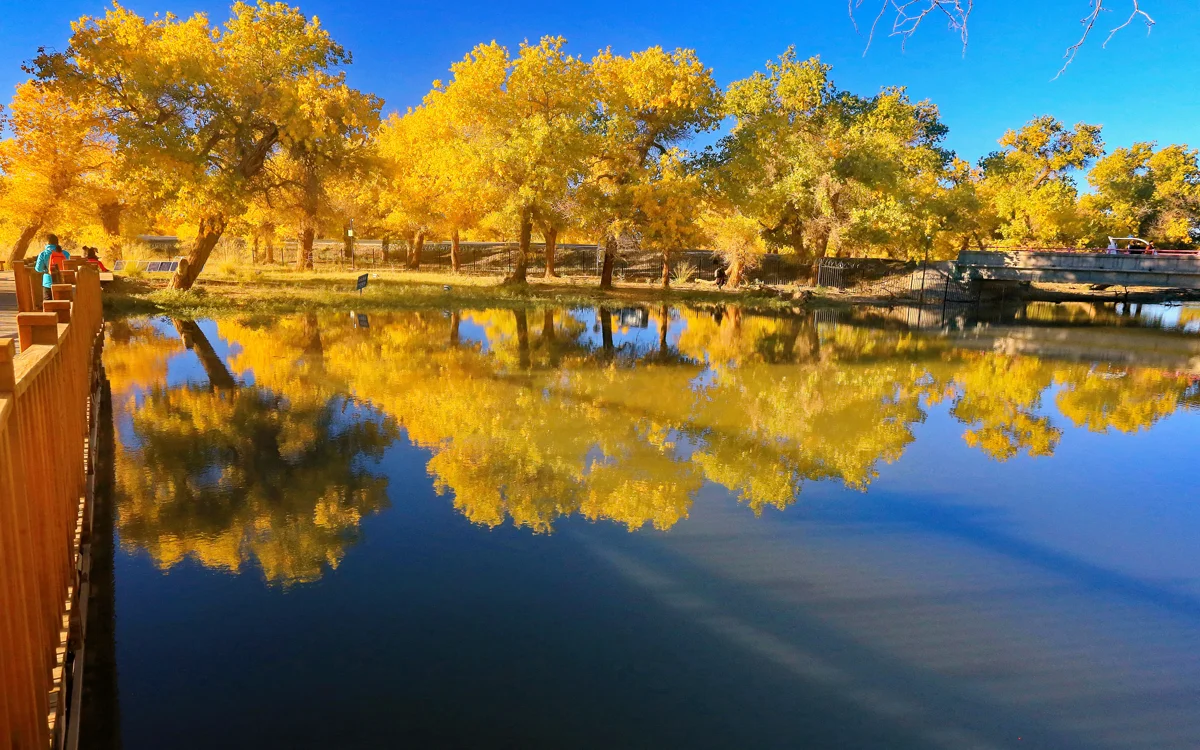
About 140 km north, and significantly less crowded than Xilamuren. This is where the annual Naadam festival happens — wrestling, horse racing, and archery, the three manly games of Mongolia. If you can time your visit with Naadam (usually late July), do it. The energy is electric.
Yurt stay tips:
- Bring a sleeping bag liner — yurts get cold at night even in summer
- The bedding provided is… basic. Tuya’s advice: “Bring your own pillow if you’re picky. This isn’t a hotel.”
- Family-run yurts are always better than commercial ones. Ask your hotel in Hohhot to call ahead and book one.
Practical Grassland Info
| Detail | Info |
|---|---|
| Best time | June–September (grass is green, weather is warm) |
| Day trip cost | 200–400 yuan including transport + activities |
| Overnight yurt | 300–800 yuan per night depending on comfort level |
| Getting there | Tour bus from Hohhot East Station, or hire a car (500–800 yuan round trip) |
| What to bring | Sunscreen (SPF 50+), layers for evening, comfortable boots, camera |
Pro tip from Tuya: “July and August are peak season and it gets crowded. Early June or September — fewer people, same beauty, and the grass might even be more dramatic.”
🏜️ Desert: Sand Dunes and Starlight
Inner Mongolia isn’t just grass — it has some of China’s most spectacular desert landscapes. And the best part? You can reach real desert from Hohhot in just a few hours.
Kubuqi Desert 库布齐沙漠
China’s seventh-largest desert, and it’s right in Hohhot’s backyard — about 200 km west. The contrast of golden sand against blue sky is surreal.
Xiangshawan 响沙湾 (Singing Sand Bay)
This is the star attraction. The name means “singing sand bay” because the sand apparently makes a humming sound when the wind blows (I heard something between a soft drone and white noise — pretty cool either way).
What to do here:
- 🐪 Camel riding across the dunes — the classic desert experience
- 🛷 Sand sliding — basically sledding down massive sand dunes, way more fun than it sounds
- 🌌 Night camping under the stars — the Milky Way here is absurdly bright
- 🏜️ ATV and dune buggy rides for the adrenaline crowd
Honest review: Xiangshawan is well-developed as a tourist site, which means it’s organized and safe, but also means you’ll share the dunes with busloads of visitors. If you want solitude, go early morning or late afternoon.
Desert Trip Logistics
| Detail | Info |
|---|---|
| Distance from Hohhot | ~200 km, 2.5–3 hours by car |
| Best time | May–October (avoid winter, temperatures drop below -10°C) |
| Day trip cost | 300–600 yuan including transport + activities |
| Overnight desert camp | 500–1200 yuan |
| Must-bring | Goggles or sunglasses, bandana/buff for sand, sealed water bottles, power bank |
Tuya’s desert warning: “The sand gets EVERYWHERE. Bring a plastic bag for your phone. And wear long pants — exposed skin + fine sand = misery.”
🍜 Food Deep-Dive: What to Actually Eat
This is where Hohhot truly shines. The food scene is a fascinating blend of Mongolian nomadic traditions, Hui Muslim cuisine, and northern Chinese comfort food. My friend Tuya took me on what she called a “lamb marathon” — four meals in one day, all lamb-based. Here’s what I learned.
Hand-Grabbed Lamb 手把肉
The signature dish. Large chunks of lamb (usually leg or shoulder) boiled in plain water with just salt and maybe some wild herbs. You eat it with your hands, pulling the meat off the bone. It sounds simple, and it is — that’s the point. Good lamb needs nothing more.
Where to go: Tuya swears by the small family restaurants around Dazhao Temple. “The big places overcook it,” she says. “Find the place where the old men are eating — that’s your signal.”
Price: 60–120 yuan per serving
Mongolian Hotpot 蒙古火锅
Different from Sichuan hotpot — the broth is usually bone-based or plain water, and the focus is entirely on the quality of the meat. You’ll get platters of sliced lamb, beef tripe, hand-cut noodles, and mountain vegetables. Dip everything in sesame sauce with leek flower.
Tuya’s hotpot rule: “If the restaurant has more than 3 kinds of dipping sauce, it’s not authentic. You need sesame sauce, leek flower, and腐乳 (fermented tofu). That’s it.”
Milk Tea & Dairy Products
Mongolians are dairy people. Salty milk tea (咸奶茶) is the daily drink — black tea brewed with milk, salt, and sometimes a pat of butter. First sip is weird. Fifth sip is addictive. Seventh sip is home.
Other dairy must-tries:
- 酸奶 (sour yogurt) — thick, tangy, served in clay pots
- 奶豆腐 (milk tofu) — chewy dried cheese, great as a snack
- 奶皮子 (milk skin) — thin layers of cream, served sweet or savory
Islamic Street Eats
The Hui Muslim food scene around the Qing真寺 is a different world:
- 羊肉串 (lamb skewers) — cumin-crusted, charred perfectly
- 烧麦 (shaomai) — Hohhot-style open-top dumplings, filled with lamb and onion, served in bamboo steamers. This is THE breakfast food. Tuya says “if you haven’t eaten烧麦 in Hohhot, you haven’t really been to Hohhot.”
- 焙子 — deep-fried bread, crispy outside, soft inside, perfect for dipping in tea
Restaurant Tips
Tuya’s top picks:
- 德顺源 — for烧麦, the most famous spot, always packed (go before 7:30 AM for breakfast)
- 老绥元烧麦 — another烧麦 legend, slightly less crowded
- 格日勒阿妈奶茶馆 — authentic Mongolian tea house, try the full dairy spread
- Any small restaurant near Dazhao Temple for hand-grabbed lamb — just look for the one with locals eating outside
💰 Budget Breakdown
| Category | Budget (per day) | Mid-Range | Comfort |
|---|---|---|---|
| Accommodation | 100–200 ¥ (hostel/budget hotel) | 300–500 ¥ (nice hotel) | 600–1000 ¥ (boutique/luxury) |
| Food | 50–80 ¥ | 100–200 ¥ | 200–400 ¥ |
| Transport (city) | 20–30 ¥ | 50–80 ¥ | 100–150 ¥ |
| Grassland trip | 200–300 ¥ | 400–600 ¥ | 800–1200 ¥ |
| Desert trip | 250–400 ¥ | 500–800 ¥ | 1000–1500 ¥ |
| Daily total | ~400–600 ¥ | ~800–1200 ¥ | ~1500–2500 ¥ |
Money tips:
- Cash is rarely needed — WeChat Pay and Alipay are everywhere
- Tipping is not customary and can even be awkward
- Bargain at markets (塞上老街), but not at restaurants
- Street food is incredibly cheap and often better than sit-down restaurants
❓ FAQ
Q: Do I need a visa to visit Inner Mongolia? A: Inner Mongolia is part of China, so you need a China visa. No special permits needed for Hohhot or the accessible grasslands/deserts. However, if you plan to go near the Mongolian border (like to Hulunbuir), check if any restricted areas require additional permits.
Q: What’s the weather like? A: Hohhot has a continental climate — hot summers (30°C+), freezing winters (-15°C to -25°C), very dry year-round. Summer is the prime tourist season. Spring and autumn are pleasant but windy. Winter is brutal unless you specifically want the snow-covered steppe experience.
Q: Is Mongolian spoken there? A: Some locals speak Mongolian, but Mandarin is the primary language in the city. In rural grassland areas, you’ll encounter more Mongolian. Don’t worry about language barriers in Hohhot — English is limited but everyone under 30 knows some basic phrases, and phone translation apps work great.
Q: Can I visit the grasslands in winter? A: Technically yes, but the experience is very different. The grass is brown/dead, temperatures are extreme, and most tourist facilities close. However, if you want a stark, hauntingly beautiful winter landscape with virtually no crowds, it’s an option. Dress for -20°C minimum.
Q: How many days do I need? A: Minimum 3 days: 1 day city exploration, 1 day grassland trip, 1 day desert trip. Ideal is 5 days to properly enjoy everything without rushing. Add 1-2 more if you want to visit Gegentala or explore further afield.
Q: Is it safe? A: Hohhot is very safe. Violent crime is extremely rare. The main concerns are standard travel stuff — watch for tourist scams at grassland camps, stay hydrated in the desert, and use sunscreen aggressively. The UV index in Inner Mongolia is no joke.
Hohhot surprised me. I expected wide-open spaces and蒙古包 — I got that, plus a food scene that rivals anywhere in China, a city with genuine soul, and desert landscapes that made me question everything I thought I knew about Inner Mongolia. My friend Tuya put it best: “People come for the grasslands. They come back for the lamb.” She wasn’t wrong.