🌊 Southern Coastal Mix
: Guangzhou → Shenzhen → Hong Kong → Macau
📅 July 2026 | 📍 Urban explorers & foodies | ⏱️ 5 Days / 4 Nights
Four cities, four identities, one region. The Pearl River Delta is China’s most dynamic zone — Cantonese food tradition in Guangzhou, tech futurism in Shenzhen, East-meets-West in Hong Kong, and Portuguese-Chinese fusion in Macau. It’s like a greatest-hits album of what southern China can do.
I planned this route around high-speed rail connections — all four cities are within 1–2 hours of each other. You could even do day trips, but staying overnight in each gives you the evening vibe, which is when these cities really come alive.
🎯 Before You Go
Must-Have Apps
- Alipay / WeChat Pay — Works in all four cities
- Octopus Card app — For Hong Kong metro/buses
- Macau Pass — For Macau (or just use Alipay)
- Didi — Works in Guangzhou, Shenzhen, Hong Kong
- MTR Mobile — Hong Kong metro
Visa/Entry Requirements
- Guangzhou & Shenzhen: Standard China visa
- Hong Kong: Most Western passport holders get visa-free entry (7–180 days depending on nationality)
- Macau: Most passport holders get visa-free entry (30–90 days)
- ⚠️ You may need a separate Hong Kong/Macau entry permit if you hold certain nationalities. Check before traveling.
Best Season to Visit
- October–December — Cool, dry, perfect. Temps 18–25°C
- March–April — Spring, comfortable
- Avoid: June–September — Hot, humid, typhoon season
Budget Estimate (per person)
| Category | Estimated Cost |
|---|---|
| Transport (3 high-speed rail + metro) | ¥600 / ~$83 |
| Accommodation (4 nights) | ¥2,400 / ~$330 |
| Food (5 days) | ¥1,200 / ~$165 |
| Attractions | ¥500 / ~$69 |
| Total | ¥4,700 / ~$647 |
📅 Itinerary
Day 1: Guangzhou — Dim Sum & Colonial Architecture
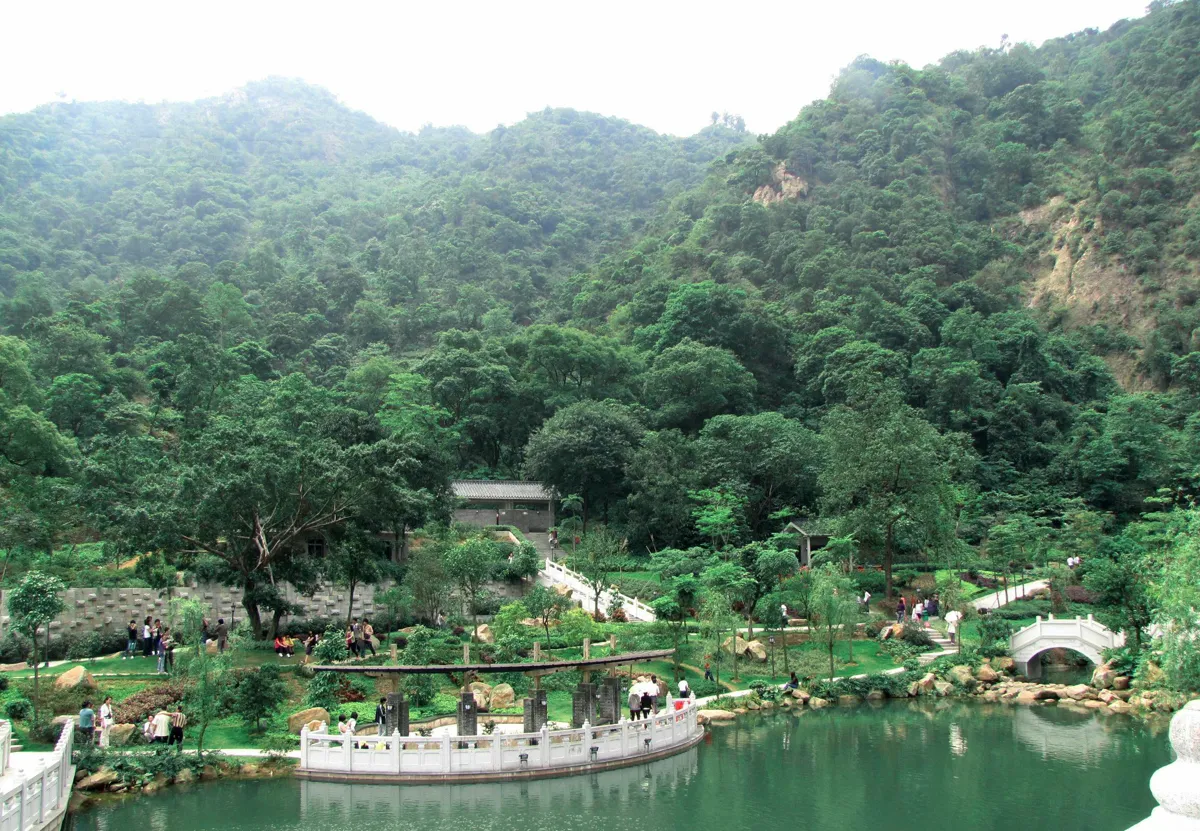
Theme: Eat your way through China’s food capital
Chen Clan Ancestral Hall (陈家祠)
A masterpiece of Cantonese architecture — every surface is covered in intricate stone, wood, and ceramic carvings. The “Three Carvings, Three Sculptures, One Cast” make this one of the most decorated buildings in southern China.
- 📍 Address: 34 Enlong Li, Zhongshan 7th Road, Liwan District
- 🚇 Metro Line 1, Chen Clan Academy Station
- ⏰ 8:30 AM – 6:00 PM
- 💰 ¥10 / ~$1.40
Shamian Island (沙面岛)
A 150-year-old colonial concession island with Victorian, Baroque, and Neoclassical buildings. It’s tiny — you can walk the whole thing in 30 minutes — but the atmosphere is lovely. Old banyan trees, quiet lanes, cafés in restored buildings.
- 🚇 Metro Line 6, Huangsha Station
- 💰 Free
Dim Sum Lunch
Guangzhou is the birthplace of dim sum. Go to Tao Tao Ju (陶陶居), operating since 1880. Order the classics:
- Har gow (shrimp dumplings) — the litmus test of any dim sum restaurant
- Siu mai (pork and shrimp dumplings)
- Char siu bao (BBQ pork buns)
- Cheung fun (rice noodle rolls)
Budget ¥60–100 / ~$8–14 for a full dim sum feast.
Beijing Road (北京路)
Guangzhou’s main shopping street. Under glass panels, you can see ancient road layers from the Song, Ming, and Qing dynasties buried beneath the modern street. It’s history literally under your feet.
- 🚇 Metro Line 6, Gongyuanqian Station
Evening: Pearl River Night Cruise
Take a 1-hour cruise along the Pearl River. The Guangzhou skyline — especially the Canton Tower (广州塔, lit up in rainbow colors) — is spectacular from the water. ¥80–120 / ~$11–17.
🛏️ Stay near: Zhujiang New Town — modern area, great metro connections
Day 2: Guangzhou → Shenzhen — Tech Capital
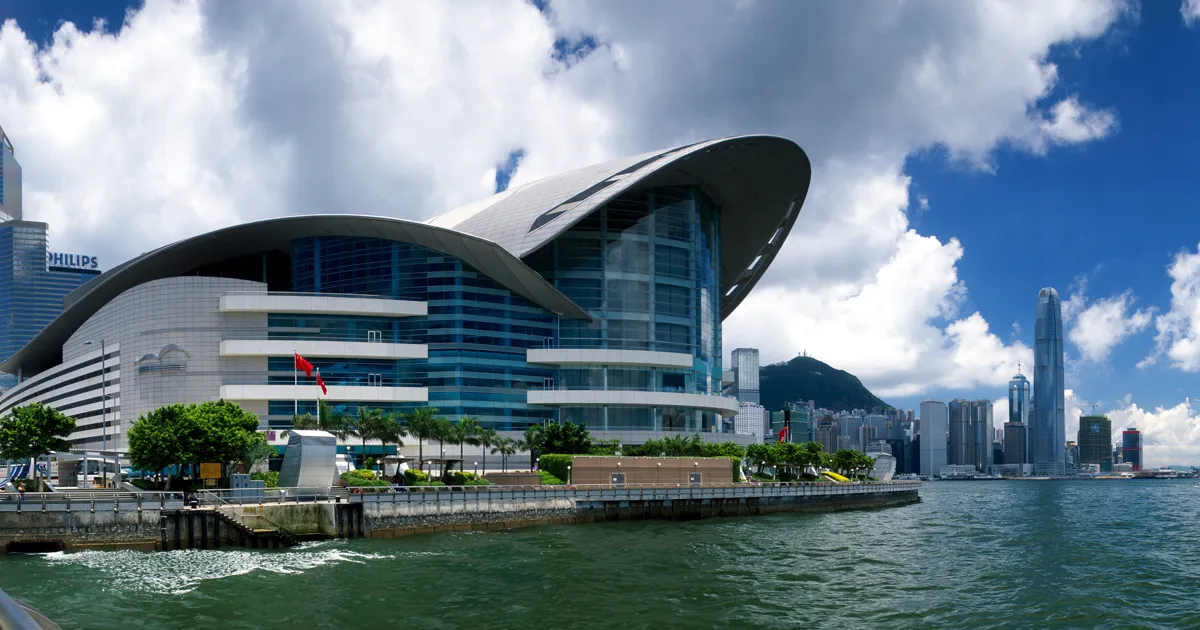
Theme: From tradition to the future
Morning: Train to Shenzhen
| Detail | Info |
|---|---|
| Route | Guangzhou South → Shenzhen North |
| Duration | ~30 minutes |
| Price | ¥75 / ~$10.40 |
| Frequency | Every 10 minutes |
OCT Loft Creative Culture Park (华侨城创意文化园)
Shenzhen’s answer to 798 Beijing — converted factories turned into galleries, design studios, bookshops, and craft beer bars. It’s a nice break from the glass-and-steel cityscape.
- 📍 Address: 2 OCT East, Nanshan District
- ⏰ 10:00 AM – 10:00 PM
- 💰 Free
Window of the World (世界之窗)
Okay, hear me out. Yes, it’s cheesy. Yes, it has miniature versions of the Eiffel Tower, Pyramids, and Taj Mahal. But it’s spectacularly cheesy, and the light show at night is genuinely impressive. It’s a weirdly perfect snapshot of Shenzhen’s anything-goes energy.
- 📍 Address: 9037 Shennan Road, Nanshan District
- 🚇 Metro Line 1/2, Window of the World Station
- ⏰ 9:00 AM – 10:30 PM
- ¥200 / ~$28
Alternative if you skip the above: Walk along Shenzhen Bay Park at sunset. The view across to Hong Kong is beautiful, and the park is full of locals exercising, dancing, and flying kites.
Dongmen Pedestrian Street (东门步行街)
Shenzhen’s oldest commercial district. Chaotic, crowded, and endlessly entertaining. Great for cheap electronics, knockoff fashion, and street food. Try guo tiao (rice noodle rolls) from a street vendor. ¥10–15.
🛏️ Stay near: Futian District — central for metro and food
Day 3: Shenzhen → Hong Kong — The Contrast
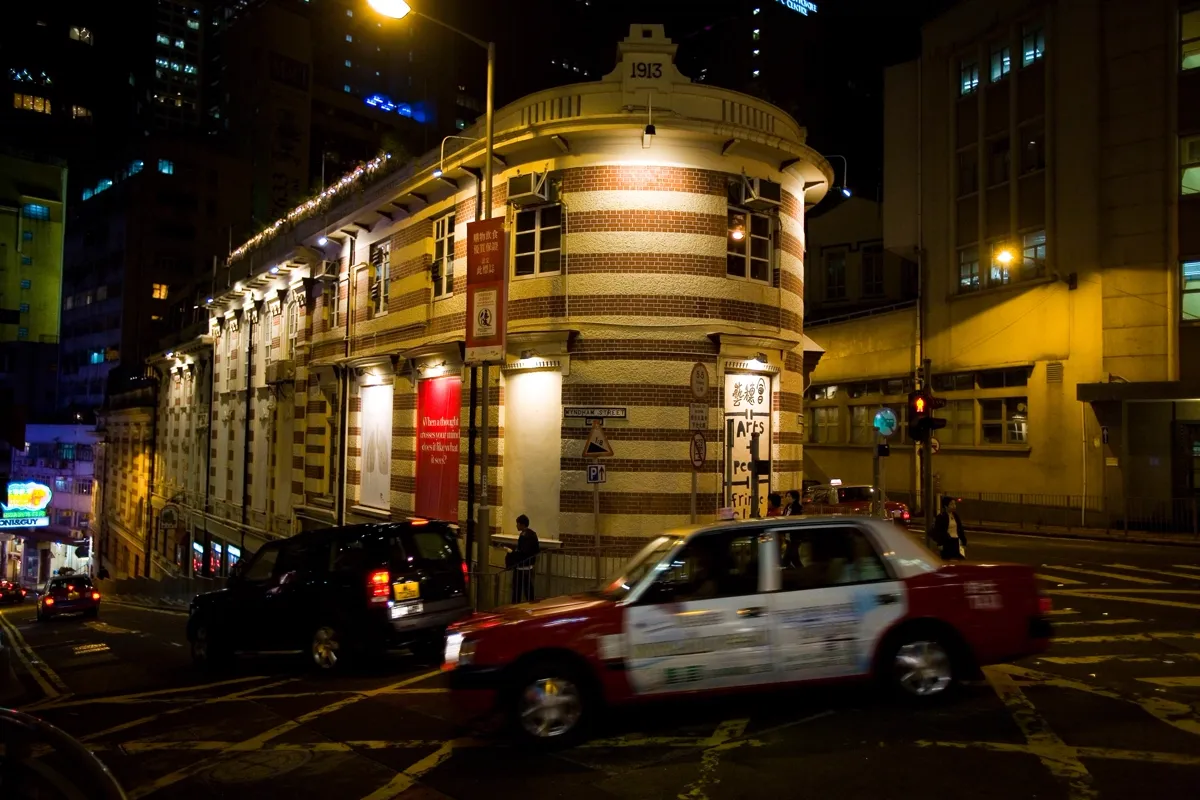
Theme: Same region, different world
Morning: Train to Hong Kong
| Detail | Info |
|---|---|
| Route | Futian → West Kowloon (Hung Hom) |
| Duration | ~14 minutes (high-speed rail) |
| Price | ¥85 / ~$12 |
| Documents | Passport + valid visa/entry permission |
The moment you step out of West Kowloon station, you feel it — different air, different energy, different everything. Hong Kong is only 30 minutes from Shenzhen but feels like a different planet.
Tsim Sha Tsui (尖沙咀)
Start at the waterfront promenade. This is where you get the iconic Hong Kong skyline shot — the ICC, Bank of China Tower, IFC, all reflected in Victoria Harbour. Best at sunset.
- 🚇 MTR, Tsim Sha Tsui Station
- 💰 Free
Avenue of Stars (星光大道)
Hong Kong’s version of the Hollywood Walk of Fame, along the Tsim Sha Tsui waterfront. Bruce Lee statue is here for a photo op.
Mong Kok (旺角)
The densest urban area on Earth. People packed into every square meter — markets, shops, neon signs stacked vertically. Walk through the Ladies’ Market, Goldfish Market, and Flower Market. It’s sensory overload in the best possible way.
- 🚇 MTR, Mong Kok Station
Evening: Temple Street Night Market
Street food, fortune tellers, Cantonese opera performers, cheap souvenirs. This is old Hong Kong, and it’s magical at night.
Food to try:
- Claypot rice (煲仔饭) — ¥50–80 / ~$7–11
- Wonton noodles (云吞面) — ¥30–50 / ~$4–7
- Pineapple bun (菠萝包) with butter — ¥8–15 / ~$1–2
🛏️ Stay near: Tsim Sha Tsui or Jordan — walkable to everything
Day 4: Hong Kong → Macau — European China
Theme: Portuguese heritage in a Chinese city
Morning: Ferry/Hyperlink to Macau
Option 1: Ferry from Hong Kong Macau Ferry Terminal (Sheung Wan)
- Duration: 1 hour
- Price: ¥160–200 / ~$22–28 (economy class)
Option 2: Hong Kong-Zhuhai-Macau Bridge
- Bus across the world’s longest sea bridge (55km)
- Duration: 45 minutes
- Price: ¥65 / ~$9
I took the bridge. Engineering marvel — you’re driving across the sea for 30 minutes.
Historic Centre of Macau
UNESCO World Heritage Site. The Portuguese left behind pastel-colored buildings, cobblestone streets, baroque churches, and a unique Macanese cuisine that blends Portuguese and Chinese flavors.
Walking route:
- Senado Square (议事亭前地) — The heart of Macau. Wave-patterned cobblestones, pastel buildings
- St. Dominic’s Church (玫瑰堂) — 17th-century baroque church
- Ruins of St. Paul’s (大三巴牌坊) — The iconic facade of a 17th-century Jesuit church, destroyed by fire in 1835. This is THE Macau photo
- Monte Fort (大炮台) — Climb for panoramic views of the old city
- 📍 Historic Centre, Macau Peninsula
- 💰 Free to walk around
Lunch: António (安德鲁饼店) — The original Macanese egg tart. ¥10 each. Flaky, custardy, perfect.
The Venetian / Cotai Strip
Macau is the “Vegas of the East,” and Cotai is where the mega-casinos live. Even if you don’t gamble, the Venetian’s indoor canal (with gondola rides) and the Galaxy’s sky wave pool are worth seeing for sheer spectacle.
Evening: Macanese Dinner
Try A Feira (街边小馆) for authentic Macanese food — African chicken (Frango à Africana), crab congee, and pork chop bun. Budget ¥100–150 / ~$14–21.
🛏️ Stay near: Cotai Strip for the full casino experience, or Macau Peninsula for old-town atmosphere
Day 5: Macau — Morning Exploration & Departure
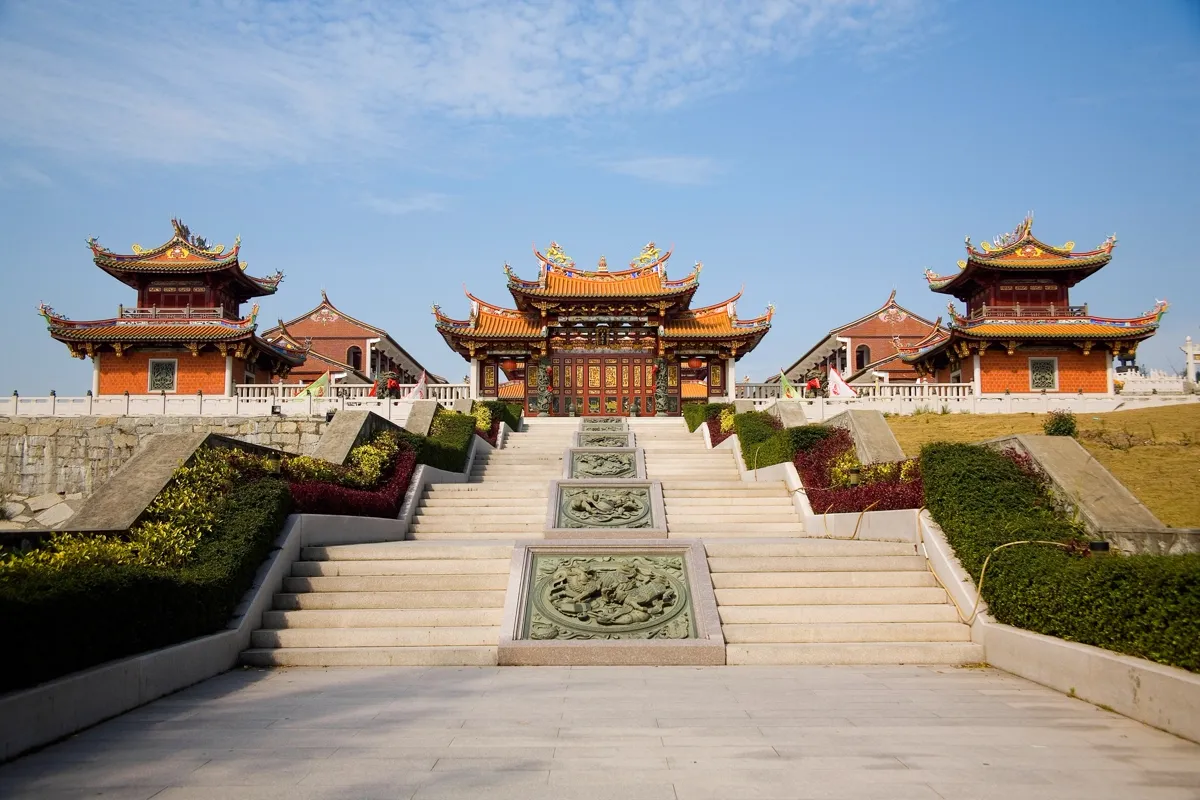
Theme: Last bites, last views
A-Ma Temple (妈阁庙)
The oldest temple in Macau (1488), predating Portuguese arrival. Dedicated to Mazu, goddess of seafarers. It’s believed that “Macau” derives from “A-Ma-Gau” (Bay of A-Ma).
- 📍 Address: Calçada da Igreja de São Tiago da Barra
- ⏰ 7:00 AM – 6:00 PM
- 💰 Free
Taipa Village (氹仔旧城区)
Away from the casino glitz, this is the real Macau — narrow streets, traditional shops, local restaurants. Walk through Rua do Cunha (官也街) for souvenirs and snacks.
Must try:
- Portuguese egg tart from Lord Stow’s Bakery
- Almond cookies from Choi Heong Yuen Bakery
- Pork chop bun from a street stall
Departure
- To Hong Kong: Ferry or bridge bus (1 hour)
- To Guangzhou/Shenzhen: Ferry to Shenzhen (1 hour) or bus to Zhuhai then train
- Fly out: Macau International Airport has flights to mainland China and Southeast Asia
🍜 Food Recommendations
| City | Dish | Price | Where |
|---|---|---|---|
| Guangzhou | Dim Sum | ¥60–100 / ~$8–14 | Tao Tao Ju |
| Guangzhou | Roast Goose | ¥60–80 / ~$8–11 | Yat Lok (一乐) |
| Shenzhen | Cantonese Roast Meats | ¥30–50 / ~$4–7 | Dongmen stalls |
| Hong Kong | Claypot Rice | ¥50–80 / ~$7–11 | Temple Street |
| Hong Kong | Wonton Noodles | ¥30–50 / ~$4–7 | Tsim Sha Tsui |
| Macau | Portuguese Egg Tart | ¥10 / ~$1.40 | Lord Stow’s, António |
| Macau | African Chicken | ¥100–150 / ~$14–21 | A Feira |
💡 Practical Tips
- Border crossings — The China-Hong Kong and China-Macau borders are quick (20–30 minutes) but bring your passport. Keep it handy.
- Different currencies — Guangzhou/Shenzhen use RMB (¥), Hong Kong uses HKD (HK$), Macau uses MOP (MOP$). All accept credit cards and mobile payment, but exchange rates vary.
- Octopus Card — Buy one at any Hong Kong MTR station. Works on metro, buses, ferries, and even convenience stores. ¥150 deposit + top up.
- Guangzhou food etiquette — Dim sum is served from carts. Point at what you want. Tea is free and unlimited. The bill comes on a small slip — pay at the register.
- Shenzhen is huge — Don’t try to see everything. Pick 2–3 spots and enjoy them.
- Macau is walkable — The historic centre is compact. You can see all the main sights in half a day.
- Typhoon season — June–October. If a T8 signal is raised, all transport stops. Check weather apps daily.