Walking the Great Wall: Which Section Should You Pick? 🧱🇨🇳
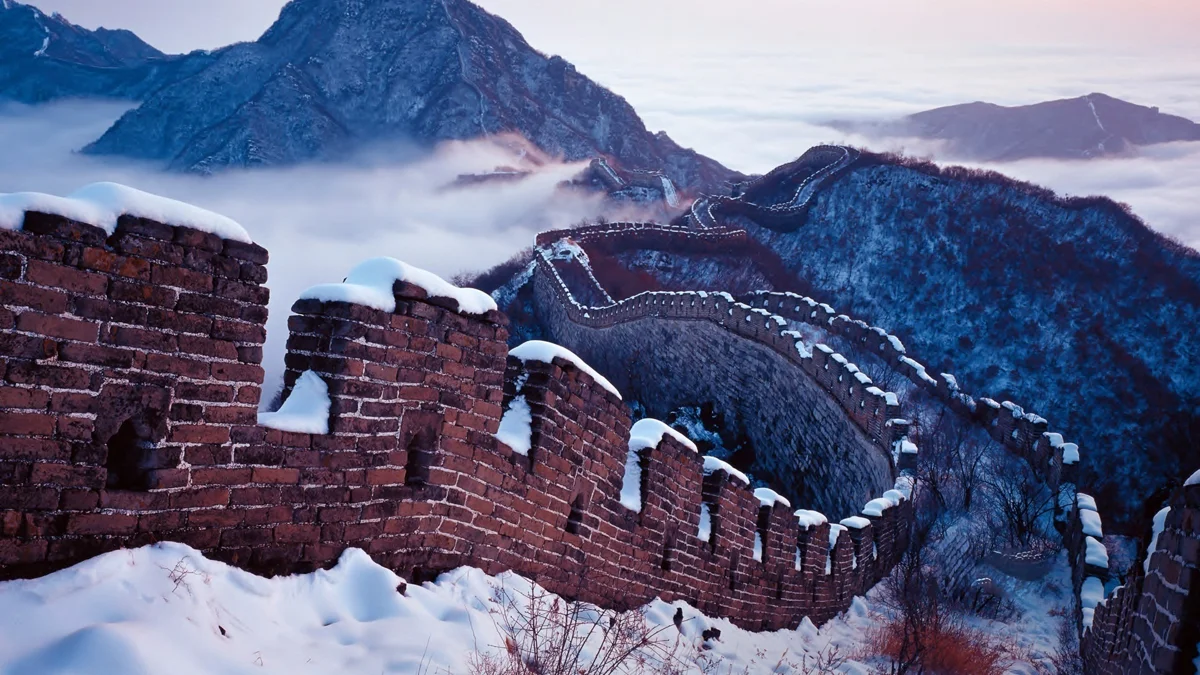
Look, I’m going to be honest with you. The Great Wall of China is one of those bucket-list things that everyone tells you is “once in a lifetime.” And yeah — it kind of is. But here’s the thing nobody tells you before you go: there are over 20,000 km of the Great Wall, and the section you pick completely changes the experience. Go to the wrong one, and you’ll spend your day squeezing through crowds like a theme park. Go to the right one, and you’ll feel like you’ve stepped into a painting.
I’ve been to five different sections over three trips to Beijing, and I’ve got opinions. Strong ones. So let me break it all down for you — which section fits your style, how to actually get there, and how much it’ll cost you.
🎯 Is the Great Wall worth it in 2025?
Short answer: absolutely yes — but only if you pick the right section.
The Wall itself is staggering. When you’re standing on it, looking out at those watchtowers disappearing into the mountains, it hits you that humans built this by hand over centuries. That kind of scale is hard to wrap your head around.
BUT — and this is a big but — Badaling gets over 65,000 visitors on peak days. If you go there on a national holiday weekend, you’re not walking the Great Wall. You’re doing a slow shuffle through a human conveyor belt. I made that mistake on my first trip and almost ruined it for myself.
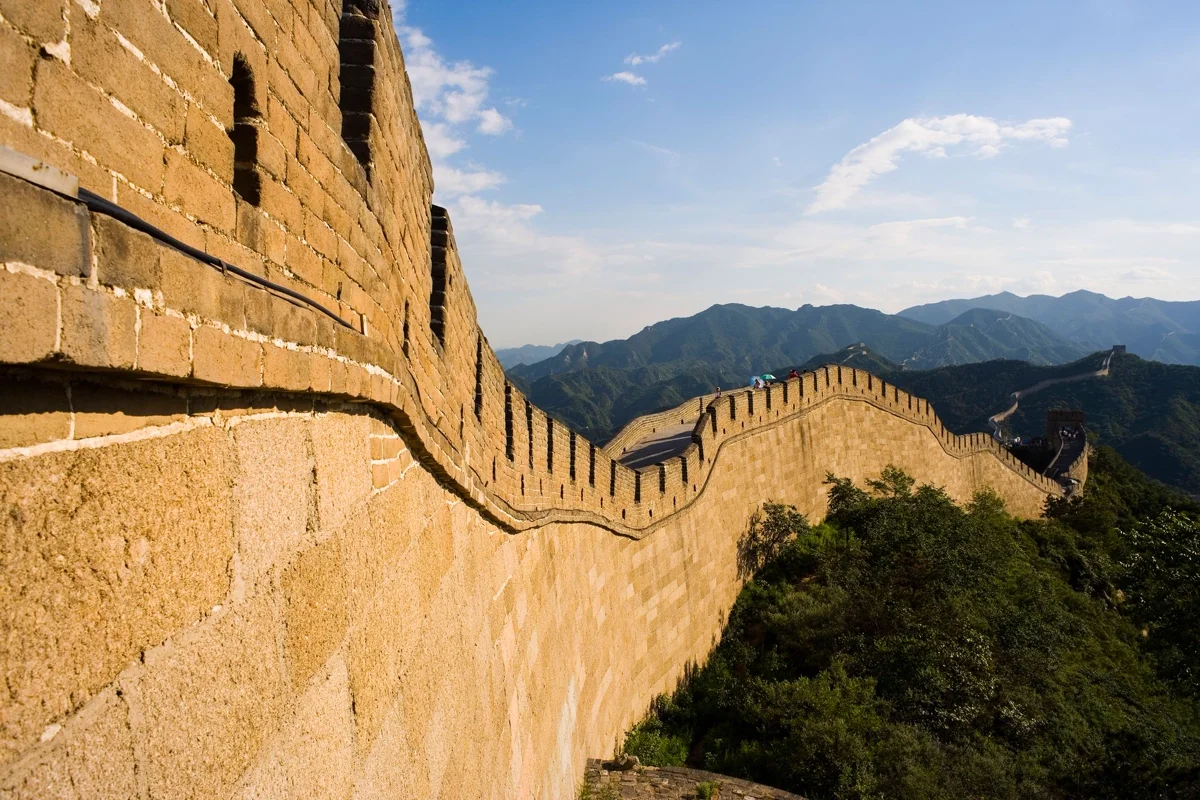
The good news? Beijing has a whole menu of Great Wall sections. Some are wild and rugged, some are family-friendly with cable cars, some have water reflecting the stones. You just need to match the right section to what you actually want.
🚄 How do I get to the Great Wall from Beijing?
This is the part that stresses people out, so let me lay out your options clearly.
By public bus (cheapest)
- Badaling: Bus 877 from Deshengmen (德胜门) — ¥12 / ~$1.70 one way, takes about 1.5 hours. Dead simple.
- Mutianyu: Bus 916 express from Dongzhimen (东直门) to Huairou, then transfer to H23/H36 to Mutianyu. About 2 hours total, ¥15 / ~$2 total.
- Other sections: No direct public buses. You’ll need a private car or tour.
By train
- Badaling: S2 train from Beijing North Station (清河站). ¥6 / ~$0.85, about 1 hour. Super comfortable and scenic — the train actually climbs through mountains.
- Simatai/Gubeikou: No train. Private car or bus from Dongzhimen.
By private car or Didi (most flexible)
- ¥200-400 / ~$28-56 round trip depending on section
- Driver waits for you (usually 4-5 hours)
- Best for Jinshanling, Jiankou, or Simatai where public transport is annoying
- Book through your hotel or Didi app
My recommendation?
If it’s your first time and you want convenience: Badaling by S2 train or Mutianyu by bus. If you want adventure: Jinshanling by private car.
🏔️ Badaling — The Classic (But Crowded)
This is the “default” Great Wall. Most tour groups come here. It’s the most restored, the most accessible, and by far the most crowded.
What’s good:
- Easiest to reach from Beijing (S2 train or bus 877)
- Well-restored — smooth steps, handrails, clear paths
- Has a cable car and a pulley toboggan ride down
- Open year-round, even in winter
What’s not so good:
- Peak season crowds are genuinely awful — I’m talking shoulder-to-shoulder on weekends
- Feels “touristy” — lots of souvenir shops at the entrance
- The restored sections look almost too polished
Practical info:
- 📍 Distance from Beijing: 70 km (~1.5 hours)
- 🎫 Ticket: ¥40 / ~$5.60 (peak season April-October), ¥35 / ~$4.90 (off-season)
- ⏰ Cable car: ¥100 / ~$14 round trip
- 🕐 Time needed: 3-4 hours
- 💡 Pro tip: Go early (before 8am) or late afternoon (after 2pm). Skip weekends entirely if you can.
Who should go here? First-timers who want the “easy” experience, families with small kids, anyone with mobility issues.
🌿 Mutianyu — Best for Families (and the Toboggan!)
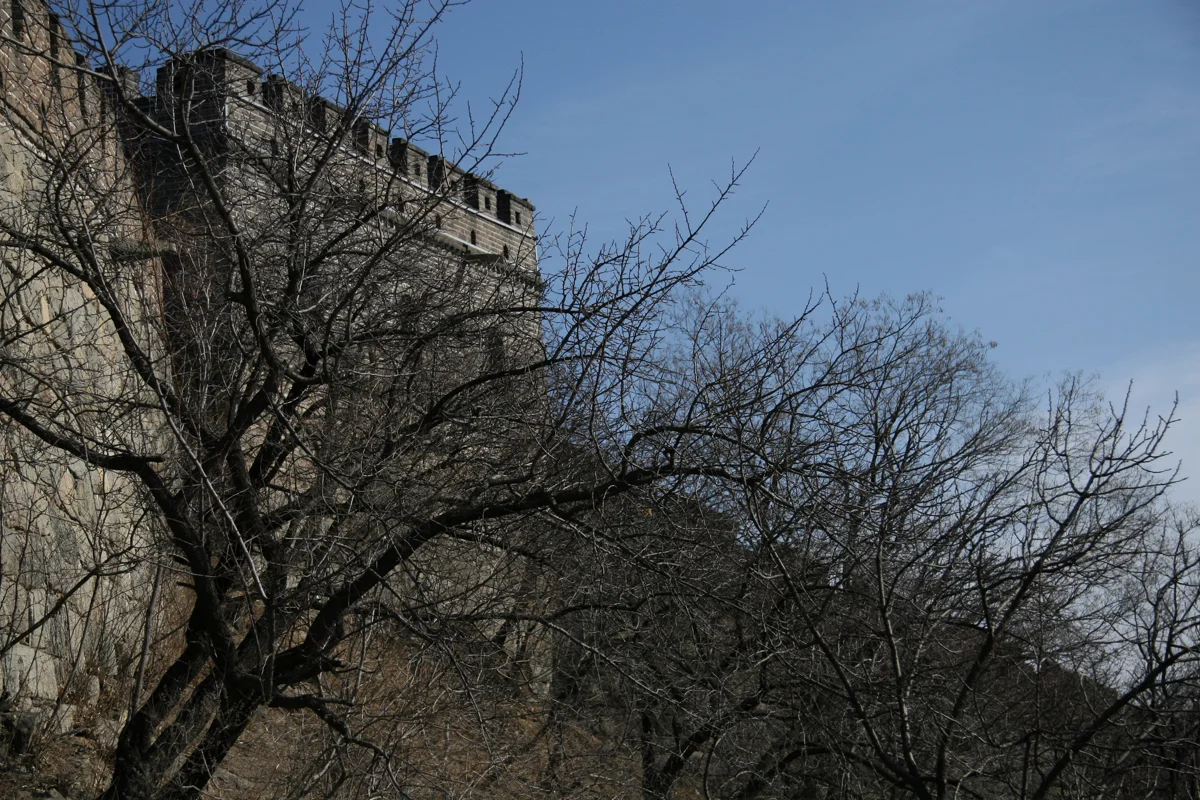
Mutianyu is my personal recommendation for most people. It’s restored enough to be safe, but surrounded by forest and mountains that make it feel way more “real” than Badaling. Plus — there’s a toboggan ride. A toboggan ride. On the Great Wall. Come on.
What’s good:
- Beautiful setting — the wall winds through dense green forests
- Less crowded than Badaling (still popular, but manageable)
- Cable car up + toboggan/toboggan down = amazing experience
- Well-maintained with guardrails on steep sections
- 23 watchtowers along the main stretch
What’s not so good:
- Slightly harder to reach than Badaling (bus transfer needed)
- Toboggan has a separate fee (worth it though)
- Still fairly touristy on weekends
Practical info:
- 📍 Distance from Beijing: 73 km (~2 hours by bus)
- 🎫 Ticket: ¥40 / ~$5.60
- 🎿 Toboggan: ¥100 / ~$14 one way
- 🚡 Cable car: ¥120 / ~$17 round trip (or chairlift ¥100 / ~$14)
- 🕐 Time needed: 4-5 hours
- 💡 Pro tip: Take the cable car up, walk the wall, then toboggan down. Trust me on this one.
Who should go here? Families, couples, anyone who wants the Great Wall experience without the Badaling chaos. My #1 pick for first-timers.
📸 Simatai — Best for Photographers (Night Tours!)
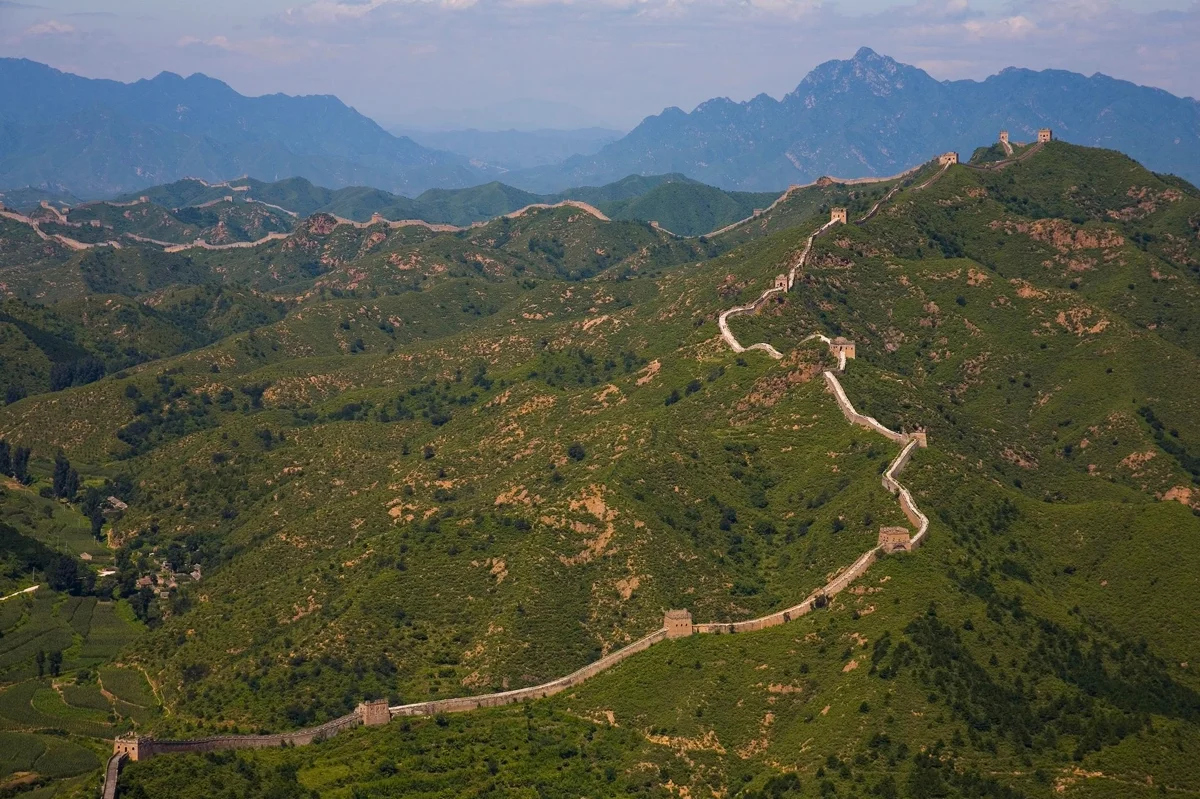
Simatai is the one that made me gasp. It’s the only section open for night tours, and at night, with the wall lit up against the dark mountains, it’s genuinely magical. During the day, it’s steep, dramatic, and feels more “real” than Badaling or Mutianyu.
What’s good:
- Only section with night tours — the lighting is spectacular
- More rugged and steep than the big-name sections
- Connected to Gubeikou (another unrestored section) for longer hikes
- Gubeikou Ancient Town at the base has nice restaurants and bars
- Fewer crowds, especially on weekday mornings
What’s not so good:
- Steep — some sections require hand-over-hand climbing
- Not fully restored in parts, so less accessible for casual walkers
- The night tour is popular now, so evening crowds have grown
Practical info:
- 📍 Distance from Beijing: 120 km (~2.5 hours by car)
- 🎫 Day ticket: ¥40 / ~$5.60
- 🌙 Night tour ticket: ¥160 / ~$22.50 (includes cable car)
- 🕐 Time needed: 3-4 hours (day), 2-3 hours (night)
- 💡 Pro tip: Do the night tour. Seriously. It’s one of the most memorable things I’ve done in Beijing.
Who should go here? Photographers, couples wanting a romantic evening, anyone tired of the “tourist factory” feel.
⛰️ Jinshanling — Best Hiking, Fewer Crowds
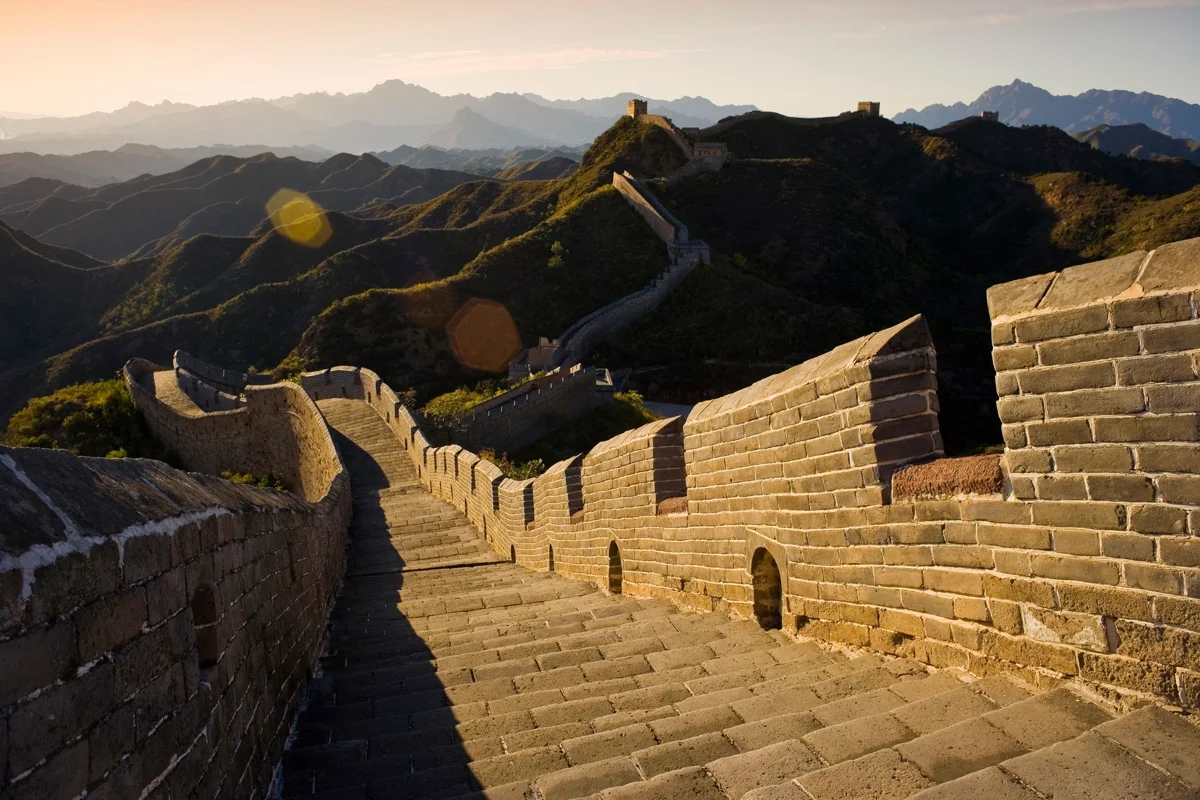
If you want to actually hike the Great Wall — not just walk a short restored section — Jinshanling is your spot. This section has the best balance of restoration, scenery, and solitude. It’s what I imagine the Wall was like before tourism took over.
What’s good:
- Stunning watchtowers — 67 towers, many in different architectural styles
- Mix of restored and unrestored sections for variety
- Far fewer tourists than Badaling/Mutianyu
- Popular hiking route from Jinshanling to Simatai (about 10 km)
- Autumn foliage here is absolutely insane
What’s not so good:
- No direct public transport — need private car or tour
- The hiking route can be challenging (steep gradients)
- Fewer facilities/restaurants at the base
Practical info:
- 📍 Distance from Beijing: 130 km (~2.5 hours by car)
- 🎫 Ticket: ¥65 / ~$9.10
- 🕐 Time needed: 5-7 hours (if doing the full hike)
- 🚗 Transport: Private car ¥300-400 / ~$42-56 round trip
- 💡 Pro tip: Start early (7-8am) and hike east to west. The morning light on the towers is chef’s kiss.
Who should go here? Hikers, photographers, anyone wanting a more “authentic” Great Wall experience. The Jinshanling-to-Simatai hike is my favorite Great Wall activity, period.
🏚️ Jiankou — Wildest, Most Dangerous, Pure Adventure
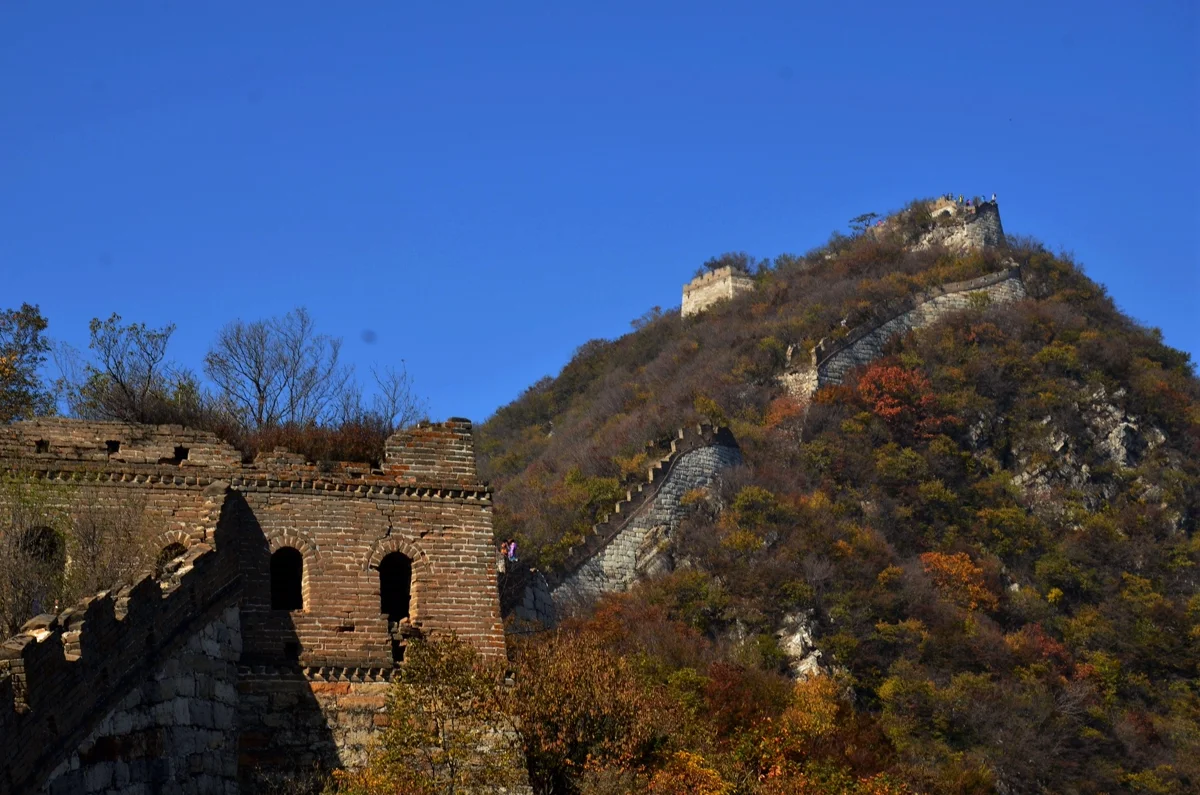
Okay, I need to level with you. Jiankou is not for everyone. It’s unrestored, crumbling, overgrown with vegetation in places, and there are sections where a fall could be genuinely dangerous. It’s also one of the most photographed sections of the Wall — that iconic “snake along the ridge” shot you’ve seen on Instagram? That’s Jiankou.
What’s good:
- The most “authentic” Great Wall experience in Beijing
- Dramatic, crumbling beauty — the Wall literally grows out of the mountains
- Almost no tourists (most people don’t dare to hike it)
- Incredible photography opportunities
- The “Beijing眼” (Beijing Eye) section is iconic
What’s not so good:
- ⚠️ Genuinely dangerous — no guardrails, loose stones, steep drops
- Some sections require rock climbing skills
- No ticket office or management — it’s “wild”
- Getting lost is a real possibility
- Rescue teams have been called here multiple times
Practical info:
- 📍 Distance from Beijing: 80 km (~2 hours by car)
- 🎫 Ticket: Free (unstaffed, unrestored)
- 🕐 Time needed: 5-8 hours depending on route
- 🚗 Transport: Private car or taxi only
- 💡 Pro tip: If you’re not an experienced hiker, hire a local guide. Seriously. The “Xizhazi Village” entrance is the safest starting point. Don’t go alone, don’t go in bad weather, and don’t underestimate it.
Who should go here? Experienced hikers only. If you’ve done serious hiking before and want something truly raw, this is it. If you’re not sure — stick with Jinshanling.
🌊 Huanghuacheng — The Only Wall with Water
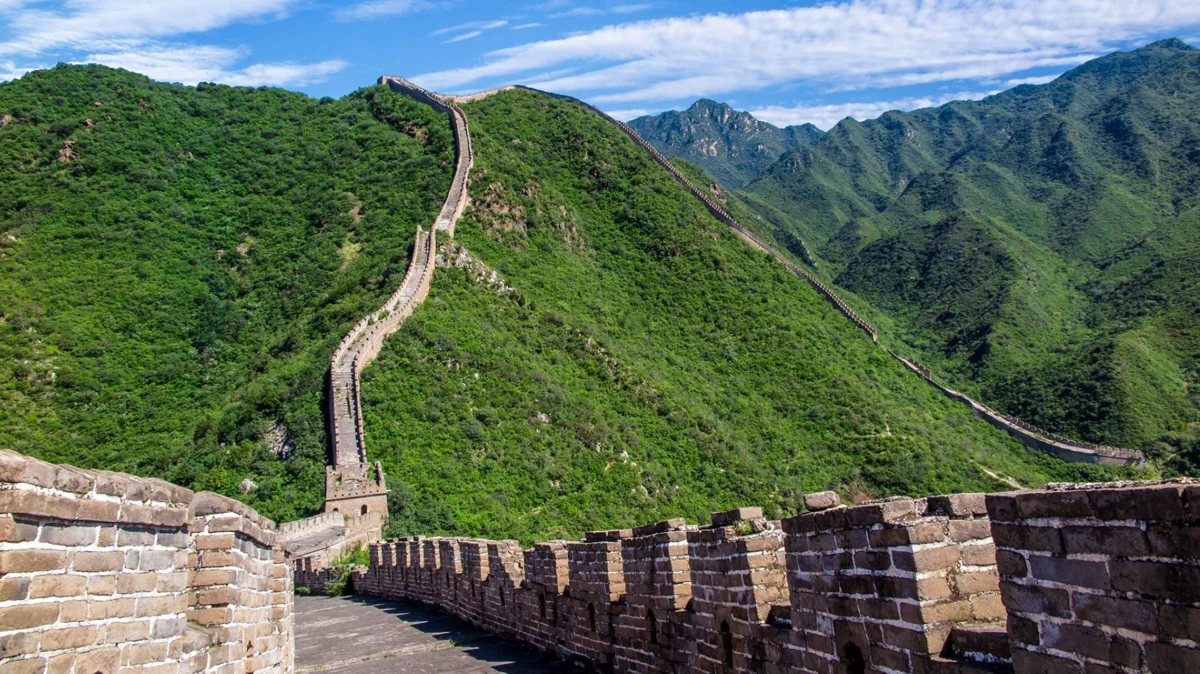
This is the weird and wonderful one. Huanghuacheng is where the Great Wall meets a lake — part of the wall is actually submerged under water. When the water level is right, you get this surreal scene of ancient stones reflected in still blue water. It’s unlike anything else on the Wall.
What’s good:
- Unique “water wall” scenery — genuinely one-of-a-kind
- Beautiful lake setting, great for photos
- Less crowded than the big-name sections
- Good for families — easier terrain, nice picnic areas
- Apple orchards nearby (fresh fruit in autumn!)
What’s not so good:
- The “water wall” section varies by season — sometimes it’s partially submerged, sometimes not
- Farther from Beijing than some options
- Less “epic” feeling than Jinshanling or Jiankou
- Facilities are limited
Practical info:
- 📍 Distance from Beijing: 65 km (~1.5 hours by car)
- 🎫 Ticket: ¥45 / ~$6.30
- 🕐 Time needed: 3-4 hours
- 🚗 Transport: Private car ¥200-300 / ~$28-42 round trip
- 💡 Pro tip: Visit in spring or early summer when water levels are highest. The reflection shot is worth the trip alone.
Who should go here? Anyone who’s seen the “standard” Wall sections and wants something different. Great for photographers and families who want a more relaxed vibe.
📊 Section Comparison at a Glance
| Section | Distance | Time Needed | Difficulty | Crowds | Best For |
|---|---|---|---|---|---|
| Badaling 🏔️ | 70 km | 3-4 hrs | Easy | 🔴 Very High | First-timers, families |
| Mutianyu 🌿 | 73 km | 4-5 hrs | Easy-Med | 🟡 Medium | Families, toboggan lovers |
| Simatai 📸 | 120 km | 3-4 hrs | Medium | 🟢 Low | Photographers, night tours |
| Jinshanling ⛰️ | 130 km | 5-7 hrs | Medium-Hard | 🟢 Low | Hikers, autumn foliage |
| Jiankou 🏚️ | 80 km | 5-8 hrs | Hard/Extreme | ⚪ None | Advanced hikers only |
| Huanghuacheng 🌊 | 65 km | 3-4 hrs | Easy | 🟢 Low | Unique water scenery |
💰 Budget Breakdown: How Much Will It Cost?
Here’s a realistic per-person budget for a day trip from Beijing:
| Expense | Badaling | Mutianyu | Simatai | Jinshanling | Jiankou | Huanghuacheng |
|---|---|---|---|---|---|---|
| 🎫 Ticket | ¥40 ($5.60) | ¥40 ($5.60) | ¥40 ($5.60) | ¥65 ($9.10) | Free | ¥45 ($6.30) |
| 🚄 Transport (bus/train) | ¥12-18 ($1.70-2.50) | ¥15 ($2.10) | — | — | — | — |
| 🚗 Transport (car) | — | — | ¥300 ($42) | ¥300 ($42) | ¥250 ($35) | ¥200 ($28) |
| 🚡 Cable car | ¥100 ($14) | ¥120 ($17) | ¥100 ($14) | — | — | — |
| 🎿 Toboggan | — | ¥100 ($14) | — | — | — | — |
| 🍜 Lunch | ¥50 ($7) | ¥50 ($7) | ¥60 ($8.40) | ¥40 ($5.60) | ¥30 ($4.20) | ¥40 ($5.60) |
| Total | ~¥200 ($28) | ~¥410 ($57) | ~¥500 ($70) | ~¥405 ($57) | ~¥280 ($39) | ~¥285 ($40) |
Tips to save money:
- 🚌 Public transport to Badaling/Mutianyu saves big vs. private car
- 🎫 Some sections offer combo tickets (entry + cable car) — ask at the gate
- 🍱 Bring your own snacks — food near the Wall is overpriced
- 👥 If you’re a group of 4+, splitting a private car is often cheaper than buses + cable car
❓ FAQ: Everything You’re Wondering
What’s the best time of year to visit?
September-October (autumn) is the sweet spot. Clear skies, comfortable temperatures, and the foliage turns golden. Avoid Chinese national holidays (Golden Week in October, Spring Festival in January/February) — the crowds are genuinely unpleasant. Summer (June-August) is hot and humid. Winter is cold but beautiful if you can handle it — way fewer people.
Can I hike the full Great Wall?
Not in a day — the entire Wall is over 21,000 km long! But you can do section-to-section hikes. The most popular multi-day hike is from Jinshanling to Simatai (about 10 km, 4-6 hours). Serious hikers do multi-day treks from Jinshanling westward, but that requires camping gear and planning.
Do I need to book tickets in advance?
Badaling: Yes, especially on weekends and holidays. Book on the official WeChat mini-program (搜索 “长城”). Walk-up tickets sell out fast in peak season.
Other sections: Generally not required, but booking ahead never hurts.
Is the Great Wall wheelchair accessible?
Only partially. Badaling and Mutianyu have cable cars that get you up to the wall, but the wall itself has steps everywhere. Some short stretches at Badaling are relatively flat. But honestly, it’s not a great experience for wheelchair users — the steps are everywhere and handrails are limited.
What should I bring?
- Comfortable shoes — you’ll be climbing stairs for hours, this is non-negotiable
- Water — at least 1.5 liters, more in summer
- Sunscreen and hat — there’s almost no shade on the wall
- Snacks — food options are limited and overpriced
- Camera — obviously
- Layers — it’s windier and cooler up on the wall than in the city
How many hours should I budget?
For a typical visit: 5-7 hours door to door from Beijing. That includes travel (1.5-2.5 hours each way) and 2-4 hours on the wall itself. Don’t try to squeeze it into a half-day — you’ll just feel rushed.
Final Thoughts
The Great Wall isn’t just a tourist attraction — it’s one of those places that genuinely makes you feel small in the best way. Standing on those stones, looking out at the mountains stretching to the horizon, you understand why they call it one of the wonders of the world.
Just don’t go to Badaling on a Saturday in October. Please. For your own sanity.
Pick the section that fits your style, bring good shoes, and give yourself time. The Wall has been here for over 2,000 years — it’s not going anywhere. Take your time and enjoy it. 🧱✨