Dalian: China’s Most European Coastal City
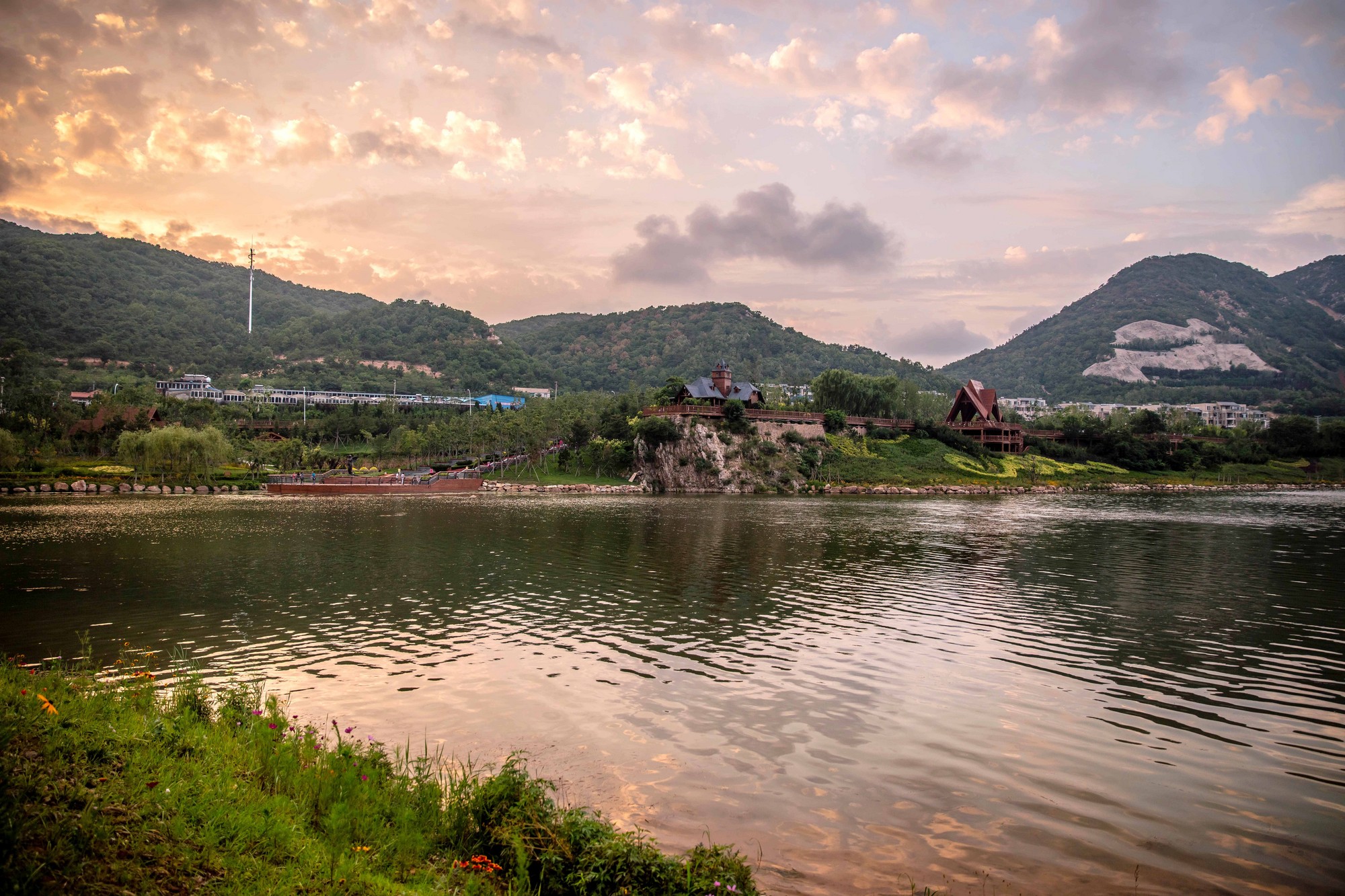
Most travelers heading to China’s northeast think of Harbin’s ice festivals or Changbai Mountain’s volcanic caldera. Fewer realize that at the southern tip of the Liaodong Peninsula, a city dressed in Russian pastels, Japanese colonial stone, and Pacific salt air has been quietly reinventing itself for over a century. Dalian is that city—a place where you can eat borscht for breakfast, drive a cliffside highway by noon, and watch the sun sink behind a fishing harbor as gulls wheel overhead. This guide answers the questions that matter most.
❓ How Did Dalian Get Its European Flavor?
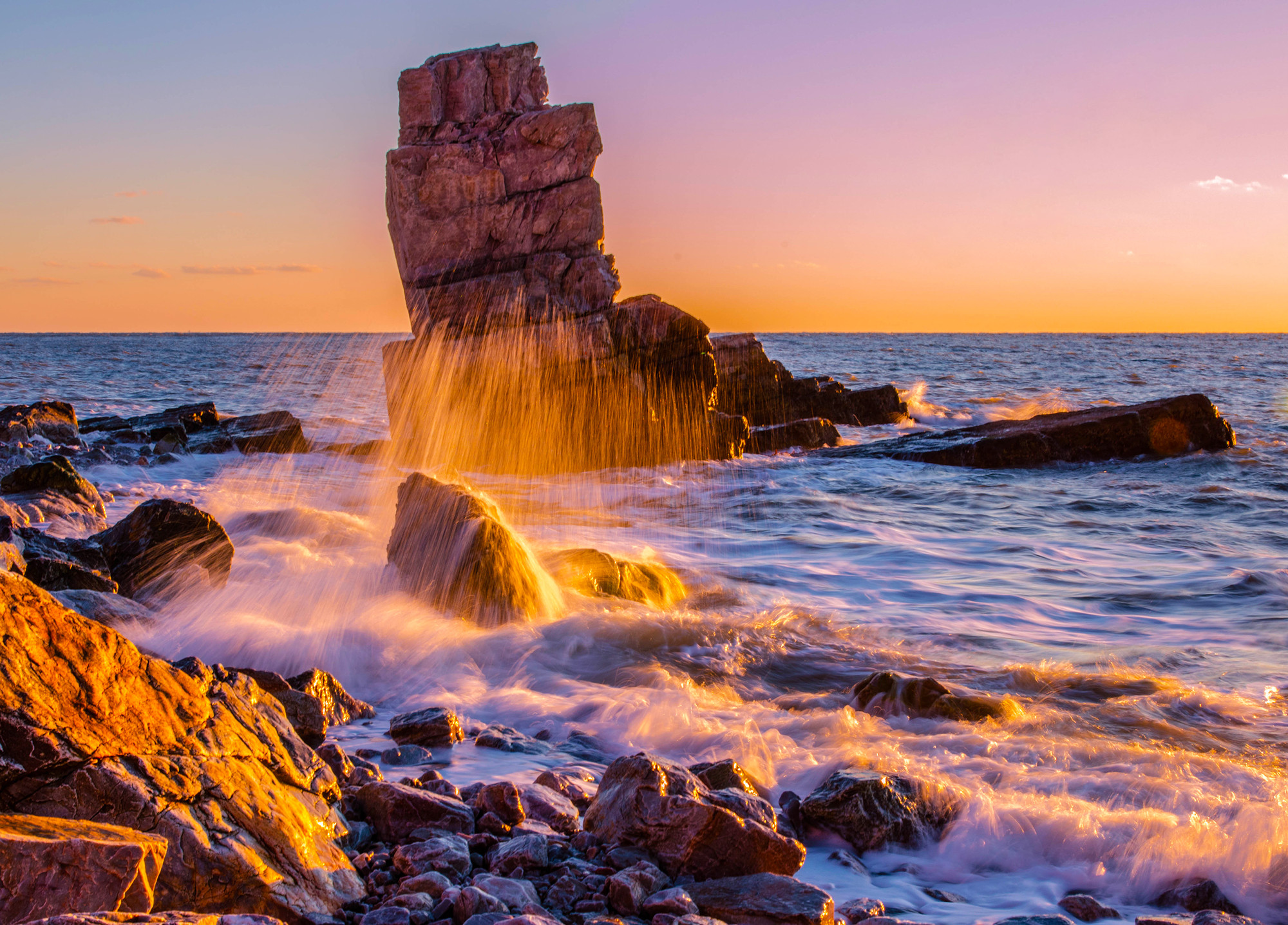
The story begins in 1898, when Tsarist Russia signed a lease with Qing Dynasty China for the Liaodong Peninsula. The Russians renamed the fishing village of Dalniy (meaning “Far Away”) and began designing an entire European city from scratch—wide boulevards radiating from grand squares, baroque churches, and a deep-water port to rival Vladivostok. They envisioned a new St. Petersburg on the Pacific.
That dream lasted only six years. After Russia’s defeat in the Russo-Japanese War of 1905, Japan seized the territory and renamed it Dairen. For the next four decades, the Japanese expanded the port, built factories, and layered their own colonial architecture over the Russian foundations. You can still see the difference today: the Russian buildings tend toward ornate curves and pastel facades, while the Japanese structures favor austere stone and geometric lines.
When the Soviet Union liberated Dalian in 1945, and China eventually reclaimed full control in 1950, the city inherited a strange and beautiful palimpsest. Soviet advisors contributed socialist-realist architecture during the 1950s. Then, as China’s reform era unfolded, Dalian became one of the first open coastal cities, importing yet more international influences.
The result is a city unlike anywhere else in China. Walk through Zhongshan Square and you pass a Romanesque bank, a Japanese-era customs house, a Soviet department store, and a gleaming modern tower—all within a single block. It is not a museum. It is a living, breathing collision of empires.
#history #architecture #colonial #russian #japanese #soviet
❓ What Are the Best Things to Do in Dalian?
Dalian packs an extraordinary range of experiences into a compact coastal footprint. Here are the essentials, each in its own card.
🏛️ Zhongshan Square — The European Heart
Start here. Zhongshan Square is Dalian’s living room—a grand circular plaza ringed by ten historic buildings that represent every era of the city’s foreign past. The former Yamato Hotel (now the Dalian Hotel) anchors the north side with its neo-baroque facade. Across the circle, the old Bank of China building blends Chinese roof tiles with Western columns.
At night, the buildings light up in warm gold, and locals gather for evening walks and impromptu dancing. The fountain at the center catches the light like a jewel. Sit on a bench, watch the city go by, and imagine the Russian engineers who laid out these streets with a compass and a dream.
- Cost: Free
- Time: 30-60 minutes (longer at night)
- Tags: #architecture #history #free
🇷🇺 Russian Style Street — A Slice of St. Petersburg
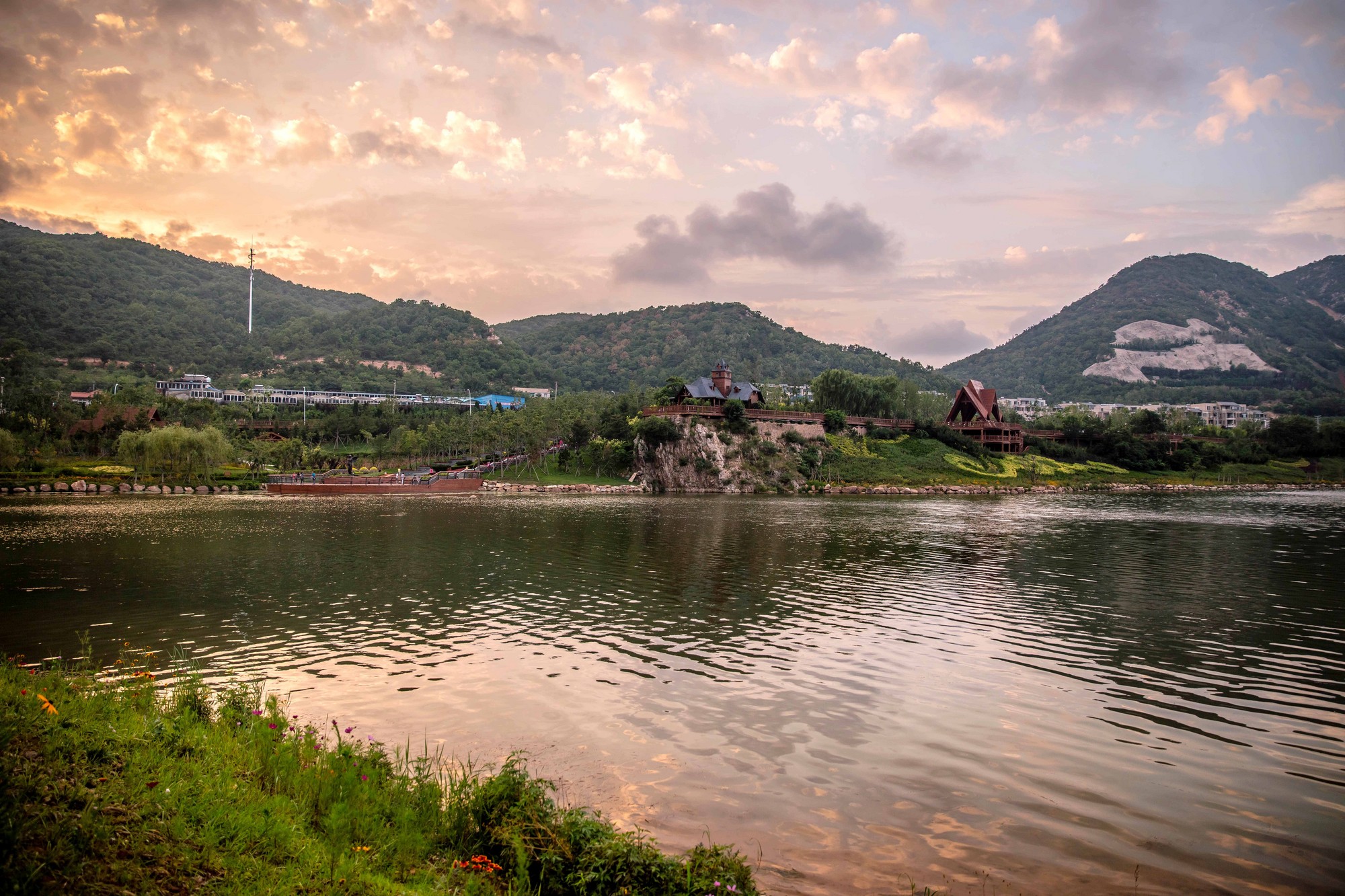
At the foot of Zhongshan Square, Youhao Road transforms into the Russian Style Street—a 500-meter stretch of restored 19th-century buildings now housing shops, cafés, and restaurants. The architecture is genuinely Russian: arched windows, decorative stucco, steep roofs designed to shed snow. Some buildings are originals; others are faithful reconstructions.
Step into a Russian restaurant for pelmeni (dumplings) and a glass of kvass. Browse the shops selling nesting dolls, amber jewelry, and Soviet-era memorabilia. The street is touristy but never feels fake—the buildings have real bones and real history beneath the fresh paint.
- Cost: Free to walk; meals ¥50-150/person
- Time: 1-2 hours
- Tags: #food #architecture #russian #shopping
🌊 Binhai Road — The Coastal Highway
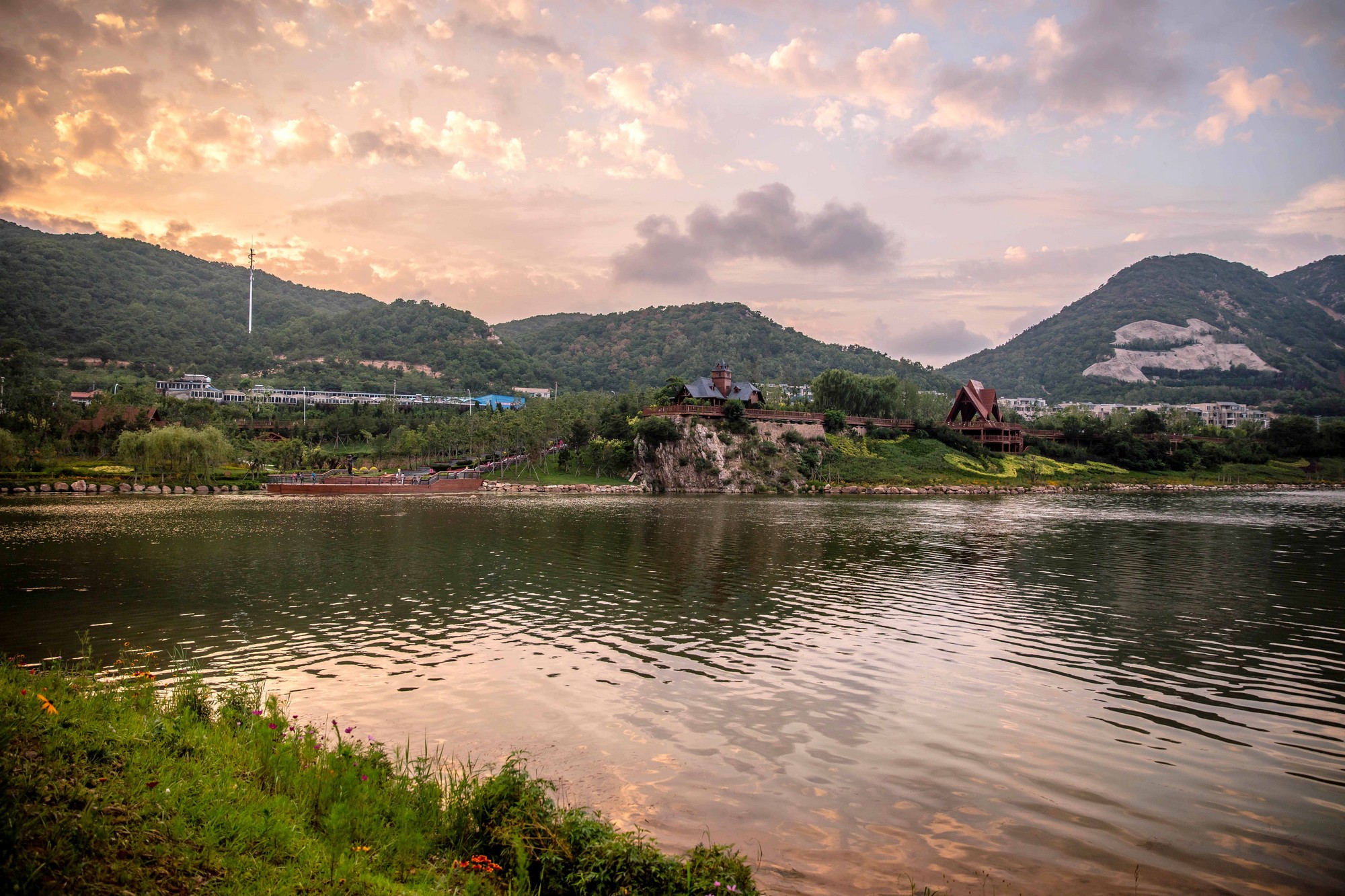
Binhai Road is a 32-kilometer ribbon of asphalt that hugs the southern coast of the Dalian Peninsula, connecting the city center to the scenic eastern shore. Rent a car or hop on the Binhai Road tourist bus and prepare for one of China’s most spectacular coastal drives.
The road winds past pine-covered cliffs, hidden beaches, rocky coves, and cliffside parks. Stop at Xinghai Bay for a wide panorama of the Yellow Sea. Pull over at the Forest Zoo overlook for sweeping views. Continue east to Bingyuwan, where granite formations drop straight into emerald water. Every curve reveals another postcard.
In autumn, the forests along the route turn amber and crimson against the blue sea—a spectacle that rivals New England foliage with the added drama of Pacific waves crashing below.
- Cost: Bus ¥10-20; car rental ¥200-400/day
- Time: Half day to full day
- Tags: #nature #coastal #road-trip #scenic
🐟 Fisherman’s Wharf — Sunset on the Harbor
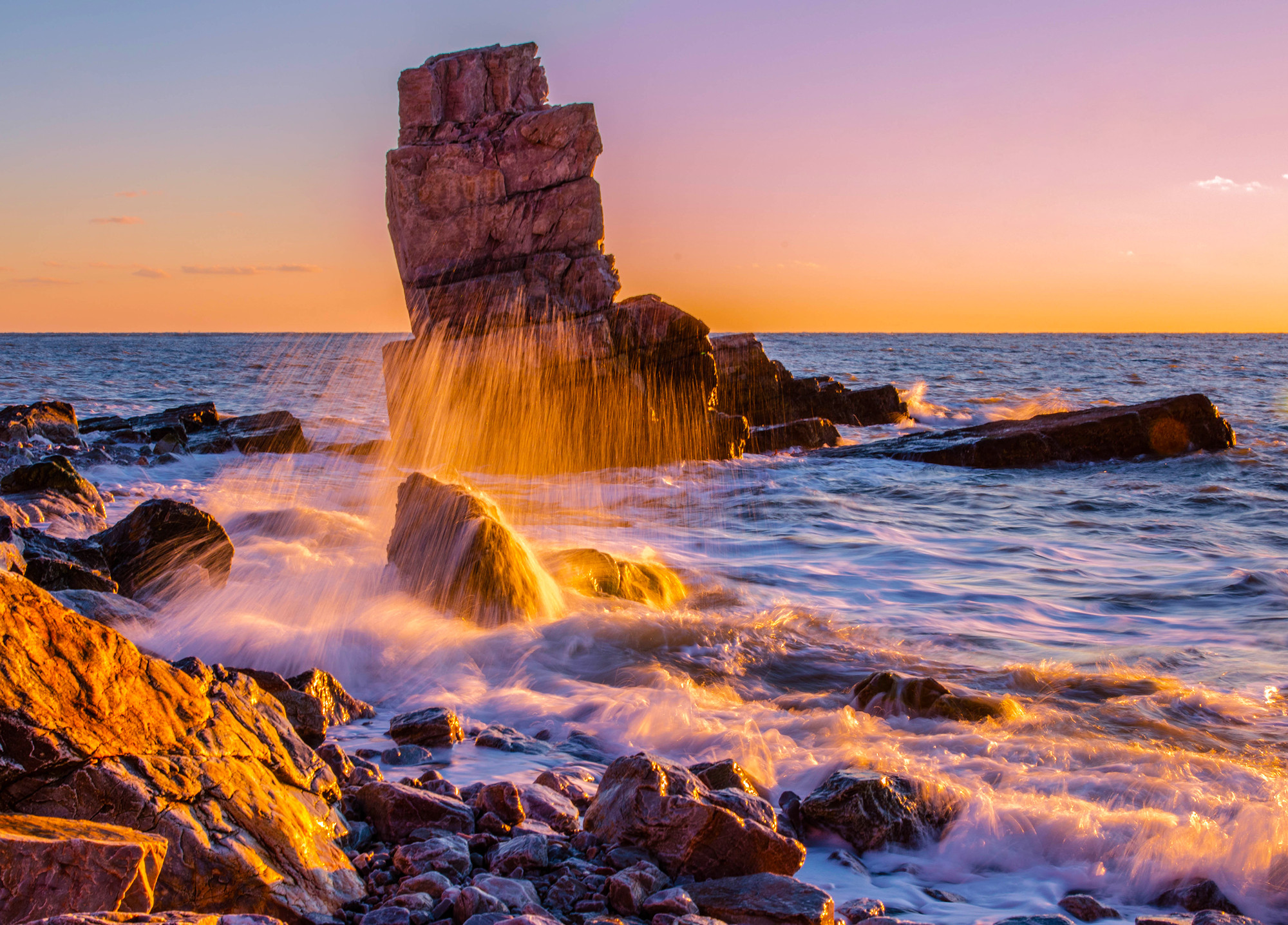
Dalian Fisherman’s Wharf sits on the eastern shore of the peninsula, a restored fishing harbor turned leisure district. The old stone warehouses now hold seafood restaurants where the day’s catch arrives by the truckload. In the evening, the harbor fills with warm light and the smell of grilling scallops.
Walk along the breakwater as fishing boats bob in the last light. The lighthouse at the end of the pier makes a perfect silhouette against the sunset. Order a platter of steamed sea urchin, spicy crayfish, and garlic-butter clams at one of the harborside tables, and wash it down with a local Dalian lager. This is as close to the sea as you can get without getting wet.
- Cost: Free entry; seafood ¥100-300/person
- Time: 2-3 hours (best at sunset)
- Tags: #food #seafood #sunset #harbor
⭐ Xinghai Square — The Grand Open Space
Xinghai Square is Asia’s largest city square—50,000 square meters of open plaza facing the sea. Built in 1997 to celebrate Hong Kong’s return to China, it serves as Dalian’s civic stage. A massive sculptural monolith anchors the center, flanked by fountains and promenades.
The real draw is the view. Xinghai Bay stretches north and south, framed by modern towers on one side and the open sea on the other. In summer, the square hosts concerts and fireworks. In winter, it’s a windswept expanse where kite-flyers battle the Pacific gusts. The nearby Xinghai Park offers a quieter alternative with winding paths through coastal gardens.
- Cost: Free
- Time: 1-2 hours
- Tags: #free #coastal #landmark
⚔️ Lvshun — The Peninsula’s Secret Past
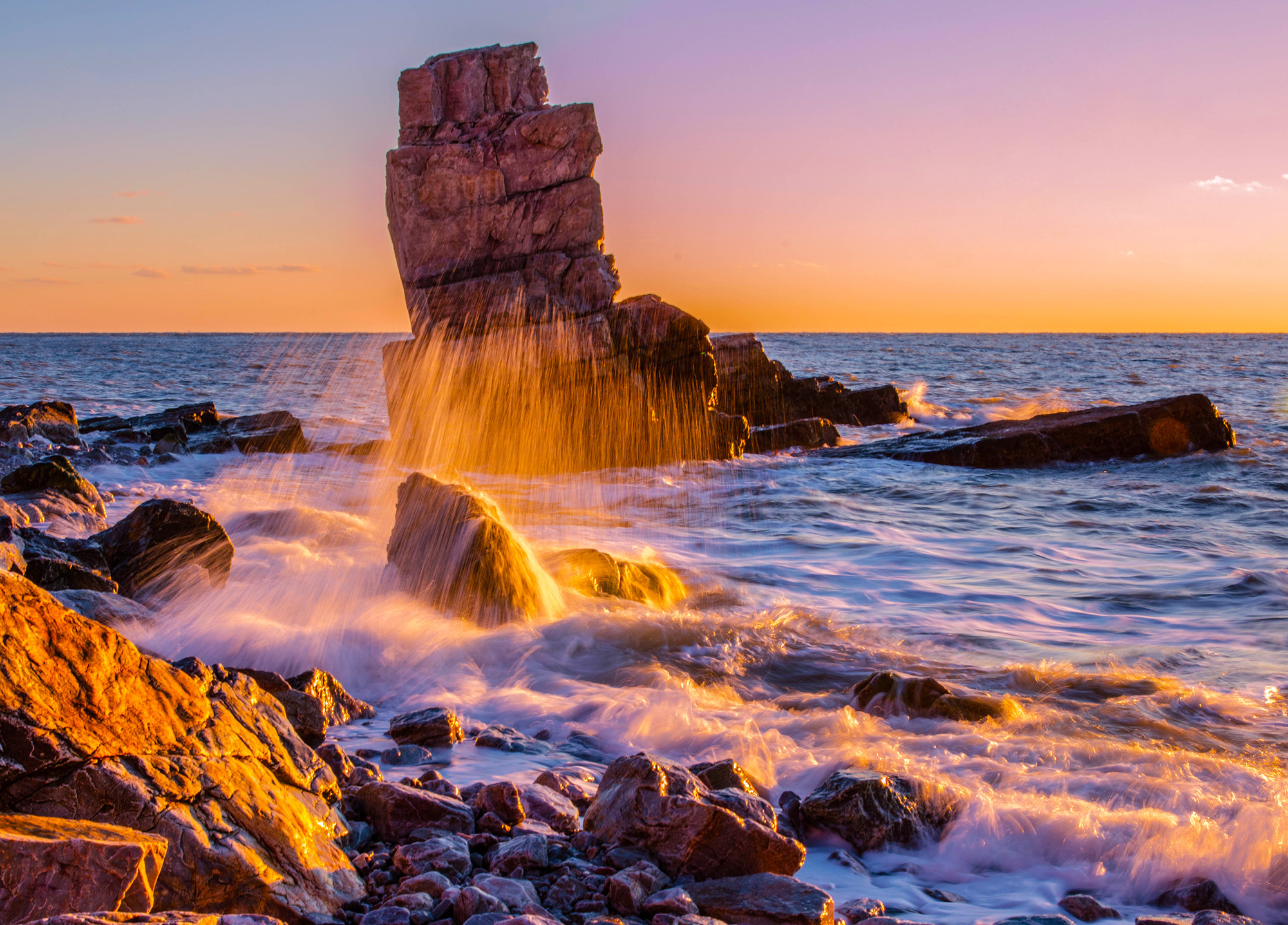
Forty kilometers southwest of Dalian, the town of Lvshun (historically Port Arthur) carries the heaviest history of any place on the Liaodong Peninsula. This deep-water harbor was the prize that sparked the Russo-Japanese War and later became the site of some of the bloodiest battles of the Second Sino-Japanese War.
Visit the Russian Prison Museum, where cramped cells and execution chambers tell the story of colonial cruelty. Walk the grounds of the former naval base, where Japanese and Russian fortifications still face each other across the hills. The White Jade Eagle Stone at the harbor entrance—a naturally eroded rock formation resembling a bird in flight—is Lvshun’s quiet symbol of endurance.
Lvshun is somber, but it is essential. Without understanding this place, you cannot understand Dalian.
- Cost: ¥40-80 for museum entries
- Time: Half day (combine with Binhai Road)
- Tags: #history #military #colonial
❓ Where Are the Best Beaches?
Dalian’s coastline offers two standout beach experiences, each with a distinct personality.
🏖️ Bangchuidao — The Refined Escape
Bangchuidao Scenic Area is Dalian’s most manicured coastal park. Pine forests slope down to rocky shores where waves sculpt dramatic formations. The beach itself is small but pristine—fine golden sand bordered by smooth granite boulders. A well-maintained walking path connects multiple viewpoints, and the Bangchuidao Hotel (a former military sanatorium) offers cliffside dining with unobstructed sea views.
This is the beach for those who prefer elegance over crowds. Come early morning for solitude and birdwatching.
- Cost: ¥20 entry
- Time: 2-3 hours
- Tags: #beach #nature #walking #peaceful
🪨 Golden Pebble Beach (Jinshitan) — The Family Playground
Thirty kilometers northeast of the city center, Golden Pebble Beach is Dalian’s answer to a seaside resort. The beach stretches for kilometers with warm, shallow water ideal for swimming. Behind the sand, an amusement park, water park, and a cluster of resort hotels create a self-contained vacation zone.
The resort town also hosts a foreign-style architectural district—replicas of European landmarks that feel wonderfully kitsch in the sea breeze. Golden Pebble Beach is busiest in July and August; visit in September for warm water and thinning crowds.
- Cost: Beach free; attractions ¥50-150
- Time: Half day to overnight
- Tags: #beach #family #resort #summer
❓ What’s the Food Scene?
Dalian’s food identity is built on three pillars: the sea, the Russians, and the Koreans.
🦐 Seafood — The Star of the Show
Dalian is one of China’s great seafood cities. The cold waters of the Yellow Sea produce exceptionally sweet shrimp, meaty crabs, and scallops the size of palm leaves. The signature experience is buying live seafood at the Qingniwaqiao Fish Market—rows of tanks teeming with everything from sea cucumbers to geoduck—then handing your selection to a nearby restaurant for cooking.
Must-try dishes:
- Steamed sea urchin — served in its spiny shell, bright orange and briny
- Garlic-butter mantis shrimp — locals call them “pissing shrimp” (you’ll understand why)
- Braised sea cucumber — a delicacy with a silky, gelatinous texture
- Grilled oysters — skewered and charred over charcoal, finished with chili and lime
Budget ¥80-200 per person for a serious seafood feast.
🥟 Russian Influence — Comfort in a Bowl
The Russian legacy lives on in Dalian’s comfort food. Borscht appears on many local menus, served with a dollop of sour cream and thick dark bread. Pelmeni—tiny meat dumplings—are a popular street snack. For something uniquely Dalian, try fried pie (炸馅饼), a flaky pastry filled with savory meat or sweet red bean, sold from sidewalk stalls near Zhongshan Square.
🥩 Korean BBQ — The Eastern Edge
Dalian’s eastern districts have a significant Korean population, and Korean BBQ restaurants cluster along Youyi Street and near the Korean School. Thinly sliced marinated beef grilled over open flame, wrapped in lettuce with garlic, ssamjang, and kimchi—it’s a social meal meant to be shared. Expect to pay ¥80-150 per person for a quality spread.
#food #seafood #russian #korean #bbq
❓ How Many Days Do You Need?
| Trip Length | What You Can Do |
|---|---|
| 2 days | Zhongshan Square, Russian Street, Binhai Road, Fisherman’s Wharf sunset |
| 3 days | Add Lvshun, Bangchuidao Beach, seafood market experience |
| 4-5 days | Add Golden Pebble Beach, Xinghai Park, deeper exploration of eastern coast |
| 1 week | Day trip to Jinzhou Ancient City, Yinkai Sand Beach, rural Liaodong |
Three days is the sweet spot for most travelers—enough to see the highlights without rushing, with a buffer day for weather or spontaneous detours.
❓ What Does a Trip to Dalian Cost?
| Category | Budget | Mid-Range | Splurge |
|---|---|---|---|
| Accommodation/night | ¥100-200 | ¥300-600 | ¥800-1500 |
| Meals/day | ¥80-150 | ¥200-400 | ¥500+ |
| Transport/day | ¥20-40 (bus) | ¥80-150 (taxi) | ¥200+ (rental car) |
| Attractions/day | ¥30-80 | ¥80-150 | ¥150-300 |
| Daily Total | ¥230-470 | ¥560-1,150 | ¥1,000-2,300 |
| 3-Day Trip | ¥690-1,410 | ¥1,680-3,450 | ¥3,000-6,900 |
Exchange rate: approximately ¥7.2 = $1 USD (2026)
Dalian is remarkably affordable for a coastal city of its caliber. A well-fed, well-transported trip with decent accommodation can be done for under $80 USD per day.
❓ Practical Tips
Getting There
- By air: Dalian Zhoushuizi International Airport (DLC) connects to all major Chinese cities and has limited international routes (Seoul, Tokyo, Osaka)
- By train: High-speed rail from Shenyang (1.5 hours), Beijing (4 hours), or Qingdao (4 hours)
- By ferry: Seasonal ferries from Yantai and Weihai across the Bohai Sea
Getting Around
- Metro: Four lines cover most tourist areas; ¥2-5 per ride
- Bus: Extensive network; ¥1-2 per ride
- Taxi: Metered, ¥10 base fare; affordable for short trips
- Ride-hailing: DiDi works well throughout the city
Best Time to Visit
- June-September: Warm and sunny, beach season, peak crowds
- May & October: Mild weather, fewer tourists, beautiful light
- Winter (November-March): Cold and windy, but empty streets and dramatic seascapes
Language
- Mandarin is the primary language; English signage exists at major attractions
- A translation app is helpful for restaurants and markets
- Russian is sometimes spoken near Russian Style Street—no surprise given the history
#practical #transport #weather #tips
❓ FAQ
Is Dalian safe for solo travelers? Extremely. Dalian consistently ranks among China’s safest cities. Violent crime is rare, and the city is well-lit and patrolled at night. Solo female travelers report feeling comfortable walking after dark in central areas.
Can I use foreign payment apps? Alipay and WeChat Pay dominate. Foreign visitors can now link international credit cards to Alipay. Cash is accepted but less convenient. Many restaurants and shops do not accept foreign credit cards directly.
Do I need a visa? Most foreign nationals need a Chinese visa. Check if you qualify for the 240-hour transit visa exemption (Dalian is a designated port) or the recently expanded visa-free programs for select nationalities.
Is the tap water safe? No. Drink bottled or boiled water. Hotels and restaurants provide complimentary bottled water. Ice in drinks is generally safe in established restaurants.
What about internet access? Google, Instagram, WhatsApp, and many Western sites are blocked behind the Great Firewall. Download a VPN before arriving, or purchase a local SIM card with a VPN-friendly plan. Chinese apps like Baidu Maps and Dianping (for restaurant reviews) work perfectly without a VPN.
Is Dalian dog-friendly? China’s pet culture is growing but still different from Western norms. Dogs are welcome in some parks and outdoor areas but not in most restaurants or hotels. Service animal policies are evolving.
Dalian is a city that rewards curiosity. Beneath the European facades and Pacific breezes lies a layered history of empire, war, and reinvention—a city that has been Russian, Japanese, Soviet, and Chinese, all at once. Come for the seafood and the beaches. Stay for the stories written in stone, salt, and sea air.
Tags: #coastal #history #food #nature #architecture #european-style #seafood #beaches #road-trip #colonial #winter #summer #dalian #liaoning