Changsha: China’s Spiciest Food Capital | A Complete Guide 🔥🌶️
I still remember the moment my chopsticks touched that first bite of stinky tofu on a steaming Taiping Street corner — my eyes watered, my nose ran, my entire face turned into a furnace, and I couldn’t stop eating. That’s Changsha for you. A city that doesn’t just serve food, it attacks your taste buds with a red chili assault and dares you to keep going. Spoiler: you will. You absolutely will. 🔥
Changsha has been blowing up on travel radars lately, and for good reason. It’s got the ancient scholar vibes of Yuelu Academy, the revolutionary romance of Orange Island, the neon chaos of Modern Sky, and a food scene so aggressively spicy it makes Sichuan look like a mild suggestion. I spent a full week eating my way through this city and I’m still recovering (in the best way possible). Here’s everything you need to know before you book that ticket! ✈️
Is the Food REALLY That Spicy? Like, How Bad Are We Talking? 🌶️🌶️🌶️
Okay, let’s address the elephant in the room — or rather, the chili pepper on every single plate. YES. It is that spicy. But here’s the thing nobody tells you: it’s not just spicy, it’s fragrant spicy. Hunan cuisine (湘菜) uses fresh green and red chilies, fermented black beans, garlic, and this incredible preserved chili paste called “duo la jiao” (剁辣椒) that’ll change your relationship with rice forever.
I consider myself a pretty solid spice warrior. I’ve done Sichuan, I’ve done Korean, I’ve even attempted that one Thai dish that came with a skull warning on the menu. But Changsha humbled me on day one, and I mean that in the most loving way. The first night I ordered a simple looking stir-fried pork — “farmer’s pork” (农家小炒肉) — and it arrived swimming in a lake of green chili slices that looked almost innocent. Three bites in and I was crying happy tears. My lips were numb. I asked for more rice. AND I WENT BACK FOR SECONDS. 🤯
The secret? Unlike Sichuan’s numbing peppercorn game, Hunan spice is direct. It punches you in the face with pure chili heat, then wraps you in layers of umami and smoky wok flavor. You can’t hide from it, but after the first shock, you won’t want to.
Pro survival tips from someone who learned the hard way:
- Always have a pitcher of cold soy milk or a bowl of tangyuan (sweet rice balls) nearby — water just spreads the fire
- Those little white steamed buns (馒头) that come with some meals? They’re not a side dish, they’re your fire extinguisher
- Yogurt drinks (养乐多 or any drinkable yogurt) are lifesavers. Local trick: grab a bottle at every convenience store you pass
- Don’t trust anything labeled “not spicy” (不辣) — in Changsha, that usually means “just a little spicy”
- Embrace it! Your taste buds will build tolerance faster than you think. By day three I was asking for extra chili like a local
How Many Days Do You Actually Need? The Honest Answer 🗓️
Three days is the sweet spot. Two days if you’re really sprinting, four if you want to eat everything without rushing. Here’s why:
Changsha isn’t massive like Beijing or Shanghai. The main attractions are pretty concentrated — Yuelu Mountain, Orange Island (Juzizhou), and the city center are all within a 20-minute metro ride of each other. But the FOOD. Oh man, the food alone could justify a whole extra day. Every time I thought I’d tried everything, a local would drag me to some hidden alley stall and my world would shift on its axis again.
So here’s my three-day plan that hits all the big spots without making you feel like you’re on a military tour. 🚀
DAY 1: Ancient Scholars, Revolutionary Vistas & Old Street Chaos
🚶 游玩攻略 (Sightseeing)
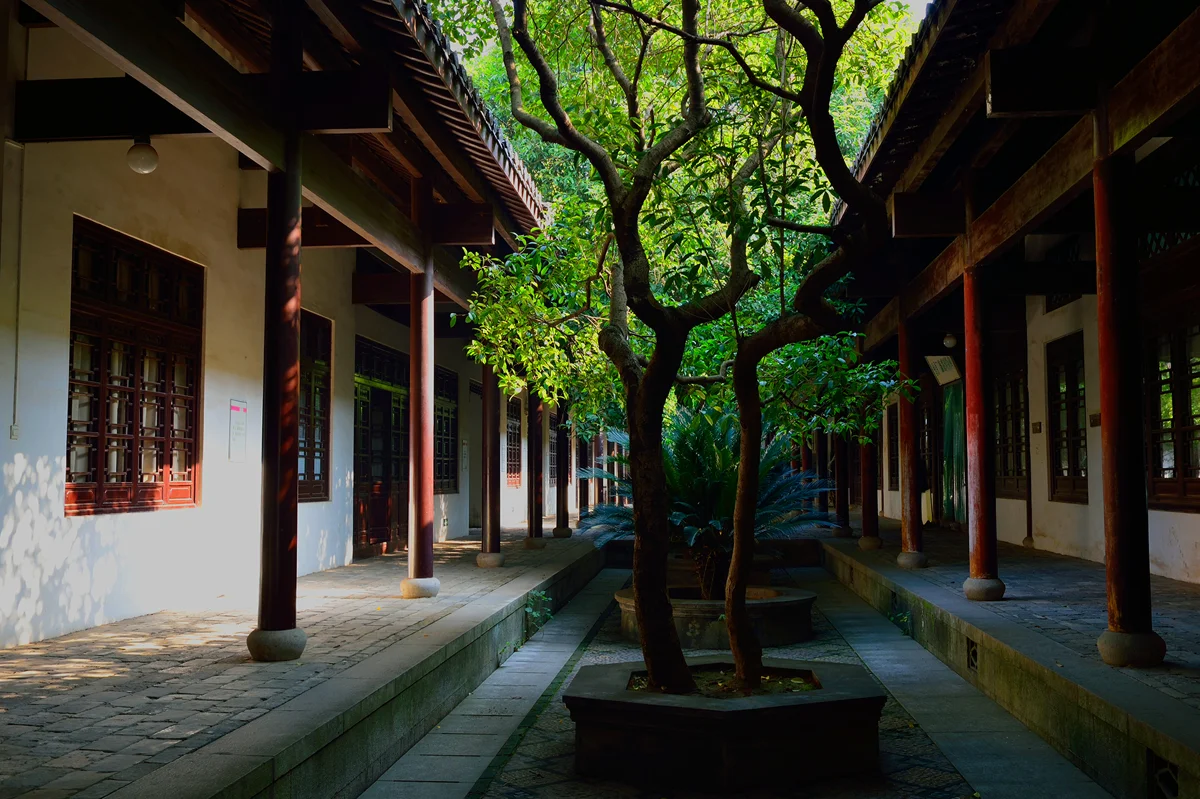
Start your morning at Yuelu Academy (岳麓书院), and I mean really start — get there when it opens at 7:30 AM. This isn’t just some old building you walk through in twenty minutes. Founded in 976 AD, it’s one of the four great academies of ancient China, and the thousand-year-old trees here have witnessed more history than most countries. The tranquility of the courtyards in the early morning mist is something else. I sat on a stone bench near the Lecture Hall, watching sunlight filter through bamboo leaves, and I swear I could feel a thousand years of scholarship in the air. 🏛️
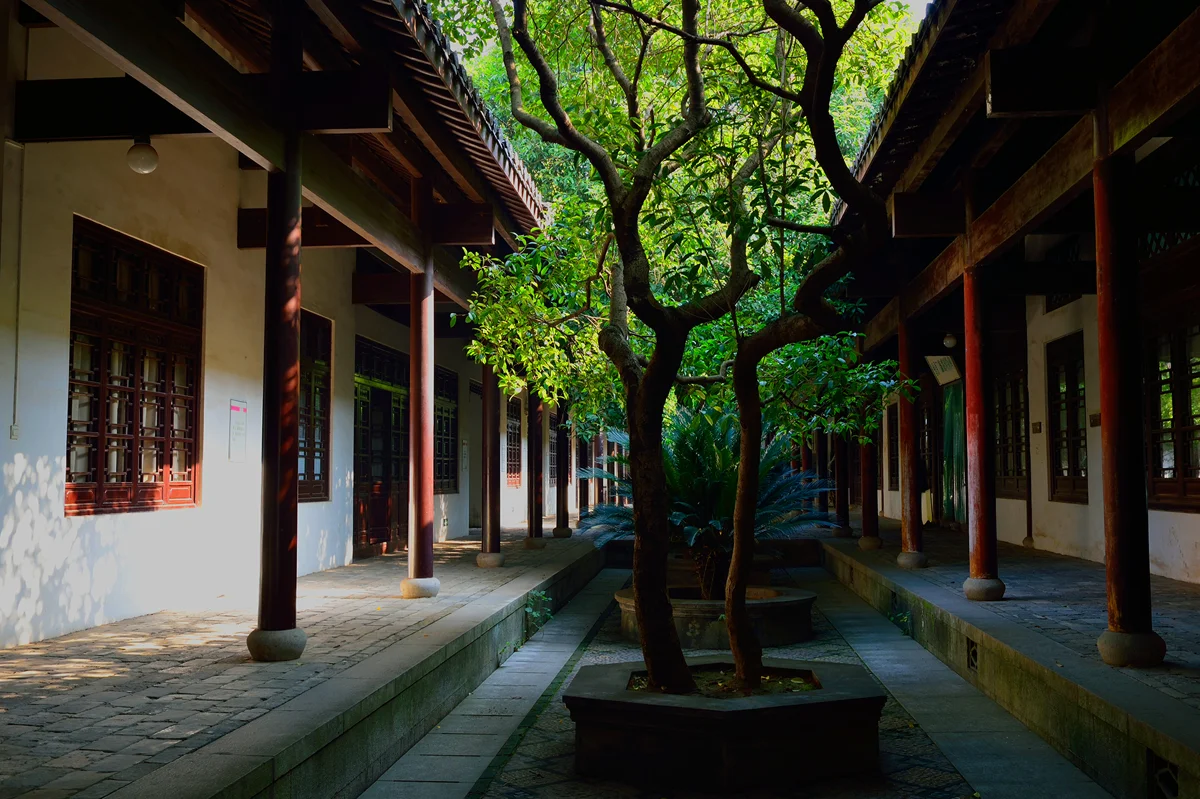
Those stone pathways, the inkstone-shaped ponds, the calligraphy plaques everywhere — this place breathes Confucian wisdom. The garden behind the main hall is particularly gorgeous in spring and autumn. I spent nearly two hours just wandering and I still felt like I rushed it.
From Yuelu Academy, hike up Yuelu Mountain (about 30-40 minutes to the top, totally worth it). The trail is shaded and well-paved, and at the summit you get an absolutely killer panoramic view of the Xiang River cutting through the city. This is where you’ll see why Chairman Mao wrote that famous poem standing exactly here.
Come down the mountain around noon and cross the street to Orange Island Park (Juzizhou) — yes, the very island Chairman Mao wrote about in “Changsha.” It’s a long, skinny island right in the middle of the Xiang River, and the huge youthful Mao statue at the southern tip is absolutely iconic. You can rent a little sightseeing cart to cover the 5km length, or just walk the riverside promenade. The plum, orchid, lotus, and bamboo gardens are lovely, but honestly, just standing at the tip of the island with the river breeze and the city skyline on both sides is the moment.
By late afternoon, head to Taiping Old Street (太平老街). This is where Changsha’s old soul meets its chaotic present. It’s a pedestrian street lined with Qing dynasty architecture, but every single shopfront is pumping out stinky tofu, sugar oil cakes (糖油粑粑), grilled skewers, and all kinds of madness. The crowds can be intense (especially weekends), but that’s half the fun — you’re just riding a wave of people and delicious smells. 🏮
🚇 交通攻略 (Getting Around)
Yuelu Academy and Yuelu Mountain are on the west bank of the Xiang River. Take Metro Line 4 to Hunan University Station (湖南大学站), Exit 2. The academy entrance is literally right there. To get to Orange Island, take Line 2 to Juzizhou Station (橘子洲站) — it drops you right on the island! Taiping Street is one stop south on Line 2: Wuyi Square Station (五一广场站), Exit 1.
One thing I love about Changsha — the metro is clean, fast, and cheap. A day of riding everywhere cost me maybe ¥15-20 (~$2-3). Taxis and Didi are also affordable, but traffic around Wuyi Square can be brutal at rush hour. Save the taxi for late-night food runs.
🍜 餐饮攻略 (Food)
This is where it gets real. On Taiping Street, you’re going to face a wall of food decisions. Here’s the must-eat list:
Black Classic Stinky Tofu (黑色经典臭豆腐) — This is THE brand, and you’ll see it everywhere. The tofu is fried to order, poked open, stuffed with garlic chili sauce and pickled radish, and handed to you in a little paper bowl. The first bite is an experience — crunchy outside, erupting with spicy juice inside. I ate it three times in two days. It’s ¥10 for a small box and worth every yuan.
Huo Gong Dian (火宫殿) — This historic restaurant temple is right on Taiping Street and it’s iconic. Yeah, it’s touristy, but it’s also where Mao Zedong himself ate stinky tofu. Go for the theater-like atmosphere with the traditional Changsha opera performances (check schedule), and order the “Mao’s favorite” stinky tofu set. Is it the best in town? Debatable. Is it an experience? Absolutely.
Sugar Oil Cakes (糖油粑粑) — Little glutinous rice balls deep-fried and coated in caramelized sugar. They’re sweet, chewy, and your best friend after all that spice. Look for the vendors making them fresh in giant woks. The caramelization is an art form here.
Destruction Specialist (费大厨辣椒炒肉) — If you want to understand Hunan food, order the Chili Stir-fried Pork (辣椒炒肉) from this famous chain. It’s the national dish of Hunan province and this place does it right. The pork is thinly sliced, the chilies are charred and smoky, and the juice mixed with rice is a religious experience. It’s not even that spicy by Changsha standards — it’s just perfect comfort food.
DAY 2: Modern Skyline, Meixi Lake Dreams & Wenheyou Fever Dream
🚶 游玩攻略 (Sightseeing)
Start your second day with something completely different — Meixi Lake (梅溪湖) area. This is Changsha’s futuristic face, and it’s stunning. The Meixi Lake International Culture & Arts Center, designed by the late Zaha Hadid, looks like a white ribbon twisting into the sky. It’s surrounded by manicured parks, curved bridges, and a lake that mirrors the whole dreamscape. I went on a sunny morning and the reflection on the water was unreal. The architecture alone is worth the trip out here. 🌊
From Meixi Lake, head to the brand new Hunan Xiangjiang New Area and Modern Sky (湘江欢乐城) — this is Changsha’s mega entertainment district built inside an abandoned quarry pit. Yes, you read that right. It’s a massive complex with an indoor ski slope (yes, skiing in subtropical China!), water parks, and a crazy funicular that drops you deep into the converted quarry. Even if you’re not into theme parks, the engineering feat is mind-blowing. Standing at the edge and looking down into this giant transformed hole in the earth is surreal.
In the afternoon, time for the ultimate Changsha culture shock — Wenheyou (文和友). This isn’t a restaurant, it’s a fever dream of 1980s Changsha recreated inside a seven-story building. Every inch is covered with retro neon signs, old street furniture, vintage barber shops, bamboo chairs, and relics from the city’s past. And it’s packed to the rafters with people eating crayfish, drinking beer, and taking photos. It’s chaotic, loud, hot, and absolutely brilliant. I went expecting a gimmick and left genuinely moved by how well they captured old Changsha’s soul. 📸
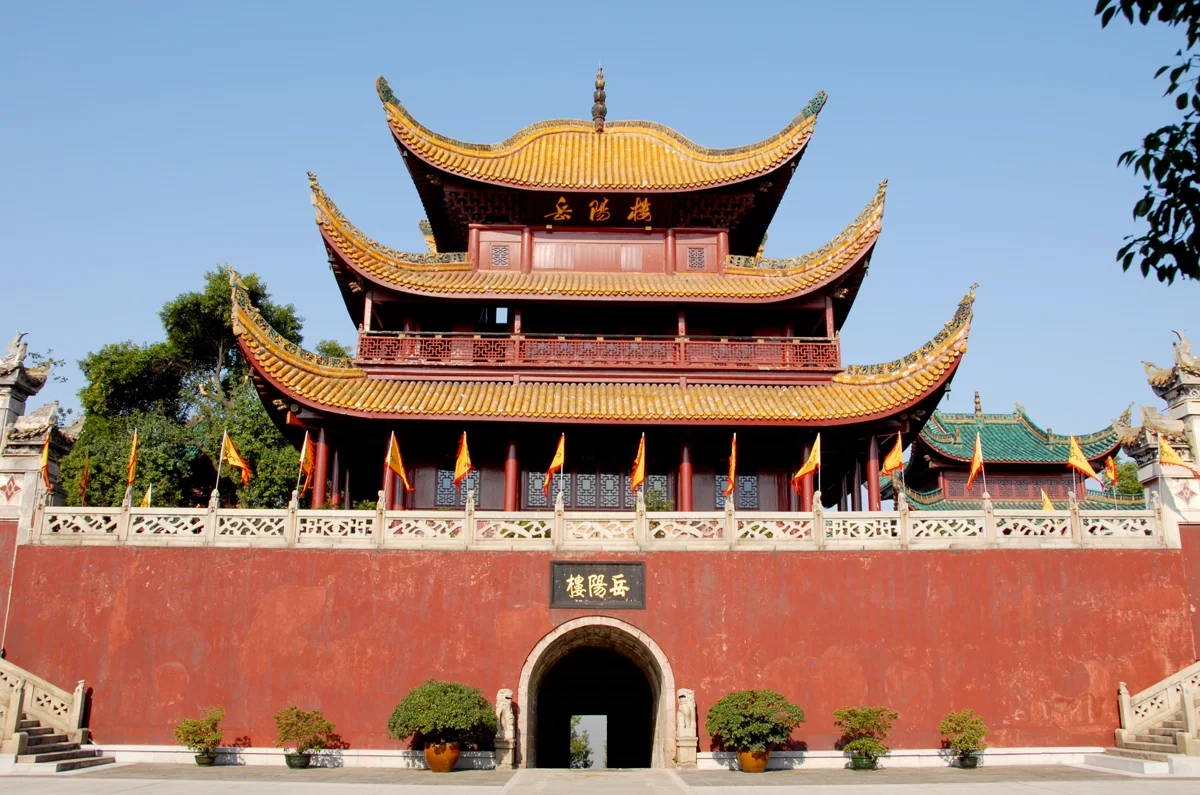
As evening falls, walk along the Xiang River Riverside Park (湘江风光带) toward Dufu Pavilion (杜甫江阁) . This riverside tower dedicated to the great Tang poet Du Fu lights up beautifully at night and offers an amazing view of the city glittering across the river. The promenade is packed with locals dancing (广场舞), couples walking, and old men playing cards. It’s city life at its most authentic.
🚇 交通攻略 (Getting Around)
Meixi Lake is on Metro Line 2 — Meixi Lake East Station (梅溪湖东站) gets you close. For Modern Sky, it’s further west; take Line 3 to Shantang Station (山塘站) and then a short Didi ride. Wenheyou is at the intersection of Xiangjiang Middle Road and Bayi Road — take Line 1 to Nanmenkou Station (南门口站) and walk east. Alternatively, it’s a very doable 20-minute riverside walk from Dufu Pavilion.
🍜 餐饮攻略 (Food)
Wenheyou’s main attraction is crayfish (小龙虾) — and Changsha does crayfish maybe better than anywhere in China. Order the spicy crayfish (口味虾) and get ready to get your hands dirty. They come in a mountain of dried chili, garlic, and secret spices. You peel, dip in the sauce, and repeat until your fingers are stained and your face is red. It’s a messy, glorious affair.
Also at Wenheyou, don’t miss:
- Luosha (嗦螺) — tiny river snails sucked out of their shells, packed with spicy broth
- Gexian bean curd (葛仙米豆腐) — soft tofu in a fiery chili oil sauce
- Old Changsha fried skewers (炸串) — grab a tray, fill it with skewers, hand it to the fry master
If Wenheyou is too packed (and it often is, with hour-long waits), head to Sihang Dumplings (四红饺子馆) nearby for a quieter but equally delicious dinner, or go hardcore local at Aiyuandan Yaji (爱饭店) for authentic Changsha home-style dishes.
DAY 3: Eat Everything, Explore the Hidden Corners & Survive
🚶 游玩攻略 (Sightseeing)
Your last day should be unhurried. Sleep in if you want — you’ve earned it. Start with a slow stroll through Changsha Bamboo Slips Museum (长沙简牍博物馆) near Tiantai Pavilion, a hidden gem most tourists skip. It houses over 100,000 bamboo slips from the Three Kingdoms period, which is basically China’s earliest official documents. It’s small, cool (literally, the AC is strong), and fascinating.
Around the corner is Tianxin Pavilion (天心阁) , the only remaining ancient city gate of Changsha. The park around it is where locals practice tai chi, fly kites, and drink tea. Climb the pavilion for a view over the old city wall. Not as grand as Yuelu Mountain, but there’s a quiet charm here that I really loved.
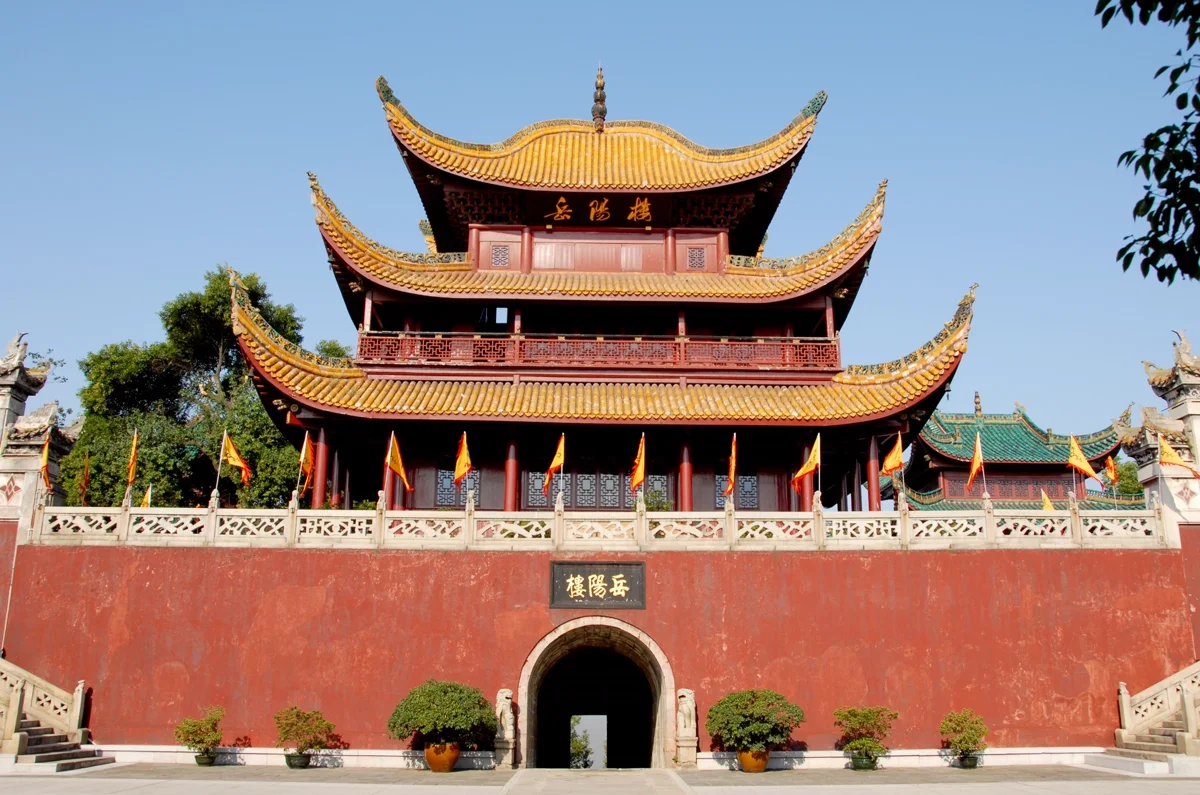
For your last afternoon, revisit Dufu Pavilion (if you saw it at night, see it in daytime) or just wander the riverside. Then head to Pozi Street (坡子街) for one final food crawl. This is Taiping Street’s less touristy, more aggressive sibling — fewer photo-taking crowds, more serious eating.
🚇 交通攻略 (Getting Around)
All of day three’s spots are within walking distance of each other in the city center. Tianxin Pavilion is Metro Line 1, Nanmenkou Station. From there, Pozi Street is a 5-minute walk. Everything else is a pleasant riverside stroll.
🍜 餐饮攻略 (Food)
Okay, last day, go all out:
Changsha Rice Noodles (长沙米粉) — find a local breakfast joint serving “changsha mi fen” with pork bone broth and your choice of toppings (spicy pork, braised beef, pickled vegetables). The noodles are silky, the broth is rich, and the chili oil on top will wake you up better than coffee ever could. I found a tiny shop on Pozi Street called Yipin Tuan (一品粉) and went back three times.
Spicy Beef Offal Hot Pot (辣牛肉牛杂火锅) — for your final dinner, nothing beats a bubbling pot of spicy beef offal hotpot. The intestines, tripe, and tendon simmered in a dark chili-laced broth with daikon radish and tofu puffs are perfect. Mr. Zhang’s Old Hotpot (张师傅老火锅) near Pozi Street was my pick — the owner doesn’t speak English, doesn’t need to, and the food speaks for itself.
Chou Si Bao (臭丝糕) — okay this one is weird but you have to try it. It’s a fermented tofu “cake” that smells absolutely nuclear but tastes incredible once you get past… everything. Think of it as the advanced level of stinky tofu. Locals love it, tourists fear it. I tried it on a dare and honestly? Not bad at all once you lean into the chaos.
One final tip on handling the spice marathon — alternate every spicy dish with something sweet. A bowl of red bean tangyuan (红豆汤圆) or mango sago pomelo (杨枝甘露) from a dessert shop will reset your palate. Changsha’s dessert game is underrated, and it’s the secret weapon for surviving three days of chili onslaught.
Quick Answers to Everything Else ❓
Best time to visit? Spring (March-May) and autumn (September-November). Summer is brutally hot and humid — you’ll be sweating AND eating spicy food, which is a combo I do not recommend. Winter is cold and damp but the hotpot scene goes into overdrive, so it’s a tradeoff.
Is Changsha expensive? Nope! This is one of China’s most affordable major cities. Budget travelers can get by on ¥300-400 per day ($40-55) including food, transport, and attraction tickets. Mid-range with nicer meals and a good hotel is ¥600-800 ($80-110). Compared to Shanghai or Beijing, Changsha feels like a bargain.
English-friendly? Not super, but manageable. Major attractions, metro stations, and tourist spots have English signs. Restaurants on Taiping Street and in Wenheyou have picture menus. I’d recommend having Google Translate or a similar app handy, especially for smaller food stalls. Download offline Chinese pack before you go!
What about shopping? Wuyi Square (五一广场) is the main commercial hub — massive malls, international brands, and underground shopping streets. For something more local, Taiping Street has craft and souvenir shops. Pozi Street is more about food than shopping.
Can you do Changsha as a day trip from somewhere? Technically yes from Changsha south station connections, but please don’t. You need at least two nights to really experience it. The city comes alive at night — you don’t want to miss the riverside lights, late-night food stalls, and that special energy Changsha has after dark.
One more surprise — Changsha has an amazing bar and coffee scene. Meixi Lake area has some beautiful lakeside cafes perfect for afternoon breaks. For nightlife, Jiefang West Road (解放西路) is the main bar street — loud, packed, and very fun. Not my scene personally, but if you’re into club vibes, this is where it happens.
Final Verdict 🔥
Changsha hit me in ways I didn’t expect. I came for the spicy food challenge and found a city with one of China’s richest intellectual histories (Yuelu Academy alone could book a whole trip), an art and architecture scene that’s innovating at breakneck speed (Meixi Lake’s Zaha Hadid building is world-class), and a street food culture that genuinely rivals any city in Asia for sheer intensity and flavor.
It’s not a polished, curated city. It’s rough around the edges, especially the old streets. But that’s exactly why it works. Every meal is an adventure, every alley has a story, and every local I met was proud of their city and eager to share it. I left with a permanently elevated spice tolerance and a burning desire to go back (pun absolutely intended).
Changsha three-day rule: Day one you cry from the spice. Day two you start to understand it. Day three you’re ordering extra chili like you own the place. 🔥🌶️
So pack your stretchy pants, stock up on yogurt drinks, and get ready for one of China’s most underrated food capitals. Your taste buds will never be the same! 🚀